Key takeaways
- A guard post is priced by hours, and a 24/7 post runs 8,760 of them each year.
- BLS reports a $38,370 median annual wage for security guards in May 2024, before burden, relief and gaps.
- A patrol robot can take over rounds, but it does not respond, intervene or make the judgment call.
- Price any robot lease from a fixed payment quoted after a site assessment, not from aggregator guesses.
- Pilot one zone on the guard's schedule and log response minutes before you change a night post.
Does a patrol robot cost less than an overnight guard?
Sometimes, for one narrow job. A patrol robot can take over the repeated rounds that tie up a guard, but it does not replace the person who answers an alarm, checks a door in person or steps in when someone is hurt. The honest answer depends on which hours you are actually paying for.
The useful test is a line by line worksheet. Price a guard post the way finance prices any other labor: base wage, employer burden, relief for days off, gaps you cannot fill and the response time you need. Then add what a robot changes and what it leaves untouched. Most overnight budgets go wrong because one column gets priced and the others are assumed.
What belongs on the overnight guard post worksheet?
Start with the schedule. A post staffed 24 hours a day, every day of the year, runs 8,760 hours. A full time schedule of 40 hours a week across 52 weeks comes to about 2,080 hours, so one continuous post needs more than four full time equivalents before leave, training and sick days are counted.
The wage is only one input. According to the BLS Occupational Outlook Handbook, the median annual wage for security guards was $38,370 in May 2024, shown in the pay section. A median is a market midpoint, not your post's rate, so enter your own rate and use the BLS figure as a sanity check. The same page's quick facts box lists a slightly different figure, so verify the live page before you cite it.
Build the sheet with these lines, each tied to a record you can check:
- Scheduled hours: post hours times nights open, taken from the live roster rather than a template.
- Employer burden: payroll taxes, benefits, insurance and uniforms, taken from payroll records.
- Relief coverage: hours needed when the regular guard is off or calls out.
- Vacancy time: weeks the post sits empty, and the overtime used to cover it.
- Response time: minutes from an alarm to a person on site, and who that person is.
- Report and alarm handling: hours spent logging rounds, writing shift reports and clearing alarms.
Where do the overnight guard costs hide?
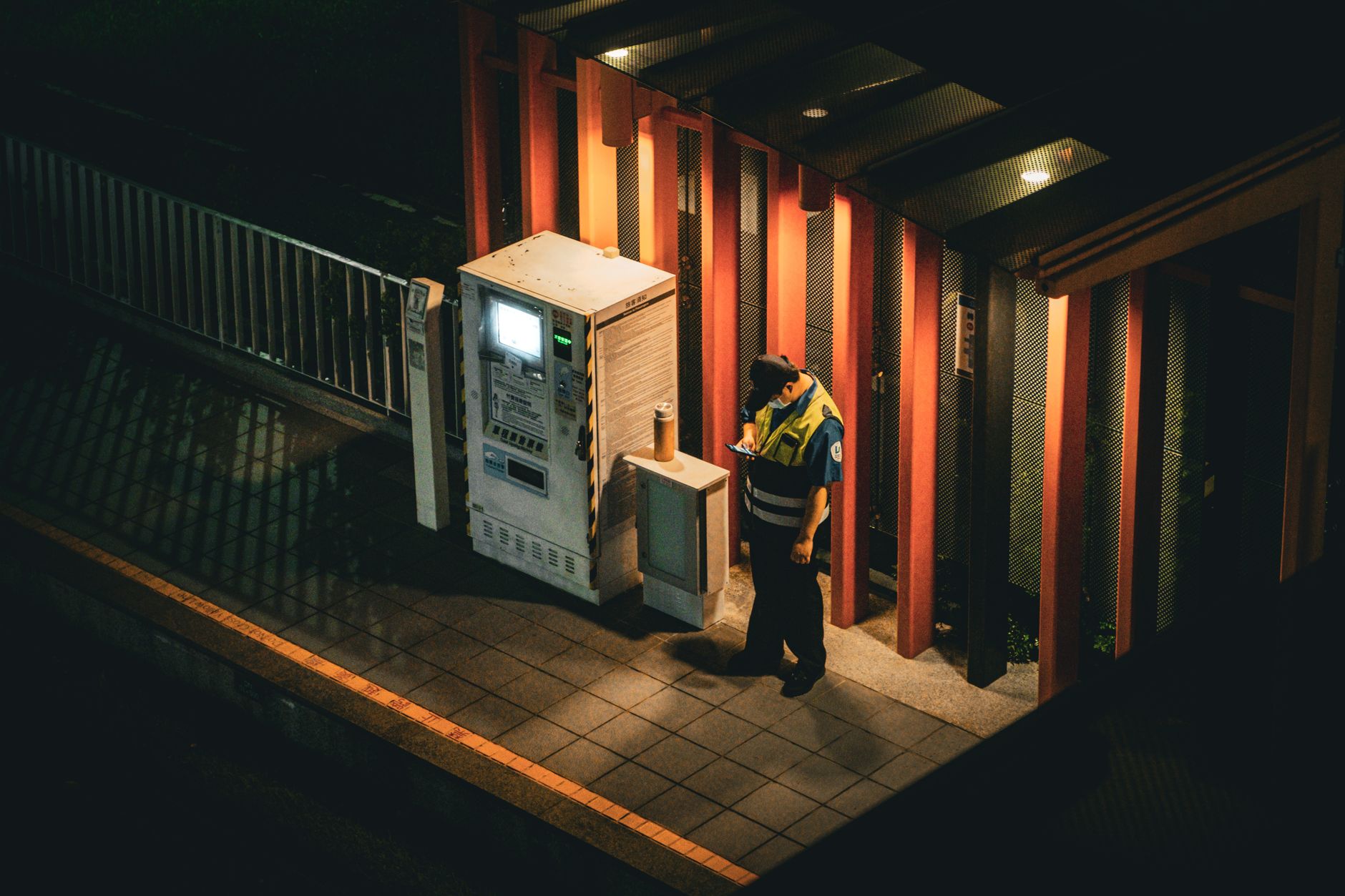
Most of the gap sits outside the hourly rate. Relief shifts, sick days, training and the weeks a post stays vacant all cost money that a rate sheet never shows. Every unfilled hour either goes uncovered or lands on overtime for someone already on shift.
BLS also projects about 5,100 security guard jobs added between 2024 and 2034, a near flat outlook for the occupation. With the labor pool not expanding much, a vacant night post is a planning risk rather than a paperwork delay, and the worksheet should show how long that risk lasts at your site.
What does a patrol robot change in that worksheet?
A patrol robot changes the rounds line and part of the monitoring line. Walking a fixed route moves to the machine, and a person watches the feed or alerts from a console. Leasing an autonomous patrol robot replaces part of the wage line, but it does not erase the response line or the report line.
Pricing guides on aggregator sites give security robots very different cost ranges, and most do not show the primary data behind their figures. This article therefore prints no robot dollar figure. The number that counts comes from a quote built on your floor plan, your route and your alarm history.
Vendor scale is one more input. According to Knightscope's second quarter 2026 release, dated August 2026, record revenue reached $9.0 million, up 228 percent year over year, and its K7 model moved into Beta with initial deployments expected in the second half of 2026. Those figures describe the vendor's growth, not the result at any one site, so ask for references at comparable facilities.
What can a patrol robot not replace?
Patrol and response are different jobs. A robot can cover a route, detect an opening door or a sound, and send an alert. It cannot physically intervene, detain anyone or decide in a tense moment what a situation needs. Several industry sources make the same point: a robot does not replace a guard one for one.
Response is what the guard post was paying for in the first place, so keep a response line on the sheet even when the rounds line falls. Measure monitoring time in a pilot rather than trusting a vendor's estimate of minutes per unit per shift. The lines that stay with people are these:
- Alarm verification: deciding whether a trigger is real, with access to the site's controls.
- Physical intervention: confronting, restraining or escorting a person, which stays with trained staff.
- Access and keys: admitting tenants, vendors or emergency crews, and holding keys.
- Medical and fire response: acting on an injury or smoke, where a trained person must be present.
- Judgment and reporting: handling ambiguous situations and writing the record that follows.

How should you test the worksheet before requesting a quote?
Run a pilot on one zone or route, on the same schedule the guard works. Log alarms, response minutes, rounds completed and operator time for several weeks, then compare the columns side by side. A pilot also shows whether your lighting, lines of sight and doorways suit the unit before anyone signs.
Service Robot Co. starts with a site assessment and quotes one fixed robot lease payment on a three year lease. We are a vendor neutral robot integrator, so we select the unit across manufacturers, then finance, deploy, integrate, train and service it through a nationwide US engineer network. For a patrol unit that needs on site dispatch or remote triage after hours, that single network is the part of the worksheet we can help you plan.
Frequently asked questions
Want a robot working for you?
Tell us the job and the site. We will recommend the robot, quote the lease, and keep it serviced.