Key takeaways
- A robot can run scheduled visual and thermal rounds and log each reading with a photo.
- The weekly generator list is a guide and a minimum, and the monthly load test stays an operator task.
- NFPA 70B sets a 12-month maximum for electrical equipment inspection, so robot rounds add trend data between scans.
- No source we found names which tasks legally need a licensed technician, so confirm the line with your AHJ.
- Service Robot Co. leases the robot on a 3-year lease with one fixed payment quoted after a site assessment.
Can a robot run generator and switchgear rounds?
Yes, for most of the visual and thermal part of the round. A ground robot or quadruped can follow a fixed route on a schedule, photograph gauges and enclosures, capture infrared images, and write each reading into a log. It does not replace the judgment about whether a finding is a fault, or the hands-on work a qualified person must perform.
No source we found says which generator or switchgear task legally requires a licensed technician. Treat that as open. Confirm the scope with your authority having jurisdiction (AHJ), and check which editions of NFPA 110 and NFPA 70B your jurisdiction has adopted, since sources disagree on edition years.
What does the generator routine ask for each week and month?
The Joint Commission lists weekly generator inspection items across the prime mover, fuel, lubrication, cooling, exhaust, battery, and electrical distribution systems. According to a Minnesota health-facility document, that list is not exhaustive, so the facility's written procedure should govern.
Much of the weekly list is visual: fluid levels, leaks, belt condition, exhaust path, gauge readings, and battery terminals. A robot can photograph each point on a fixed route and flag a change from the last photo of the same point. Reading an analog gauge reliably depends on the camera and software, so test that on your own equipment before relying on it.
The monthly load test is different work. A Minnesota state fire marshal page written for hotels describes a minimum 30-minute monthly load test. A robot can record the run, timestamps, and gauge values during the test, but starting the engine and applying load is an operator action. Check the duration your adopted edition requires.
Which switchgear checks suit thermal rounds?
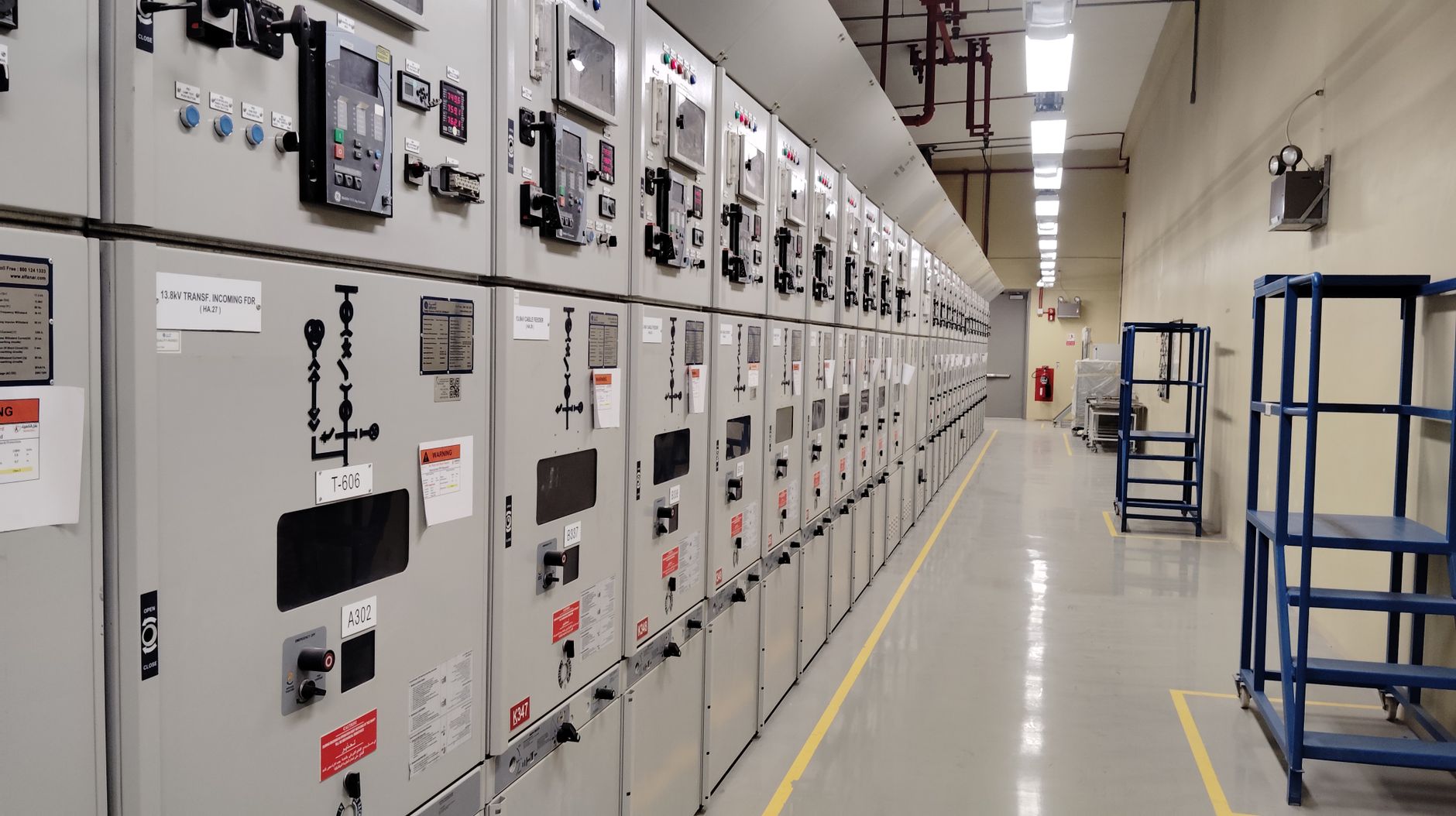
Infrared inspection of electrical equipment is where robots add the most repeatable data. According to TÜV SÜD, the 2023 edition of NFPA 70B makes inspection of all electrical equipment mandatory at least every 12 months. NETA World describes that 12-month maximum as applying regardless of age or manufacturer guidance.
Those intervals are maximums, not a schedule a robot must fill. A robot can take thermal images more often, such as weekly, and compare each lineup against its previous baseline. That trend view can catch a connection that warms over weeks, which a single annual scan may miss.
Load matters. A thermal image taken at light load can look clean while a joint heats up at full load. Record the load at each capture, and keep the thermal survey within the scope your technician and the standard set.
What have robots done in comparable rooms?
Most published work comes from substations and power-distribution settings, not hospital basements. SmartGuard, reported in the Journal of Field Robotics in 2011, patrolled a substation with a visible camera and an infrared thermograph, and its authors report improved inspection efficiency and reliability. A later on-rail system captured infrared and visible images and was compared against a trained thermographer, with the authors reporting satisfactory results.
In 2024, Avangrid, working with Levatas and Boston Dynamics, piloted a quadruped carrying a 30x zoom camera and an infrared camera for substation visual and thermal inspection. It was a pilot, and the date comes from a 2024 news report.
For indoor power distribution rooms, Hangzhou Shenhao's SHIR-3002 is a wheeled, modular robot with thermal imaging, autonomous mapping, and image recognition. As of November 2026, the vendor's listing described those features. They are vendor claims, and we did not verify performance in a hospital.
Which tasks still need a licensed technician?
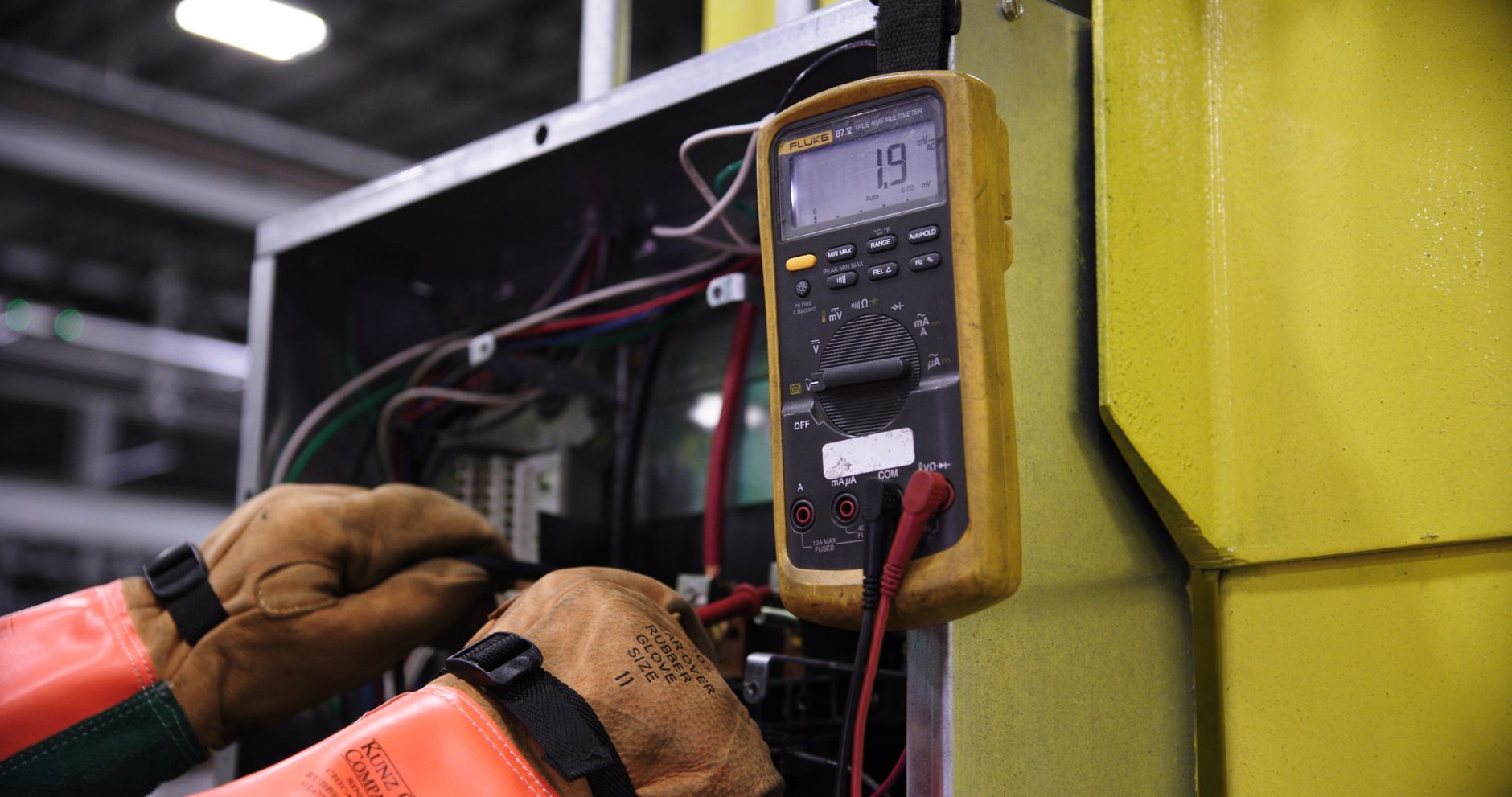
The line is drawn by the work, not the room. Robots handle observation: photographs, thermal captures, readings from visible gauges, and logging. Anything that opens energized equipment, applies or removes load, tests protective devices, changes settings, or judges an anomaly to be a fault should stay with a qualified person.
That boundary is practical, not a legal list. Confirm it with your AHJ and your electrical safety program before the first route. Expect the robot to create work for the technician, not replace them. A flagged hot spot still needs a person to verify it, measure it, and decide the repair.
What should each robot log entry contain?
A log is only useful when a technician can trust it. Each entry should answer the same questions, every time.
- Equipment tag, room, and exact route position at capture
- Timestamp, plus building or generator load at that moment
- Visible photo, thermal image, and gauge reading, each with its own file reference
- Change from the previous baseline for that same point, against a threshold the technician sets
- Escalation flag, and the name of the person who acknowledged it
- Route status (completed, skipped, blocked, or paused) with the reason
Where does a robot lease fit in?
Service Robot Co. is a full-service commercial robot integrator for US businesses. We are OEM-neutral, so we pick the robot for the room across manufacturers, then lease, deploy, integrate, train, and service it through a nationwide US engineer network.
Our offer is a 3-year lease with one fixed payment, quoted after a site assessment that maps the rooms, routes, and charging points. That assessment is where the room questions get answered: which doors and corridors the robot can use, which enclosures have infrared windows, and where a technician must still be present. Robot leasing for business works best when a single route is tested before a wider fleet is committed.
What should you confirm before the first round?
Confirm the adopted editions of NFPA 110 and NFPA 70B with your AHJ. Ask your insurer and electrical contractor which tasks they expect a licensed person to sign off. Then run a shadow period in which the robot logs and a technician repeats the same points, and compare the two records before anyone relies on the robot's output.
Expect the first weeks to expose map gaps, lighting problems in some corners, and enclosure doors the route cannot open. Record those gaps in the log as well, since they tell you what the route still misses.
Frequently asked questions
Want a robot working for you?
Tell us the job and the site. We will recommend the robot, quote the lease, and keep it serviced.
Sources
- Joint Commission standard FAQ (environment of care)
- Minnesota Department of Health generator guidance
- Minnesota State Fire Marshal hotel generator testing
- TÜV SÜD: NFPA 70B 2023 new standard for electrical equipment and infrared testing
- NETA World: Condition-Based Maintenance Using Remote Infrared Camera Systems
- SmartGuard substation inspection robot, Journal of Field Robotics (2011)
- Hangzhou Shenhao SHIR-3002 listing, DirectIndustry
- Avangrid substation inspection pilot, Atalayar