Key takeaways
- Generator and switchgear rounds are scheduled events, and a robot repeats the walk the same way every time.
- Codes set the schedule: weekly generator inspection and monthly load tests appear in the cited documents.
- A robot flags a thermal or visual change; a qualified person decides what it means and what happens next.
- The round is only as useful as its log, its escalation path and its closure record.
- Before any lease, settle the route, flag rules, pause rules and who holds qualification on each asset.
Why do generator and switchgear rooms need regular rounds?
Emergency power in a hospital depends on two rooms that rarely draw attention until something fails. The generator room holds the standby engine with its fuel, controls and batteries. The switchgear room holds the breakers and buses that route power to critical loads. Both need looking at on a fixed schedule, and both are easy to skip when a shift runs short.
The risk sits in what gets missed. A loose connection running hot, a fuel leak, a weak battery or a fault building inside a cubicle often shows signs before it causes a failure. A scheduled round catches those signs, but only if someone walks the room and writes down what they saw.
How often do emergency generators have to be checked?
The schedule comes from codes and state rules. A Minnesota Department of Health document says facilities must inspect emergency generators weekly to meet federal certification and state licensure requirements, citing NFPA 110 Section 8.4.1. That document cites the 2010 edition, so the first job is confirming which edition your state and accreditors enforce.
A District of Columbia fire inspection of a hospital refers to a monthly test under load, at a minimum of 30 percent of nameplate kilowatts, citing NFPA 110 sections 8.4.2 and 8.4.2.3. Vendor material adds rules about load bank testing and run times, but those details were not checked against the standard for this article, so they stay out of the plan.
A robot round does not satisfy either requirement by itself. It adds a repeatable visual and thermal record between the scheduled tests, and the required tests still need trained staff, logs and sign-off.
What can a robot check in a switchgear room?
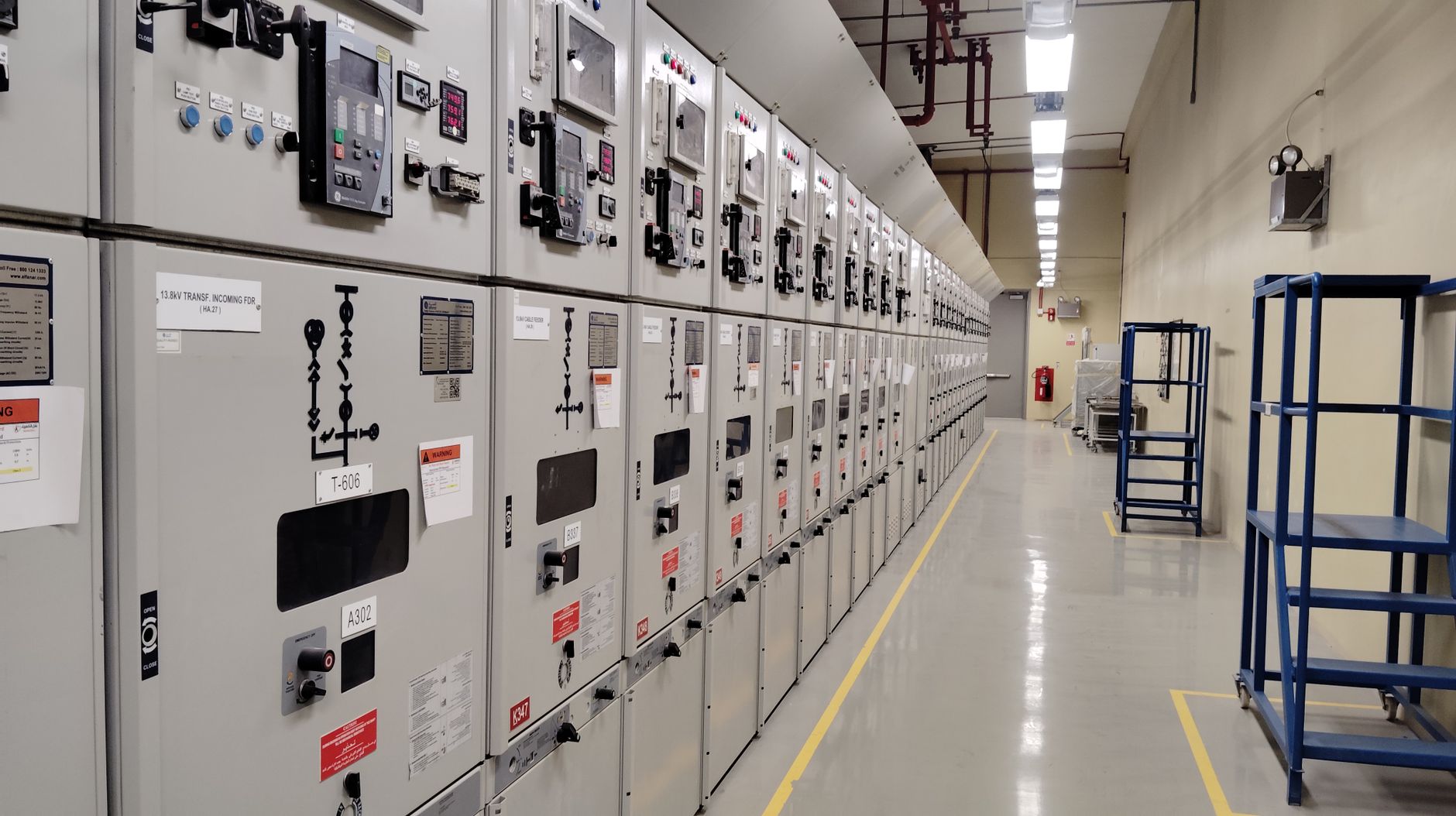
Switchgear is where heat shows first. USPTO patent 11626713 describes robot tooling carrying visual and thermographic sensors for energized switchgear, aimed at detecting hot spots on primary circuits. A patent describes a method, not field results, so treat it as a design reference rather than proof that a given unit performs.
A vendor page describes a related workflow: the robot stops at a medium-voltage cubicle, captures paired thermal and visual frames, and compares phase temperatures against a stored baseline. The method makes sense, and it depends on that baseline being taken under known conditions. Scan-time and coverage claims on vendor pages were not verified here and are left out.
Battery rooms and HVAC are also named in vendor material, but those claims are unverified too. Keep the first route narrow and add checks only after the team has seen the readings in its own room.
What should each round record?
A round is only as useful as its log. Capture the same fields on every pass, so that this month's frame can be set against last month's and against the baseline. Two entries matter most: the acknowledgement and the closure. A flag nobody acknowledges is a missed round with extra steps, and an inspector will ask for the closure record, not the alert.
- Time-stamped visual frames of each cubicle window, panel and generator control display
- Thermal readings tied to a named cubicle and phase, shown beside the baseline value
- Route position and completion, so a skipped room appears in the record rather than disappearing
- Each flag with the reading, the threshold crossed and the person notified
- Acknowledgement and closure, recorded by a named person with the right qualification
Where do licensed staff still make the calls?
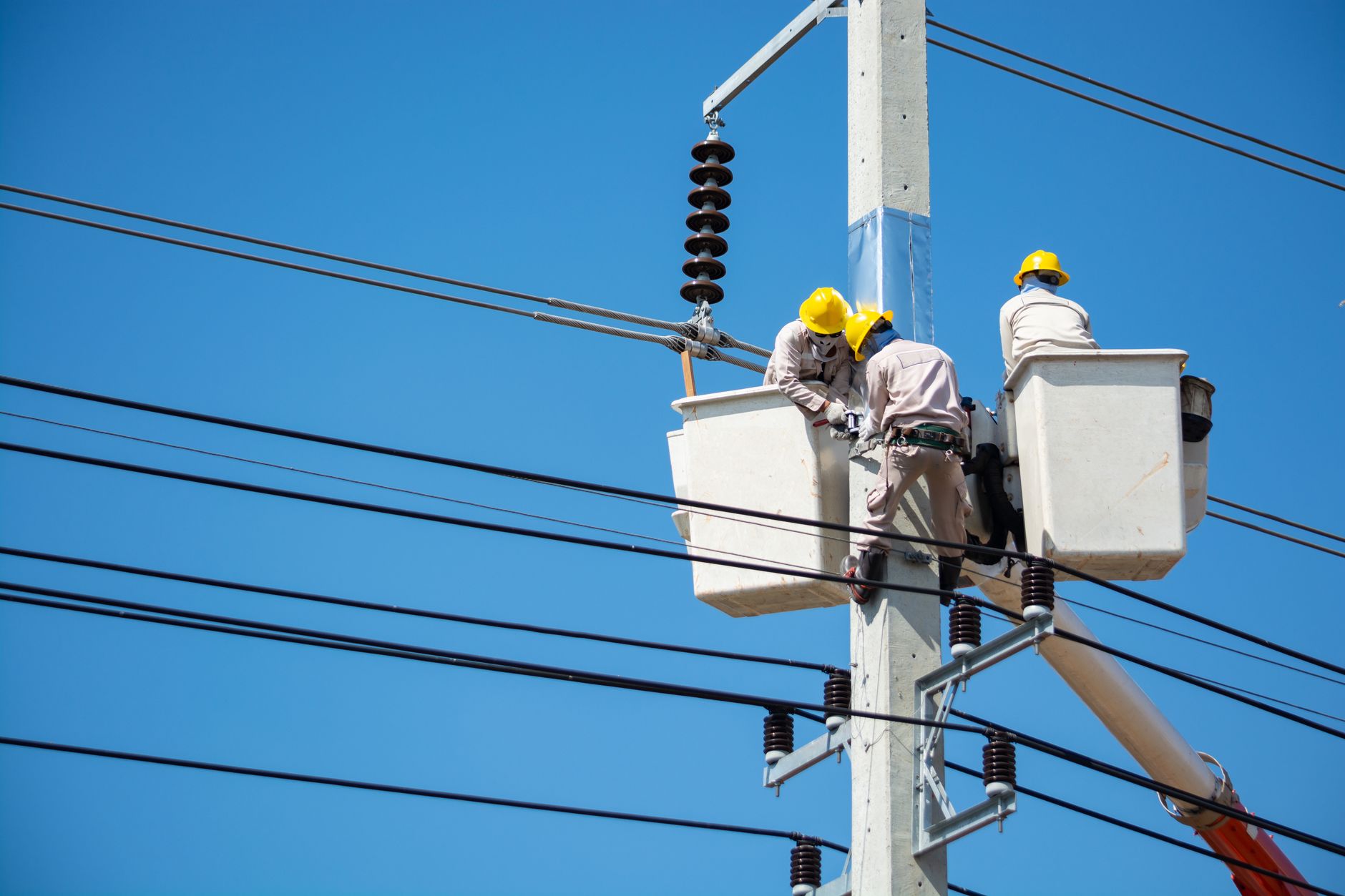
A robot can detect that a reading moved. It cannot judge whether the move is dangerous, and it should never decide that an area is safe to enter. NFPA 70E places that judgment with people. According to an Arizona State University environmental health and safety information sheet, a qualified person is trained in the equipment's construction and operation and trained to recognize its hazards. A license or degree alone does not confer that status, and qualification is specific to the equipment.
When energized parts are exposed, only qualified persons may enter the work area, and the work must be justified and documented on an Energized Electrical Work Permit. A secondary summary of NFPA 70E cites Article 130.2(B) for that rule, and it advises checking against the standard itself. Arc flash PPE is chosen from task tables or an incident energy analysis. There is no NFPA 70E certification, and attending a course does not make anyone qualified.
Energy Robotics, citing an ABB study, reports that most substation switchgear arcing accidents were linked to human factors during installation, maintenance or inspection. That is a strong reason to keep people out of the arc flash boundary when a robot can do the looking. It is not a reason to remove the people who decide.
How should robot rounds fit the existing shift?
The strongest use is the repeatable walk: same route, same timing, same positions. Staff keep the escalation chain. A flagged reading goes to a named person, that person decides whether a qualified electrician or the facilities engineer responds, and the decision goes into the log.
Service Robot Co. is an OEM-neutral integrator. We compare robots across manufacturers for the task, then lease, deploy, integrate, train and service each unit through a nationwide US engineer network. Our offer is a 3-year lease with one fixed payment quoted after a site assessment, so route, access and escalation questions get answered before the number is set.
What should a site assessment settle before a rounds pilot?
Before the first round runs, the facility team should have written answers to five questions. These answers belong in the written scope. A pilot that starts with one short route and supervised runs is easier to judge than one that covers the whole campus on day one.
- Which rooms, doors, stairs and elevators the route crosses, and where a clearance zone around energized gear must hold
- Which readings the robot may flag, who receives each flag, and the response time expected from that person
- What the robot must never do, including entering any area marked for energized work
- Who holds qualified-person status for each piece of equipment on the route
- How paused, skipped or failed rounds are logged and reported to the facility lead
What is still unproven?
The public record on robots in hospital generator and switchgear rooms is thin. The research behind this article turned up mostly vendor pages, and their figures were not verified. No Joint Commission or CMS rounds requirement was confirmed for this topic, so compliance questions belong with state officials and the hospital's accreditation contacts.
Treat the first months as a test of logging, escalation and route reliability. A good pilot shows whether readings are repeatable and whether flags reach a qualified person in time. It does not prove that staff hours disappear, and it should not be sold internally that way.
Frequently asked questions
Want a robot working for you?
Tell us the job and the site. We will recommend the robot, quote the lease, and keep it serviced.
Sources
- Minnesota Department of Health, emergency generator inspection guidance
- District of Columbia Department of Health, hospital fire inspection document
- USPTO patent 11626713
- OxMaint, autonomous substation inspection robots (vendor page)
- Energy Robotics, minimizing risk at substations with robotic inspections
- Arizona State University EHS, NFPA 70E arc flash information sheet
- NFPA 70E qualified worker summary (secondary source)