
Key takeaways
- Irrigation cutdown weeks change turf firmness and growth rate, so fairway robot passes need their own calendar tied to moisture, not play alone.
- A two to three week dry-down before overseed, common on major SoCal courses, is a natural window for extra autonomous fairway passes while heights drop.
- Phased drought plans that step cuts at 10, 20, 30 percent or more mean mowing schedules should lag irrigation changes by a few days, not run on autopilot.
- Autonomous fairway units from several OEMs can mow at night when evaporation is lower, but only when your water window and cart rules allow.
- A vendor-neutral integrator can map zones, finance the fleet, and keep service on one plan while your staff owns greens and tees.
What changes for fairway mowing when irrigation is cut back?
When a water district or internal conservation plan trims irrigation, fairways do not shrink overnight. They firm up, growth slows unevenly, and rough strips that stayed soft may now support a heavier mower. That is the moment superintendents ask whether an autonomous fairway pass still belongs on the calendar.
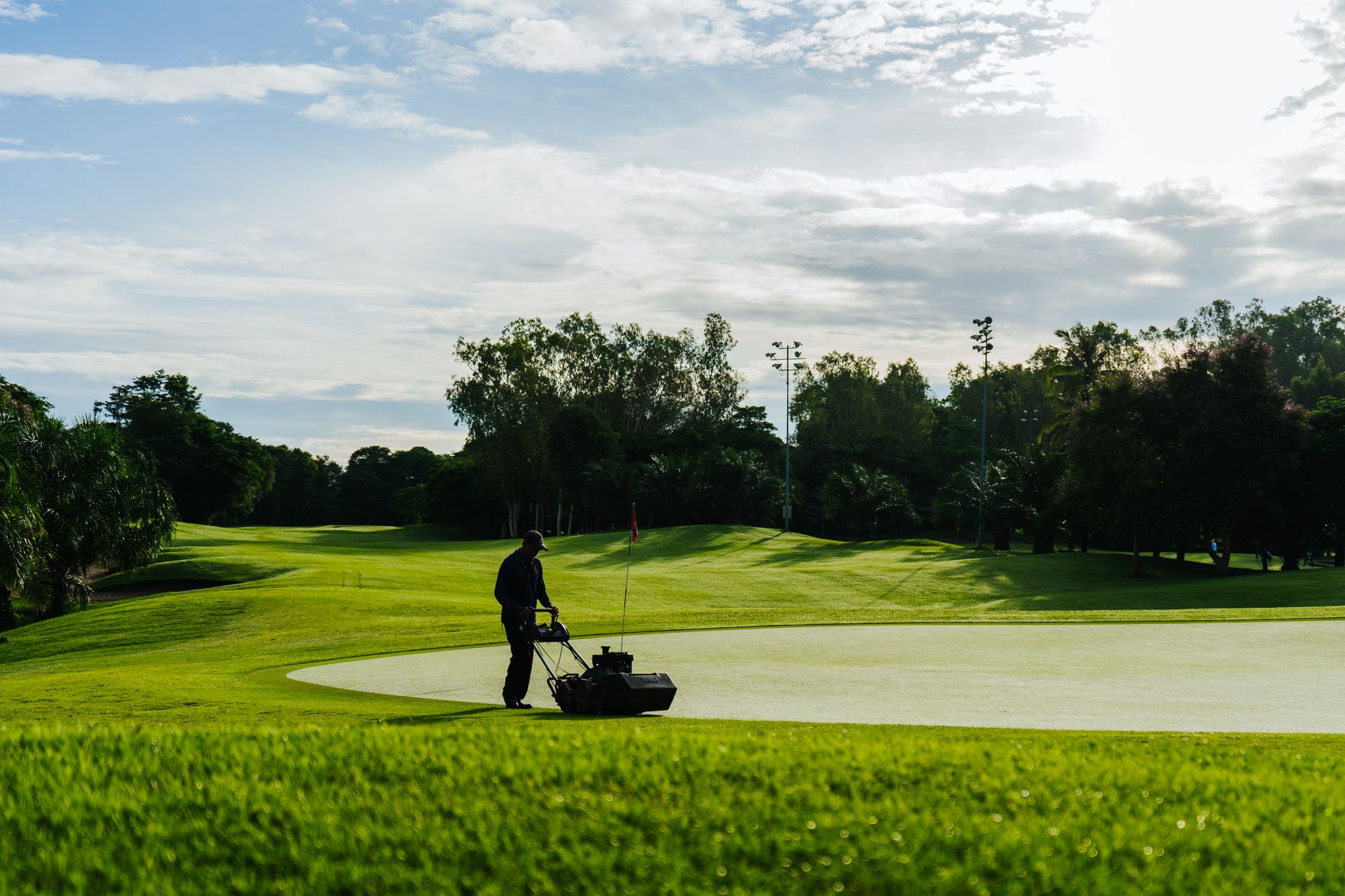
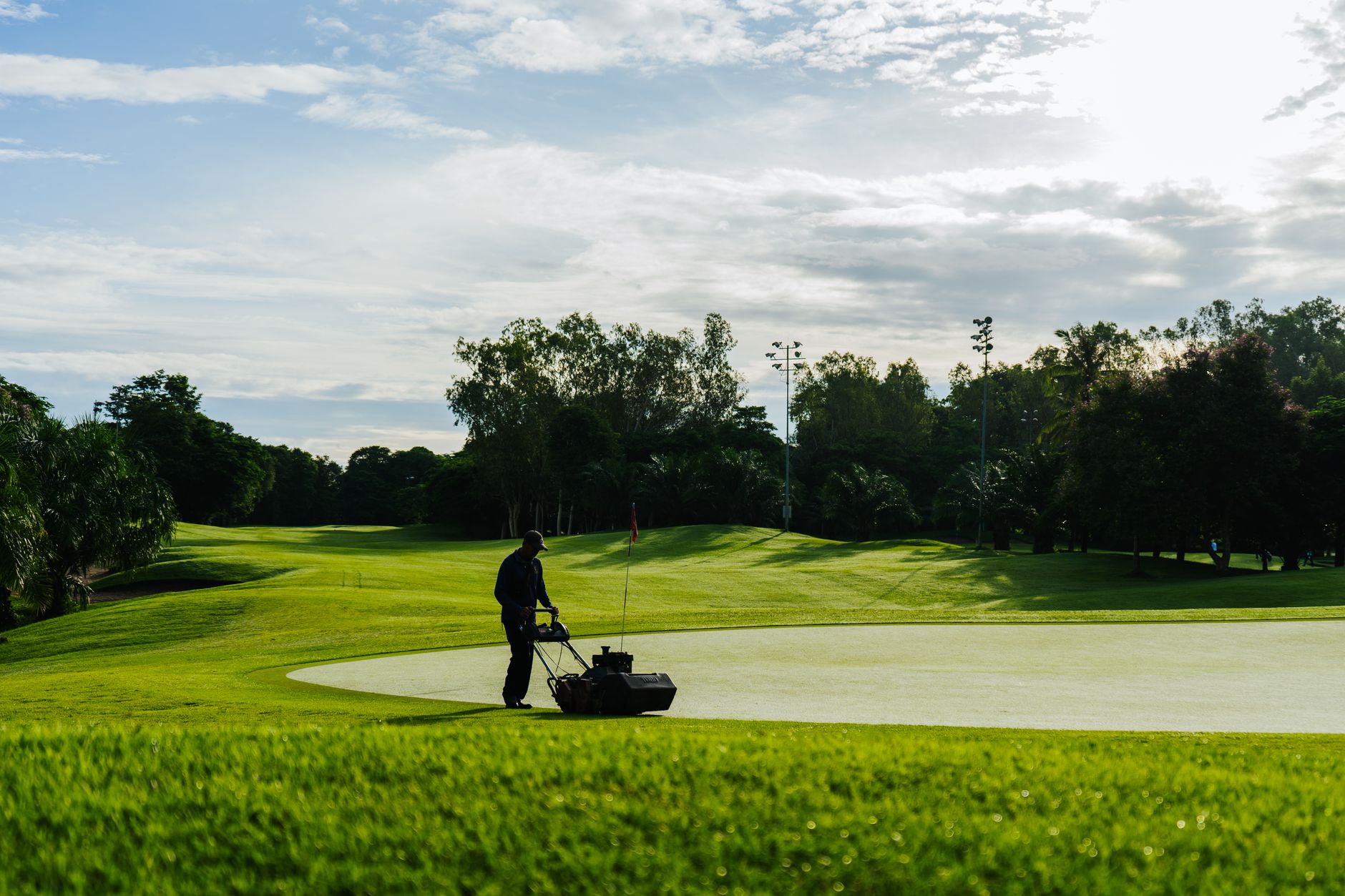
The practical answer is yes, but the timing shifts. Robotic fairway mowing during irrigation cutdown weeks works when passes follow soil moisture and height-of-cut goals, not last month’s tee sheet. Greens and tees stay on your skilled crew. Fairways and selected rough corridors are where a mapped autonomous unit earns hours while staff prep dry-down, verticut, or overseed transitions.
California’s golf industry has long planned for stepped restrictions. Talking points published by the Southern California Golf Association describe phased cutbacks of 10, 20, 30, and 40 percent or greater as drought emergency levels deepen. Each step changes how fast bermudagrass recovers between cuts, so robot routes should be edited when the irrigation clock moves.
How do Southern California dry-down and overseed calendars overlap mowing?
Torrey Pines Golf Course, operated by the City of San Diego, publishes a maintenance calendar that shows how major SoCal facilities think about fall transition. The pre-seeding phase includes drying summer grasses for two to three weeks before overseeding, gradually lowering mowing heights, then scalping fairways and tees while greens stay in play under tighter conditions.
That sequence is exactly where autonomous fairway work fits. While heights trend down and irrigation volume falls, a robot can repeat light passes on mapped fairway corridors without tying up a ride-on operator who is needed on approaches or cleanup. SportsTurf Irrigation notes that many southern courses begin mowing lower and reducing water a few weeks before ryegrass seeding, then shift to light, frequent irrigation only after seed is down.
None of this belongs on greens or tees during cutdown. Keep autonomous units on fairway polygons and agreed rough buffers. Document no-mow zones around freshly wetted seed lines once overseed irrigation windows start, often about ten days on high-profile municipal schedules.
Where do overnight irrigation windows leave room for robots?
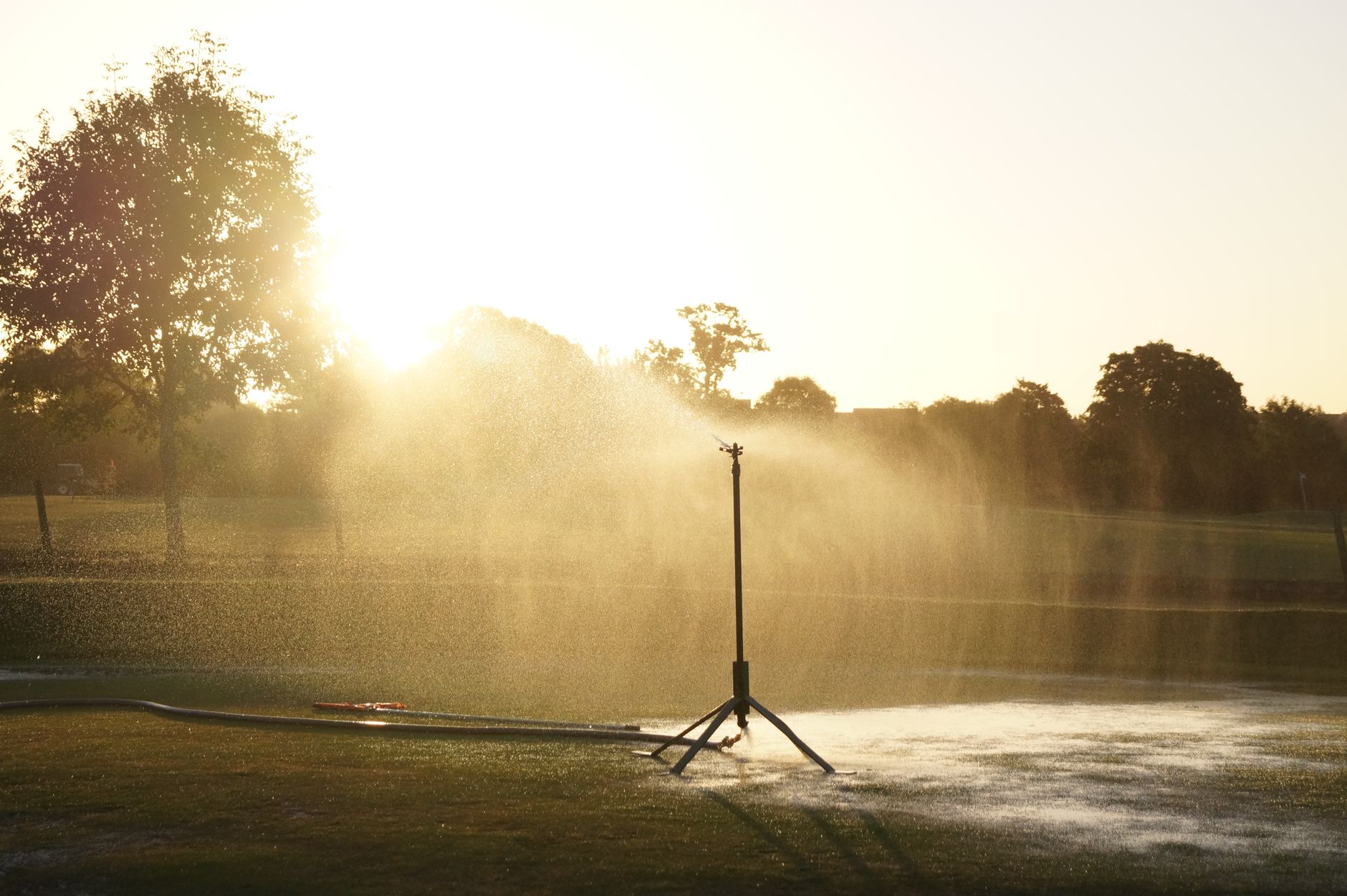
Recent research on hybrid bermudagrass in coastal Southern California compared restricted overnight irrigation windows with on-demand soil-moisture control. Controllers were allowed to run only between 10 p.m. and 6 a.m. on selected nights to limit evaporative loss and wind drift. Fairway robots that mow in the dark align with that philosophy when superintendents want dry foliage at the start of a pass.
The same study reminds us that watering-day caps and true plant need do not always match. If your course is on a three-night-per-week potable schedule during a district mandate, mark those nights on the robot map as soft no-go periods for heavy strips, or delay mowing until midday when dew has burned off and irrigation is finished.
PGA West superintendent Justin Beck told Desert Control in 2025 that trial tees irrigated at 80 percent of evapotranspiration while treated areas used 15 to 30 percent less water still showed playable surfaces. Fairway robots should not chase growth that irrigation has deliberately removed. Lower the weekly pass count when ET replacement drops, even if the machine could physically run every night.
What numbers should shape your cutdown-week plan?
Water math matters to members and councils. Coronado Municipal Golf Course’s irrigation replacement project, reported by Club and Resort Business in 2025, targets about a 20 percent reduction from new hardware alone, with optional turf removal from non-play areas adding another 20 percent savings. El Caballero Country Club in Tarzana earned Metropolitan Water District recognition after saving 28 million gallons in 2023 following hybrid bermuda conversion and ending winter overseed, according to FORE Magazine.
Statewide context from SCGA materials notes golf represents roughly 3.5 percent of California turfgrass and less than 1 percent of fresh water use, while about 33 percent of courses use reclaimed water compared with a 12 percent national average. Those figures do not shrink your local mandate, but they help explain why fairway automation is about labor and timing as much as gallons.
AB 1572, summarized by the Cucamonga Valley Water District, will phase in bans on potable irrigation of non-functional commercial turf starting January 1, 2027. Golf’s functional turf exemption remains, yet every superintendent still faces district budgets. Pairing measured robotic fairway hours with documented moisture readings is easier to defend in a board packet than a fixed weekly ride-on route.
Which autonomous fairway platforms fit mapped water windows?
Several manufacturers now market autonomous fairway mowers with RTK mapping and obstacle sensing. Toro’s GeoLink-equipped eTriFlex 3360 fairway mower, described on Toro’s product page as of 2026, can move between mapped fairways, alert operators by text, and run reel units from roughly 0.25 to 0.75 inch height of cut. FireFly Automatix publishes AMP fairway specs with RTK GPS, LiDAR object detection, and night mowing up to about 6 mph cutting speed on its 100-inch five-reel platform.
FJDynamics markets the RCM01 robotic cylinder mower for fairways with RTK and LiDAR, citing field experience of about three to four fairways per unit at two to three passes per week. Rye Robotics promotes its Boulder F1 for cross-fairway autonomous navigation. Names here are examples, not endorsements. Service Robot Co. remains OEM-neutral: we match machine capability to your moisture plan, then handle lease or purchase paperwork, deployment, and nationwide RoboCare service without claiming factory authorization.
During cutdown weeks, specify slower zones in software where turf is brittle, keep transit paths off freshly irrigated seed beds, and sync charger locations away from active sprinkler arcs. A robot pilot program or month-to-month lease can let you test one fairway loop through a full dry-down before expanding.
How should superintendents sequence crew work versus robot passes?
Start with a one-page irrigation cutdown timeline: percent reduction dates, overseed prep milestones, and cart-path rules. Overlay fairway robot passes as secondary bars that never cross greens or tee maintenance blocks. Handheld moisture checks or soil sensors recommended in California’s golf BMP guides should gate whether a pass runs, even if the fleet dashboard shows green.
University of California Riverside deficit irrigation work on Princess 77 bermudagrass showed plots at 40 percent of reference ET could not match quality at 70 percent replacement. Expect thinner canopies during deep cuts. Drop robot height-of-cut targets slightly and widen skip buffers around stressed collars rather than forcing daily stripes.
When germination irrigation begins after overseed, switch humans back to fairways for spot work and keep robots on rough that is not being seeded, or park them until surfaces firm. Cart-path-only periods during soft ryegrass establishment, described in industry overseed guides, apply to autonomous units as well as member carts.
When does outside help speed a fairway robot rollout?
Mapping, financing, and service are where many courses stall during a stressful water year. Service Robot Co. acts as a single vendor for site assessment, vendor-neutral equipment selection, monthly payment programs where they fit, integration, training, and ongoing dispatch through a US engineer network. That model matters during cutdown weeks because you should not spend superintendent hours negotiating three contracts while dry-down is underway.
Request a free site assessment focused on fairway polygons, charger placement clear of irrigation, and a written pass schedule tied to your district’s phased percentages. If your board wants proof before capital approval, structure a short pilot on one corridor through the next irrigation reduction step, then scale with lease or purchase paths that match fiscal year constraints.
Robots do not replace water budgeting or greens expertise. They absorb repeatable fairway hours so your team can execute irrigation cutdown, overseed prep, and member communication without losing strip quality on the corridors players see from every tee shot.
Frequently asked questions
Sources
- Torrey Pines maintenance calendar (City of San Diego)
- SportsTurf Irrigation overseed overview
- SCGA California water talking points (PDF)
- FORE Magazine El Caballero water award
- Club and Resort Business Coronado irrigation
- Cucamonga Valley Water District AB 1572 summary
- Desert Control PGA West case study
- Toro GeoLink autonomous fairway mower


