Key takeaways
- A floor robot can take scheduled scrubbing passes in one zone while the night worker covers everything else.
- The night lead hands off the zone map, the pass calendar, the pause rules and a list of areas the machine cannot reach.
- Spills, judgment calls and anything near patients stay with a person.
- Hospital pilots report real hours moved, but the ones we found come from larger systems, not rural sites.
- Start with one zone, log every pass, and widen the route only when the log supports it.
Can one floor robot cover a night wing by itself?
Not by itself, and not everything. A floor robot can take scheduled scrubbing passes through one zone of a wing, which is often the task a single night worker has to put off. The person keeps the rest of the wing, the spills and the judgment calls.
The useful question is which zone and which hours. A robot works best on a defined route with a clear start and end time, not as a stand-in for a whole night shift.
Why does floor scrubbing slip first on nights?
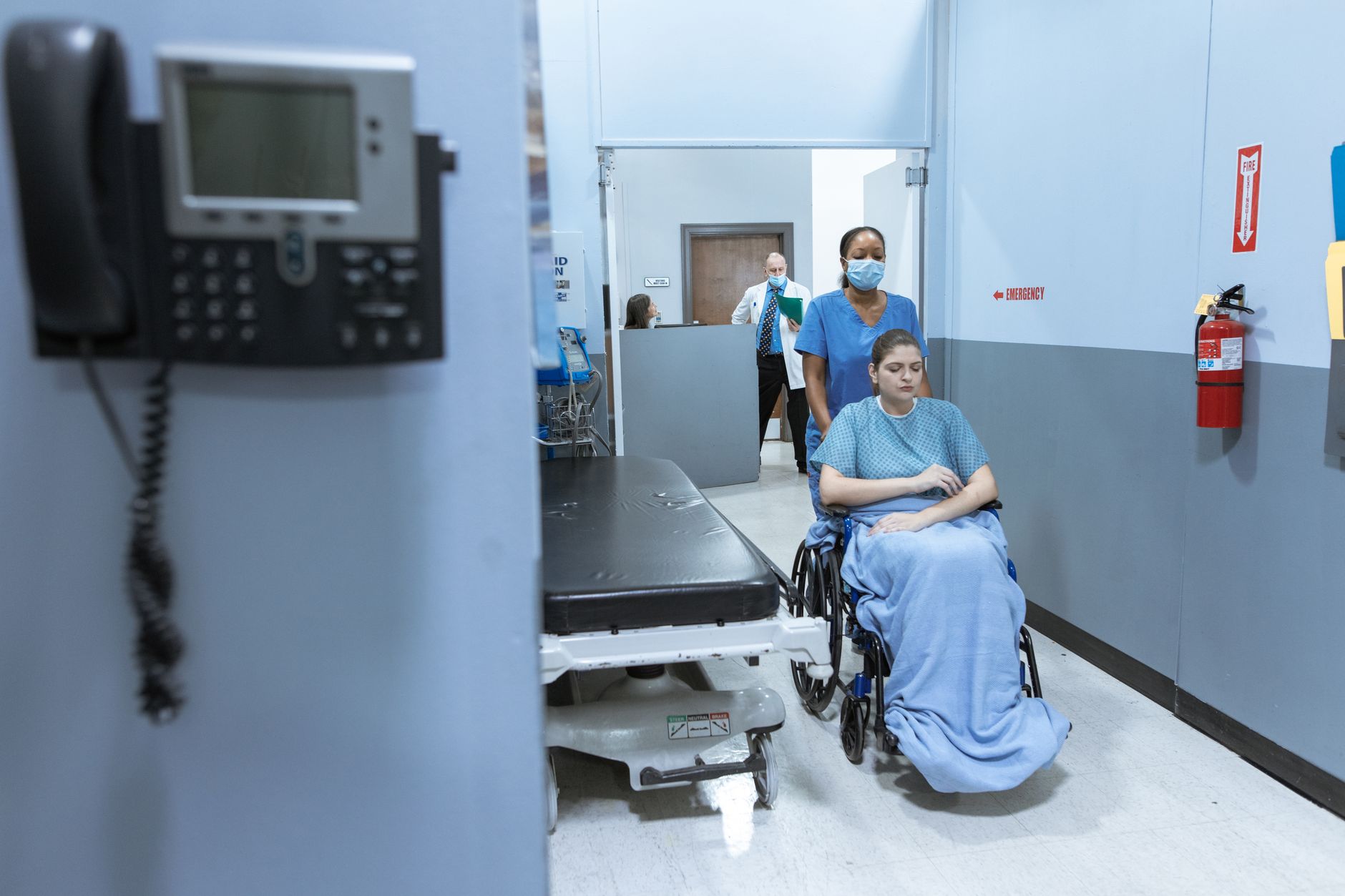
When overnight staffing is thin, floor work is usually the first thing deferred. Upstate IMT at SUNY Upstate is piloting an autonomous scrubber to assist environmental services staff during overnight shifts, and the item notes that floor scrubbing is often the first task postponed in those hours.
At Kettering Health, the environmental services executive director put the output plainly: "We're cleaning thousands of square feet every night autonomously." According to an EVS worker quoted by the system, the machine moves between programmed routes through the shift, and staff continue floor care in the areas it cannot reach.
What can a robot take on in one zone?
According to a Healthcare Facilities Today overview of robotics in healthcare facilities, vendors describe these machines as suited to broad, continuous public space such as corridors, lobbies and large reception areas, not patient rooms. That is the zone a night lead should map first.
At Frederick Health in Maryland, the EVS team cleans an average of 20,000 square feet of floor per day with a Tennant T7AMR robotic scrubber, as reported in Tennant's case study. That figure is vendor-reported, and the case study did not give an hours-saved number, so it tells you the area covered, not the labor saved.
What have hospital pilots actually measured?
A 2021 hospital report from Singapore General Hospital, as summarized on its project page, found that autonomous scrubbers cut manual floor mopping time by 57 percent, from 35 minutes to 15. That is a hospital-side result, reported on its own terms, and it measured mopping time rather than a full night shift.
A 2021 conference abstract from Tin Shui Wai Hospital in Hong Kong reports that 189 man-hours were redeployed to public toilet cleaning after a cleansing robot was introduced. Toilet cleaning on two floors also rose from 6 to 8 times per day.
SoftBank Robotics published a 2023 case study with a top five US hospital network. Two floor technicians had spent more than 8 hours scrubbing and dry mopping a 50,000 square foot area, and the table in that study shows total night manhours falling from 16 to 5 with two scrubbers. That is vendor-reported, so read the EVS lead's comment about reallocating 8 hours as one site's experience.
None of these sites is a rural hospital that we could find. Treat them as direction, not a forecast for a small hospital with one night worker on a wing.
What should the night lead hand off to the robot?

The handoff is a written document, not a conversation at the start of a short shift. Write down what the robot owns and what the person still owns, so the worker is never guessing about the route when the night begins.
- The mapped zone and its boundaries, with doors and closed areas marked
- The pass times, and the order of passes if the zone is split into sections
- Pause rules: when the robot stops for a person, a cart or a wet-floor sign
- Charging location, and what happens when the battery runs low mid-route
- Areas the machine cannot reach, listed by name, which stay with the worker
- Where the run log is kept and who reviews it before morning report
What should stay with the person?
Anything that needs a judgment call stays with the worker. Spills of unknown material, bodily fluids, a floor that looks wrong after a delivery, and any task near a patient all belong to someone who can stop, look and decide.
The robot runs the route it was given. It does not know why a chair sits in the corridor, why a door was propped open, or what happened in the hour before the pass. The worker reads those signals, and the log is where they get written down for the day team.

How should a rural hospital start with one zone?
Pick the single zone where night floor work is most often deferred, and run the robot there for a fixed window. After two or three weeks, compare the worker's hours and the areas left undone against the robot's run log before adding a second zone.
This is where a site assessment comes in. Service Robot Co. leases robots on a three year lease, with one fixed lease payment quoted after a site assessment of your floors, zones and routes. We are OEM neutral, so the machine is matched to the task across manufacturers, and each unit is serviced through a nationwide US engineer network.
Test the handoff list in daylight before the first live night. The goal is to find the door the map missed at a planning table, not at three in the morning.
How do you know the robot is pulling its weight?
Check the run log against the schedule every week, not only at the end of a quarter. Count passes started, passes finished, passes stopped by a pause rule, and any area the route missed.
Then compare the worker's night in plain hours: what got done that used to be deferred, and what still was not. If the same zone is missed twice, change the map or the schedule, not the person.
Frequently asked questions
Want a robot working for you?
Tell us the job and the site. We will recommend the robot, quote the lease, and keep it serviced.
Sources
- Upstate IMT, SUNY Upstate: autonomous scrubber pilot for overnight EVS
- Kettering Health: autonomous machines support EVS teams
- Singapore General Hospital: autonomous robotics to enhance daily manual tasks (project page)
- Tin Shui Wai Hospital: application of cleansing robot, 2021 abstract
- SoftBank Robotics S50 Pro healthcare case study, 2023
- Tennant case study: Frederick Health Hospital with T7AMR
- Healthcare Facilities Today: use case for robotics in healthcare facilities