Key takeaways
- Finish the main floor pass before the first patient arrives, then hold the lobby through the check-in rush.
- Schedule by zone: the lobby and check-in lane need different hours than back corridors and storage halls.
- Early check-in is common, so a fixed start time can put a robot in the waiting room.
- Set quiet hours from your own sound test, not from vendor noise claims.
- Pause on any patient transfer, spill or queue at the door, and name who restarts the machine.
When should a floor robot run in a clinic?
In most outpatient clinics, the floor robot should finish its main pass before the first patient walks in, then stay out of the lobby and check-in lane until the morning rush thins. The strongest window is the quiet stretch before the doors open, followed by a short run in the midday lull. The sections below explain how to fit that shape to your building and your staff.
The reason is arrival behavior. A 2023 study by Cerruti and colleagues, covering about 410,000 visits to private clinics in Milan and published in BMC Health Services Research, found that most patients checked in early, and the authors said early check-in can crowd waiting areas. Morning hours also showed the weakest punctuality. A robot still scrubbing the waiting room at 7:45 is in the way of the patients the clinic is trying to seat.
A single start time for the whole building is the wrong unit. Schedule by zone, because the lobby, the clinical corridor and the storage hall carry different traffic and different risk.
When does the morning peak actually land?
Timing data is thinner than most managers expect. An ambulatory-care article from Relias Media, which is undated, says most patients arrive between 7 a.m. and 10 a.m., with a second peak after lunch that runs to about 3 p.m. Treat that as a hypothesis for your own building, then confirm it with two weeks of check-in counts before you lock a start time.
Staff perception can also mislead. A single-site oncology clinic study published in Cureus in 2019 found that staff perceived slower morning throughput, yet transit-time data showed no significant difference between morning and afternoon. A schedule built on complaints alone may move the robot for the wrong reason.
How should zones be ranked?
Rank zones first by how much patient movement they carry and how costly a spill or a slip would be, then by how dirty they get. Vendor material generally positions these machines for public corridors and lobbies rather than patient rooms, and that boundary is a sensible one to adopt.
- Back corridors and storage halls: run first in the pre-open window, since nothing waits on them.
- Entry vestibule and lobby: finish before the first arrivals, then hold until the midday lull.
- Exam-wing corridors: run in the midday lull, after the morning rooming wave has passed.
- Check-in lane and waiting seats: no robot passes during the rush. Staff handle spills by hand while patients are seated.
What quiet hours should the schedule respect?
Noise is a clinic problem in a way it rarely is in a warehouse, because sound carries down corridors into exam rooms and across the check-in counter. One vendor blog says its night-cleaning benchmarks target noise under 65 dB for patient rest, and that one model runs as low as 68 dB(A) in standard modes. Those are vendor-reported figures, not independent measurements.
Test the machine yourself. Run one full route in your own corridor, measure at the points where patients and staff actually stand, and set quiet hours from that result. A generic hour copied from another site tells you very little about your walls and your floors.
When should the robot pause?
A clock-based schedule is not enough. Pause on events, and write those events down before go-live. Typical triggers include:
Name who can restart the machine and what must be true before it moves again, usually a clear route and a staff sign-off. Confirm emergency-stop and obstacle behavior with the manufacturer or your integrator before the first live pass, not after it.
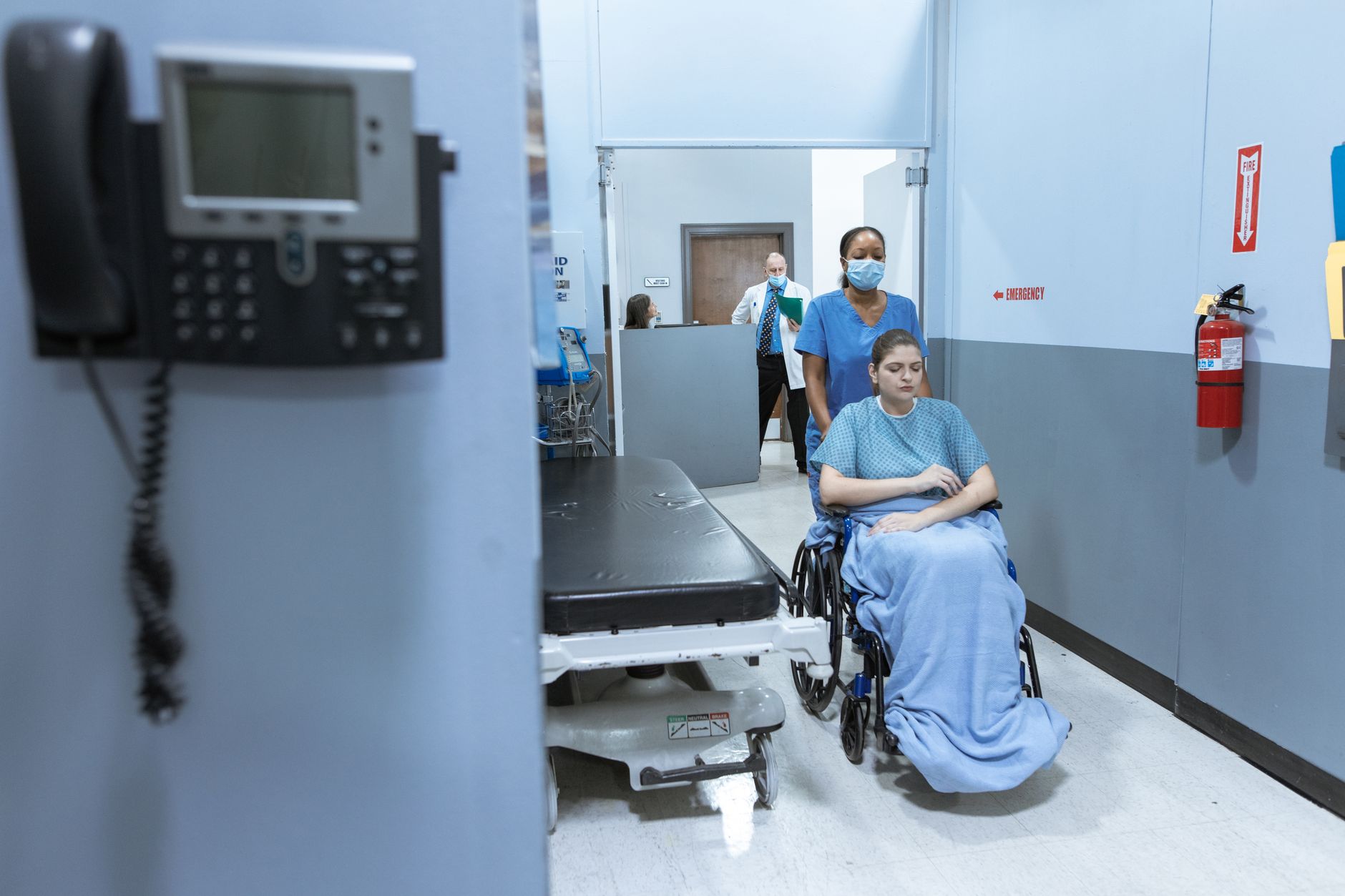
- A wheelchair, stretcher or patient transfer crossing the route.
- Any spill or fluid that needs staff attention first.
- A check-in queue that reaches the entrance door.
- A fire alarm or emergency code, which stops the machine and clears the route.
- A staff hold called from the controller or dashboard.
How do you test the schedule before go-live?
Start with one zone and one shift. Upstate University Hospital's Institute of Medical Technology in Syracuse reported a March 2026 pilot of an Avidbots autonomous scrubber, model Kas, to support environmental services staff on night shifts, when scrubbing is often pushed back. The report gave no outcome figures, so read it as a pilot record, not as a result.
Log three things for two weeks: check-in counts by quarter hour, every pause with its cause, and whether the zone was clean when the first patient arrived. Those logs turn a guess about morning traffic into a schedule you can defend to a practice administrator.
Where does a lease and site assessment fit?
Service Robot Co. leases floor robots to US businesses on a 3-year lease, quoted as one fixed payment after a site assessment. For a clinic, that assessment is where zones, routes, quiet-hour tests and pause rules get written down before any pass runs. We are OEM-neutral, so we select the machine for the floor, then deploy, integrate, train and service it through a nationwide US engineer network.
That gives a clinic one accountable partner for overnight floor care, commercial cleaning robot leasing and the go-live support that follows. Our robot lease options are built around the hours your building actually runs, not around a template schedule.
What about infection control claims?
Vendor material argues that mechanized scrubbing reduces organic soil in corridors and lobbies. We did not find independent evidence that robot cleaning lowers infection rates in clinics, so treat that as an unproven claim. Keep the cleaning protocol your infection-prevention team sets, and use the robot to carry the routine load.
Camera-equipped robots and cloud connectivity also raise privacy questions. Review HIPAA obligations with counsel before a robot maps a patient-facing floor.
Frequently asked questions
Want a robot working for you?
Tell us the job and the site. We will recommend the robot, quote the lease, and keep it serviced.
Sources
- Cerruti et al., BMC Health Services Research (2023), Springer
- Cerruti et al., BMC Health Services Research (2023), PubMed Central copy
- Relias Media, ambulatory care patient queue article (undated)
- Cureus, oncology clinic quality improvement study (2019)
- Upstate University Hospital Institute of Medical Technology, March 2026 pilot news
- OrionStar vendor blog, night-cleaning robot noise claims