
Key takeaways
- Patrol robots extend observation across docks, trailer rows, waste areas, and restricted entrances, but they do not replace required inspections or accountable personnel.
- The most useful chain-of-custody record joins robot observations with seal, shipment, badge, door, and receiving events on a common clock.
- Thermal sensing is best treated as an anomaly detector whose alerts require confirmation, not as proof of product temperature or intent.
- Any robot data used as a required regulated record needs risk-based controls for validation, access, audit trails, retention, retrieval, and change management.
Where does a patrol robot fit on a regulated site?
A security robot can give a pharmaceutical receiving yard repeatable mobile observation across loading docks, parked trailers, pharmaceutical waste areas, and restricted entrances. Its job is to detect defined exceptions, preserve useful evidence, and summon an authorized person. It should supplement guards, cameras, access controls, seals, and receiving procedures, not stand in for them.
That distinction matters. FDA rules require incoming components, drug product containers, and closures to be visually examined for labeling, damage, broken seals, and contamination before acceptance. They must remain quarantined until the appropriate examination or testing is complete and they are released. A robot may document an arriving trailer or damaged exterior, but trained receiving staff still own the required disposition.
The strongest use case is therefore controlled persistence. An autonomous patrol robot follows approved routes, revisits blind corners, observes dwell around sensitive assets, and creates time-linked alerts. Human security and quality personnel retain authority for access decisions, shipment acceptance, investigations, and regulatory reporting.
Which yard zones deserve repeatable robotic patrols?
Begin with the flow of custody, not with the size of the property. Trace an inbound load from gate arrival through trailer staging, dock assignment, seal verification, unloading, quarantine, and final handoff. Then trace returns, rejected goods, controlled-substance shipments, and pharmaceutical waste in the opposite direction.
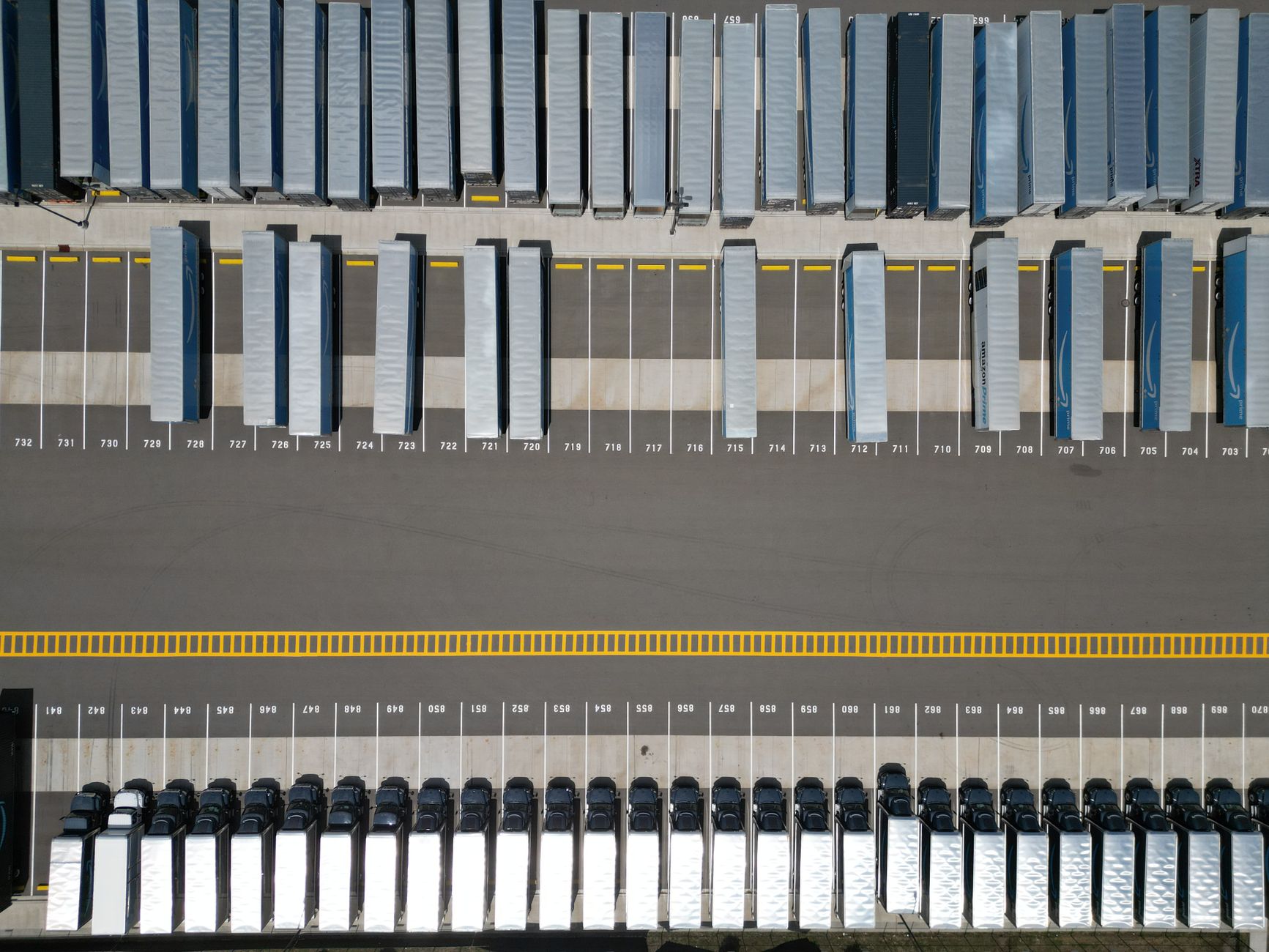
A route should concentrate on places where custody can become ambiguous. Trailer rows conceal door activity. Dock aprons mix employees, drivers, contractors, and powered equipment. Waste enclosures may contain valuable returns or regulated material. Restricted employee entrances often sit beyond the natural sightline of the gatehouse.
The route also needs operational boundaries. Geofenced exclusions should protect dock plates, active trailer approaches, emergency lanes, hazardous-material work, and any space where a moving robot could complicate an incident. Patrol timing should respond to shift changes, scheduled arrivals, yard congestion, and active unloading instead of following one rigid loop.
- Gate queue: unrecognized vehicles, tailgating, prolonged dwell, and approach to the wrong lane
- Trailer staging: open or displaced doors, unexpected human presence, seal-area activity, and movement outside the dispatch plan
- Dock face: activity at an unassigned bay, a door opening outside its authorized window, and unattended freight
- Waste and returns areas: entry outside scheduled pickups, container displacement, spills, smoke, and heat anomalies
- Restricted entrances: badge denial followed by lingering, door propping, forced-entry indicators, and after-hours access
How should chain-of-custody events be recorded?
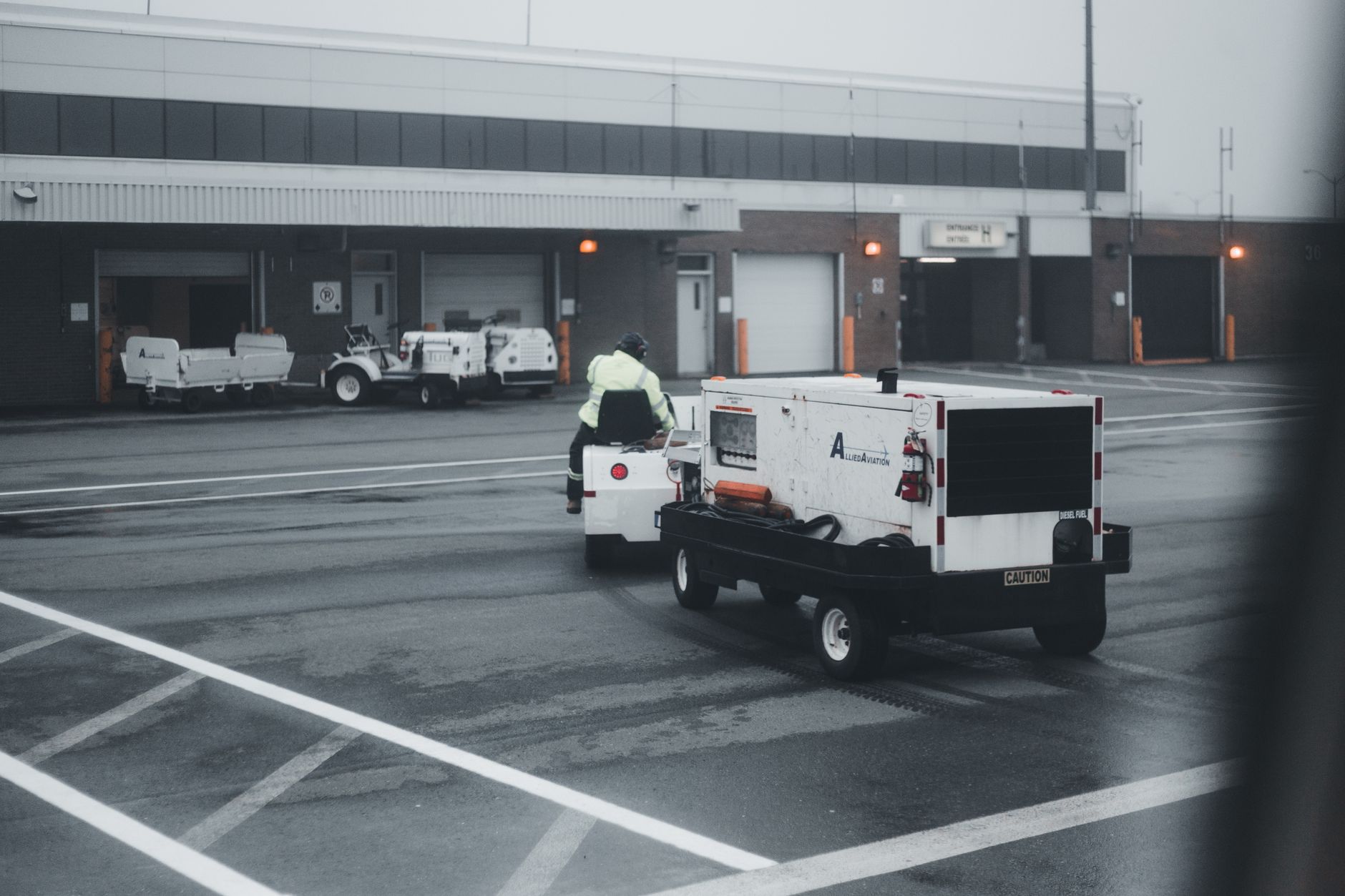
A useful record is a sequence, not an isolated video clip. For an inbound shipment, the sequence may include gate arrival, driver verification, trailer identifier, seal observation, dock assignment, badge authorization, door opening, unloading start, discrepancy report, quarantine transfer, and receiving sign-off. The robot contributes observations to that timeline without pretending to certify events it cannot verify.
The FDA says the Drug Supply Chain Security Act is intended to support interoperable electronic tracing of certain prescription drugs at the package level. It also says a trading partner must notify the agency within 24 hours after determining that a product is illegitimate. Yard evidence can help an investigation establish when and where custody may have been disturbed, but it does not replace product-tracing data or the responsible trading partner's determination.
Controlled substances demand still tighter escalation. Federal rules require effective controls against theft and diversion. For regulated non-practitioners, theft or significant loss must be reported to the appropriate DEA field office in writing within one business day after discovery, followed by a complete and accurate DEA Form 106 within 45 calendar days. Fast access to synchronized gate, badge, dock, and patrol records can materially improve that response.
Returns and waste need their own custody design. EPA states that covered healthcare facilities shipping potentially creditable hazardous waste pharmaceuticals must retain delivery confirmation. A reverse distributor must evaluate such material within 30 calendar days after arrival to decide its next destination. A patrol record can corroborate pickup and handoff, but the required shipping and delivery records remain primary.
What can thermal sensing detect around docks and trailers?
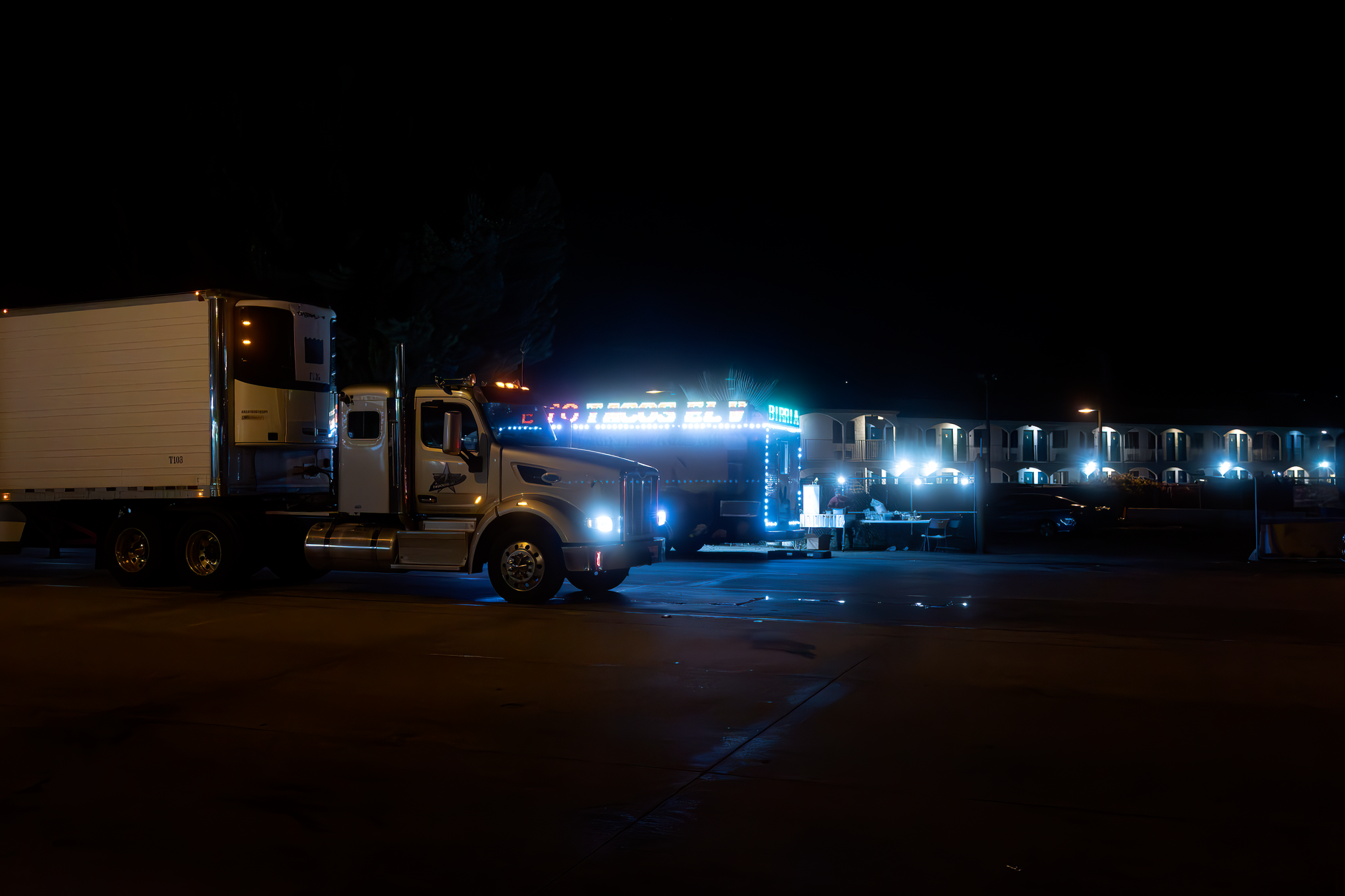
Thermal sensing gives a mobile patrol another way to notice contrast in darkness or poor visible lighting. It can flag a person between trailers, heat near a waste container, a warm electrical enclosure, or an unusual temperature pattern around parked equipment. NIST identifies infrared imaging as a common technology for safety, security, surveillance, and intelligence gathering, including outdoor security applications.
Treat those findings as anomalies, not diagnoses. Sun-heated metal, vehicle exhaust, reflective surfaces, rain, fog, viewing angle, distance, and seasonal temperature swings can change the image. The system should compare like conditions, preserve the visible and thermal context, and route the alert to a person who can confirm what happened.
Thermal payloads should not be represented as proof that pharmaceutical cargo remained within its labeled storage range unless the complete measurement process has been qualified for that intended use. A security patrol view of a trailer exterior is not the same as calibrated product-temperature monitoring inside validated packaging.
Human temperature screening is a separate regulated use. FDA warns that environmental conditions, positioning, and improper operation can produce inaccurate readings. A yard patrol's people-detection function should remain distinct from any medical screening program unless the site deploys suitable devices and procedures for that purpose.
How should robots integrate with badge and door systems?
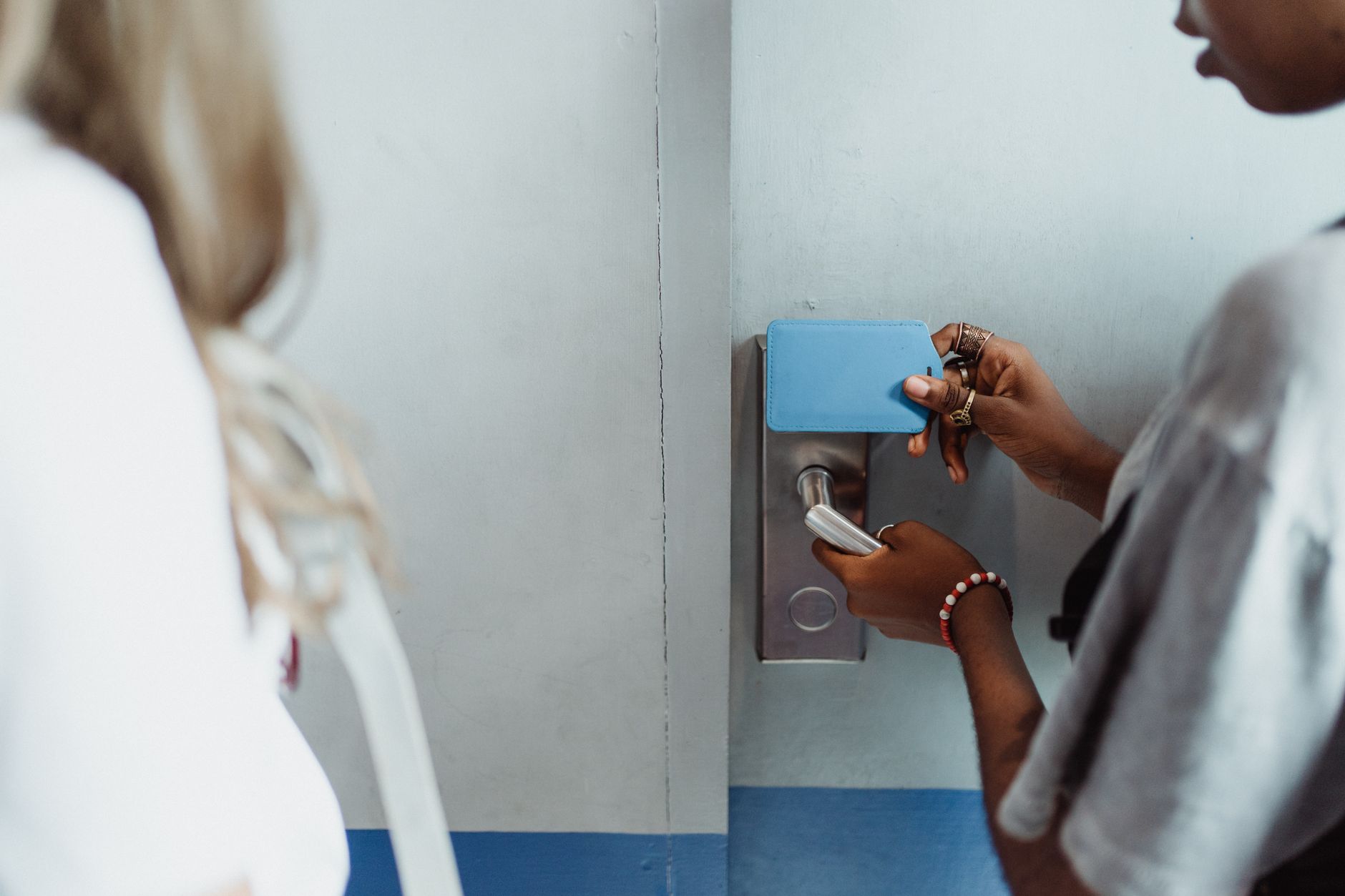
The safest starting architecture is usually read-only event correlation. The access-control system remains authoritative for identity and permission, while the robot receives narrowly scoped events such as access granted, access denied, door forced, or door held. It then moves to an approved observation point or asks an operator to review nearby video.
Do not let a general patrol workflow become an undocumented door controller. Any command that can unlock a restricted entrance needs explicit authorization logic, network segregation, accountable user identity, fail-safe behavior, and formal change control. For many pharmaceutical yards, keeping unlock authority with the existing badge system and trained personnel is the cleaner boundary.
Common time is essential. NIST advises synchronizing each system's clock to a common source so timestamps match across logs. Without that discipline, a denied badge swipe can appear to occur after the robot's video, weakening reconstruction of a tailgating or forced-entry event.
Integration testing should cover granted and denied badges, propped doors, expired credentials, offline panels, delayed messages, duplicate events, and loss of robot connectivity. The test must confirm that access control continues safely even when the robot, its network segment, or its fleet service is unavailable.
What makes an incident record defensible?
A validated incident record needs more than a timestamped clip. It should preserve the event source, robot identity, route or location, synchronized time, sensor context, alert rule, operator actions, exports, annotations, disposition, and any later correction. Original evidence should remain intact while reviewers work from controlled copies or linked case records.
FDA's data-integrity guidance defines an audit trail as a secure, computer-generated, time-stamped record that can reconstruct the creation, modification, or deletion of an electronic record. The guidance also expects data to be complete, consistent, accurate, attributable, legible, contemporaneously recorded, and original or a true copy.
Not every patrol video is automatically a CGMP record. The site's quality unit, security leadership, legal counsel, and information technology team should classify each intended use. If robot data become a required electronic record or support a regulated quality decision, 21 CFR Part 11 may apply. Closed systems covered by Section 11.10 require validation, accurate and complete copies, authorized access, record protection, and secure time-stamped audit trails retained as long as the subject records.
CISA recommends centralizing logs, protecting them from unauthorized access or deletion, and retaining them according to policy and compliance needs. Apply those principles through role-based access, encryption, monitored exports, retention rules, backup checks, and documented review. An attractive dashboard is not evidence that the underlying record is complete.
How should a pharmaceutical yard pilot be tested?
A robot pilot program should prove defined security and recordkeeping functions under real yard conditions. Start with a free site assessment and site assessment mapping that includes traffic flow, lighting, weather exposure, wireless coverage, charging, restricted zones, camera privacy, and the ownership of every alert.
Exercise the system with controlled scenarios: a person lingering between trailers, an unexpected door opening, a rejected badge followed by tailgating, a displaced waste container, lost connectivity, a missed route segment, and an attempted record alteration. Measure detection, nuisance alerts, operator response, route completion, timestamp alignment, evidence retrieval, and safe recovery.
Service Robot Co. acts as an OEM-neutral vendor neutral robot integrator for US businesses. That matters because a pharmaceutical receiving yard may need a different mobility platform, sensor package, and environmental rating than another site. The company can select across manufacturers, arrange a commercial robot demo, finance the deployment, integrate systems, train staff, and support go-live through one accountable vendor.
Procurement labels such as security patrol robot leasing, autonomous patrol robot, service robot leasing, commercial robot leasing describe commercial structures, not acceptance criteria. The decision should rest on demonstrated route access, alert quality, cyber controls, record fitness, staff response, maintainability, and performance in the site's actual weather and traffic.
Operating the patrol after go-live
Patrolling robots need named owners. Security should own response playbooks and daily operation. Quality should govern any use tied to regulated decisions. Information technology should manage identity, network boundaries, patches, logs, and backups. Facilities should control routes, charging locations, barriers, and changes to the physical yard.
Change control is easy to underestimate. A relocated waste cage, new trailer pattern, badge-system update, camera replacement, or altered alert rule can invalidate assumptions established during testing. The site should assess each change, repeat affected tests, update procedures, and train the people who receive or investigate alerts.
Lifecycle support is especially important across multiple facilities. Service Robot Co. provides robot deployment and integration, remote triage, on-site dispatch, training, financing, and robot maintenance service plan options through a nationwide US engineer network. One partner and one number can reduce the gap between the robot vendor, access-control contractor, network team, and local maintenance provider.
The final operating model should preserve human judgment. Robots watch consistently and gather context. Authorized people decide when to stop unloading, secure a trailer, isolate material, contact law enforcement, notify regulators, or open a quality investigation. That division of labor keeps the technology useful and the accountability unmistakable.
Frequently asked questions
Sources
- FDA Drug Supply Chain Security Act
- eCFR 21 CFR 211.82 Receiving Rules
- eCFR 21 CFR 11.10 Electronic Records
- DEA Controlled Substance Security Regulations
- EPA Hazardous Waste Pharmaceuticals FAQ
- FDA Drug CGMP Data Integrity Guidance
- NIST Guide to Computer Security Log Management
- CISA Logging and Monitoring Guidance