Key takeaways
- Hand open, mostly flat turf to a robot mower and keep crew hours on work a mower cannot finish.
- Clear leaf drifts and wet buildup before any robot pass, and schedule leaf removal as crew work.
- Robot snow work fits flat paving best, so drifts, curbs and entry banks stay with the shovel crew.
- Detail work such as trimming, edging and clippings cleanup absorbs open hours and protects visible quality.
- Plan shoulder weeks property by property, then adjust each week from logged crew hours.
How do you keep crews busy in shoulder weeks?
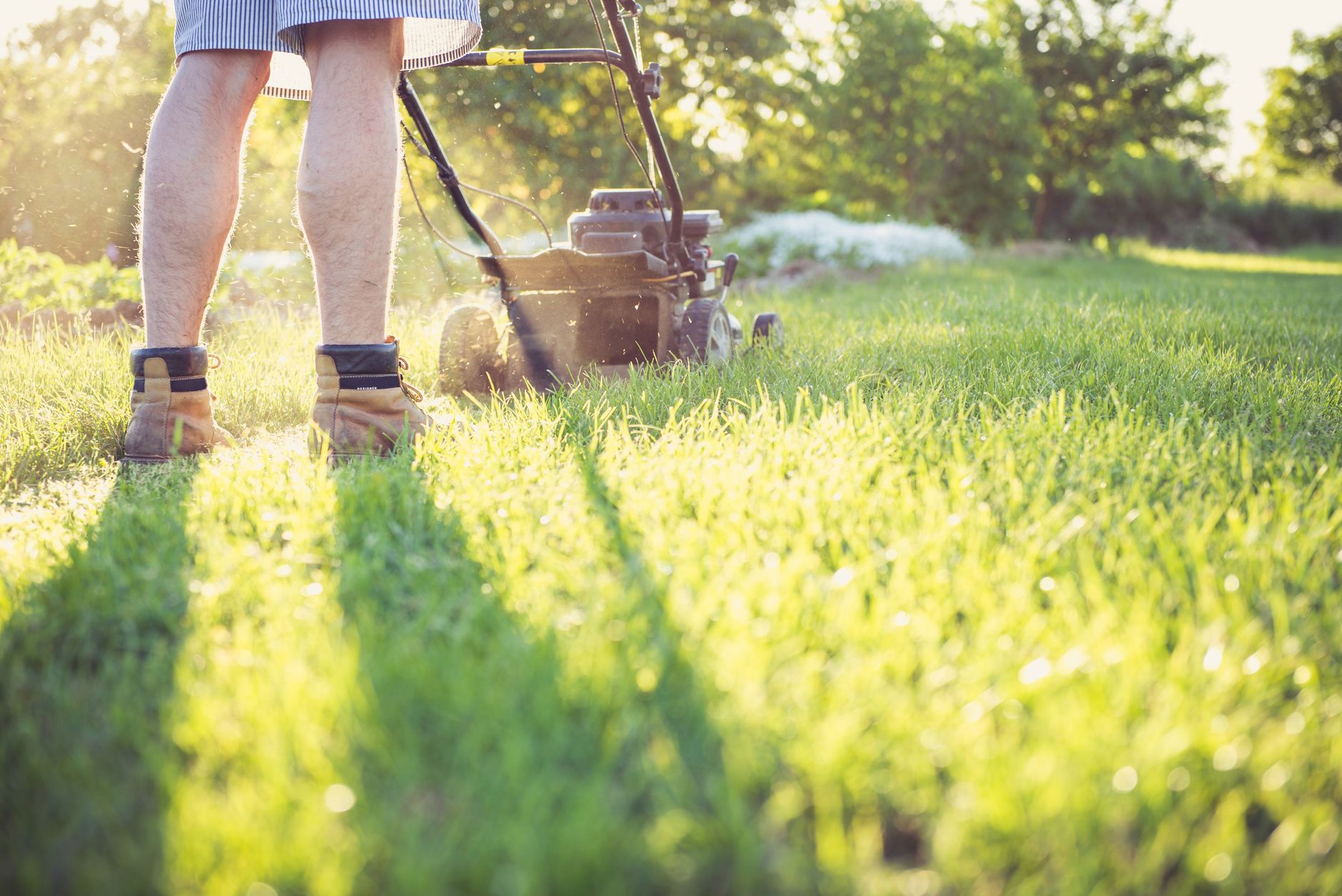
A short northern season packs most of the mowing into a few months, and then the calendar thins out fast. The weeks on either side of peak are where crew hours drift away, or get spent on work that a machine could have handled. The fix is a clean split: hand open turf to a robot mower, and point crew hours at leaf cleanup, snow tasks and detail work that a robot cannot finish.
This piece walks through that split task by task. It covers what the research supports, where robots stop, and how to write a weekly plan that keeps people on the schedule between peak mowing months.
Why do shoulder weeks drain crew hours?
Most contractors are planning for more work, not less. In Aspire's 2026 Commercial Landscape Industry Report, produced with Thrive Analytics from more than 1,000 commercial landscaping professionals, 42% of respondents expected a stronger 2026 market than 2025, and 38% expected about the same, according to Turf Magazine's summary.
Growth plans raise the stakes on every hour a crew already has. A separate Aspire survey, fielded from December 23, 2025 to January 19, 2026, found 59% of contractors plan to grow revenue in 2026. Turf also reports that 47% of commercial landscapers prioritize margin improvement, and idle hours in the shoulder weeks cut straight into that goal.
Aspire's public summaries in this research did not include crew hour or labor hour shortage figures. Pull those from the full report and from your own timecards before you set a target.
Which open turf should the robot mow first?
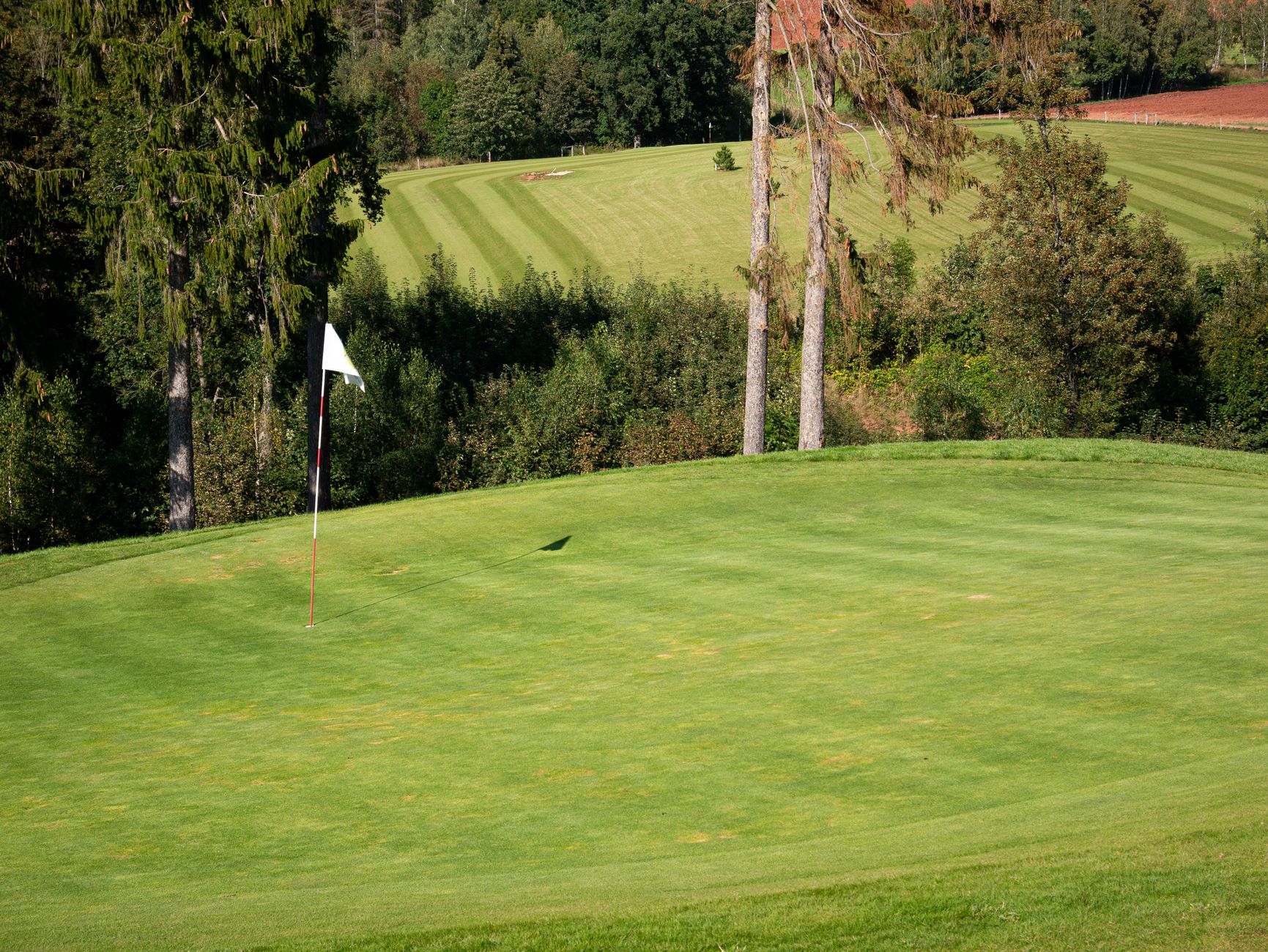
Open, mostly flat lawn with clean edges is the best first zone for a robot mower. Long runs between buildings, lawn islands on gentle grades, and turf free of heavy debris give the machine its easiest work. Keep leaf-heavy areas and wet pockets out of the first pass.
Consumer guidance points the same way. A Sunseeker robot mower FAQ says thick, wet or heavy leaf buildup should be cleared before mowing. Run the leaf clear first, then release the robot onto clean turf.
Where does leaf cleanup stay with the crew?
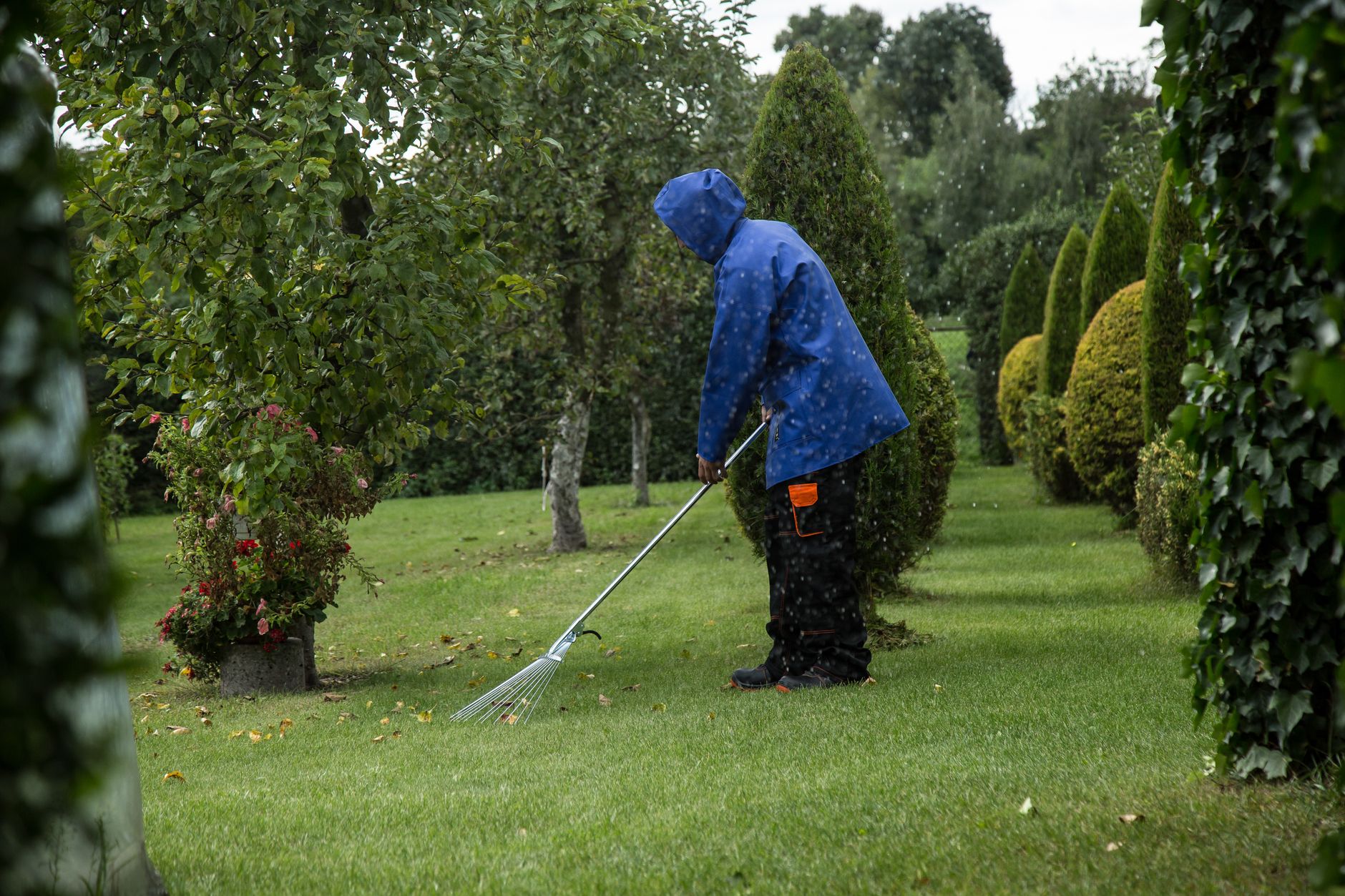
Leaf work is the clearest case for hands on labor. Grounds Guys, a lawn care company, states on its blog that robots cannot handle seasonal cleanups such as leaf removal, and that hands on work is still needed for full lawn and bed care.
Treat that as the baseline. The robot keeps turf cut once the leaves are gone, but it does not clear them. Schedule leaf drops as crew days, and let the mower follow the crew rather than lead it.
Can one robot also take snow work?
Some machines are marketed for several seasons. Inside Hook describes a robot that mows lawns, rakes leaves and shovels snow. Left Hand Robotics' RT-1000 is described in a farm publication as a mower and snow sweeper gaining use in commercial groundskeeping. That publication's date was not verified in this research pass, and as of November 2026 its claims should be checked against the maker's current spec sheet.
Snow is a narrower fit. SuperDroid Robots describes robot snow removal mostly for flat surfaces such as driveways and walkways. Drifts against curbs, banks at entries and stairs remain crew work, so plan robot snow passes on flat paving and keep the shovel crew on everything else.

What detail work fills the rest of the calendar?
Detail work is the flexible reserve. Trimming and edging around beds, cleaning clippings off walks and drives, pulling weeds from mulch and hand work at entries are the jobs a mower leaves behind. These tasks are what clients see up close, and they keep quality visible after the big mowing days are over.
Keep a written, prioritized detail list for each property. A crew can then pick up the next item the moment a mower pass finishes or a weather window closes, instead of standing by.
How do you write the shoulder week plan?
Build the plan property by property before the first weather turn, then review it each week against logged hours. The routine below keeps the split clear for crew leads.
- Map each property into open turf for the robot, leaf zones for the crew, flat paving for snow passes and a detail list.
- Release the robot onto open turf only after the leaf clear is finished.
- Schedule leaf crews on heavy drop days, not on days the robot runs.
- Keep one snow crew lane on flat paving where robot passes are approved.
- Log crew hours by task each week, then move the reserve block that runs short.
Where does a leased robot fit this plan?
Service Robot Co. leases commercial robots through financing, on a three year lease with one fixed lease payment quoted after a site assessment. We choose the robot for your turf, deploy and integrate it, train your crew, and service every unit under RoboCare, our service plan, backed by regional service engineers in each state we cover.
Many teams start with one leased unit on the open turf that fills the shoulder weeks. A phased rollout lets the crew log show whether another zone is worth adding, so robot lease options can be weighed against hours you measured rather than a guess.
How do you keep people on the schedule through the gap?
Crew members stay engaged when the work has a shape. Give each person a named task block for the shoulder weeks, a clear reason the block matters, and a visible route into the peak season.
Hiring is hard enough that losing a trained hand during a quiet stretch is an expensive way to save a few hours.
Frequently asked questions
Want a robot working for you?
Tell us the job and the site. We will recommend the robot, quote the lease, and keep it serviced.
Sources
- Aspire 2026 Commercial Landscape Industry Report
- Turf Magazine: Aspire's 2026 Commercial Landscape Industry Report
- Barchart: New Aspire software data shows commercial landscape contractors focus on client retention
- Farm publication: Left Hand Robotics RT-1000
- Sunseeker: Can robot mowers cope with leaves
- Grounds Guys: Are robot lawn mowers worth it
- SuperDroid Robots: Lawn and snow robots
- Inside Hook: This robot mows lawns, rakes leaves and shovels snow