Key takeaways
- For most convention hotels today, full banquet resets are still human-led work, not a clean robot handoff.
- Robots fit best on repetitive back-of-house transport around banquet operations, not on chair, table, and staging changes inside the room.
- Demand spikes, freight-elevator congestion, and short turn windows can erase the economics of a service robot rental that looks good on paper.
- The right test is workflow fit, not novelty. If the robot cannot move the same path, payload, and timing every shift, the case weakens fast.
What is the real answer for convention hotels?
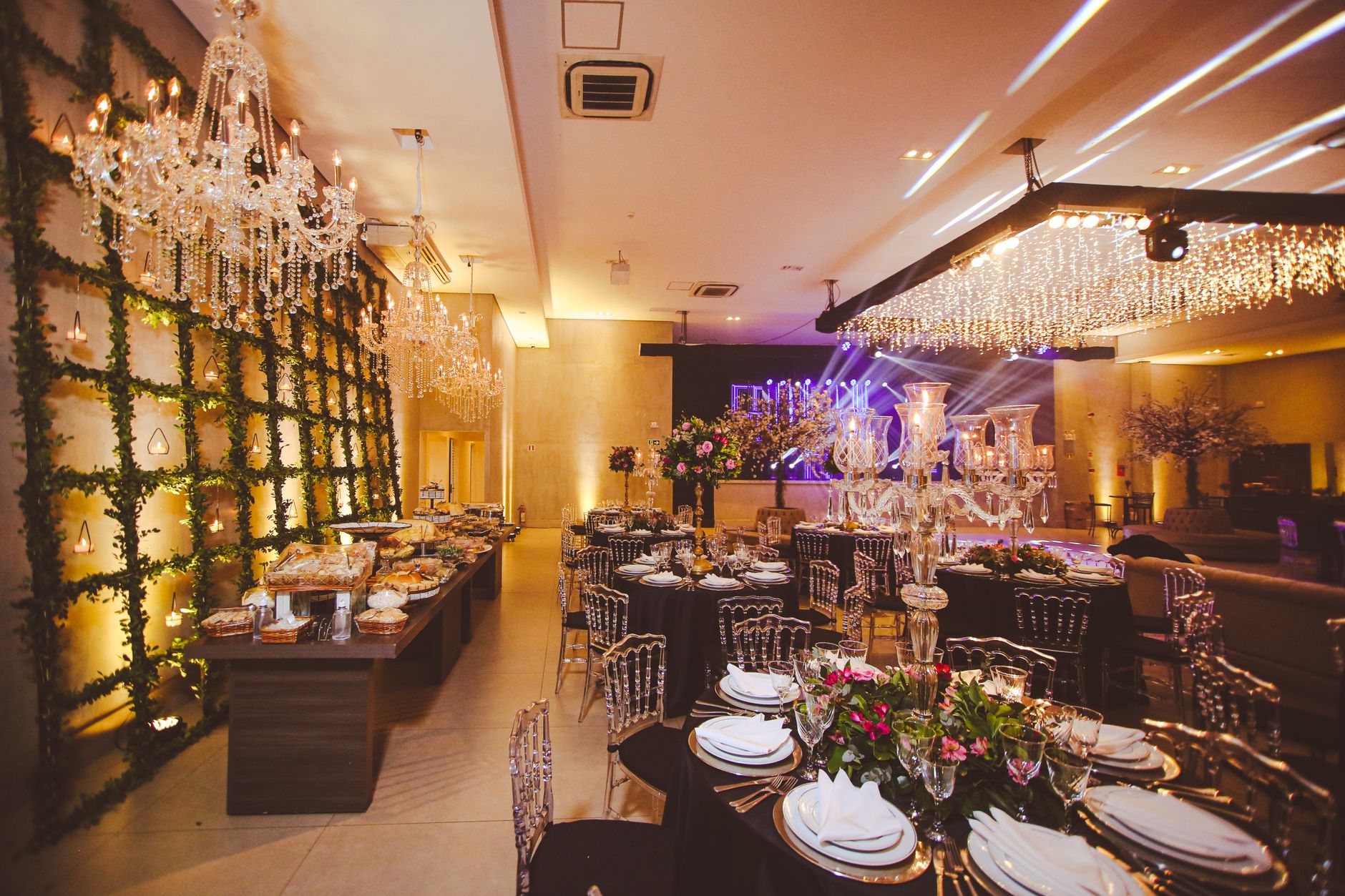
Usually, no. A convention hotel robot should not be the primary handler for banquet resets if the task means breaking down rounds, moving chairs, reconfiguring staging, and rebuilding a ballroom on a tight clock. That workflow is still better served by people, carts, and supervisors who can improvise when the room set changes at the last minute.
That does not mean robots are out of the picture. It means the fit is narrower. Robots can help around banquet operations when the work is repetitive, route-based, and physically separated from the most chaotic part of the reset. Think linen shuttles, boxed amenity runs, trash or supplies moved in back corridors, and other internal transport that behaves more like an autonomous mobile robot rental route than a live event flip.
The economics hinge on variance. If your convention hotel runs a stable pattern of back-of-house transport every day, a hotel delivery robot rental or service robot rental can make sense. If your banquet team faces changing furniture diagrams, crowded freight elevators, and ninety minutes to turn a ballroom from keynote to dinner, human crews still win on adaptability.
- Best robot fit: repetitive internal transport before or after the reset
- Weak robot fit: furniture breakdown, chair stacking, table placement, linen dressing, staging changes
- Red-flag condition: the route, payload, timing, and elevator access change every event block
Why do banquet resets break so many automation assumptions?
Convention hotels are not normal hotels with a larger ballroom attached. They are volatile operating systems. According to the U.S. Travel Association, meetings and business events generated $126 billion in U.S. spending in 2024, and group travel supports more than 3 million jobs. That scale matters because it creates burst demand, not smooth demand.
The same source notes that business travelers make up only about 20 percent of travel volume but account for up to 60 percent of lodging and air revenue. In other words, the group side of the house is disproportionately valuable. When a convention hotel protects banquet timelines, it is protecting some of its most important revenue.
Current demand data also points the same way. U.S. Travel says RFP volume in group travel reached 109 percent of 2019 levels, and Cvent reported more than $18 billion in global sourcing and RFP activity through its platforms in 2024. Busy calendars are good news for hotels, but they also make operational misses more expensive.
How tight are the operating conditions inside a convention hotel?
Very tight. Large U.S. convention hotels routinely market event footprints that behave more like mini venues than simple banquet departments. Hilton lists convention properties with 150,000 to more than 300,000 square feet of event space, with individual hotels showing dozens of meeting rooms and ballrooms that seat into the thousands.
That scale multiplies distance, handoffs, and interference. A robot that works well in one corridor can fail the moment freight elevators are occupied, service hallways fill with racks and carts, or a planner changes room order. The problem is not autonomy in the abstract. The problem is that banquet resets are less like warehouse loops and more like live production.
Cvent notes that each event hosted at a hotel gets its own banquet event order, and multi-day affairs may involve multiple BEOs delivered only a few days before the event. That matters because banquet setup is document-driven and change-prone. A workflow that keeps moving underneath you is hard to automate economically.
Where do people and carts still beat robots cleanly?
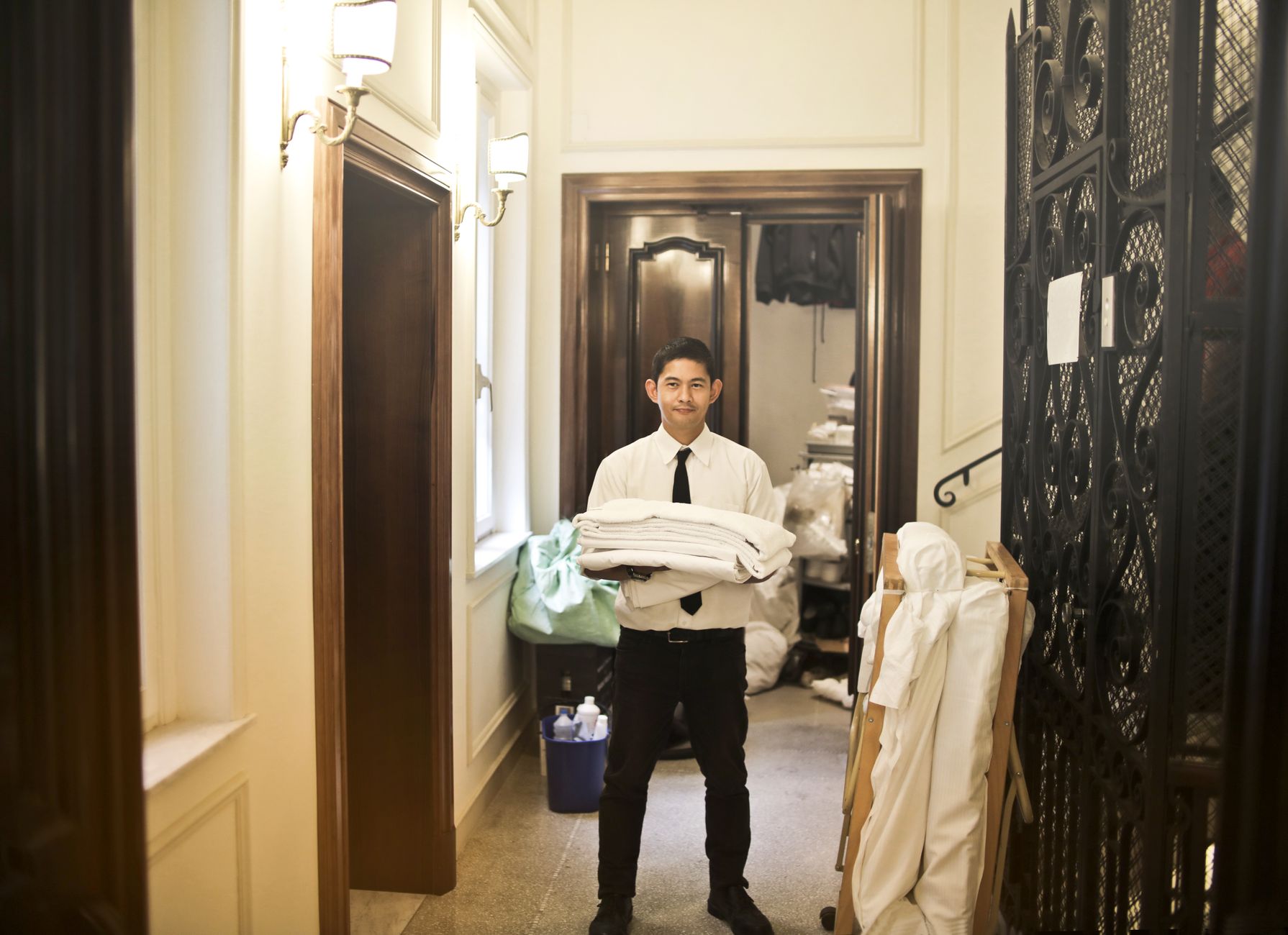
Furniture manipulation is the biggest wall. Banquet crews do not just move objects from A to B. They sort by room diagram, stack to safe heights, stage equipment in the next-use order, protect finishes, dodge guests and AV crews, and absorb last-minute asks from convention services. That is skilled improvisation, not simple repetitive transport automation.
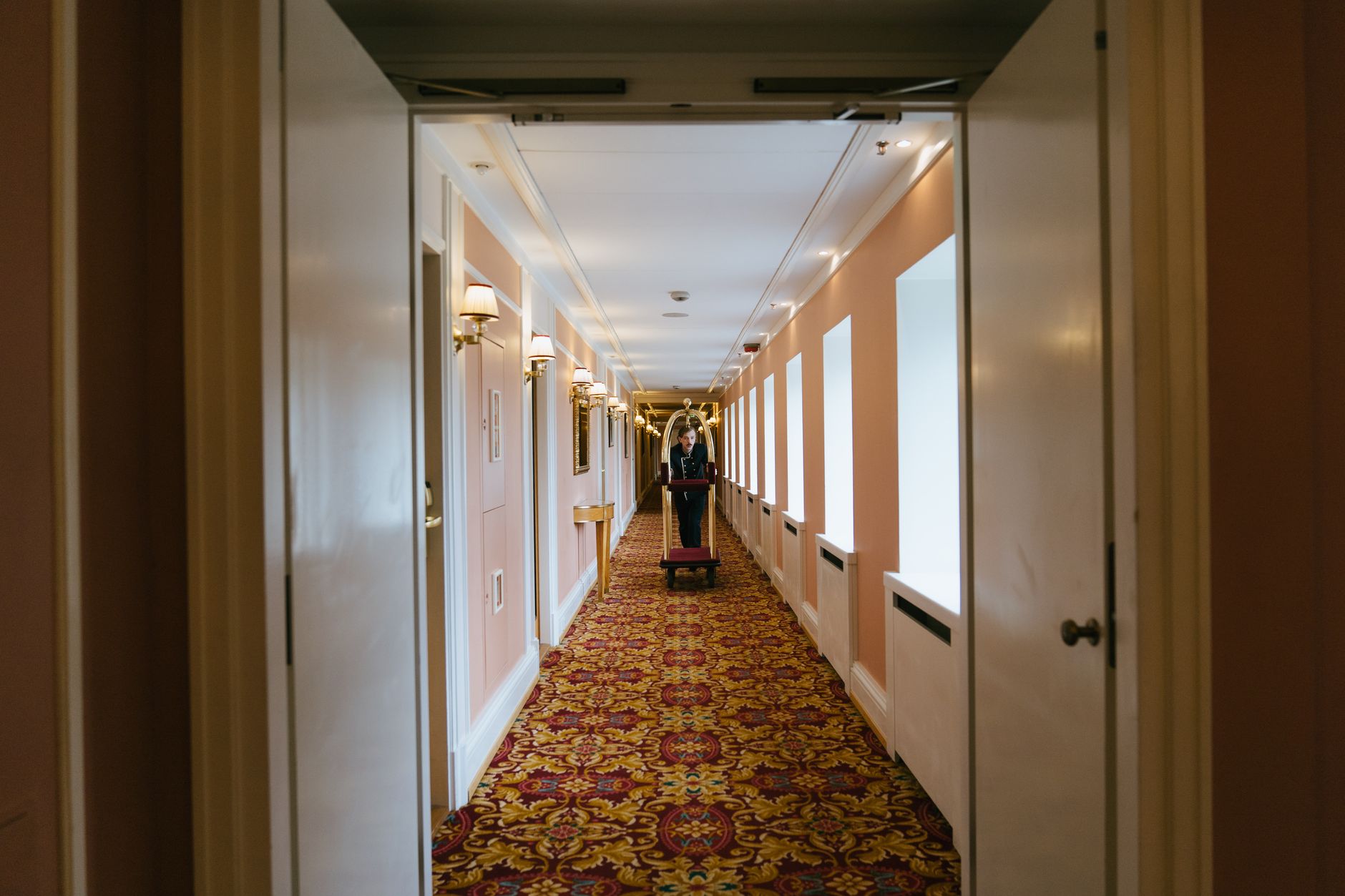
People and carts also recover better from congestion. When one freight elevator is tied up, a supervisor can reroute labor, split loads, stage temporarily, or pull from another closet. Most current service robot rental programs struggle when the environment changes faster than the map, and banquet resets change minute by minute during peak turnover.
The labor itself is demanding, which is one reason teams look at automation in the first place. OSHA flags pushing and pulling heavy carts, awkward postures, and lifting as musculoskeletal risk factors, and specifically recommends rolling carts that can handle gaps between elevators and hallways. That guidance is useful here. In banquet resets, the cart is still a remarkably flexible tool.
Where can robots help without getting in the way?
The strongest fit is support work that stays outside the densest reset zone. A robot as a service program can be useful when the payload is standardized, the route is stable, and the handoff points are controlled. In a convention hotel, that can include boxed collateral, water, linen bins, amenity restocks, and other predictable runs between storage, service corridors, and staging rooms.
This is where a hotel delivery robot rental or autonomous mobile robot rental can complement the banquet crew instead of trying to replace it. The crew keeps the room flip. The robot handles repetitive walking. That can free supervisors and setup staff for the parts of the job that still require judgment and speed.
The same logic applies if you are already evaluating broader service robot rental models, robot leasing for business, or monthly payment programs. The test is simple: keep the robot on narrow, repeatable moves with low exception rates. The moment you ask it to interpret a ballroom reset the way a lead houseman does, you are asking too much of the machine and too little of the workflow design.
- Back-of-house supply shuttles between storage and service pantries
- Scheduled linen or boxed-item runs during low-congestion windows
- Night or early-morning transport that avoids guest traffic and freight peaks
- Delivery tasks that can tolerate a brief retry without risking event readiness
When does the math start to work?
Not when the robot looks impressive in a demo. The math starts to work when utilization is high and exceptions are low. If the machine runs the same path across many days, touches multiple departments, and avoids the most crowded elevator windows, the case gets stronger. If it sits idle between event peaks, the case weakens quickly.
Labor pressure is real. The Bureau of Labor Statistics projects about 351,300 openings for janitors and building cleaners each year on average from 2024 to 2034, largely from replacement needs. BLS also projects about 15,500 openings per year for meeting, convention, and event planners. Hotels are operating in a labor market where support roles and event roles both remain busy, but that does not automatically make every banquet task a robot task.
A more honest framing is substitution versus support. A banquet reset robot rarely substitutes one-for-one for a crew. A better use case is targeted support that reduces walking, protects staff from the worst transport strain, and extends output during surge days. That is a narrower claim, but it is usually the truthful one.
How should a hotel test this without buying the wrong thing?
Start with a workflow fit test, not a hardware search. Map one week of banquet operations at the level of elevator waits, corridor conflicts, payload types, handoff points, and exception frequency. If the route, load, and timing are inconsistent, no amount of robot branding will fix the mismatch.
Then isolate a single transport lane. This is where commercial robot rental, robot rental monthly, or no long term contract structures can help because the hotel can test a narrow use case before committing to lease rental or sale. You are not proving that robots can help the hotel. You are proving that one robot can survive one workflow reliably under live conditions.
Service Robot Co. is useful in this kind of evaluation because the question is not which manufacturer you already like. It is whether any machine actually fits the job. As an OEM-neutral commercial robot integrator for U.S. businesses, Service Robot Co. can assess the workflow, pick the right robots across manufacturers, and handle robot deployment and integration, training, financing, and service through one nationwide support network.
What does a sensible automation strategy look like?
For most convention hotels, sensible means mixed operations. Keep banquet resets human-led. Use robots where the workflow resembles internal logistics, not live room choreography. That might mean a hotel delivery robot rental for repeat transport, or it might mean no robot at all in banquet support if the paths are too erratic.
This is also where a full-service partner matters more than a spec sheet. A robot that fits your floor is only part of the job. The hotel also needs service coverage, remote triage, on-site dispatch when something breaks, staff training, and a plan for peak-event days. One partner, one number, and maintenance included are not marketing flourishes in hospitality. They are operating requirements.
Service Robot Co. builds around that reality. The company is a vendor neutral robot integrator that can finance, deploy, integrate, train, and service each unit across the United States. For convention hotels, that matters because the winning move is rarely a flashy ballroom robot. It is a disciplined fleet choice that respects the building, the labor pattern, and the event clock.
Frequently asked questions
Sources
- U.S. Travel Association, business and group travel
- U.S. Travel Association, State of Group Travel report
- Cvent 2025 meeting destinations press release
- BLS, Meeting, Convention, and Event Planners
- BLS, Janitors and Building Cleaners
- OSHA, Housekeeping musculoskeletal disorder risks
- Hilton convention hotels collection
- Cvent, banquet event orders explainer