Key takeaways
- Meal-cart transport usually beats laundry, housekeeping, and medication-adjacent runs as the first automation target because it is mandated, repetitive, and resident-visible.
- Senior living communities must provide at least three meals daily, which creates dependable route density and a clearer utilization case than lower-frequency internal runs.
- Dining quality materially affects satisfaction, so reducing late trays, long pushes, and hallway bottlenecks can show up in resident experience fast.
- Medication-adjacent transport can pay off, but its compliance burden and error tolerance make it a stronger second or third workflow, not the easiest first win.
- An OEM-neutral integrator matters because senior living sites vary widely in elevators, carpet, thresholds, staffing models, and budget structure.
Short answer: yes, meal-cart runs are usually the right first move
For most senior living operators, meal-cart transport is the best first internal logistics workflow to automate. It happens every day, it follows predictable peaks, and it sits close to the resident experience. That mix matters. A first robot program should be easy to measure, visible to leadership, and operationally forgiving enough that the team can learn without gambling on a care-critical process.
Meal-cart runs beat laundry, housekeeping supply moves, and medication-adjacent transport in many buildings because the work is frequent and structured, but not clinically fragile. Federal long-term care rules require at least three meals daily at regular times for each resident, according to 42 CFR 483.60. That means demand is not occasional or speculative. It is baked into the operating day.
There is another reason dining rises to the top. It touches resident satisfaction directly. In JD Power’s 2025 U.S. Senior Living Satisfaction Study, dining was one of the strongest drivers of satisfaction gains in assisted living, with dining improving by 11 points year over year. If your first automation project helps food arrive on time, with less rushing and fewer long pushes from already stretched staff, the payoff is felt both on the labor line and in the lived experience of the building.
What makes a first workflow a good automation candidate?
The first use case should have four traits. It should recur daily, avoid clinical ambiguity, fit existing hallways and doors without civil work, and produce a before-and-after metric that operators trust. Meal-cart transport checks all four more often than the alternatives.
It is also easier to govern. Staff already know the route logic. Kitchen to neighborhood. Neighborhood back to dish return. Often the trip windows are tight enough to matter, but standardized enough to map cleanly. That is a better starting point than a grab bag of ad hoc errands.
The labor backdrop supports the priority. The Bureau of Labor Statistics reports 142,670 food preparation and serving workers in U.S. nursing care facilities, including 55,440 food servers, nonrestaurant, in its latest industry-specific estimates. This is a large operating labor pool doing work that is essential, repetitive, and hard to keep fully staffed every shift.
Why does dining create a different ROI profile than laundry?
Laundry transport can absolutely be worth automating, especially in larger campuses with long linen loops. But as a first project, it usually has a softer visibility profile. Residents notice dinner timing and tray lag immediately. They usually do not see a clean-linen cart that arrived twelve minutes faster in the service corridor.
Meal-cart transport also concentrates volume into predictable peaks. Breakfast, lunch, and dinner generate fixed dispatch windows. That raises utilization and makes labor substitution easier to model. Laundry is often more elastic. Loads can be batched, deferred, or re-sequenced across the day, which weakens the urgency argument for a first deployment.
There is a financial nuance here. First projects succeed when operators can tie robot use to avoided overtime, fewer non-value-added miles, and tighter service consistency. Meal service gives that story cleaner edges. You can measure departure times, arrival times, late trays, reroutes, and staff minutes recovered per meal period. Laundry often pays back too, but the proof cycle is usually slower and less resident-facing.
Where does housekeeping land in the pecking order?
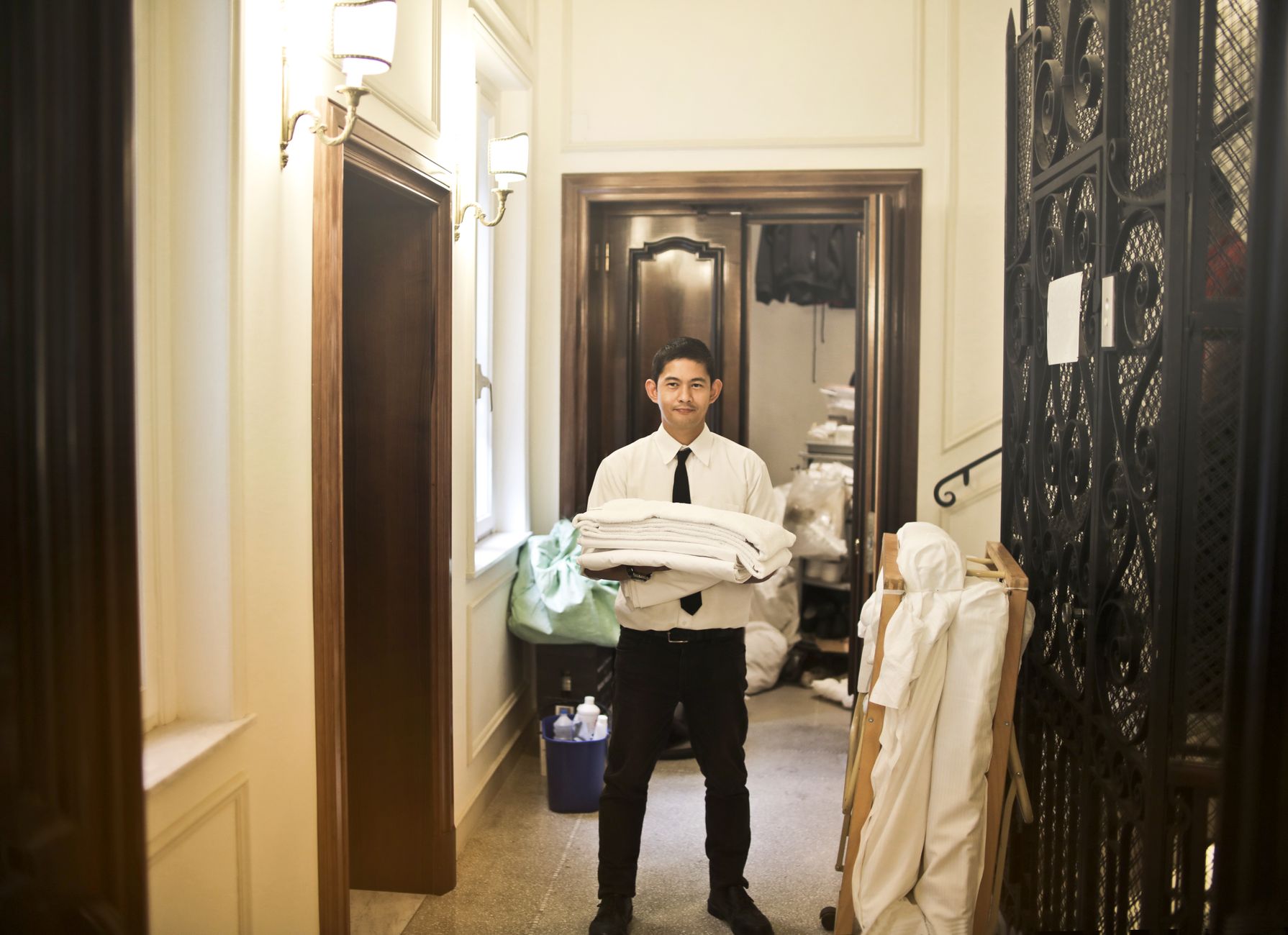
Housekeeping supply runs sit in the middle. They are safer than medication-adjacent work and often simpler than dining from a food-handling perspective. But they tend to be less time-critical. If a restock cart arrives twenty minutes later than planned, the building may absorb it. If lunch service backs up across neighborhoods, everybody feels it.
That difference in time sensitivity matters for change management. A first automation win should create relief exactly where staff feel the pinch. Dining teams feel it at the same times every day. That makes adoption easier because the pain is concrete and shared.
Housekeeping also suffers from route variability. Some days the demand is linen, some days paper goods, some days amenity items. Useful, yes. Ideal for a first repetitive transport automation program, not always. Meal-cart loops are usually cleaner and more clock-driven, which makes them easier to dispatch and easier to defend in an operations review.
Why not start with medication-adjacent runs if the stakes are higher?
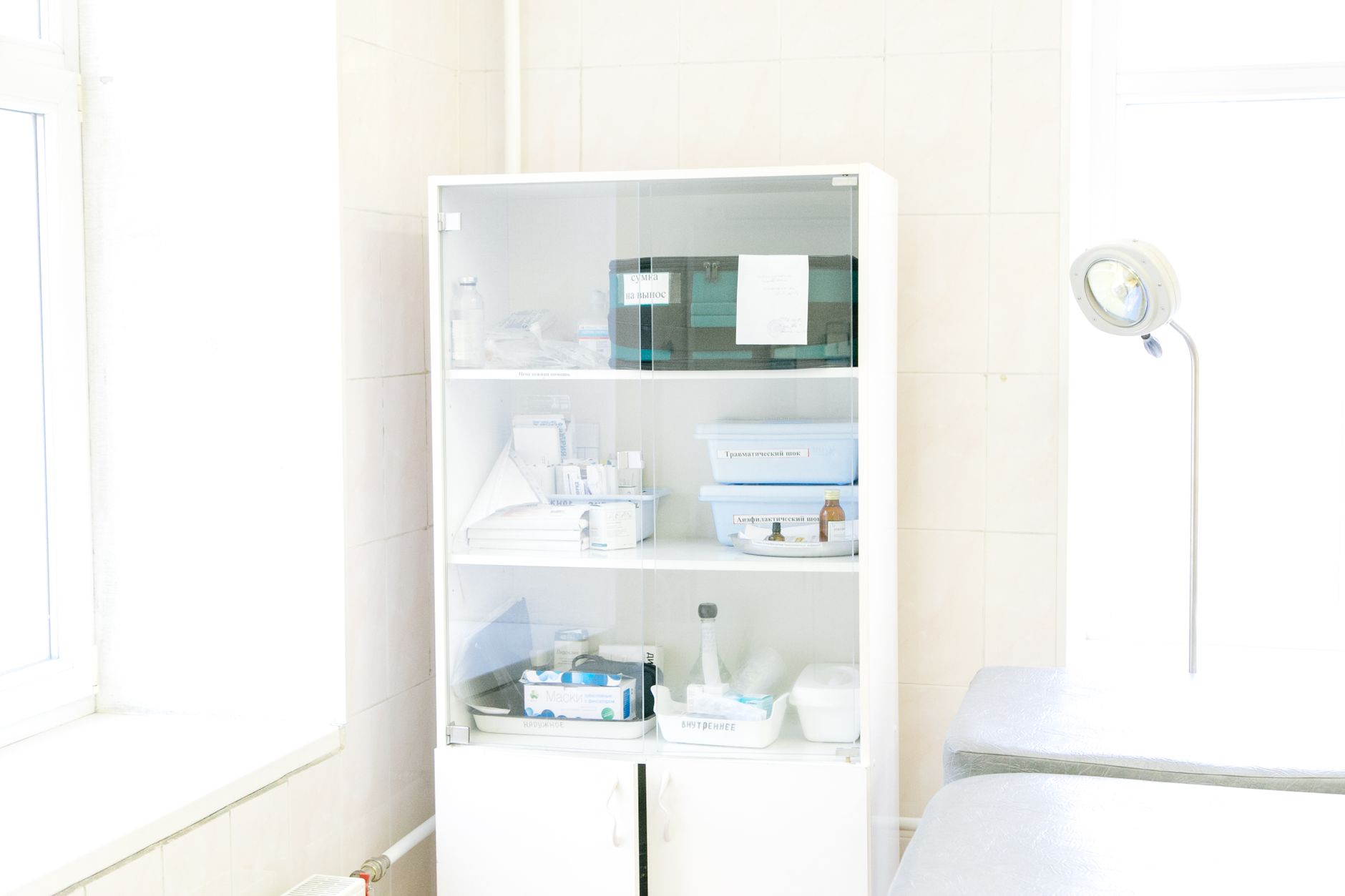
Because higher stakes do not automatically make a better first automation target. They often make a worse one. Medication-adjacent transport can deliver strong value in the right building, but it brings tighter chain-of-custody expectations, more exception handling, and less tolerance for workflow drift.
The regulatory environment tells the story. Under 42 CFR 483.45, long-term care facilities must provide pharmaceutical services that assure accurate acquiring, receiving, dispensing, and administering of drugs, and they must keep medication error rates below 5 percent while keeping residents free of significant medication errors. AHRQ’s PSNet notes that medication administration errors remain prevalent, citing a review of 91 direct-observation studies in hospitals and long-term care facilities that found median error rates of 8 percent to 25 percent during medication administration.
That does not mean medication transport should never be automated. It means it is usually a second-stage program. Start with a non-clinical, high-frequency loop. Build staff trust, elevator integration discipline, dispatch habits, and service response routines there. Then decide if the building is ready for medication transport robot workflows with the governance they require.
What operational details make meal-cart transport work well?
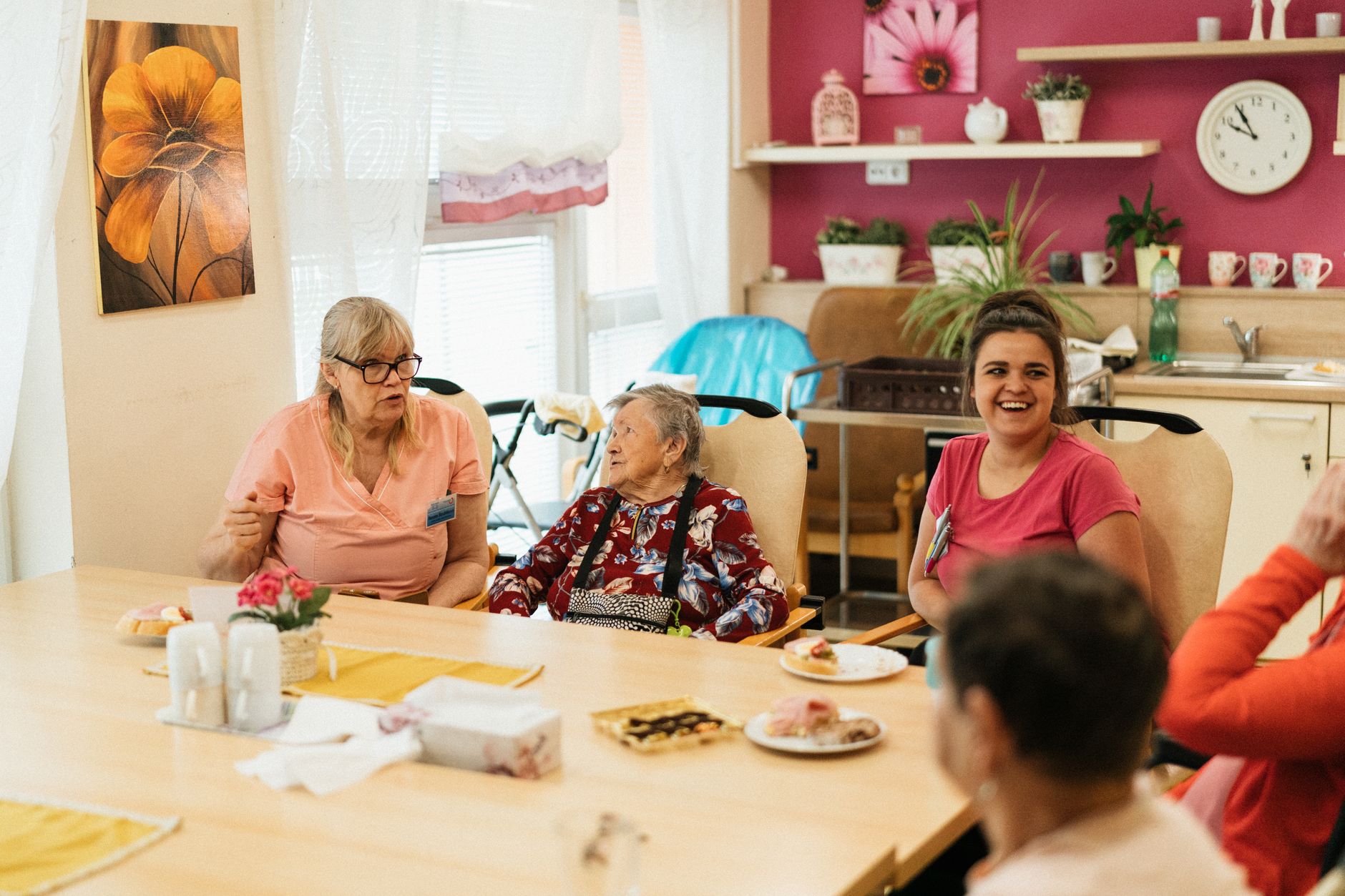
The strongest candidates tend to share a few traits. They have repeatable routes from kitchen to dining room, neighborhood server station, or resident corridor. They have enough trip density across three meal periods to keep the robot busy. And they have a real staffing pinch, usually seen as long pushes, cross-coverage from care or culinary staff, or delayed resets between service waves.
Elevators matter. Door widths matter. Carpet transitions matter. So do infection-control procedures, staging space near kitchens, and how carts are actually loaded and handed off. That is why the right first question is not, do we want a robot. It is, which exact loop wastes the most staff time while carrying the least clinical risk.
This is where Service Robot Co. fits naturally. Senior living operators rarely need a single machine dropped at the curb. They need site assessment mapping, robot deployment and integration, staff training, service coverage, and a finance structure that matches how the building budgets. Service Robot Co. acts as a full-service, vendor neutral robot integrator for U.S. businesses, selecting the right platform across manufacturers and then handling finance, deployment, integration, training, and service through a nationwide engineer network. For operators evaluating senior living robot rental, robot leasing for business, or a robot as a service model with maintenance included, that one-partner structure reduces adoption friction.
How should operators compare the first four workflow options?
If the goal is the best first win, meal-cart transport usually ranks first, housekeeping supply runs second, laundry third, and medication-adjacent runs fourth. That is not a law of nature. It is the most common sequence when the operator wants quick proof, low governance friction, and visible resident impact.
Meal-cart runs score highest on frequency, schedule consistency, and resident visibility. Housekeeping scores well on simplicity but lower on urgency. Laundry can carry good mileage savings, especially on large campuses, but usually lands lower on resident-facing value. Medication-adjacent work can create meaningful operational relief, yet the compliance and exception burden make it a better fit after the team has already learned how to run autonomous mobile robot rental or AMR rental programs inside a live care environment.
- Meal-cart transport: Best first choice when meals are staged on tight windows and staff spend too much time walking carts instead of serving residents.
- Housekeeping supply runs: Good first option only if dining routes are fragmented or kitchen access is physically awkward for automation.
- Laundry transport: Better when the campus is large, distances are long, and linen movement is already centralized and highly repetitive.
- Medication-adjacent transport: Highest governance burden. Strong candidate later, after operating discipline and trust are established.
What should leaders ask before they pilot?
Do not start with a broad question about automation. Start with a route census. How many daily cart trips happen by meal period. What is the average push distance. How often does service wait on transport. Which staff roles are pulled away from higher-value resident work. Those answers decide the pilot, not the abstract appeal of robotics.
The second question is commercial structure. Some operators want lease rental or sale. Others prefer commercial robot rental, monthly payment programs, or no upfront capital under a robot as a service subscription. The right answer depends on whether the building is proving a concept, solving an acute labor gap, or standardizing across a portfolio.
Service Robot Co. is built for that practical layer. Because the company is OEM-neutral and handles one vendor for the full lifecycle, operators can compare deployment paths without committing to a single manufacturer first. That matters when a site needs a food service robot rental, a meal delivery robot pilot, or a broader turnkey robot deployment with on-site dispatch and remote triage after go-live.
The smart sequencing rule for senior living
Automate the most frequent non-clinical transport loop before you automate the most sensitive one. In senior living, that usually means meal carts first. The workflow is daily, measurable, and close to satisfaction. It lets a community learn traffic rules, charging habits, staff handoff design, and exception recovery without placing its first bet on medication governance.
Laundry may still follow quickly. Housekeeping may come first in a few unusual buildings. Medication-adjacent transport may become the highest-value use case later. But if leadership wants the clearest first proof point, dining usually offers the strongest combination of route density, visible service effect, and manageable risk.
That is why meal-cart transport so often deserves pole position. It is not the flashiest robot story in senior living. It is the one with the cleanest operational logic.
Frequently asked questions
Sources
- 42 CFR 483.60 Food and nutrition services
- 42 CFR 483.45 Pharmacy services
- AHRQ PSNet Medication Administration Errors
- BLS Nursing Care Facilities occupation data
- BLS Nursing and Residential Care Facilities industry data
- JD Power 2025 U.S. Senior Living Satisfaction Study
- AHCA workforce report release, January 28 2026