Key takeaways
- Yes, but only as a narrow pilot. Multi-property operators should test robots now for repeatable indoor delivery and standardized property checks, not for every task.
- The February 26, 2026 Golden Hills deployment matters because it gave vacation rentals a real U.S. robot pilot, not just hotel examples and trade-show claims.
- Vacation rentals can beat hotels on service speed in a clustered portfolio, but scattered homes with stairs, gravel walks, and inconsistent door access still punish weak deployments.
- Turnover support and inspection workflows look more mature than full guest-facing autonomy, especially for operators who already run disciplined SOPs across 20 or more units.
The short answer for operators deciding now
Multi-property vacation rental operators should experiment with service robots now, but only in a tightly bounded way. The market is mature enough for a robot pilot program in guest delivery, routine property checks, and selected turnover support where the portfolio is clustered, the workflow repeats, and staff already follow a clean operating playbook.
They should not treat 2026 as the year to automate the whole guest journey. For scattered single-family homes across a metro, weak elevator access, outdoor exposure, and inconsistent door hardware still make a hotel delivery robot rental or broader autonomous mobile robot rental harder to justify than the marketing suggests.
So the real answer is neither buy big nor wait passively. Pilot now if you control enough similar units in the same building, resort, or tight neighborhood to create repeatable routes. Wait if your portfolio still runs on ad hoc turnovers, text-message dispatching, and improvised access rules.
Why does the February 26, 2026 news hook matter?
Because this segment finally has a real deployment to inspect. On February 26, 2026, a manufacturer announced that its first 2026 robot deliveries would begin the next day with Golden Hills Investment LLC, describing the project as a U.S. vacation-rental deployment. A July 10, 2026 SEC filing later stated that the first batch of robots had in fact been delivered to Golden Hills, a premium Airbnb property operator in Florida and Nevada, under a sales agreement.
That does not prove vacation rentals are suddenly robot-ready at scale. It does prove something more useful. Rental hospitality is now far enough along that a real operator was willing to put machines into live guest settings, and far enough along that investors felt the deployment was material enough to describe in securities filings.
The portfolio context matters too. In a December 14, 2025 company update, Golden Hills was described as having transacted and managed nearly 200 large luxury villas over the past decade. That is exactly the kind of operator worth watching: not a single host, not a giant urban hotel, but a scaled rental manager trying to deliver hospitality across dispersed properties.
Why is this sector more tempting than it looks?

Vacation rentals now compete against a much more service-rich lodging market than they did a few years ago. According to Airbnb's August 6, 2026 Q2 results, hotel nights booked on Airbnb grew about three times as fast as its homes business, even though hotels are still a single-digit share of nights booked. That matters because guests increasingly compare a rental stay against hotel responsiveness, not just against another house down the road.
The same update said about 35 percent of first-time guests who book a hotel on Airbnb return later to book a home. That kind of crossover raises the bar for rental operators. Guests carry hotel expectations into homes, especially around speed, reliability, and visible service.
Airbnb's own quality signals point in the same direction. Its Guest Favorites system is based on ratings, reviews, and reliability data from over half a billion trips, and it explicitly weighs cleanliness, check-in, accuracy, communication, and quality-related incidents. In other words, the platform already rewards the exact operating disciplines that robots can support if the workflow is well chosen.
Where do robots fit first in a vacation-rental portfolio?
The best first use case is not a theatrical lobby robot. It is repetitive guest support inside a controlled footprint. Think indoor amenity delivery in a condo tower, a clustered resort campus, or a managed villa compound where routes are short, flooring is predictable, and access control is standardized. In that environment, a room service robot or amenity delivery robot can remove low-value walking without creating a new logistics mess.
The second good fit is property checks. A robot does not need full human judgment to verify whether a hallway is clear, a standard route was completed, or a routine checklist path was covered on schedule. For operators managing many similar units, this kind of inspection robot rental or service robot rental can support consistency before a guest arrives and after a guest leaves.
The third fit is turnover support, but only the repeatable slice. Linen movement, supply pulls, and cart-following style tasks can make sense in the right property type. Full room-turn autonomy does not. A robot can support the turnover team. It usually cannot replace the people doing detail cleaning, staging, damage judgment, and exception handling.
A practical shortlist looks like this:
- Guest delivery inside one building or a tight resort cluster
- Pre-arrival and post-departure route-based checks
- Turnover support for repeatable transport and replenishment steps
- Back-of-house movement between laundry, storage, and unit staging zones
Where does the market still look immature?
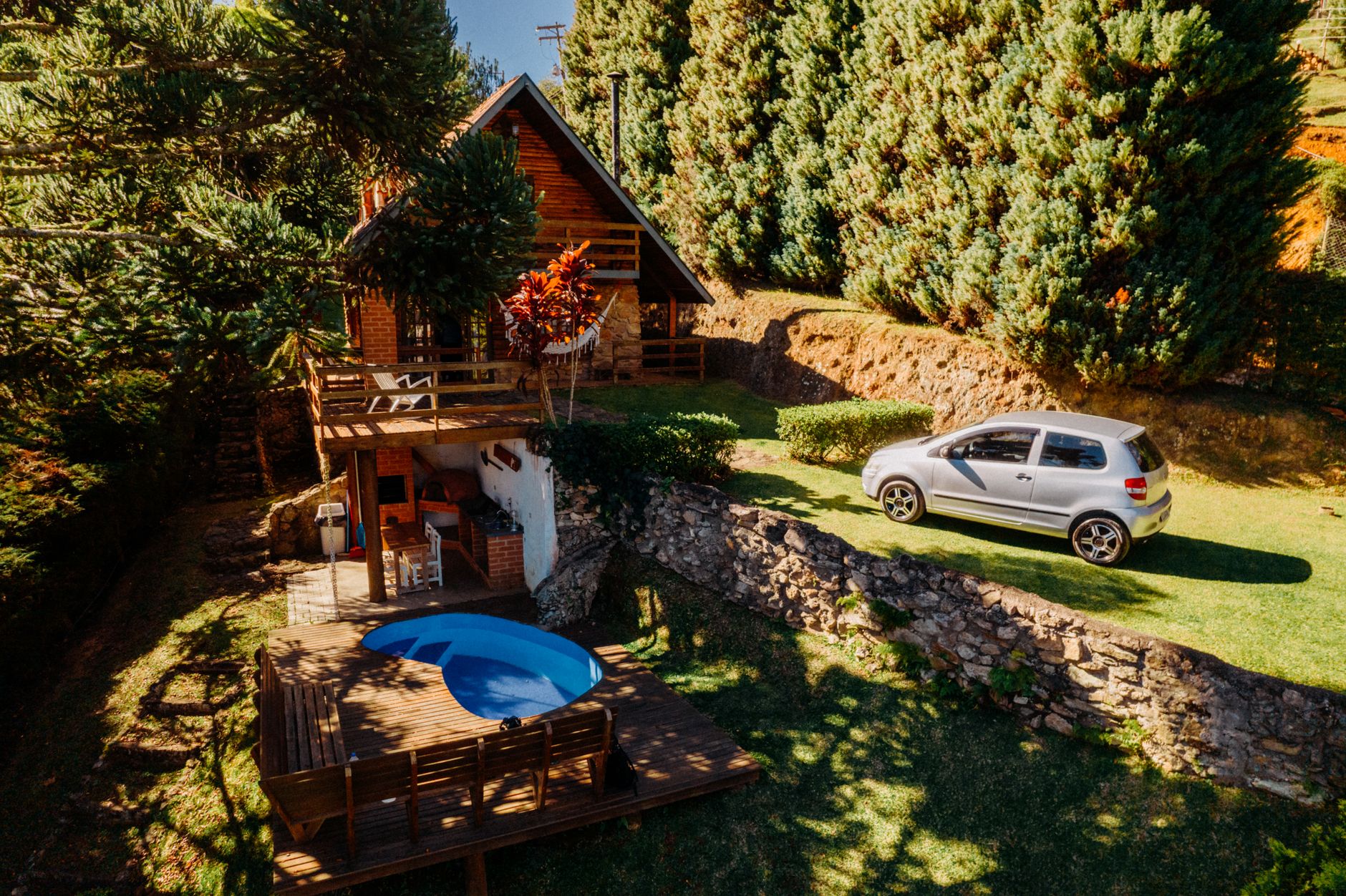
Outdoor sprawl is the main problem. A vacation rental operator may control fifty units and still have no robot-ready route if those homes are spread across different neighborhoods, driveways, gates, and entry conditions. Sidewalk cracks, weather, pooled water, steep grades, and irregular thresholds remain operational killers.
Vertical access is the next issue. Hotels usually own their elevators, doors, and corridor standards. Vacation-rental operators often do not. If the robot has to rely on inconsistent building permissions, changing HOA rules, or guest-propped doors, uptime collapses fast.
Guest variability also hits harder here than in hotels. Homes have groceries at the door, children on the floor, beach gear in hallways, and furniture moved between stays. A robot that works beautifully in a mapped demo can struggle when the portfolio behaves like actual lived space.
That is why many operators should wait on broad guest-facing autonomy. They need better building access, tighter portfolio standardization, and stronger operating controls before they chase multi-floor delivery robot claims across an entire scattered-site network.
What do the numbers say about who should test first?
According to AirDNA's 2025 U.S. STR outlook, professional operators can maintain occupancy up to 60 percent, while nonprofessionals had fallen to 54 percent. The same outlook says cross-listing on multiple platforms is crucial for professional operators with 21 or more units. That is a useful dividing line for robotics too.
Operators at that scale are more likely to have standardized listings, cleaner dispatch data, and enough repeat volume to learn from a pilot. They also have more to lose when service quality slips. If your team is already managing a 21-plus-unit portfolio with formal SOPs, robot deployment and integration becomes a plausible operating project instead of a novelty purchase.
Smaller hosts can still experiment, but the economics are weaker unless the assets are unusually concentrated. A single luxury house does not create enough daily repetition to justify much autonomy. A 30-unit cluster with shared support space might.
AirDNA also noted that short-term rentals were growing 7 percent in 2024, compared with 0.5 percent for hotels, after the pandemic-era mix normalized. That tells you demand is still there. It does not tell you every property deserves automation. It tells you scaled operators have room to compete on service if they pick the right workflows.
What should a sensible pilot actually look like?
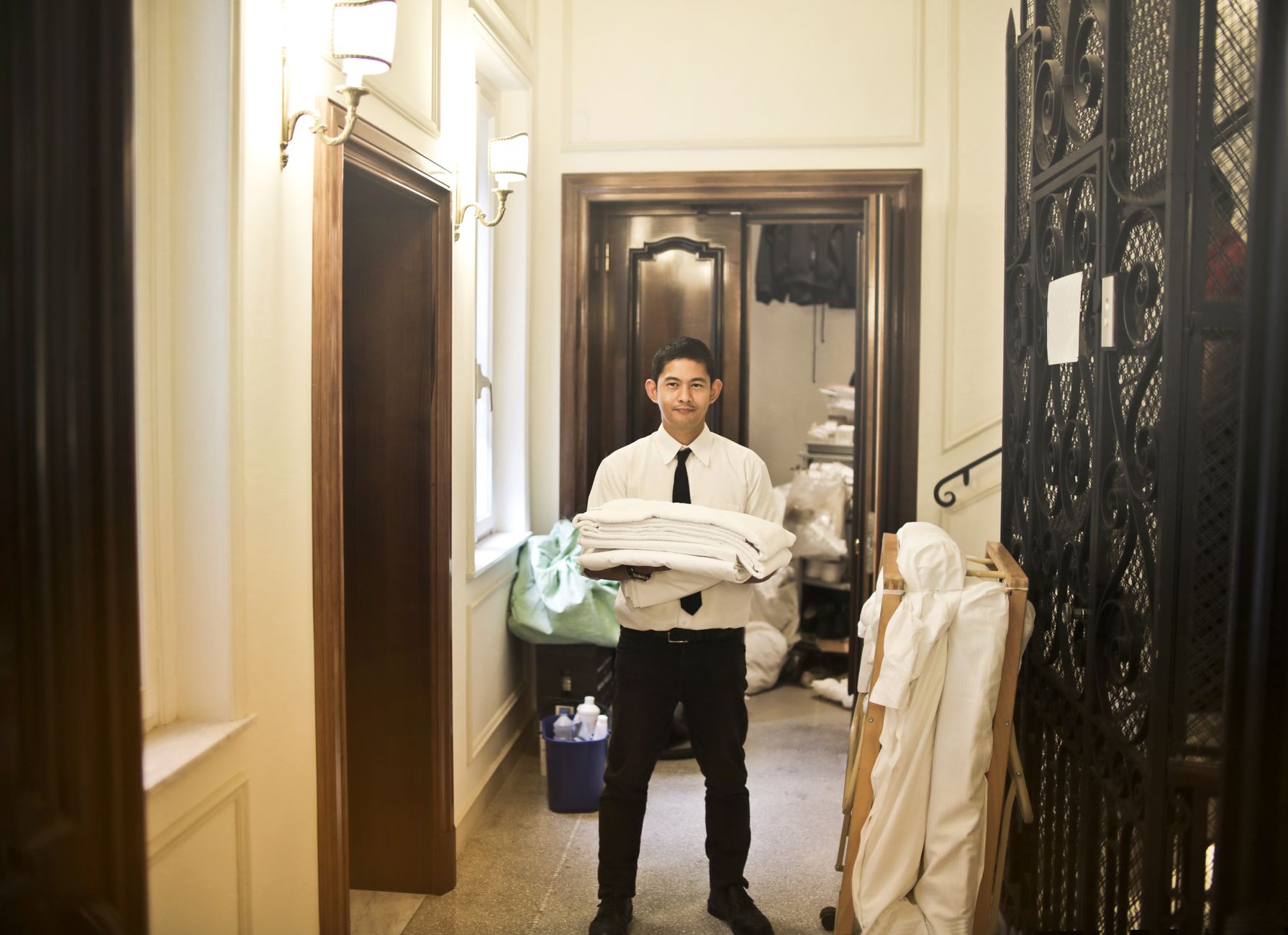
Start with one workflow, one property type, and one geography. For example, pick a single condo building, map one evening amenity-delivery route, and run it during predictable hours. Or pick one cluster of similar villas and use robots only for pre-arrival route checks plus turnover support between supply room and units.
Then measure service outcomes that matter in rental hospitality: time to complete a delivery, percentage of tasks completed without human rescue, turnover minutes saved on repeatable steps, pre-arrival issue detection, and guest complaints created by the robot itself. If you cannot compare against a manual baseline, the pilot is too vague.
This is also where a vendor neutral robot integrator matters. Vacation rentals are a messy edge case. The right answer may be service robot rental, robot leasing for business, or a short commercial robot demo instead of a purchase. Service Robot Co. fits here because the company stays OEM-neutral, then handles financing, deployment, integration, training, and service through a nationwide U.S. engineer network. For a multi-property operator, one partner across the lifecycle is often more valuable than a flashy hardware demo.
The rule is simple. Pilot for boring repeatability, not for social-media effect.
So should operators move now or wait?
Move now if your portfolio is clustered, your access stack is standardized, your team already runs repeatable turnovers, and you can name one narrow job that burns staff time every day. In that situation, a service robot rental or robot as a service pilot can teach you something real in 60 to 90 days.
Wait if your portfolio is scattered, your crews still improvise every turn, or your properties lack consistent elevators, entry permissions, and indoor routing. In that situation, the technology is not your first problem. Operating discipline is.
The important distinction is this: vacation rentals do not need a mature mass market to start benefiting from robots. They need one mature workflow. For guest delivery, property checks, and turnover support, that threshold has arrived for some multi-property operators in 2026. It has not arrived for all of them.
That is why the smart posture is selective action. Test now where the building and the workflow are ready. Let the rest of the market mature around the harder cases.
Frequently asked questions
Sources
Service Robot Co. is not affiliated with, sponsored by, or endorsed by the companies mentioned in this article.