
Key takeaways
- Hold fairway robots until spray re-entry intervals clear on treated holes.
- Match holds to product labels, not guesswork from memory.
- Keep spray logs beside robot hold releases for audits.
- Run a supervised test pass after re-entry time passes.
- Service Robot Co. maps spray holds in fairway deployment playbooks.
Why do spray mornings conflict with fairway robots?
Fairway spray programs apply plant protectants and nutrients when dew carries product into turf. Until re-entry intervals pass, treated grass is not safe for workers or equipment contact.
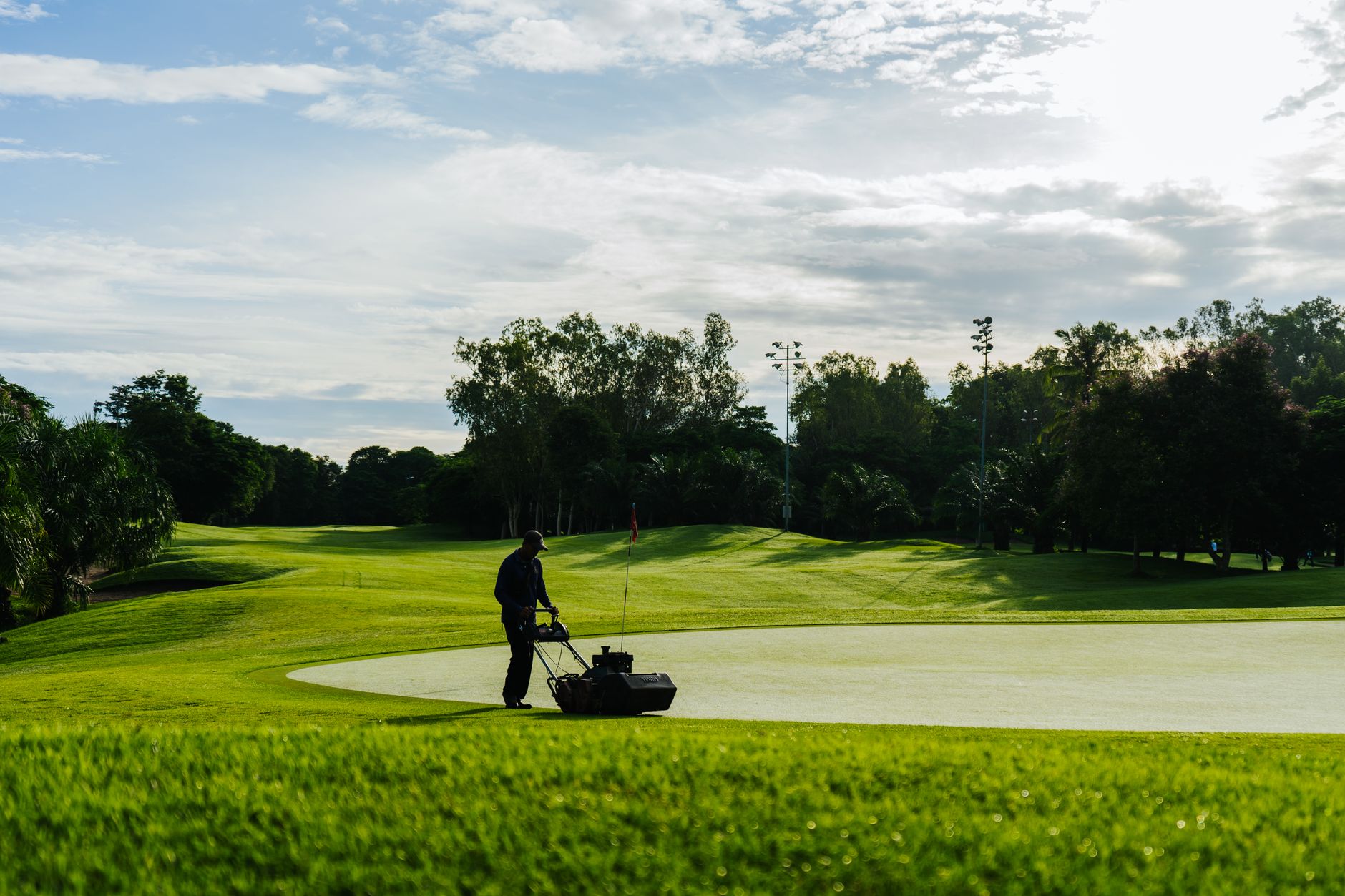
Fairway robots run at dawn on the same corridors sprayers hit overnight or early morning. Without holds, decks contact wet foliage and track product into untreated areas.
Labels specify re-entry time in hours, not tee times. Robots do not read SDS sheets; your hold playbook must.
Treating spray like aeration or topdressing prevents compliance gaps and protects crew members who walk fairways later.
Regulators and insurers ask for records when exposure incidents occur. Linked spray and robot logs show you respected re-entry instead of guessing after the fact.
Which holes need holds after a spray pass?
Hold every hole where fairway, approach, or robot path received product, including overlap strips sprayers cut short.
Split applications by nine still need hole-level holds when only one side of the property was sprayed.
Update robot maps the morning sprayers log out. A hole left off the spray sheet but sharing drift from wind may still need caution.
Approaches that robots cross to reach fairway centers count as treated path even if only the center received gallons per acre.
How do re-entry intervals translate to robot schedules?
Read the longest re-entry interval on the tank mix used that day. Holds run from last nozzle off the fairway until the interval expires.
If multiple products mix, use the most restrictive label unless your agronomist documents otherwise in writing.
Shift dawn robot starts on spray days or run untreated nines first while sprayed nines count down the interval.
Build a countdown on the shop whiteboard from last nozzle off so dawn crew does not mental-math intervals before coffee.
What records should spray and robot teams share?

Spray logs should list holes, products, rates, applicator, start time, and end time. Robot leads attach hold release time derived from those fields.
Store logs where night supers and dawn robot operators both look. A binder in the shop beats a file only the sprayer keeps.
Photo the sprayer display or GPS map when possible. Disputes about whether hole seven was treated are common on busy mornings.
If a contractor sprays, require their log sheet before your staff releases any robot hold. Outsourced application still binds your course.
When is turf safe for autonomous decks after spraying?
Safe means re-entry time has passed, foliage is dry to touch on robot paths, and no flagging or irrigation is scheduled to rewet leaves immediately.
Run a supervised slow loop on the first cleared hole. Stop if product smell is strong or leaves look glossy wet.
Irrigation that runs right after re-entry can move product. Coordinate with the irrigation tech before releasing holds.
Wear gloves on the supervised test walk if labels require PPE until re-entry ends, even when robots are not running yet.
How do wind and drift change robot holds?
Drift can treat adjacent holes lightly. When sprayers note drift concerns, expand holds to neighboring fairways robots would cross.
Calm mornings reduce drift but increase dew carry. Windy mornings may skip spray entirely; robots follow that decision too.
Document drift holds on the map so contractors running the fleet see the same holes your staff would pause.
When neighbors complain about smell, assume drift may have touched robot paths on border holes and extend holds until verified.

What should starters know on spray mornings?
Players may not enter sprayed areas until re-entry clears. Starters should echo posted signs even when fairways look open.
If robots delay mowing stripes on treated holes, tell the pro shop it is a label interval, not mechanical failure.
Cart staff should avoid driving through flagged fairways still inside re-entry on spray days.
Post the same hole list at the starter shack and robot barn. Mismatched lists cause play to open while holds remain active.
How does an integrator document spray holds?
Service Robot Co. adds spray-day hold templates to your fairway playbook with fields for product, interval, and release approver.
OEM-neutral fleet work and financing stay in one project so compliance questions route to your agronomy lead, not a vendor debate.
RoboCare regional engineers in every state we cover help reset holds if software timers stick after legitimate release.
Review spray hold templates whenever your spray fleet adds nozzles or GPS sections that change which fairways get treated per pass.


