
Key takeaways
- Hold fairway robots when irrigation crews flag repair zones on your loops.
- Zone holds protect heads and keep autonomous decks out of wet trenches.
- Share flagged hole lists between irrigation and robot leads.
- Log repair windows beside hold releases on the shop board.
- Service Robot Co. maps repair-zone holds in fairway playbooks.
Why do sprinkler repairs affect fairway robots?
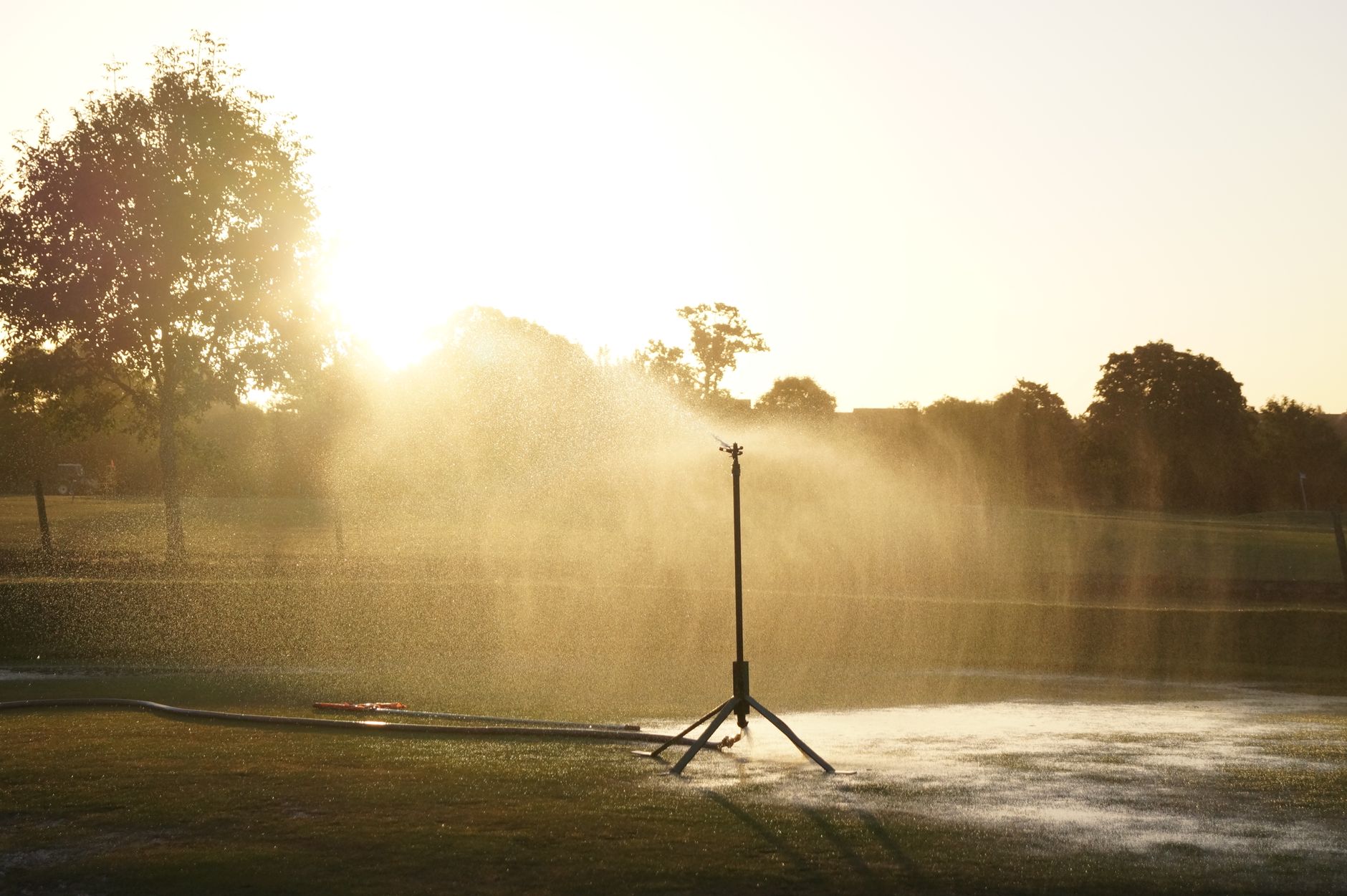
Fairway robots follow fixed corridors that may cross active irrigation repair zones. Open trenches, new heads, and wet backfill are unsafe for autonomous decks.
A robot that crosses a repair zone can damage new heads or trap itself in soft soil members see by lunch.
Manual crews can steer around flags by sight. Autonomous units need geofence holds or full-hole pauses until turf crews clear the zone.
Repair days are short but high risk, so holds matter more than on a normal overlap morning.
Which holes need repair-zone holds first?
Hold any hole where irrigation flags sit on robot turn points or centerline overlap.
Shared fairways need holds when repairs sit on corridors used by multiple loops.
Document repair holes on the daily plan separate from wind or pace templates.
Par threes with tight irrigation clusters often need full-hole holds, not partial skips.
What triggers a repair-zone hold?
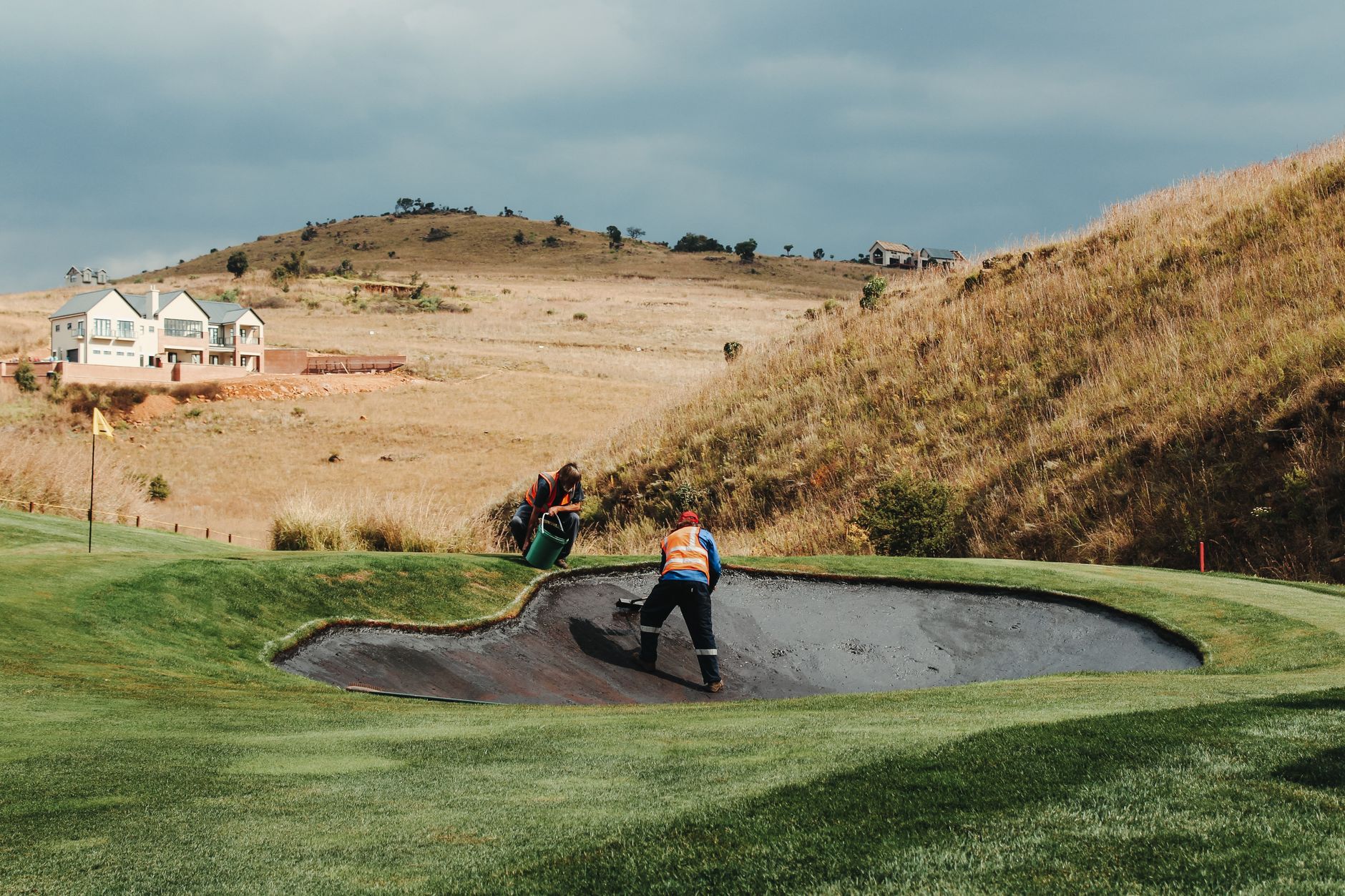
Irrigation crew flags plus superintendent approval should trigger holds before dispatch.
If repair starts mid-morning, pause active loops and recall units approaching the zone.
Brief weekend contractors on the same flag colors and radio channel as employees.
Name who can lift holds when turf crews sign off the zone.
How should irrigation and robot leads coordinate?

Post flagged hole numbers on the shop board and robot barn copy each repair day.
Update geofences when head locations shift after repair, not only when maps look fine.
Do not release because batteries are ready if flags are still standing.
Use one shared note for repair delays so nothing is lost between crews.
When can loops resume after repairs finish?
Release when flags come down, trenches are filled, and turf passes foot checks at robot arcs.
Run a supervised test loop on the repaired hole before fleet release.
Walk head locations after release to confirm corridors match updated maps.
Log resume time and crew sign-off for post-season review.
How do repair holds interact with other rules?
Overlap, pace, wind, and lightning holds can stack on the same day. Combine logic instead of picking one.
Do not release for pace while repair zones remain flagged.
Spray windows may block release even when irrigation crews are done.
Tournament weeks may keep manual mowing on repair holes while robots hold longer.
What should starters know about delayed stripes?
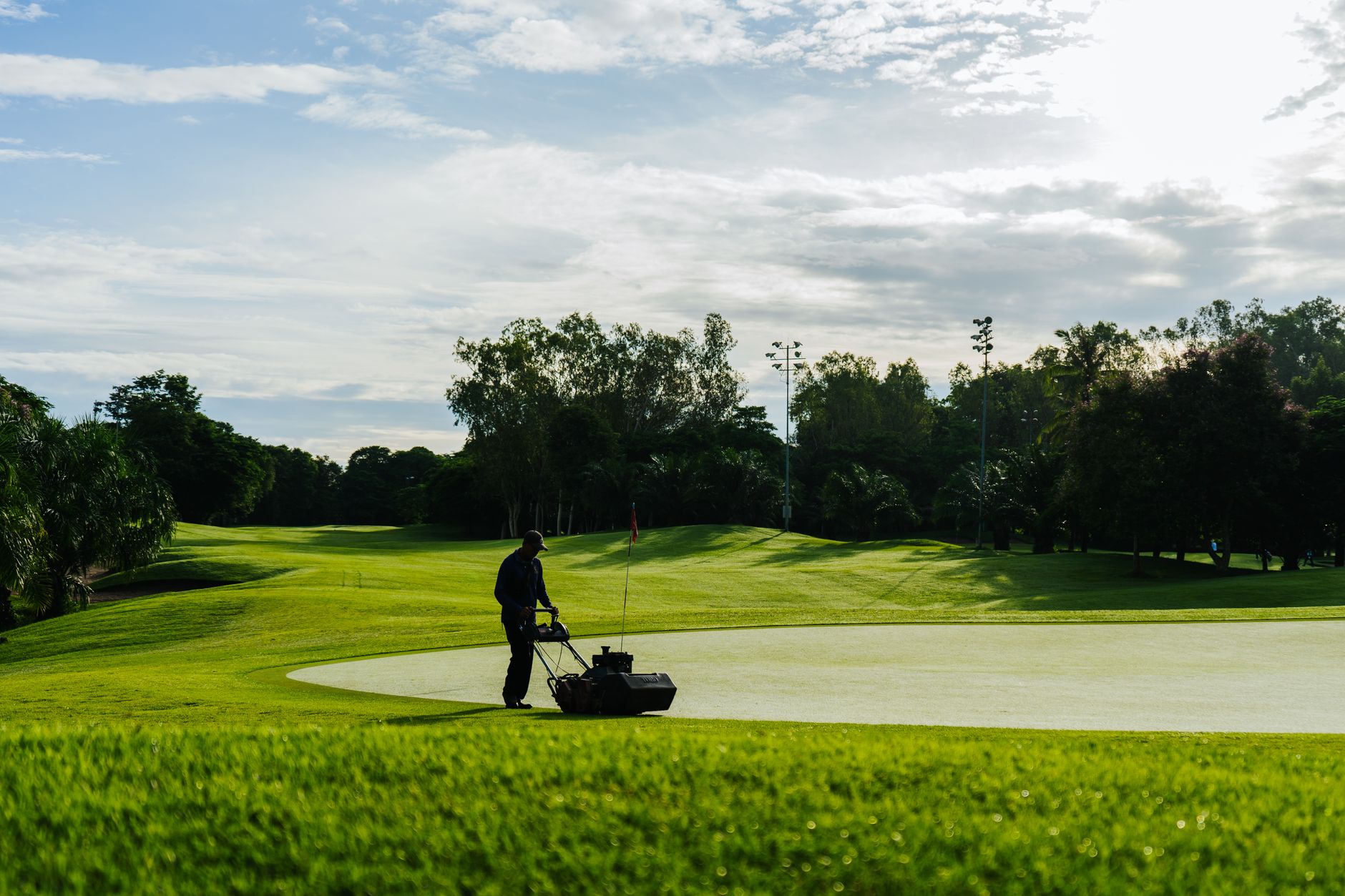
Stripes may lag when robots held for irrigation repair, not because equipment failed.
Brief the pro shop with the same hole list starters see on repair mornings.
League days still need repair holds when heads are open near cart paths.
Members notice damaged heads more than delayed stripes when crews skip holds.
How does an integrator template repair holds?
Service Robot Co. adds repair-zone geofences and hold rules to your deployment playbook.
OEM-neutral financing and RoboCare support stay unified when summer repair weeks stack up.
Regional engineers in every state we cover update maps after head relocation reviews.
Review repair templates each season when irrigation budgets shift.


