
Key takeaways
- Open trenches and fresh heads need robot holds on that strip.
- Detour maps should skip excavated panels only.
- Irrigation and maintenance share one weekly calendar.
- Foot-test backfill before re-enabling loops.
- Service Robot Co. maps irrigation holds at deployment.
Why do sprinkler repairs disrupt fairway robots?
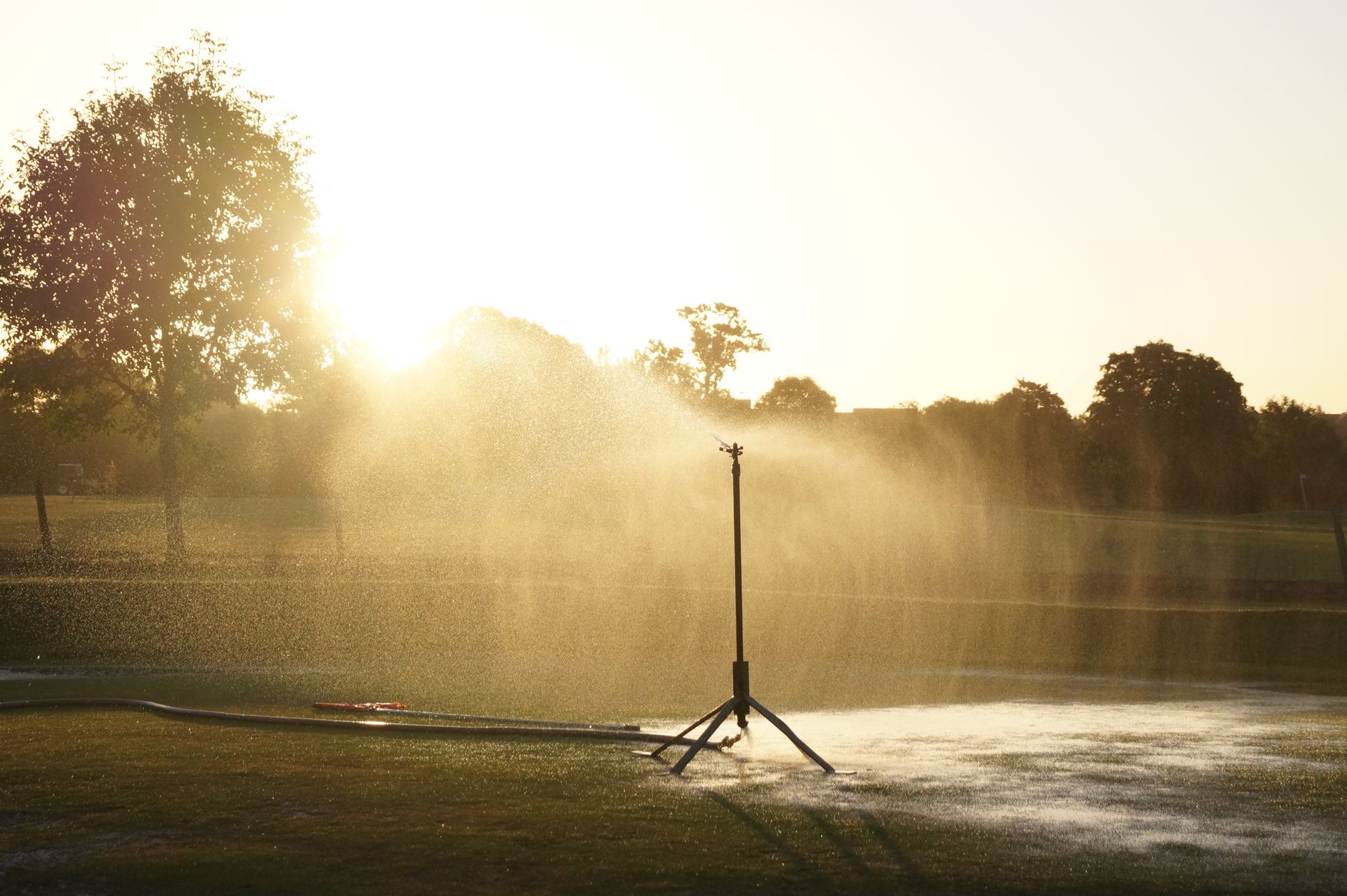
Autonomous fairway mowers follow tight geofences. Irrigation crews cut trenches, replace heads, and leave soft backfill that robots can rut or strike. A hidden head flush with turf is easy to damage on the first pass after install.
Repair weeks often cluster by zone so water windows stay predictable. Robots that ignore that calendar drag soil across fairways and force hand rework.
Treat irrigation work like a tournament hold. Map it the day the irrigation vendor books the zone.
Which holes should robots skip during head work?
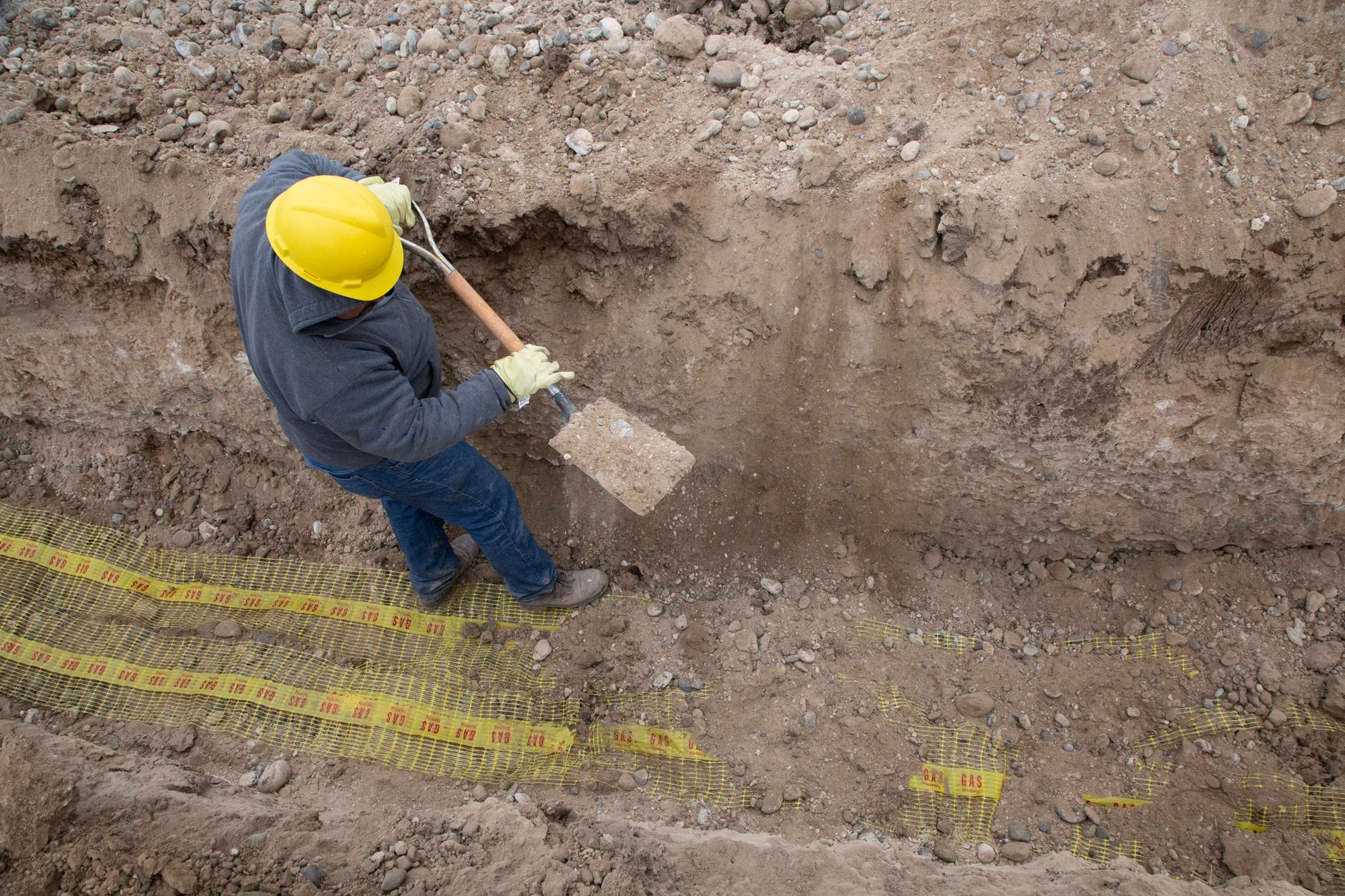
Hold any panel with open trench, stacked heads, or valve boxes exposed. Partial holds work when only one side of a fairway is under repair.
Approaches with shared irrigation often need holds even when fairway centers look clear. Heads sit in landing zones players notice.
Photograph flagged heads at dusk so night operators see the same layout reliefs saw at lunch.
How do you build detour maps around irrigation strips?
Draw a narrow geofence along the repair corridor and an alternate loop that stays on firm turf. Avoid tight turns over valve boxes.
Export detour files for weekend staff. Summer irrigation peaks overlap with heavy play.
Disable auto-return to the summer loop until irrigation signs off each hole.
- Geofence trench and head zones
- Publish detour loop for open turf
- Flag new heads for day crew
- Log irrigation sign-off times
What should irrigation and maintenance agree on daily?
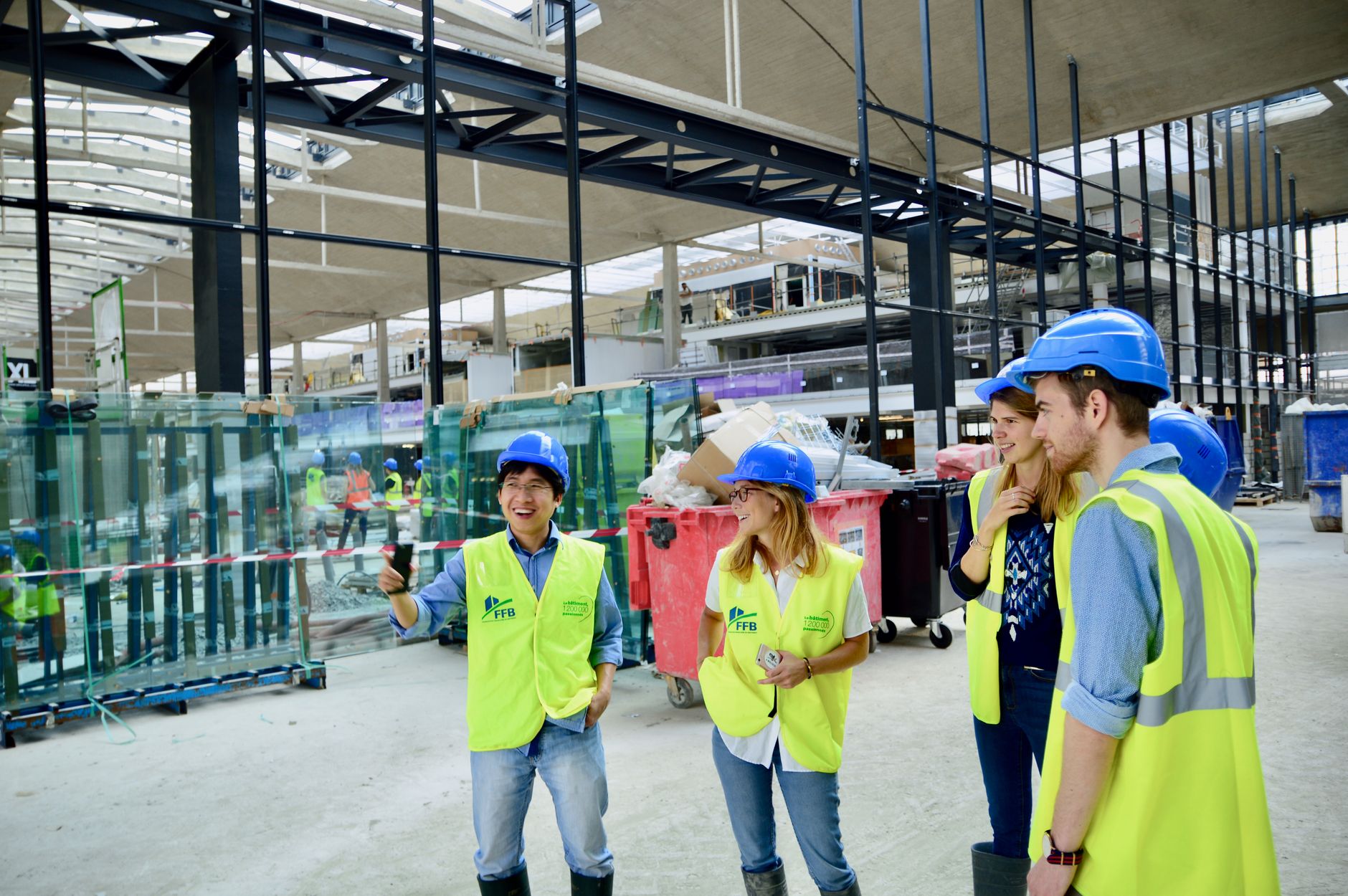
Morning radio check: which holes open tonight for robots. Irrigation may finish backfill late afternoon.
Share valve shutdown times so robots are not on fairways during pressure tests.
One named contact on each side prevents holds from lifting early.
When is backfill firm enough for robots?
Walk the trench line in work boots. If the heel sinks along the seam, hold another day.
New heads should be trimmed to grade before robots return. Protruding caps catch decks.
Re-enable hole by hole as irrigation completes sign-off.

How do you protect new heads after robots resume?
Slow transit along the repaired strip for the first few nights. Speed can wait until turf knits.
Offset wheel lines one pass width from the trench seam to reduce compaction on fresh fill.
Log any strike or pause codes near new heads for warranty conversations with irrigation.
What if rain hits during repair week?
Wet trenches stay soft longer. Extend holds even when heads look set.
Do not use robots to firm mud. Hand touch-up beats dragged soil on showcase holes.
Update the pro shop if play must avoid wet panels still under irrigation work.
How does an integrator preset irrigation holds?
Service Robot Co. is OEM-neutral on autonomous fairway mowers. We finance buy or lease options, map fairways with irrigation buffer layers, train your watch lead, and service units under RoboCare with regional engineers in every state we cover.
Import typical repair windows during deployment so default detours exist before the first summer valve project. After the season, review strike logs to widen buffers on problem holes.
Bring irrigation maps to spring planning with your superintendent and contractor.


