Key takeaways
- Rochester Regional Health estimates its Moxi robots have returned more than 50,000 staff hours, and the system describes that figure as an estimate.
- Trip counts alone do not prove returned hours. The walking, waiting and handoff minutes behind each trip do.
- Medications, supplies and laboratory specimens are the runs most worth measuring first.
- Vendor and peer numbers show scale, not a forecast for your floor.
- Test the hours hypothesis with a site assessment and a narrow pilot before committing to a wider lease.
What did Rochester Regional Health report?
Rochester Regional Health says its Moxi robots have passed 100,000 trips at Rochester General Hospital and Unity Hospital. The system estimates the robots have returned more than 50,000 hours to staff, and the report is dated August 21, 2026, according to Fingerlakes1.
That 50,000 hour figure is the health system's estimate, not a measured total. The distinction matters. A trip can be counted at the robot. An hour returned to a nurse depends on assumptions about how long each run used to take.
Fingerlakes1 splits the deliveries into more than 75,000 at Rochester General and more than 25,000 at Unity, counted since operations began in 2023. WHEC coverage names the work as medications, supplies and laboratory specimens.
Why do delivery runs take so much clinical time?
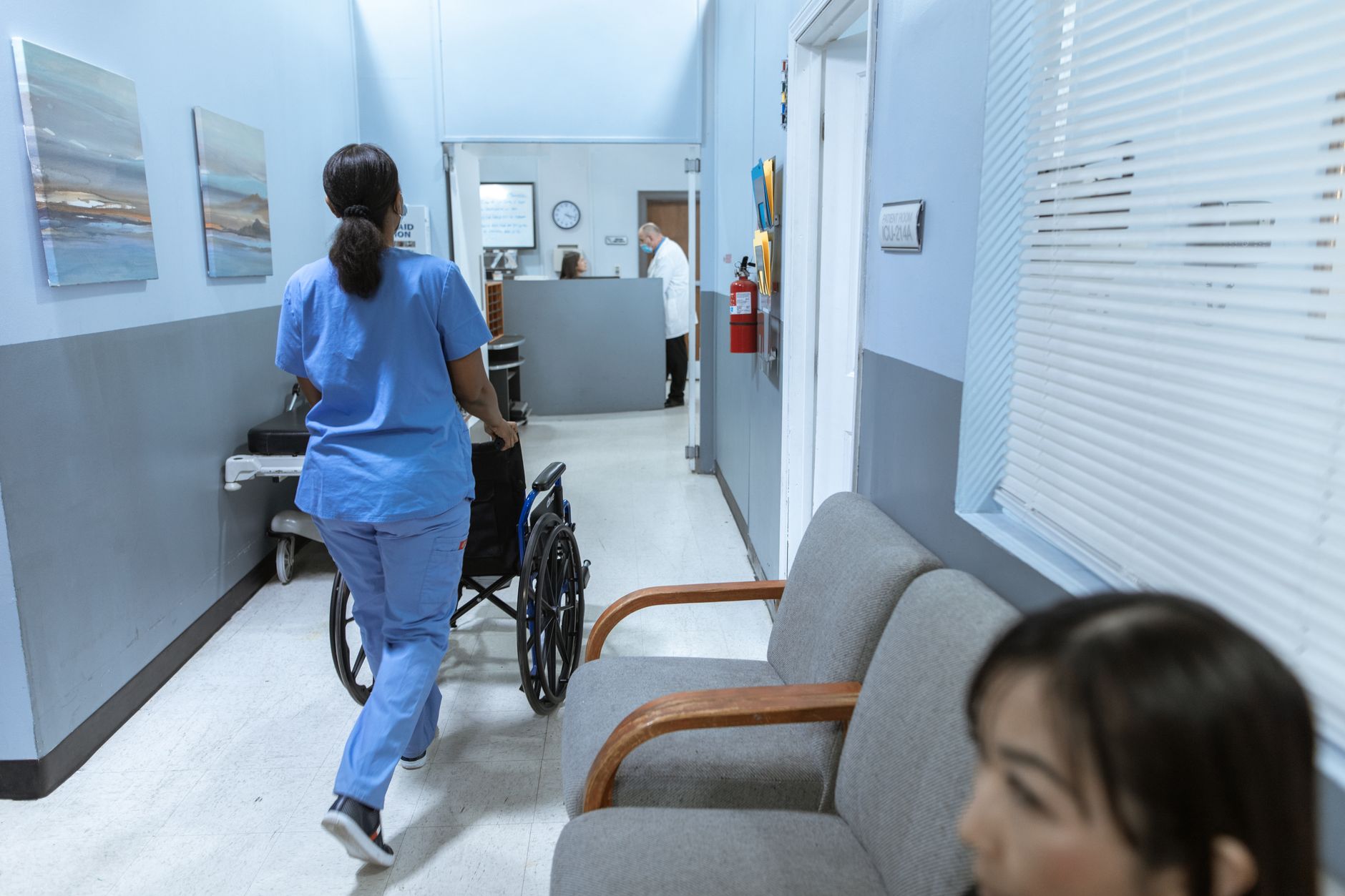
A delivery run is rarely just a walk. A clinician leaves the station, waits for an elevator, finds the right supply room, signs for a specimen, then walks back. Multiply that across a shift and the minutes stop looking small.
Moving the run to a robot does not make the work disappear. It moves the transport step to a machine and leaves the handoff with staff. The hours that come back are whatever remains after dispatch, loading and fault recovery are subtracted, which is why a unit should measure the runs instead of trusting the headline.
How should a unit estimate its hours before expecting the same result?
Start with a week of plain data, not a vendor deck. Use a simple log and capture these items for every run:
- Run type: medication, supply, specimen or linen, since each carries different handoff rules.
- Door to door time, including elevator waits and the wait at the receiving station.
- Whether the run crossed a shift change, when a robot route may not fit the handoff.
- Which routes the doors and elevators in your building actually allow a robot to reach.
- Time staff spend loading, dispatching and clearing faults on the robot side.
What do vendor numbers and a closed program add?
Diligent Robotics, which makes Moxi, reports more than 1.3 million deliveries and over 600,000 staff hours across 25 US hospitals in a case study hosted on AWS. Those are vendor-reported figures for the whole network, not for any single hospital, so they show scale rather than a forecast for your floor.
The counterexample is useful too. According to Nurse.org, MultiCare in Washington suspended its Moxi program by 2025, saying it was not sustainable because cost did not match usage. Returned hours only help a budget when enough runs use the robot to justify it.
Where do returned hours show up on the schedule?
Freed time is not automatically saved money. It appears only when a unit decides what replaces the walking: bedside time, fewer after-hours calls, or a vacancy left unfilled. Without that decision, the hours dissolve into the day.
Leadership should choose the destination before go-live and write it into the pilot plan. That also makes the review easier, because the team knows what to compare against.
How does a lease get a unit started?
Service Robot Co. is a full-service commercial robot integrator for US businesses. We choose robots across manufacturers that fit the route, then lease, deploy, integrate, train and service each unit through a nationwide US engineer network, so one vendor covers the whole lifecycle.
We lease robots only. The offer is a three-year lease with one fixed payment quoted after a site assessment, which is where the route data above gets checked against the actual doors, elevators and staffing pattern. A narrow pilot with one leased unit can test the hours hypothesis before any wider commitment.
Frequently asked questions
Want a robot working for you?
Tell us the job and the site. We will recommend the robot, quote the lease, and keep it serviced.
Sources
- Fingerlakes1: Rochester Regional Health robots reach 100,000 hospital deliveries
- WHEC: Rochester Regional Health robot coverage
- CBS News: robots in hospitals
- GV Health News: Rochester Regional Health Moxi projection
- AWS case study: Diligent Robotics
- Nurse.org: MultiCare discontinues Moxi robots
- Rochester Regional Health: Moxi robot hub page