Key takeaways
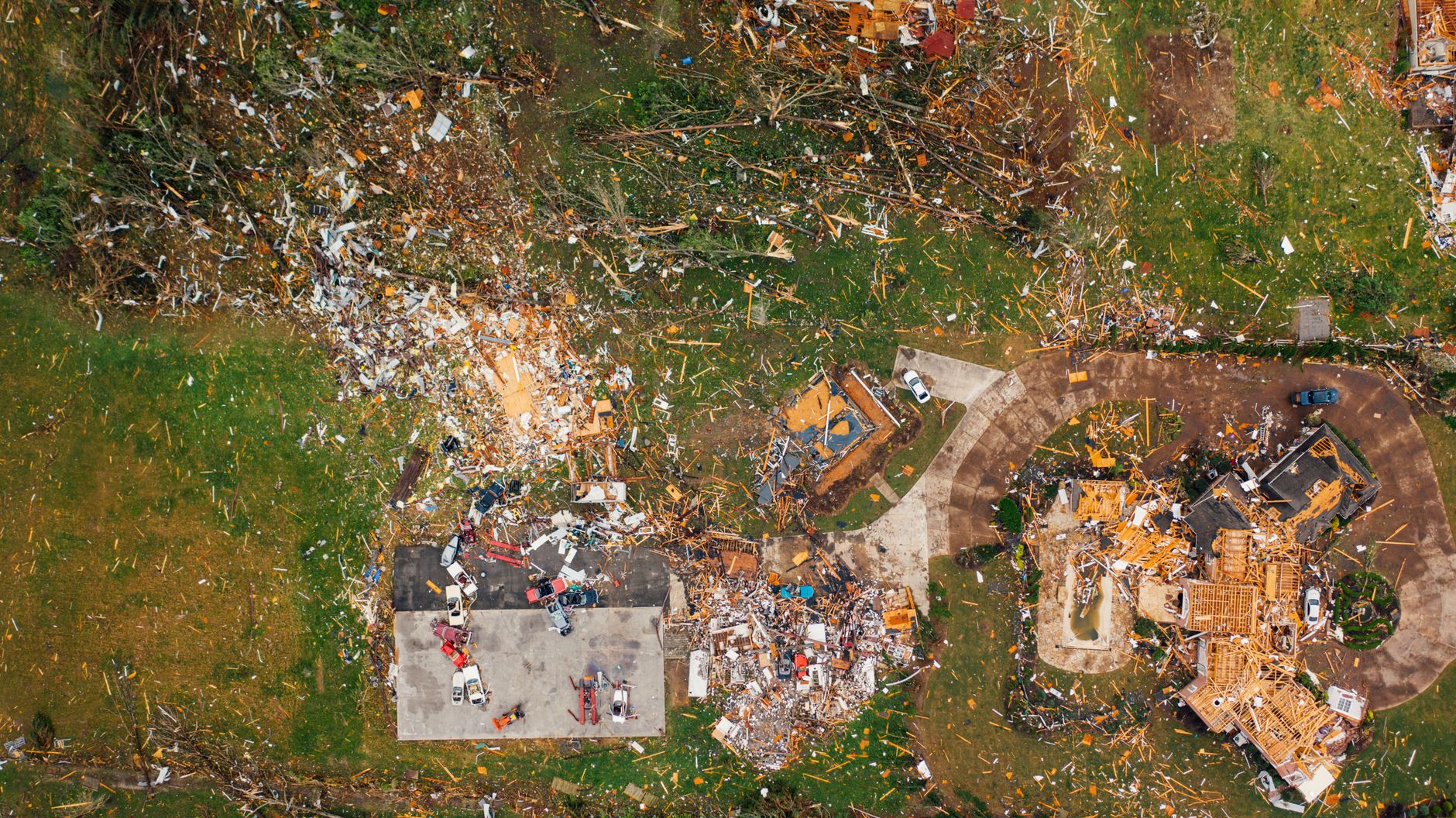
- A storm does not have to cancel a recurring mowing route, but the robot needs cleared turf to run on.
- Hand crews clear limbs and debris from the mower zone first, then work hard surfaces away from the robot path.
- Manufacturer guidance keeps debris clearing a manual job, so storm hours still belong in the crew budget.
- Confirm in writing who clears storm debris on each client property before storm season starts.
- Log every skipped or paused pass so the client sees the reason and your next bid carries the true hours.
Does a storm pull mean the mowing route has to stop?
Usually not, but the route changes shape. When a storm sends the crew to limb removal and hard surface clearing, a recurring mowing route can stay alive if the robot mower only runs on turf already cleared of debris. The route becomes a sequence instead of one continuous pass: clear the mower zone, let the robot cut the open lawn, then bring the hand crew to the work a robot cannot do.
The trade is hours. A robot mower does not replace the manual debris work a storm creates, and the manufacturers themselves say so. What it protects is the cut on open turf, so the crew's storm hours go to debris rather than to the whole property.
Which turf can a robot take the day after a storm?
Open, cleared turf, with nothing that can trap or jam the blades. As of November 2026, manufacturer help pages agree on that basic point, though they are vendor sources and not independent tests. Toro says its low energy mower requires some manual debris management, such as removing sticks, leaves, grass and dirt. Ecovacs tells owners to clear items that could trap the mower before it starts, including piles of leaves, stones and loose wires.
Branches are the sharpest question. Robomow says branches are a concern for mowers with blade discs, while star blades only struggle with larger branches. Its sensors can detect larger obstacles, but small debris may simply be run over. Sunseeker advises removing thick, wet or heavy leaf buildup before mowing for the best cut, so a storm week is the wrong time to assume the mower will find its own way through.
How do you sequence robot passes against hand crew work?
The order matters more than the speed of any single task. A workable sequence for a recurring route runs like this:
Where the layout allows, split the property so the hand crew works one side while the robot cuts the other. Crews crossing an active mowing lane tend to cause stops, and each stop is a route that finishes late. Keep a clear line between the two halves of the day.
- Walk the mower zone first and mark limbs, sticks and piles that sit in the robot path or near the dock.
- Have the hand crew clear marked items to the edge of the zone, not across it.
- Start the robot on open turf only, after the dock and exit lanes are confirmed clear.
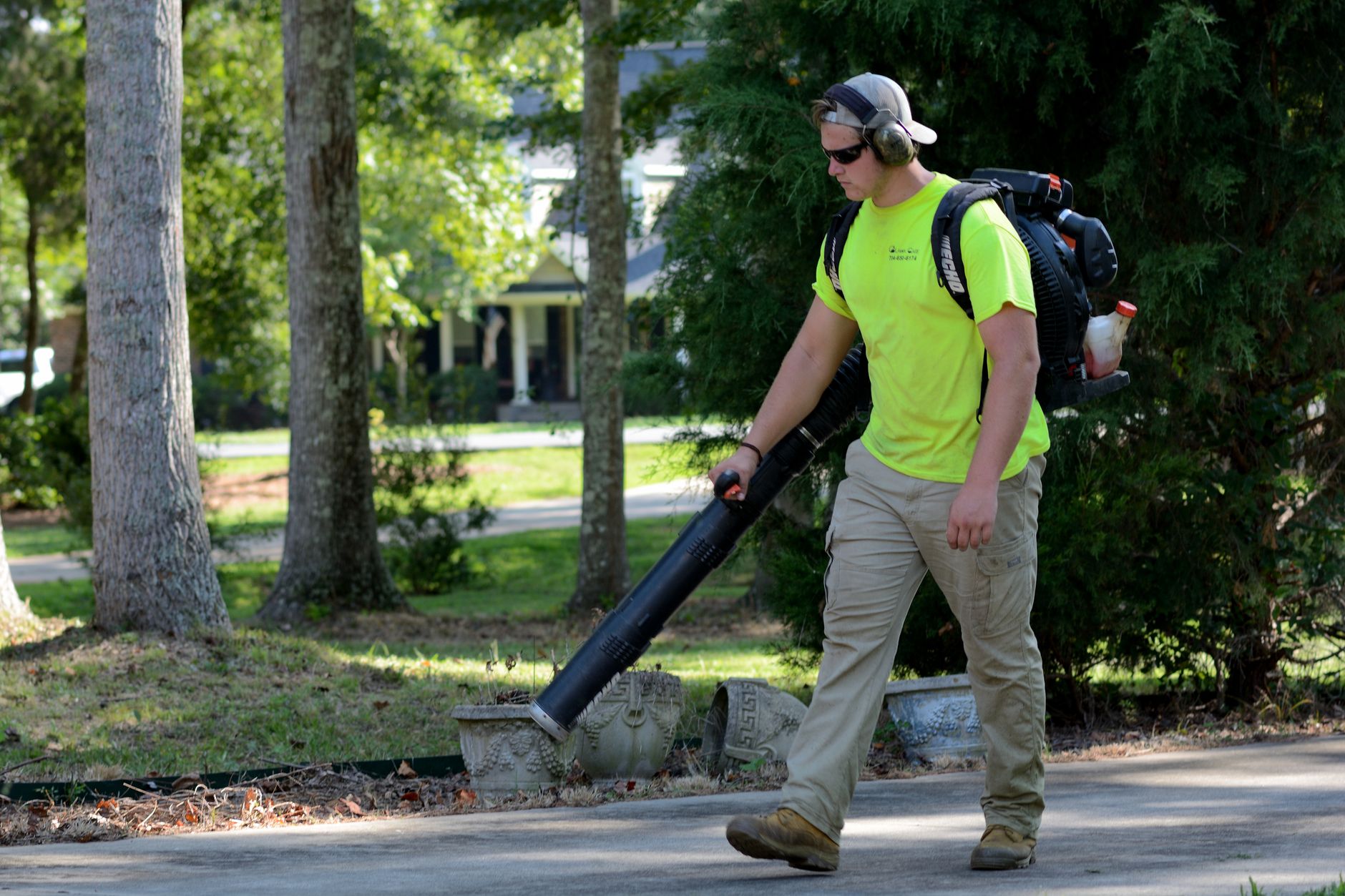
- Work the downed limbs, hard surfaces and debris beds away from the robot path while it cuts.
- Walk the zone again before the next pass, and log what was cleared and what stayed.
What should a crew check before a robot runs after a storm?
Debris is only half the question. Yarbo, a vendor, says its sensors detect storm debris and its AI pauses mowing and returns the unit to its dock in unsafe storm conditions. That is the manufacturer's own claim, and this research did not test it, so treat it as a feature to confirm on the exact unit you run.
Read the owner's manual for the wet ground and weather limits your model follows. Set the go and no go call before the storm arrives, not during it, when the crew is tired and the sky is still changing.
Who clears storm debris on a client property?

Contracts often answer this differently than the crew expects. Gainesville, Florida says commercial property owners, including businesses, apartment properties and churches, must arrange their own storm debris removal rather than rely on the city. Tampa used contracted debris haulers alongside its own crews after its 2024 storm, and its authorized debris contractors were hiring subcontractors. The Tampa page is flagged as possibly out of date, so use it to see the pattern, not as a rule for today.
Turf Magazine offers a free 2025 guide to storm clean up written for commercial landscapers. This research did not review its contents, but it is a reasonable checklist to read before the next storm season. Then put the answer in writing: which party clears limbs inside mowing zones, and who calls a storm pause.
Where does Service Robot Co. fit in a storm week?
Service Robot Co. is an OEM neutral integrator for US businesses. We pick robots across manufacturers, handle commercial robot leasing through financing, then deploy, integrate, train and service each unit under RoboCare, our service coverage. Our offer is a three year lease, with one fixed lease quote set after a site assessment.
Storm weeks are when service coverage gets tested. Regional service engineers provide on site dispatch and remote triage, and emergency response nationwide matters when a unit goes down during a cleanup push. Spare unit coverage is worth asking about for routes a client cannot afford to miss, so raise those terms during the site assessment, not after the first missed cut.
What should the storm week log record?
Record every skipped, paused or moved pass with the date, the cause and what was cleared. A client accepts a moved cut more readily when the reason is written down. The same log also shows the true crew hours a storm costs, which is the number the next bid should carry.
Frequently asked questions
Want a robot working for you?
Tell us the job and the site. We will recommend the robot, quote the lease, and keep it serviced.