
Key takeaways
- Hold fairway robots until storm debris is cleared from robot paths.
- Walk every loop before dawn release, not only visible fairway centers.
- Inspect decks after any pass near small sticks or pine cones.
- Log weather holds with crew clear times for insurance notes.
- Service Robot Co. maps storm hold playbooks during deployment.
Why do windstorms stop fairway robots?
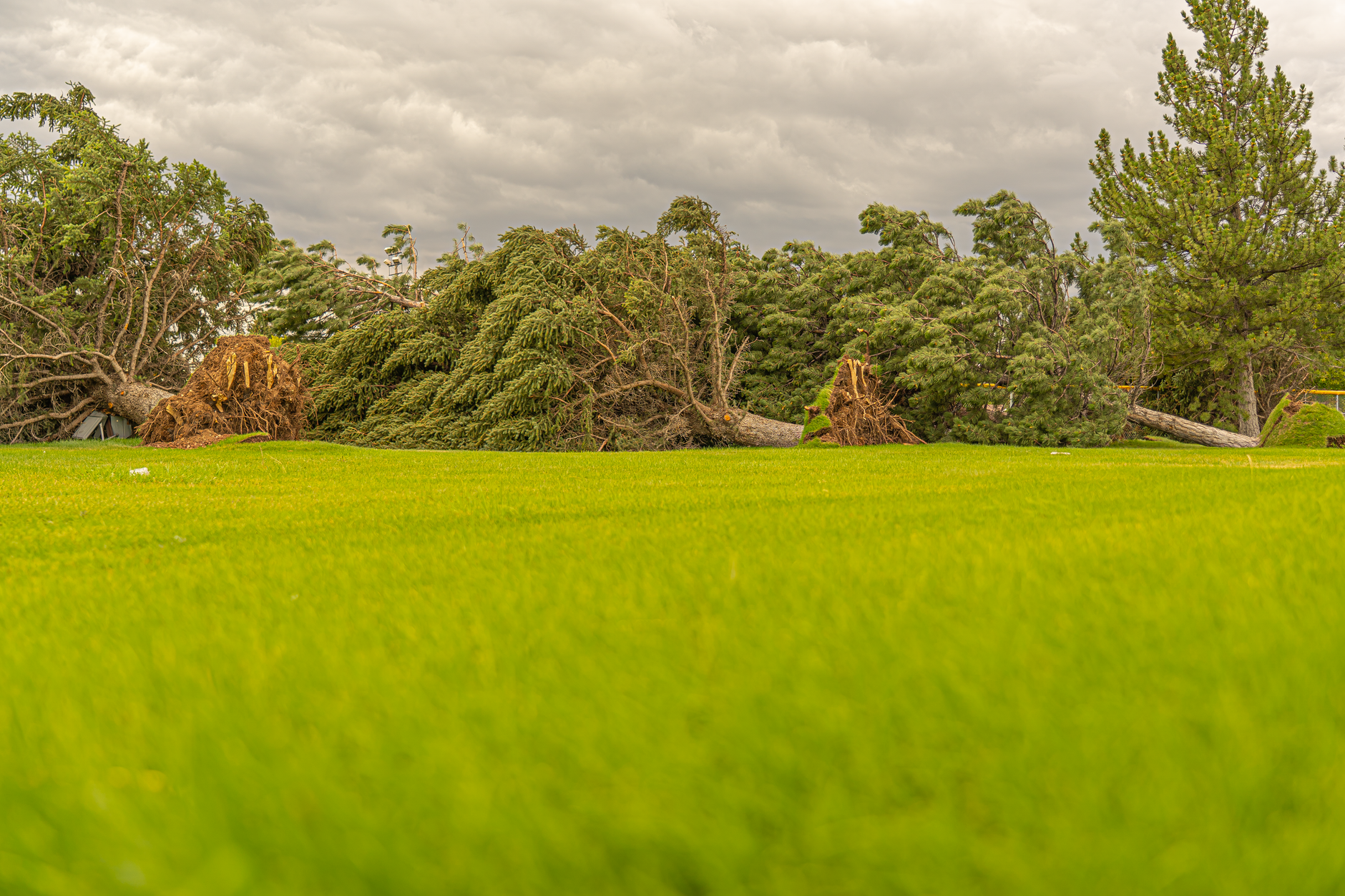
Storms drop branches, pine cones, and palm fronds across fairways and tree lines robots follow every dawn.
Decks and brushes grab sticks that crews would kick aside on a triplex. A jam can stall a unit and tear turf while wheels spin.
Maps do not update automatically after weather. Yesterday's clear corridor may have new obstacles before sunrise.
Storm response is walk first, mow second. Autonomous schedules need explicit holds until debris walks finish.
Photo major limb falls for insurance and arborist records before clearing robot paths nearby.
Which areas need debris walks before robots run?
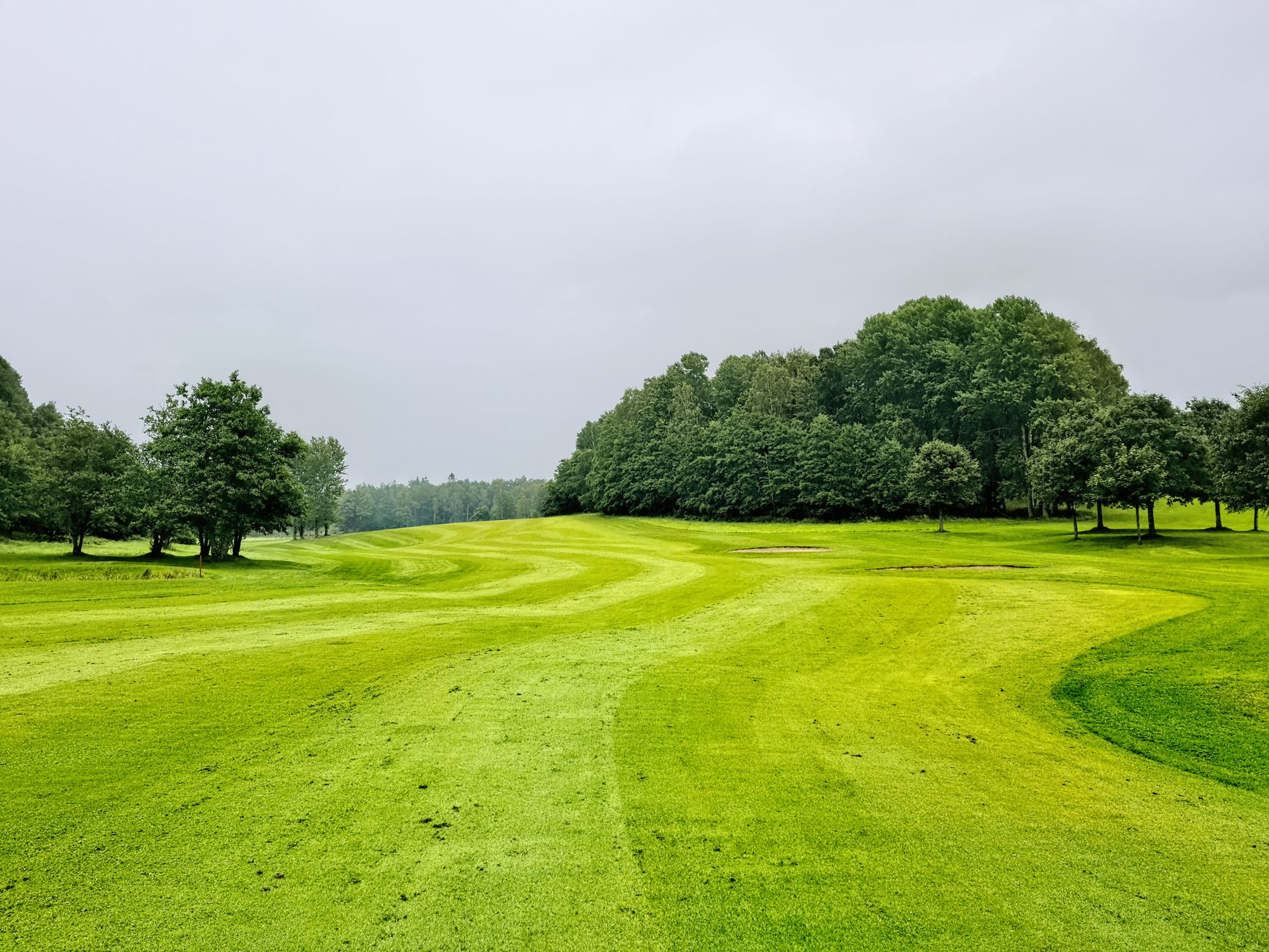
Walk full robot loops, including turns under tree canopies and along water edges where wind rows debris.
Approaches and collars collect sticks blown from rough. Robots crossing those arcs need the same clearance as fairway centers.
Mark holes with downed limbs on the hold list even if fairway centers look clean from the cart path.
Use hole numbers on the hold board, not tree species names, so starters understand quickly.
How should cleanup crews sequence with dawn robots?
Send debris crews down robot corridors before releasing holds, or hold entire nines until chainsaw work finishes.
Blowers can move small litter but not limbs. Do not substitute blowing for removing anything thicker than a pencil.
Radio clear from cleanup lead should match maintenance board release times.
Contract arborists need the robot corridor marked on their work order when limbs overhang paths.
What size debris can damage autonomous decks?
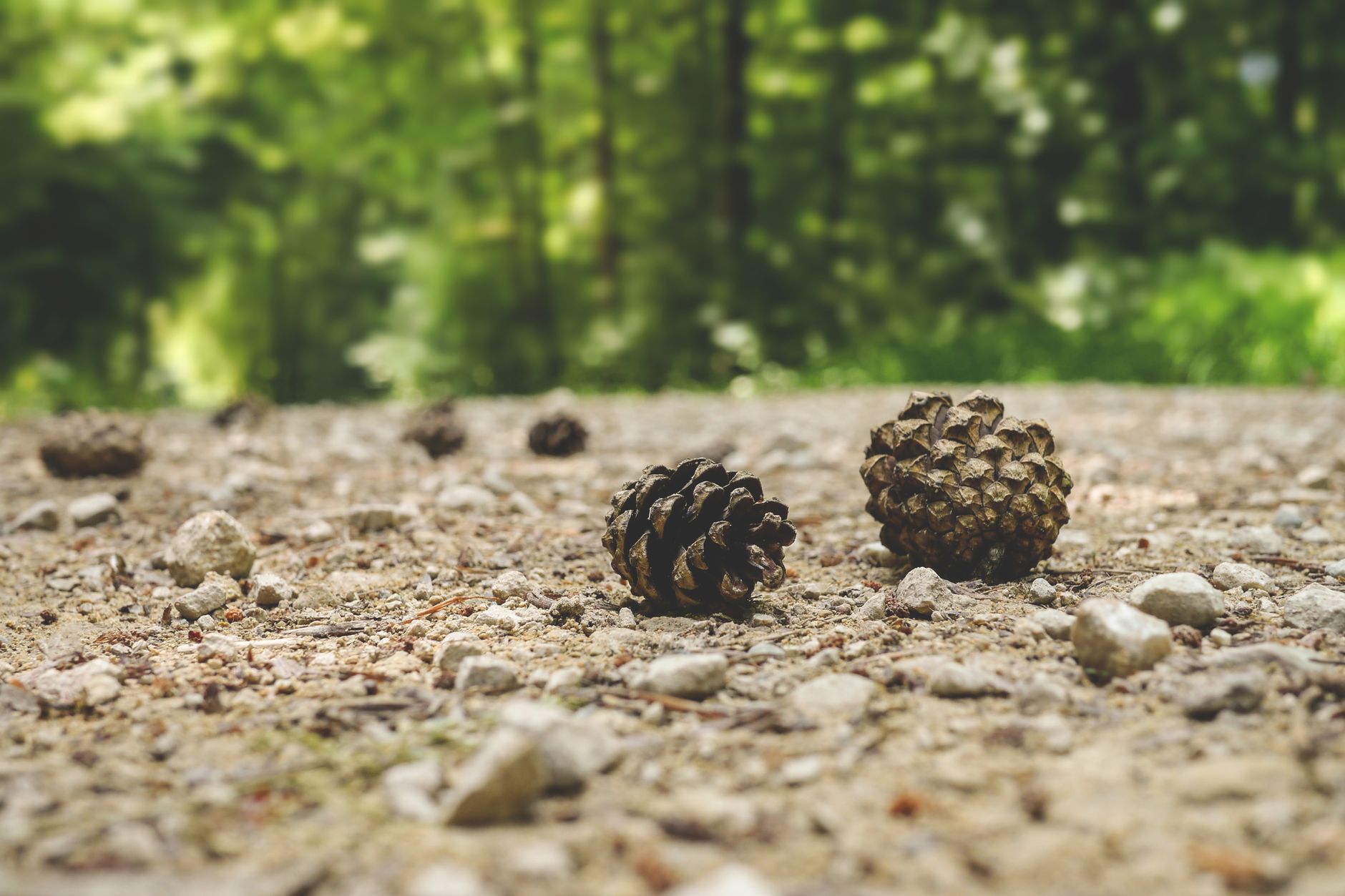
Twigs smaller than a pencil may pass; anything rigid and finger-sized or larger can jam reels or crack bedknives.
Pine cones and sweetgum balls lodge in brush housings. Pick them on turns where trees line the fairway.
Palm fronds wrap around wheels. Treat any frond on the path as a full hold until removed.
Keep a five-gallon bucket on the utility vehicle for cone and stick pickup during walks.
When can fairway loops resume after a storm?
Release holds when walks find no rigid debris on robot paths, standing water is shallow or avoided, and downed lines are not present.
If arborists still work tree lines, keep holds on adjacent holes until they radio clear.
Run a supervised slow loop on the first open hole before enabling the full fleet.
Listen for unusual deck noise on the test pass; early jams sound different than normal cut.
How do wet fairways interact with debris holds?
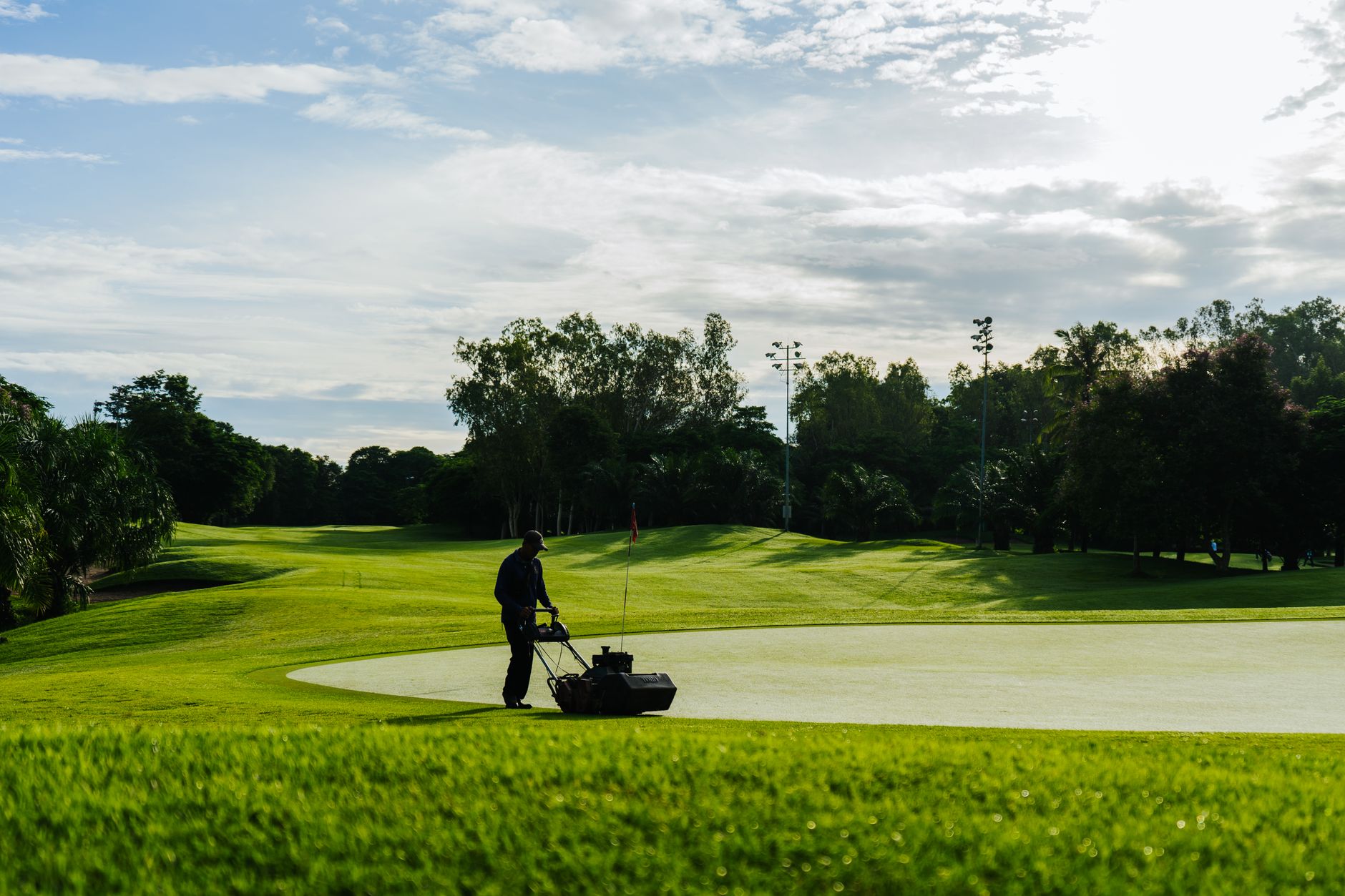
Wet turf plus storm litter increases slip and wrap risk. Extend holds until footing firms even after debris is gone.
Standing water may need pumping or cordoning before robots enter low panels.
Combine storm holds with dew or frost rules when mornings stay cool and humid after weather.
Update irrigation skips after storms so you do not soften panels crews just cleared.
What should starters and members expect after storms?
Fairway stripes may arrive late while crews clear paths. Starters should cite storm debris, not equipment failure.
Temporary cart-path-only rules may apply on wet holes still being cleared.
Tell the pro shop when only partial nines are mowed so pace expectations stay realistic.
League days after storms need a one-line note on delayed grooming versus canceled play.
How does an integrator document storm holds?
Service Robot Co. adds post-storm checklists to your fairway playbook: walk routes, release approvers, and RoboCare contacts.
OEM-neutral financing and fleet support stay in one vendor relationship during weather weeks.
Regional engineers in every state we cover inspect decks after jam events and reset brushes before normal schedules return.
Archive storm hold logs with weather timestamps to tune how many walk crews you schedule next season.


