Key takeaways
- A second lead needs four jobs: dispatch, log reading, clearing listed holds and escalation.
- Handoff notes with fixed headings beat long narrative logs every time.
- Clear only holds on a written list; sensor faults and repeat failures go to the superintendent.
- Rotate the second lead onto dispatch weekly so the skill does not fade between absences.
- Autonomous mowers free crew for other work rather than removing the need for people.
Why one absence should not stop the cut
On a course running autonomous fairway mowers, the cutting schedule often lives in one person's routine: the morning dispatch, the overnight log, and the hold that needs clearing before the first pass. If that person is off sick or on leave, passes stall until someone notices.
The fix is a second crew lead trained for the same four jobs: dispatch, log reading, clearing listed holds, and escalating what they should not touch. The second lead does not need mower engineering. They need to recognize normal from abnormal, follow a written routine, and know exactly which faults are theirs.
Why succession matters more now
Labor is tight. Golfdom has reported on a 2022 survey in which many superintendents rated the labor market poorly. When hiring is slow, one person holding all the mower knowledge becomes a real exposure, not just an inconvenience.
Adoption is also moving. Autonomous mowers were on display at the 2025 GCSAA Conference and Trade Show, according to GCM, and Golf Business News has reported on a course that became the first to use automated fairway mowers on the PGA Tour. More courses means more superintendents asking the same succession question.
What the second lead must be able to do
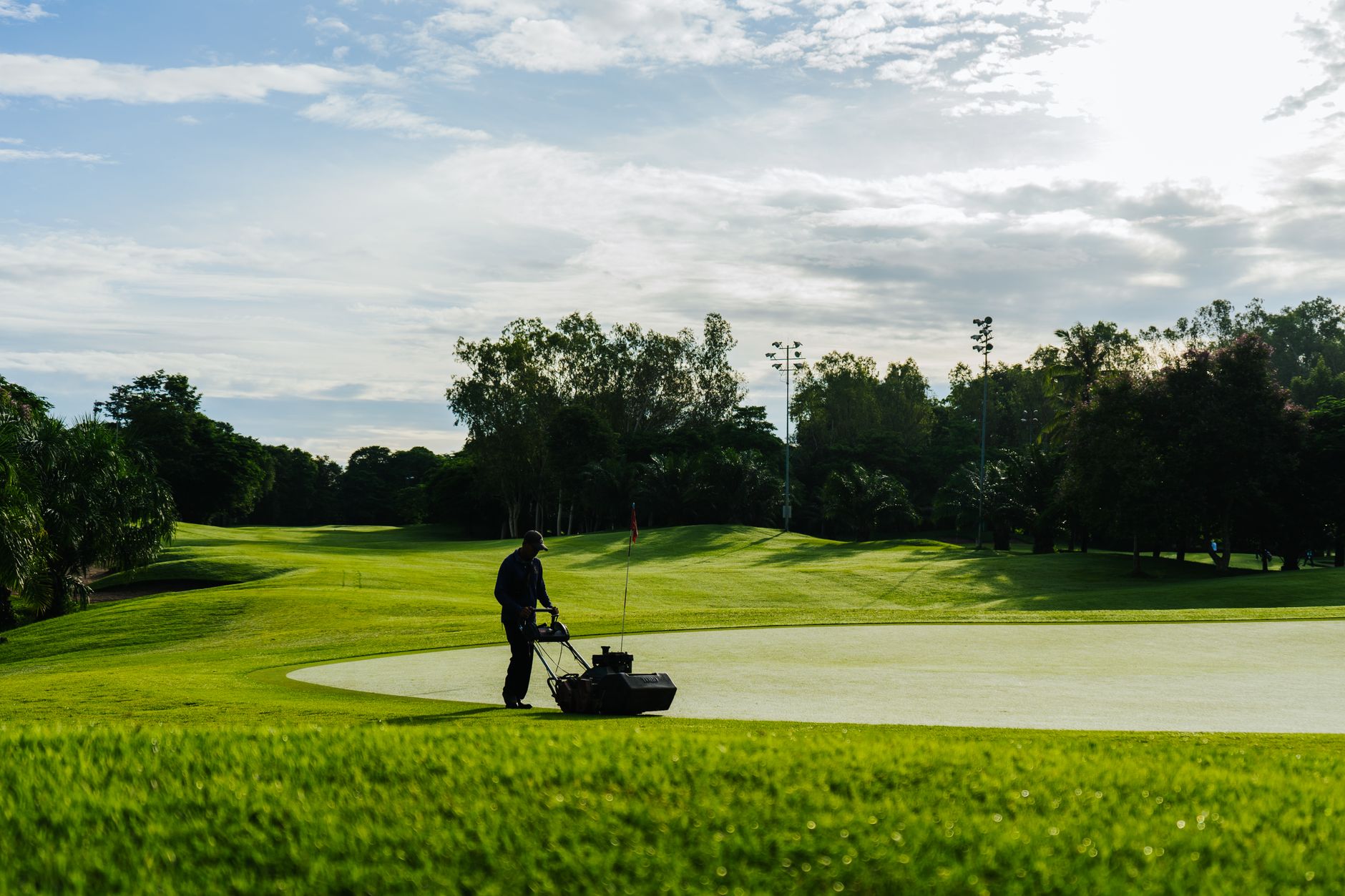
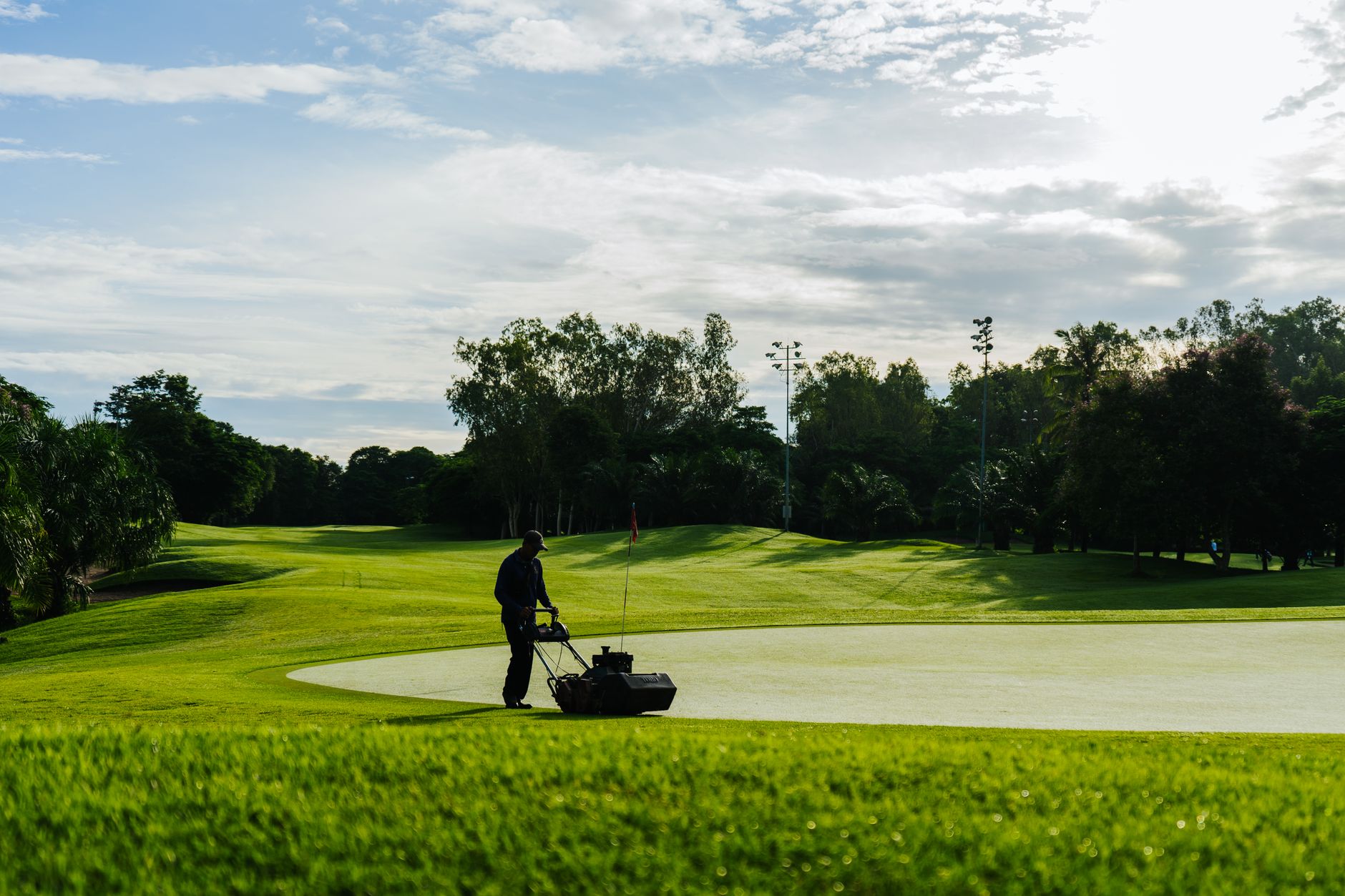
Start with dispatch. The lead should bring the mowers out at the scheduled window, confirm charge and route status, and send them on their way without the superintendent standing beside the machine. Golfdom describes a plan at Wichita Country Club in which the weekly crew leader arrives earlier than other managers to dispatch the mowers, treating them like any other crew assignment.
Log reading and hold clearing come next. Those skills fail first when nobody has practiced them, so they deserve the most drill time.
Reading overnight logs and clearing holds
Overnight logs are where the morning starts. The lead should learn the vendor's log fields on your own machines, not a generic example, and know what a completed zone looks like compared with a pass that stopped partway. Look for skipped areas, repeated stops at the same point, and any alert that went to the supervisor's phone. Formats differ by vendor, so build the training around your actual export.
Clearing a hold should follow a written list. Holds a person can clear after a look, such as a debris stop or a mower waiting at a gate, can sit with the second lead. Sensor faults, repeated lockouts, contact with anything, or damage stay with the superintendent. Have the second lead practice in daylight with the superintendent watching before clearing anything alone.

Handoff notes that carry real control
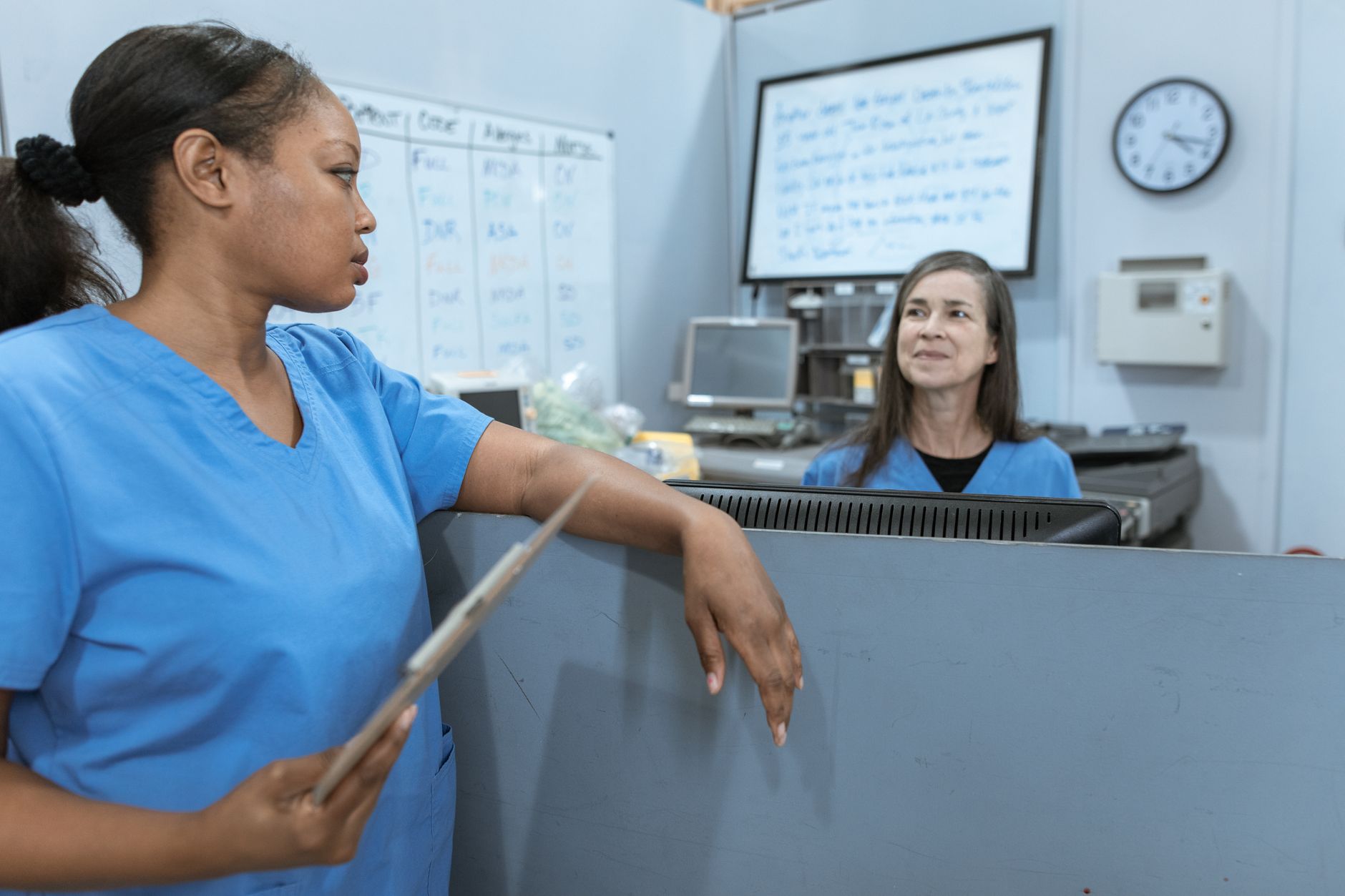
A handoff note is only useful if it names the open items. Keep it as a short daily record with fixed headings: what ran, what held and why, what was cleared and by whom, which zones need a look, and the next dispatch time. Put it where both leads check it before the first pass, not in a binder nobody opens.
Keep the note short enough to read in two minutes. Long narrative notes get skipped under pressure. A stable template lets a substitute find the reason for a hold in seconds, which is the whole point of writing it down.
Daily checks before dispatch and after each window
Before dispatch, confirm the mowers are charged or charging, the course map matches current conditions, and no tree work, new sprinkler heads or event setup has changed the route. Each of those can alter what the mower should avoid, and an outdated map is a common source of holds.
After the window, check completed areas against the plan and log any gaps. Golfdom coverage describes superintendents monitoring and controlling a mower from anywhere on the course by phone, tablet or computer, with the mower texting the supervisor when an issue arises. That remote view lets a trained lead check status through the day, but an alert still means someone walks out to look.
When the lead escalates to the superintendent
Escalation should be early and easy, not a test of competence. Call the superintendent when any of these happen:
- A fault repeats after the lead has cleared it once
- Any contact, near miss or damage involving people, pets, vehicles or equipment
- Zones missing passes on two consecutive nights
- A mower outside its boundary or in the wrong zone
- Any hold that is not on the written clearing list
Keeping the skill alive between absences
Rotate the second lead onto morning dispatch at least once a week, even when the primary lead is in. Run a drill where the primary is off for a morning and the second lead handles a simulated hold from start to finish. Practice keeps log reading sharp between real absences.
Vendor training helps too. Golfdom describes a Reesink training school focused on protocols and risk assessment, where one course manager was shown how to control Turf Pro mowers through the Smart App. Ask any provider to train your second lead on the same protocols, not only the superintendent.
Where a robot integrator fits the succession plan
Service Robot Co. is an OEM-neutral integrator. We choose the robot that fits the work, then lease it through financing, deploy it, integrate it and train the crew, including a second lead. Every unit is covered under RoboCare, our service plan, backed by regional service engineers in each state we service. A lease quote follows a site assessment, so the training plan can be built around your course before the first pass.
When you interview any integrator, ask who trains the second lead, how a unit that stops mid-window gets handled, and who answers the phone at night. Those answers matter most on a Tuesday when your primary lead is out.
Frequently asked questions
Want a robot working for you?
Tell us the job and the site. We will recommend the robot, quote the lease, and keep it serviced.