Key takeaways
- One named shift lead pauses and resumes every autonomous fairway run.
- The mower's sensors stop the machine, but they do not decide when play can safely resume.
- Lightning holds follow the 30-30 wait, and that figure should be checked against NWS guidance first.
- Every hold gets a log line with the trigger, the times and the name of the person who released it.
Who pauses a fairway run, and who lets it resume?
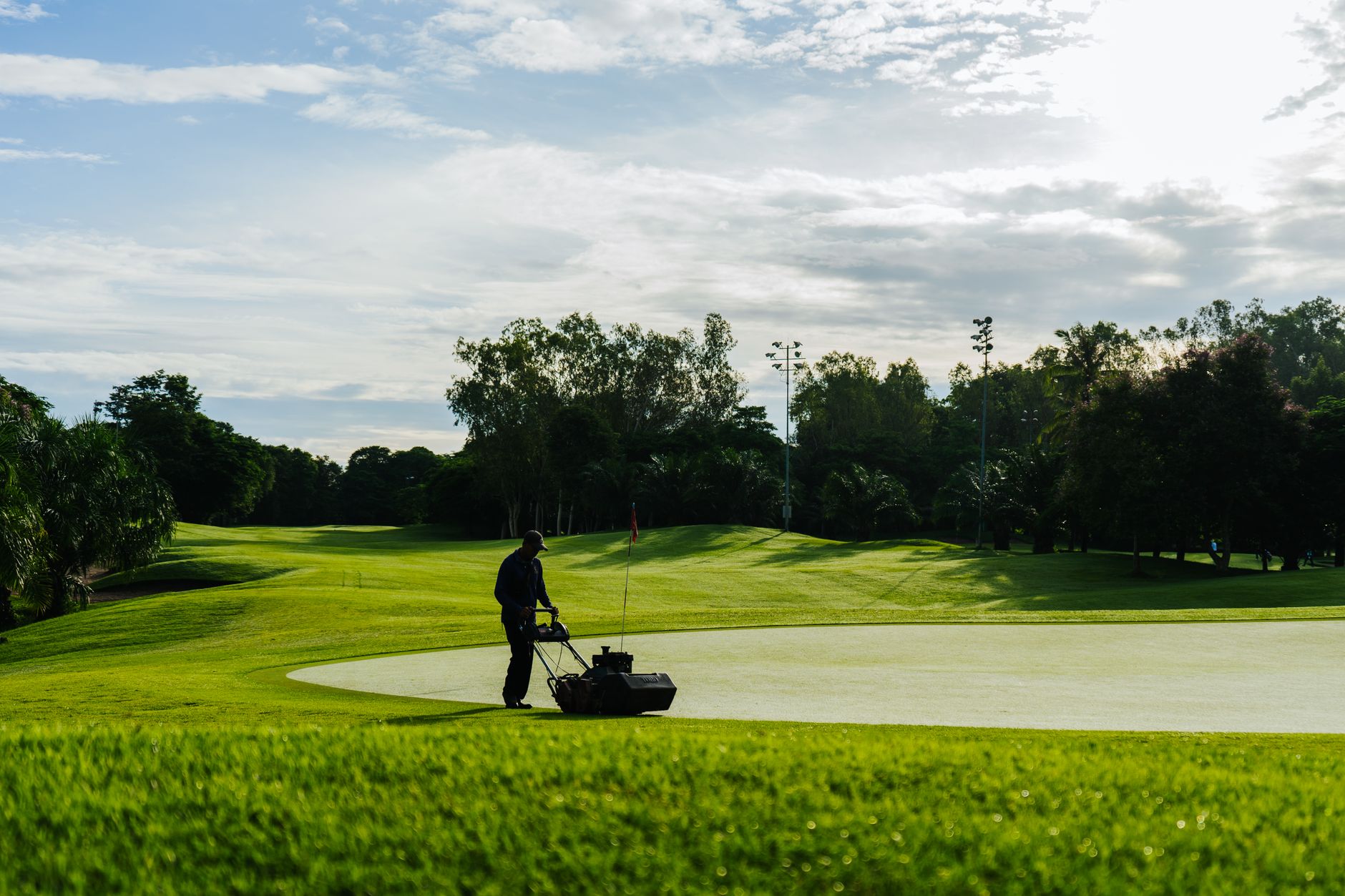
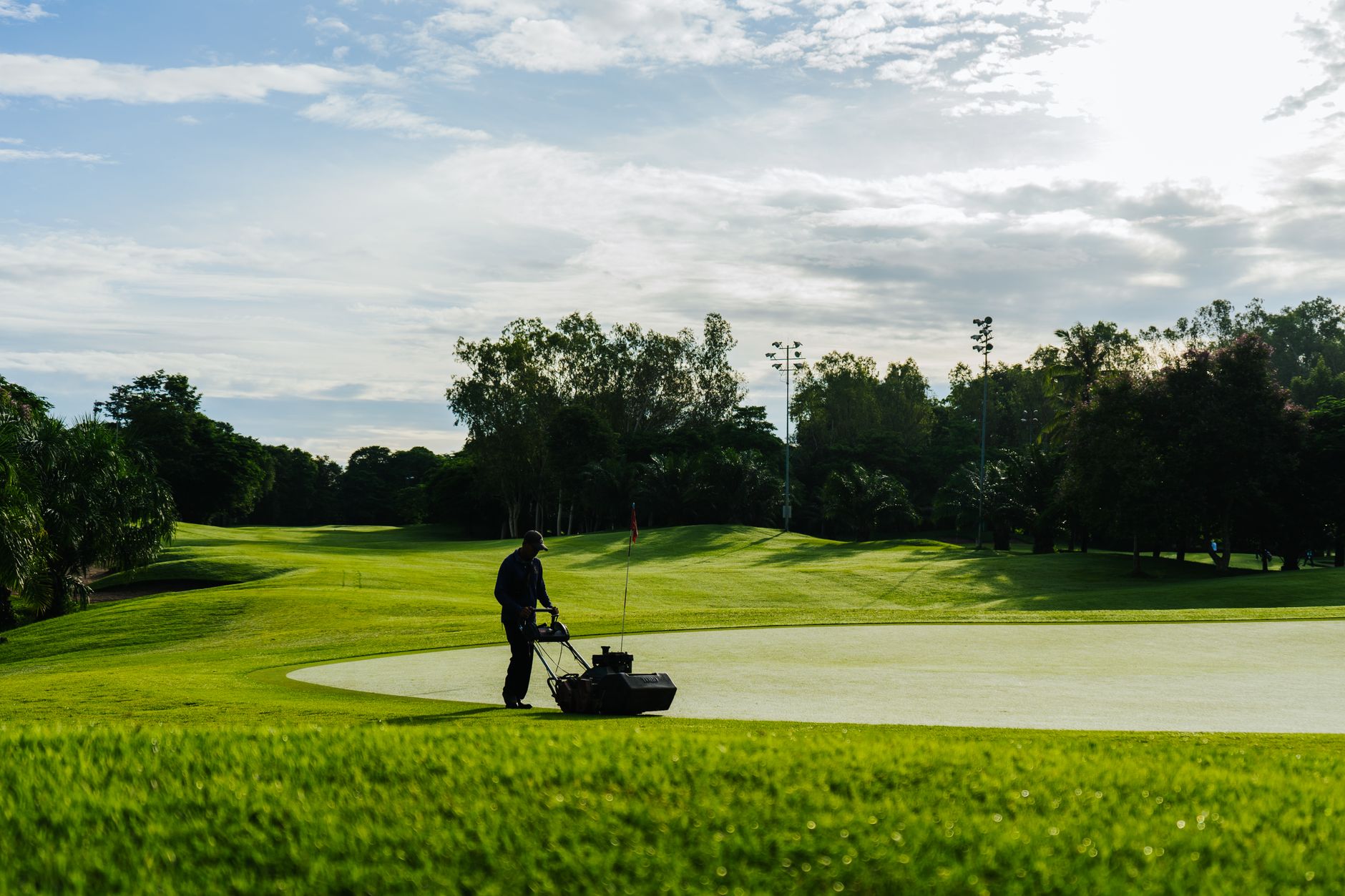
The shift lead pauses an autonomous fairway run, and the shift lead approves the resume. That holds for players on or near the corridor, lightning in the area, a crew member working inside the mowing zone and wildlife on the cut. The mower's own alerts feed that decision. They do not replace it.
Every hold needs three things: one named person with authority, a trigger the crew can recognize in seconds, and a written note of who released the machine. Without those three, a stopped mower turns into an argument about whose call it was.
The chart in this article is a working template, not a regulation. The lightning wait comes from the weather guidance cited in the sources. Adjust the zones and roles to your own course, your crew and your sightlines.
Why the mower's alerts cannot make the call
Toro says its GeoLink autonomous fairway mower uses three sensor types to detect obstacles and shuts the machine down when needed, to protect bystanders and equipment. Toro also describes a courtesy zone and a hazard zone on the machine, but the material reviewed does not explain what triggers a stop in each one. These are vendor statements, not independent test results.
A sensor reacts to what is in front of it. It does not know that a group is about to step onto the fairway from a cart path, that a storm is building behind the tree line, or that a landscaper is kneeling in the rough where the sensor cannot see. Those are judgments, and they belong to a person on the property.
Course layout raises the stakes. Golfdom's November and December 2025 coverage notes that courses crossing public roads or running through housing put superintendents in more contact with the mower than parkland-style courses. The design standard for battery-powered robotic lawnmowers, IEC 60335-2-107, covers units up to 75 V DC, but the material reviewed did not confirm its requirements for detecting people or animals.
The shift-lead decision chart
Work down the list and apply the first row that matches. Each row names the immediate action and the person who may release the machine.
- Players on the corridor or about to enter it: stop the run at once. Release when the group has cleared the corridor and the shift lead has seen it clear. Released by the shift lead.
- Lightning seen or heard in the area: stop the run and move crew to shelter. Release only after the full 30-minute wait has passed and is logged. Released by the shift lead.
- Staff inside the mowing zone: stop the run and park the machine in a safe spot. Release when the crew member has left the zone and confirmed it by radio or in person. Released by the shift lead.
- Wildlife on the cut or crossing it: stop the run and let the animal move off. Release when the zone is observed clear. Released by the shift lead.
- Mower alert with no visible cause: stop, inspect the path, and log it. Release after inspection by the shift lead. If the stop repeats, the superintendent reviews the zone before the next run.
How long does lightning keep the mower parked?
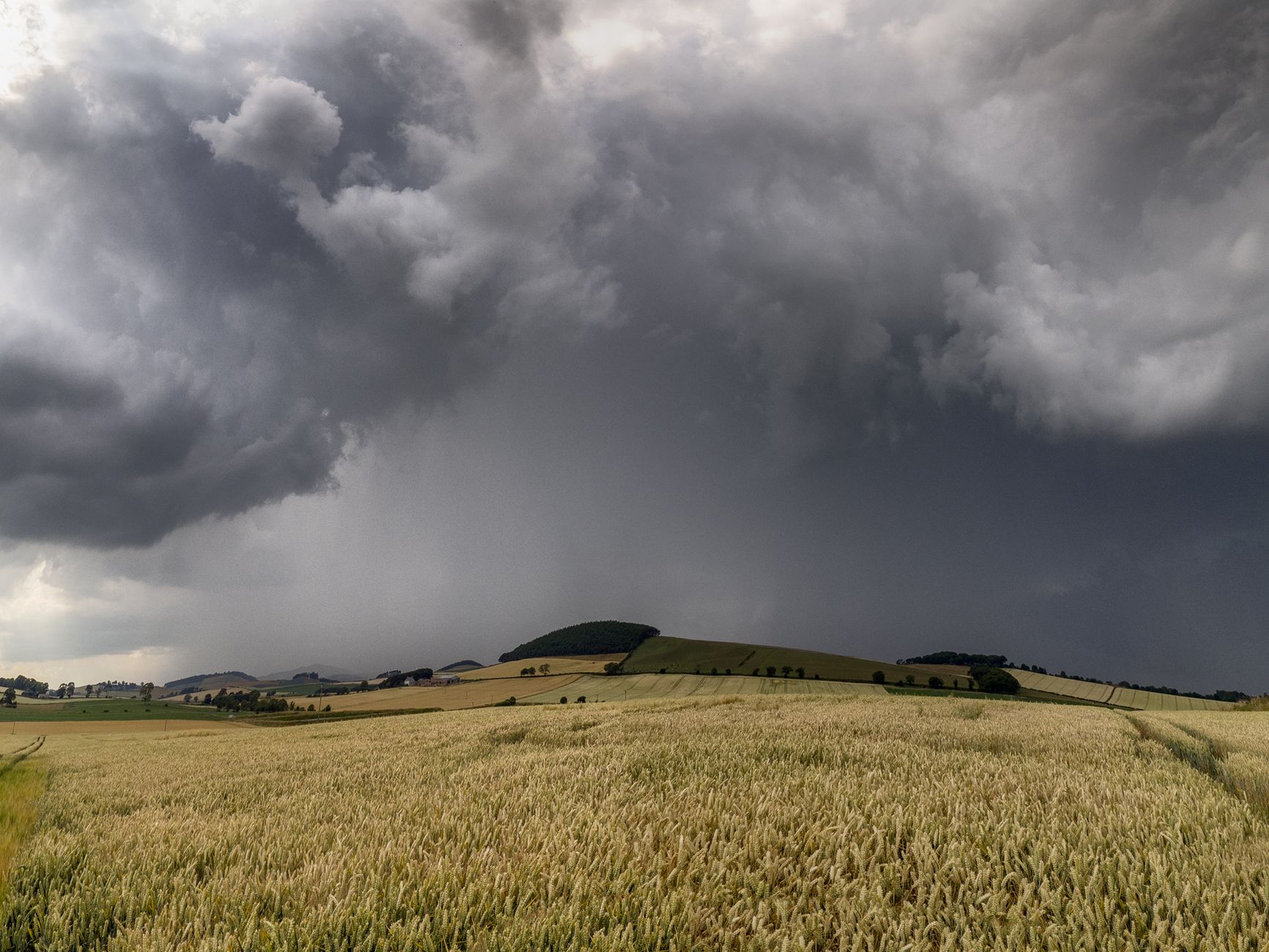
Lightning sets the longest pause on the chart, and it is the hold most likely to be argued down. The 30-30 rule, as summarized by Farmers' Almanac from NOAA-affiliated guidance, says that if the flash-to-thunder count is 30 seconds or less, you are in danger and should seek shelter. The second 30 means waiting 30 minutes after the last flash or thunder before resuming.
That source is a secondary summary. A workplace-safety blog says the 30-30 figure is NOAA guidance that OSHA references in its outdoor-worker fact sheet, OSHA 3863, but that link was not confirmed against the OSHA document itself. Check the National Weather Service lightning safety page and OSHA 3863 directly before you write the rule into a manual.
Two practical habits follow. Check the forecast before the run starts, and keep a weather app or portable weather radio with the crew. The thirty-minute wait starts over with any new flash or thunder, so a shift lead who resumes early on a quiet afternoon is betting that the storm has truly passed.
Why staff and wildlife holds need a name on them

Crew members move in and out of mowing zones for edging, sprinkler checks and cup work. A hold is safe only when the shift lead knows the crew member has left. A radio call that the shift lead receives and acknowledges closes that loop, and a wave across the fairway does not.
Wildlife works the same way. A deer on the cut, geese on a wet green edge or a heron by a water hazard all need a person to look and decide. The material reviewed does not describe how the mower treats animals specifically, so do not assume the machine will hold for every creature you would want it to hold for.
Who approves a resume, and what the log must show
The shift lead releases player, staff and wildlife holds. The superintendent, or whoever runs the autonomous program, sets the policy: which zones count as hold zones, which triggers are fixed, and when a repeated stop goes to a higher level. Post those roles where the crew meets and in the run software's contact list.
The person who stopped the machine does not restart it on the same call unless that person is also the shift lead. This keeps the release decision with someone who can see the whole corridor, not only the spot where the stop happened.
The log is where authority becomes checkable. Record the trigger, the start and end times, the person who stopped the run and the person who released it. Over a season the log shows whether a corridor needs different mapping, a different start window or a second person on the cart path. Toro says its mower also has an operator seat and steering wheel for manual operation when needed, so any manual move during a hold is a separate act that the shift lead should name and log.
Where a lease partner fits the hold chain
Service Robot Co. (servicerobotco.com) is an OEM-neutral integrator for US businesses. We pick the right robots across manufacturers, then lease them through financing on a 3-year lease with one fixed lease payment quoted after a site assessment. We deploy, integrate, train and service every unit under RoboCare, our service plan, backed by regional service engineers in every state we service.
A site assessment is the right moment to list corridors, crossings, staff routes and wildlife habitat, so the hold chart is written before the first run rather than after the first stop. Training should put that chart in front of every shift lead who will use it, including the seasonal staff who open and close the course.
We do not claim that any single vendor's sensors make the hold decision. Hold authority is a people process, and it stays with the person on shift.
Frequently asked questions
Want a robot working for you?
Tell us the job and the site. We will recommend the robot, quote the lease, and keep it serviced.