Key takeaways
- Open, low-obstacle turf is where a robot mower fits vacant parcels best.
- City tall-grass thresholds and notice periods differ, so check each ordinance before quoting.
- No mower is fully theft-proof, so layer PIN locks, GPS alerts and named responders.
- Walk every lot first to log slopes, drains, debris and trash before the first pass.
- Write the cut schedule, supervision and lease exit into the proposal before anyone signs.
Why do tall-grass vacant lots draw complaints so quickly?
Vacant commercial parcels held by banks, asset managers and municipalities often sit empty between tenant changes. Grass keeps growing through that gap, and once it passes a local threshold, neighbors and code staff start calling. A tidy cut on a steady schedule closes that gap, and robotic mowing can supply that schedule when the site suits it.
The short answer: open turf with few obstacles suits a robot mower, because the machine can make repeated passes without the hand trimming a busy landscape demands. The proposal still has to cover supervision, theft precautions and a site visit before the first pass, or the program will generate the very calls it was meant to stop.
What do local tall grass rules actually set?
Thresholds are set city by city, so no single figure applies to every lot. Three examples from typical U.S. codes show how varied the rules are:
The notice period is the part a robot schedule must beat. A proposal that targets a cut before the notice window closes keeps the phone quiet. Check the local ordinance before quoting any figure, because codes change, and some let the city cut the grass and bill the property holder.
- Haysville, Kansas allows 18 inches on properties without dwellings or under active agricultural cultivation.
- South Bend, Indiana defines weeds and rank vegetation at 9 inches, and some vacant lots must also stay free of trash and debris, not only mowed.
- Ennis, Texas sends a certified or posted notice, then gives property holders 10 days to mow.
Why does open turf suit a robot mower?
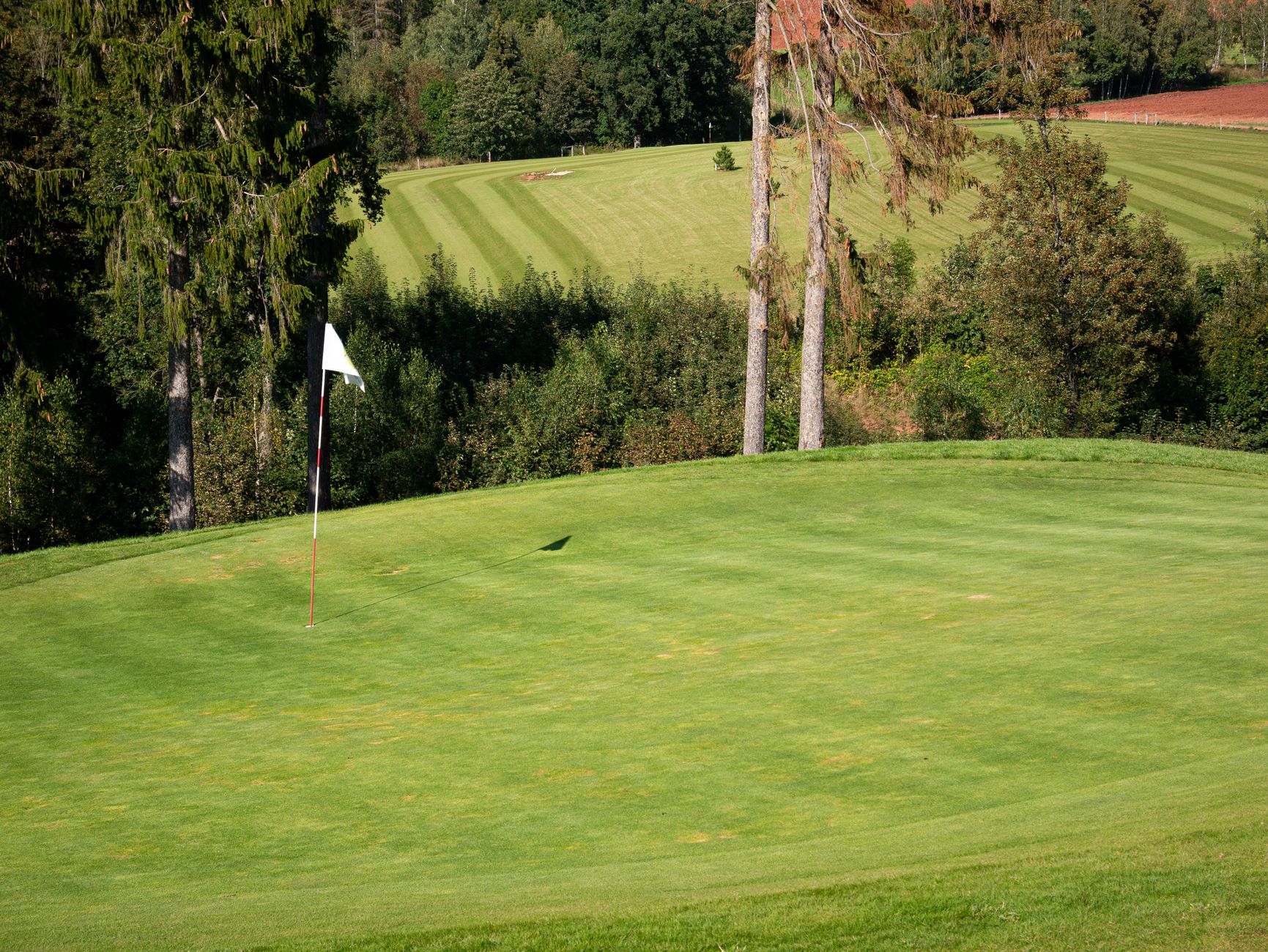
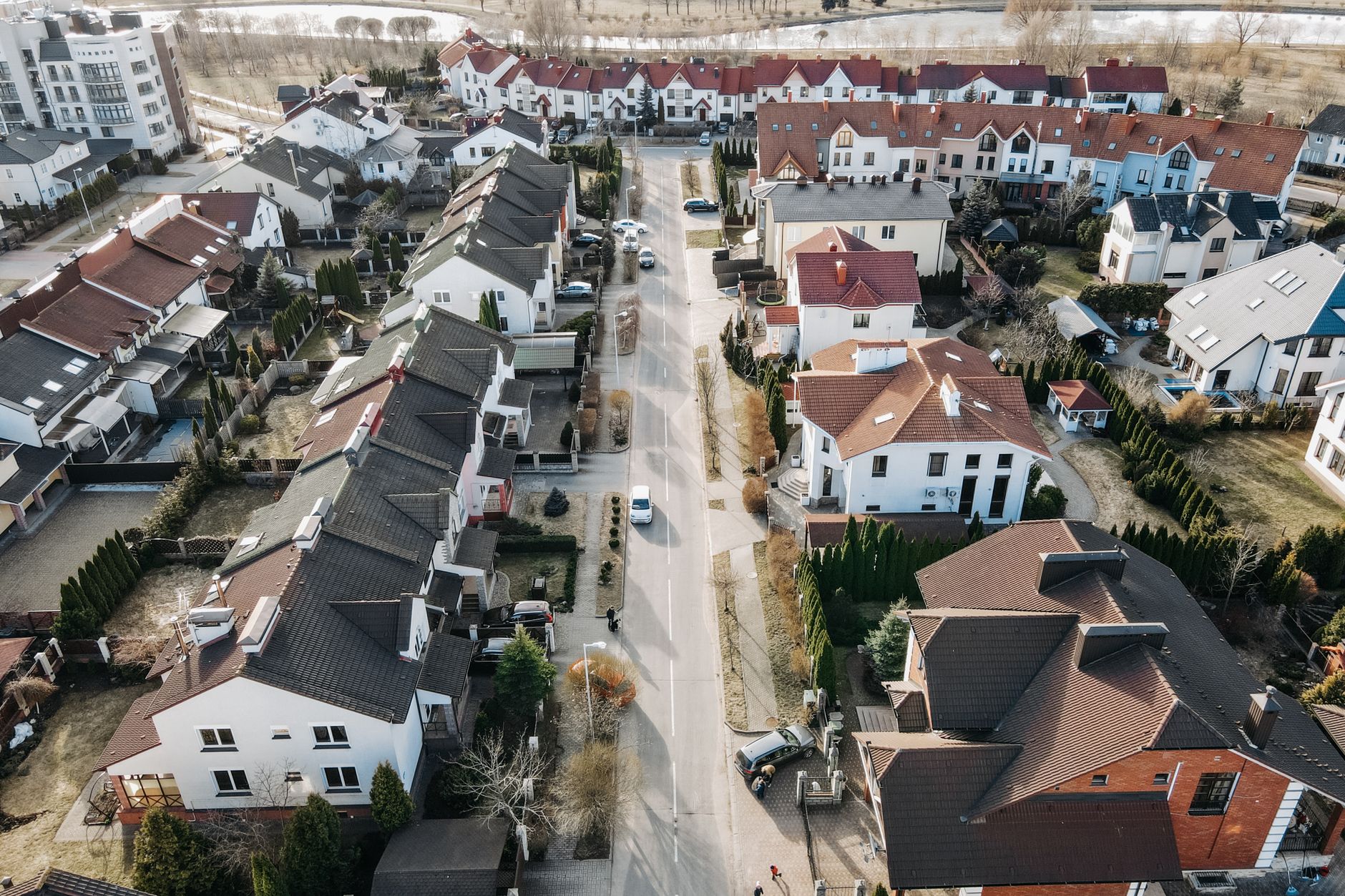
Open turf gives a robot a predictable boundary and few interruptions. A lot with one perimeter, clear pavement and a handful of light poles is far easier to map than a wooded parcel full of stumps and fence runs. Trade press is also paying attention: a 2026 grounds-maintenance article titled The Future of Grounds Maintenance: Robotic Mowing in 2026 covers the approach. We confirmed only its title, not its body, so we do not quote its claims.
Turf Magazine reported that Husqvarna robotic mowers supported turf management at the 2026 U.S. Senior Women's Open, with course crews shifting toward irrigation and detail work. That account is vendor-supplied. Mitie, a UK facilities company, announced 24 electric Kress Voyager mowbots across its sites, including schools, working alongside its landscapers. The announcement date was not confirmed.
Gaps remain. We found no independent data on how robotic mowers perform on vacant lots, and no verified count of how many vacant commercial parcels banks or municipalities hold. Treat any performance promise as something to test on your site.
How should a proposal handle theft on unattended turf?

Vacant parcels are quiet, unattended and often out of sight of anyone who checks them daily, which makes theft a planning item rather than an afterthought. Vendor sources agree that no mower is fully theft-proof. A proposal should layer controls instead of trusting one feature.
As of November 2026, Husqvarna's support page says its Automower theft protection stops the mower from running without its PIN, and the PIN must be entered if the mower is stopped or lifted, or if an audio alarm sounds. Its X-line models use GPS to create a virtual fence. Eufy says its 4G tracking can alert an app if a mower leaves its work area. These are vendor claims, so list them as features to verify on the specific model.
For a bank or municipal client, name who receives alerts, how fast someone responds, where the mower rests overnight, and who is notified if a unit goes missing. Good records of serial numbers and site locations also speed any police report and the financing party's paperwork.
What belongs in a site visit before the first pass?
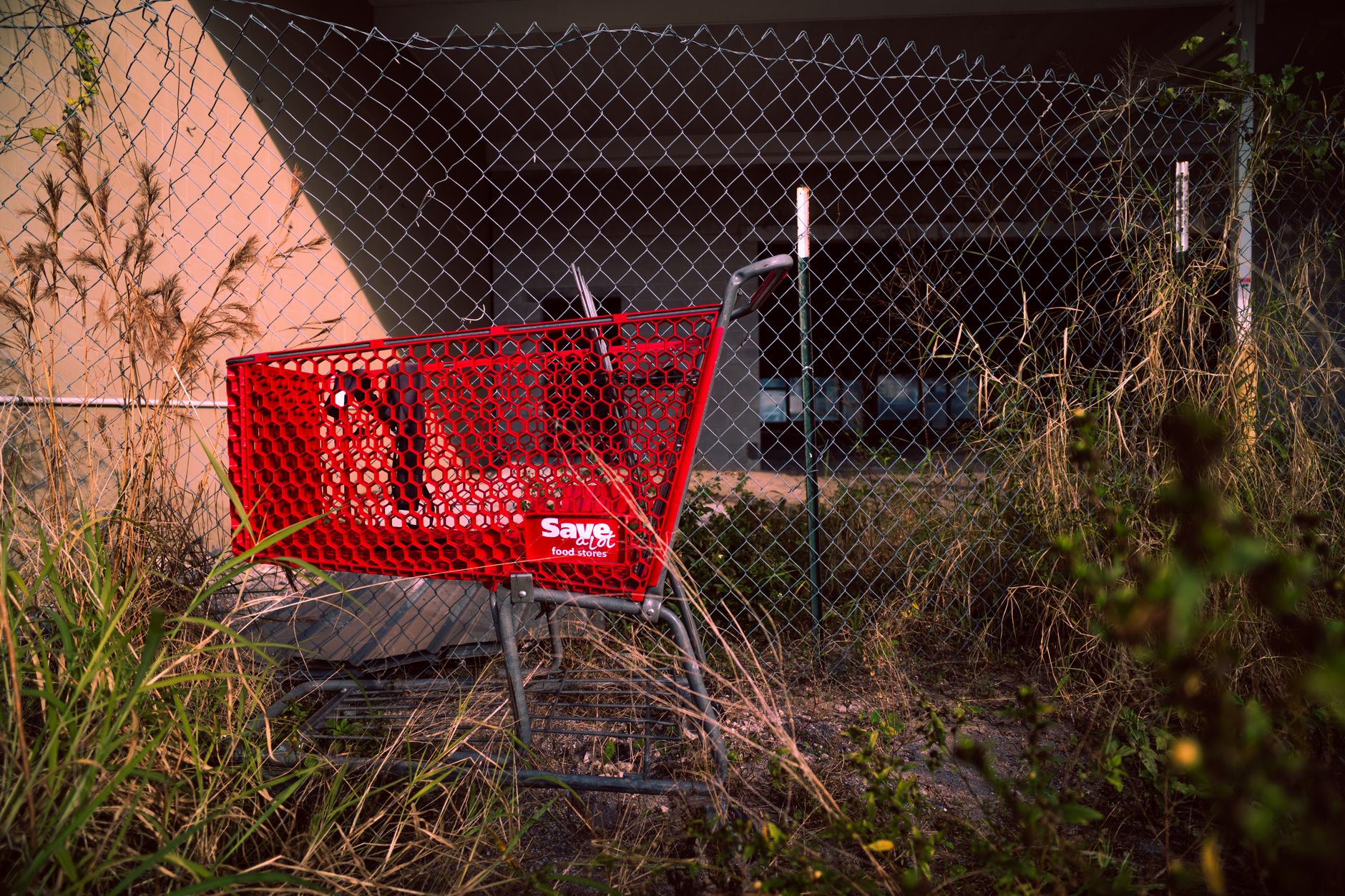
A site visit should record what a robot will meet, not just the acreage. Walk the edges the mower will work, and note slopes, low spots that hold water, curbs, rock, sprinkler heads, and any trash that must leave before a mow. South Bend's rule shows why trash belongs on the list, since mowing alone may not satisfy the code for some vacant lots.
Also mark access gates, locked fences, utility boxes, and a spot for the charging base that is out of sight and sheltered from weather. Record the present grass height, the city threshold, and any notice history if code staff have already visited. Then set the schedule so the first robot pass lands before the next notice deadline.
How does a lease get quoted for a vacant lot program?
Service Robot Co. (servicerobotco.com) is a full-service commercial robot integrator for US businesses. We stay OEM-neutral, so the robot is chosen for the site across manufacturers, then leased through financing on a 3-year lease. The lease is quoted as one fixed payment after a site assessment, so the client sees the figure before the first pass.
Deployment, integration and training come in the same engagement. Every unit is serviced under RoboCare, our service plan, backed by regional service engineers in every state we service. For a parcel portfolio, one partner covering the lease, setup and service calls is easier to hold accountable than several vendors dividing one lot list.
What should a vacant lot proposal put in writing?
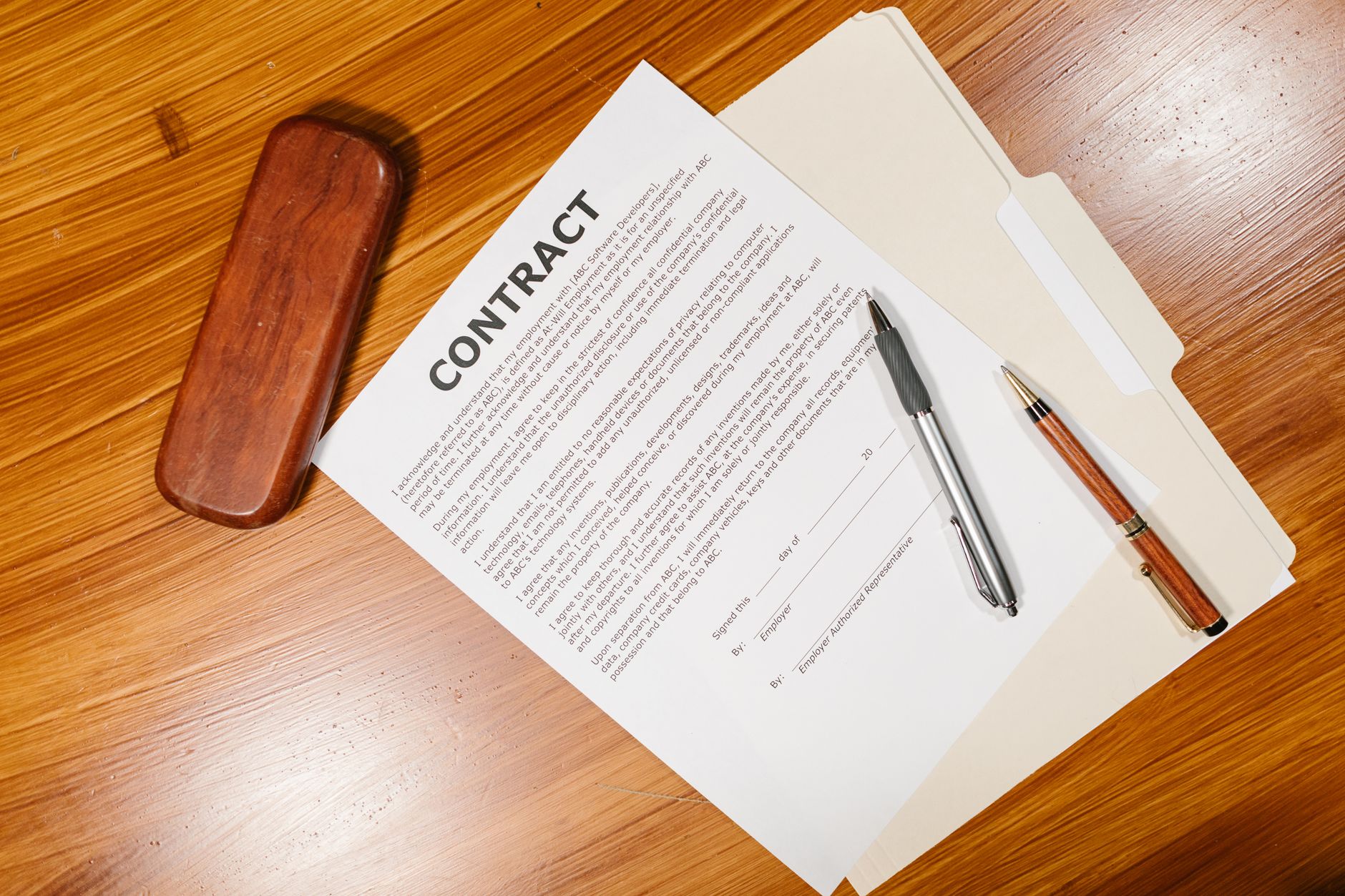
Put the cut schedule first. State the target height, the day and time windows, and the trigger for an extra pass after storms or a stalled tenant change. Then name the trash and debris work that comes before mowing, assigned to a named crew, so the robot is not blamed for litter it never saw.
Next, name the supervision. Say who reviews run logs and alerts, how often, and who is called when the mower stops, leaves its boundary or is lifted. Include the code threshold for each city in the portfolio, so the reviewer knows which lot sits closest to a notice. A weekly log review catches a stalled unit before a neighbor does.
Finish with the exit. Lease terms, the service response expectation and condition checks at lease end belong in the document a board or council signs. Written terms let every party check the same facts when a lot changes hands.
Frequently asked questions
Want a robot working for you?
Tell us the job and the site. We will recommend the robot, quote the lease, and keep it serviced.
Sources
- GGM Group: The Future of Grounds Maintenance: Robotic Mowing in 2026
- Turf Magazine: Husqvarna robotic mowers at the 2026 U.S. Senior Women's Open
- City of Haysville, Kansas tall grass code (PDF)
- City of South Bend, Indiana weeds and rank vegetation ordinance
- City of Ennis, Texas high weeds and grass
- Husqvarna support: how the Automower theft protection system works
- Eufy: are lawn mower robots theft-proof
- Mitie announcement on Kress Voyager mowbots