Key takeaways
- Floor robots suit the quiet stretch after peak hours only when queue lanes and curb staging are mapped first.
- Door thresholds and wet weather entries shape the cleaning route more than total floor area does.
- The charging dock must stay clear of queue lines, exit routes and the wet entry path.
- Public evidence for rideshare and taxi hub floor robots is thin, so start with one zone and log every run.
- Service Robot Co. leases robots on a three year lease with one fixed lease payment quoted after a site assessment.
Why is the off peak window the right time to clean?
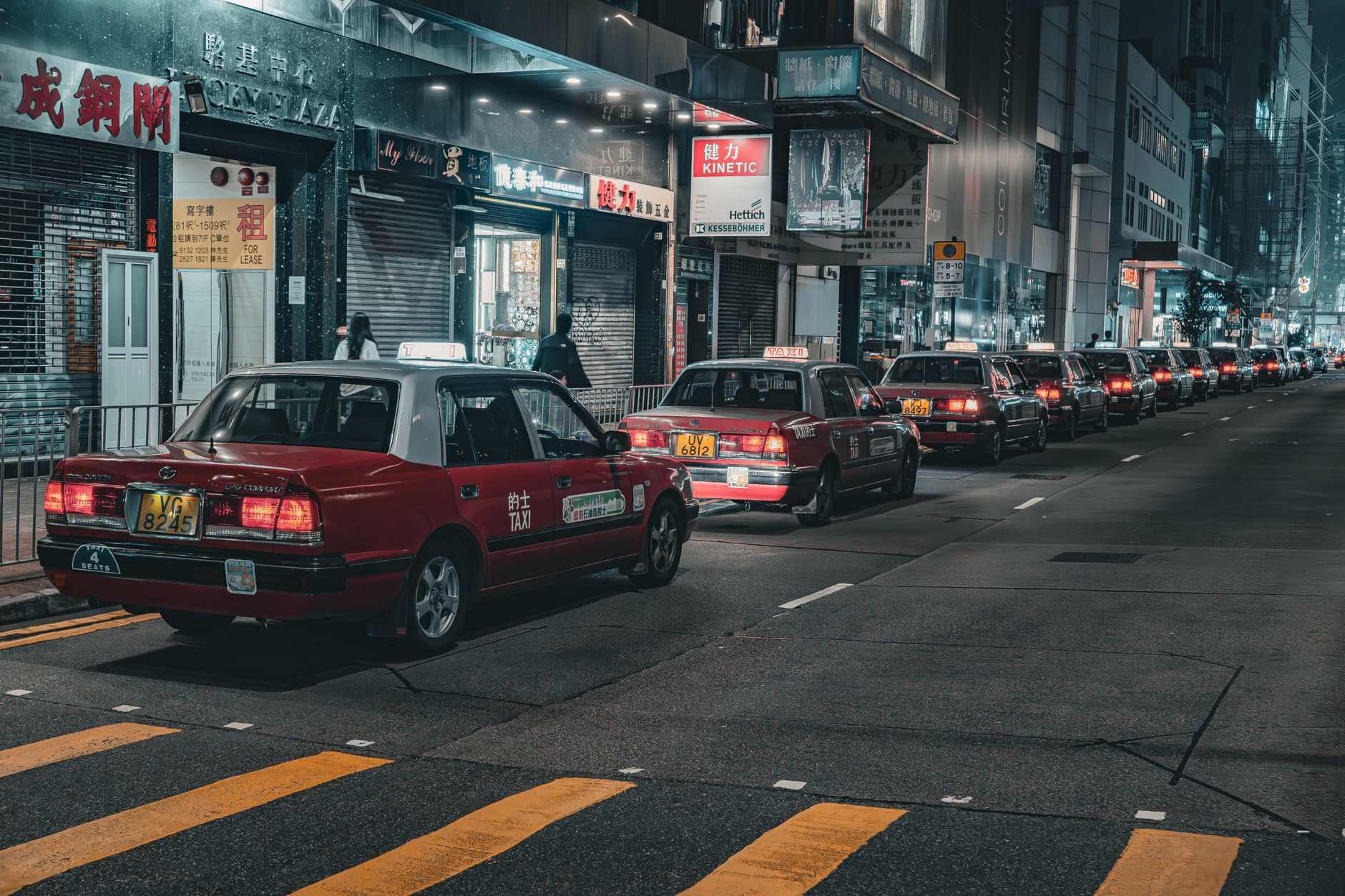
A hub has two floors in one building. The curb side queue area rarely stops moving, while the waiting area empties in patches. The robot's job lives in the gap between them, and that gap should be defined by counts rather than guesses: when the last dispatch wave clears, when the curb staging lane drops to a small number of vehicles, and when door traffic falls to a trickle.
Hospitals have tested the same logic. Upstate IMT at SUNY Upstate reported an overnight pilot of a floor cleaning robot intended to help environmental services staff on thin night shifts. The lesson carries over. The robot covers the hours that a short crew cannot reach.
What should you map before the first run?
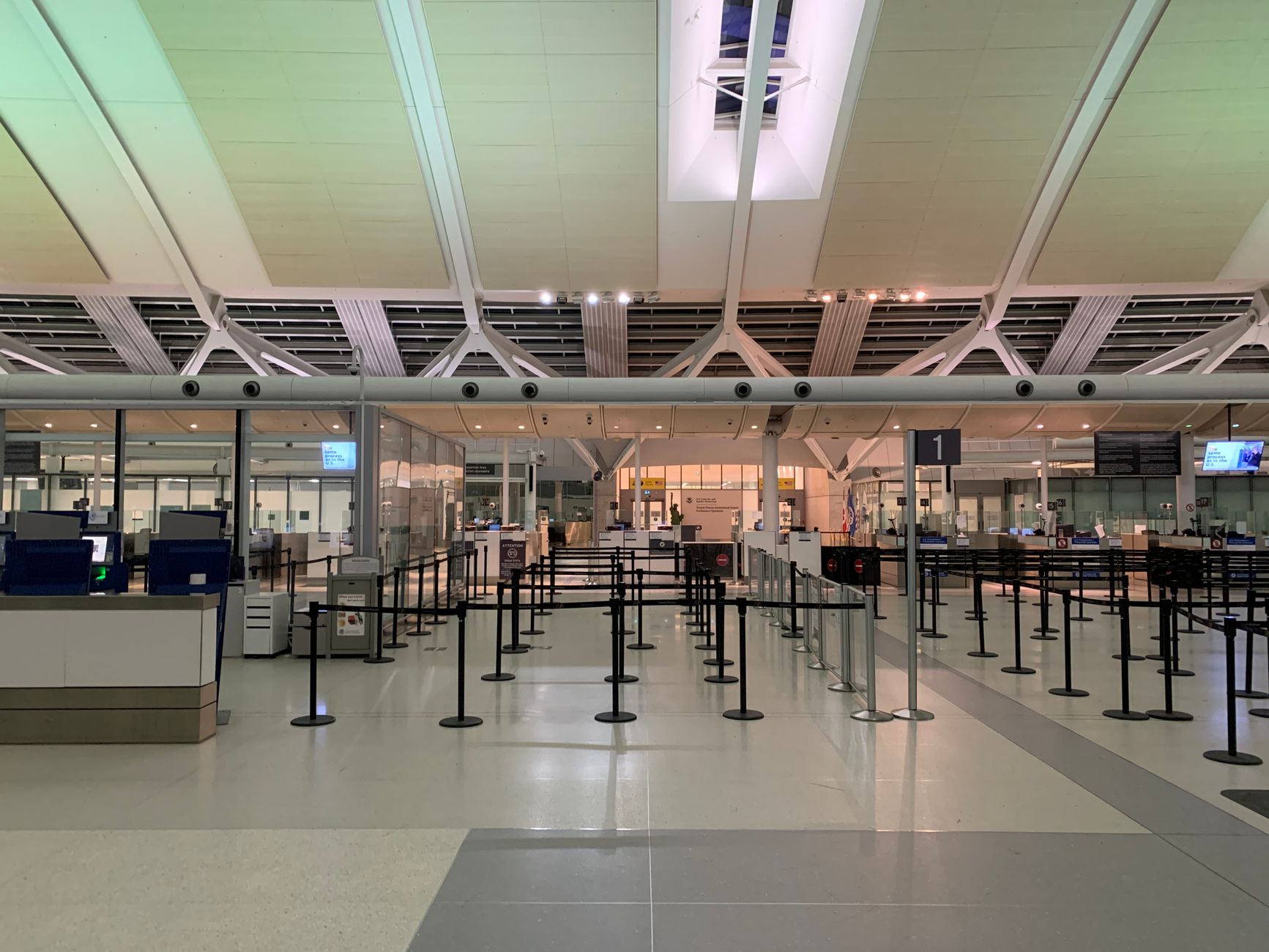
Mapping decides most of the outcome. A floor robot needs a map that shows where people stand and where they wait, not only where the walls are. Queue stanchions, rope lines and staging lanes change shape across the day, so the map should separate permanent floor zones from temporary queue zones.
Start with these layers:
- Permanent queue lanes and the anchor points for stanchions and rope lines
- Driver staging and waiting bench footprints, marked as temporary
- Dispatch counter and kiosk clearances
- Fire lanes and exit routes that must stay open at all times
- Entry doors, thresholds and floor drains
Who controls the curb layout your robot sees?
The curb may change without anyone inside the building knowing. Autolane's OpenCurb OS, as summarized by a news site, assigns curb stalls and schedules arrivals for autonomous and ride hailing pickups and drop offs. A summary of its early pilots reported pickup times cut by about 50 percent, but that is a vendor reported figure we did not verify.
Tennant's case study for a Domus deployment describes mapping and zoning a robot for overnight and early morning runs, and it is a useful model for setting zone boundaries. Ask who owns the curb data before you lock in routes. If a curb system can reassign stalls, the robot's permanent zones must not depend on a stall layout that may move.
How do door thresholds change the cleaning route?
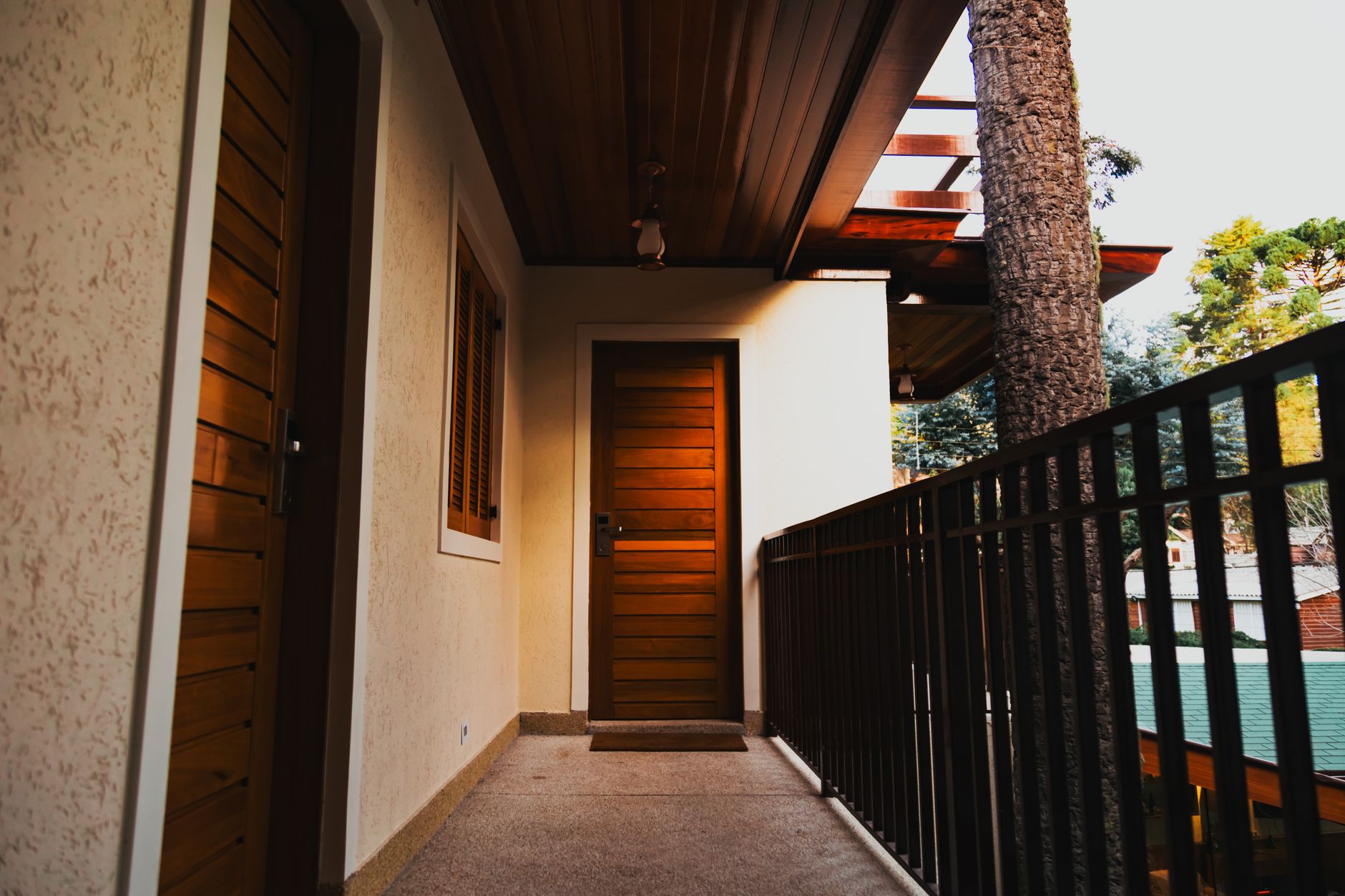
Doorways are where a hub collects its dirt. Riders step off wet curbs, drivers walk in with bags, and grit sits on the lip between the outdoor pad and the indoor tile. A lip that is too high will stop most floor machines, so check the threshold height against the spec sheet before you draw a route through that door.
Where a threshold is too high, plan a manual pass or a ramp at that door and keep the robot on the interior side. Map the transition strips too, where tile meets a mat, a carpet bar or a metal sill. Robots can struggle at those seams, so route them on purpose rather than hoping the path holds.
What changes on wet weather days?
Wet weather turns a dry hub into a different floor. Water and grit enter at the curb side doors, and the hours after a storm usually bring the heaviest tracking. Build a separate after storm route for those doors and keep the nightly route unchanged on dry nights.
Watch standing water near entry mats. A scrubber can spread a wet film if the squeegee and drain path are not set for it. Confirm with the vendor how the robot handles water before first use, and expect longer runs on wet days because more people use the entry paths.
Where should the charging dock sit?
Overnight and off peak runs depend on the robot finding its dock on its own, so the dock belongs in the same plan as the queue map. A Diversified Maintenance case study on robotic cleaning reported that its robot's docking station had no ideal location. That is a useful warning for a hub, where every wall and corner is contested.
Place the dock away from exits, queue lines and the wet door path. Give the robot clear access and a nearby power outlet. Test the return path during the quiet window before you rely on it for a full night.
What are robotaxi hubs and curb programs showing?
The most visible robotaxi hub cleaning comes from automated vehicle operators. A Not a Tesla App report, citing regulatory filings, says a Tesla Robotaxi hub in Austin uses a robotic arm that alternates between vacuuming debris, removing trash and contact cleaning surfaces. The same report says riders could face automated fines for leaving a mess, a detail we did not confirm against a primary source.
Curb policy is moving too. A SmarterTravel piece reports that several airports have moved to limit or end Uber and Lyft curbside pickup, though we did not verify that list or its dates. An ABM and LaGuardia Gateway Partners robotics pilot in Terminal B is listed on CAPA, dated 29 July 2026, but the pilot terms were not retrieved. Read these as signals to watch, not as settled facts for your hub.
Where does Service Robot Co. fit in a hub plan?
Service Robot Co. is a full service commercial robot integrator for US businesses, and we are OEM neutral. We pick the right robots across manufacturers, then lease, deploy, integrate, train and service each unit through a nationwide US engineer network, so the same team owns the plan from first walk to service call.
For a hub like this, the first step is a site assessment that maps queues, thresholds, dock locations and wet weather entries. After that we quote one fixed lease payment on a three year lease. Start with one zone, log every run, and expand only after the logs show the quiet window holds.
Frequently asked questions
Want a robot working for you?
Tell us the job and the site. We will recommend the robot, quote the lease, and keep it serviced.
Sources
- Upstate IMT news on overnight floor cleaning pilot
- AviationPros: how to implement autonomous floor cleaners in airport terminals
- Tennant Domus case study
- Diversified Maintenance robotic cleaning case study
- Letsdatascience summary of Autolane OpenCurb OS launch
- Not a Tesla App report on robotaxi hub cleaning
- SmarterTravel: airports ending Uber and Lyft curbside pickup
- CAPA: ABM and LaGuardia Gateway Partners robotics pilot in Terminal B