Key takeaways
- Automating tray returns frees up food service staff from low-value transport tasks, allowing them to focus on cooking, cleaning, and customer service.
- AMRs reduce the risk of cross-contamination by creating a single, contained pathway for used trays, improving overall cafeteria hygiene.
- An automated system eliminates unsightly and unhygienic tray stacking, creating a more pleasant and efficient dining experience for hospital staff and visitors.
- The real financial benefit comes from reallocating labor hours from bussing to higher-value activities, directly impacting operational efficiency.
- A full-service robotics integrator can deploy and manage tray return AMRs as part of a broader hospital-wide automation strategy, maximizing overall value.
What Is the Business Case for an Automated Tray Return System?
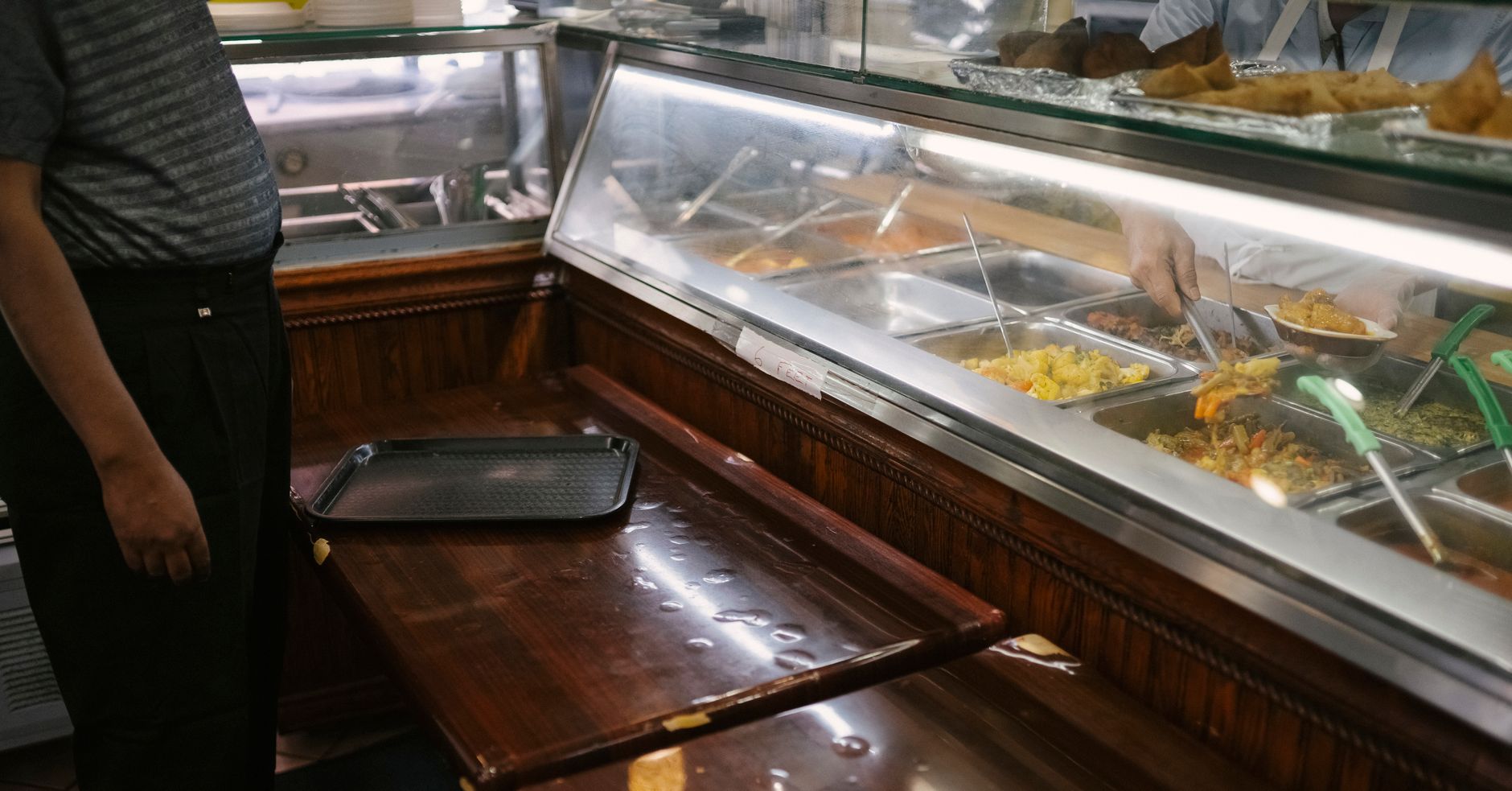
In a busy hospital cafeteria, the process for returning used food trays is often an afterthought. It's a chaotic mix of clattering trays, overflowing bins, and staff members pulled away from their primary duties to manage the pile-up. This manual workflow is not just inefficient; it represents a significant and often overlooked operational cost.
The business case for automating this process with Autonomous Mobile Robots (AMRs) is built on a clear return on investment. By deploying AMRs to manage tray returns, hospitals can reallocate valuable labor hours, elevate sanitation standards, and provide a much-improved dining experience for hardworking staff and guests. It transforms a cost center into a model of efficiency.
This automation addresses the core challenges of hospital food service: unpredictable demand, the need for stringent hygiene, and the constant pressure to manage operational costs. An AMR-driven system creates a consistent, reliable workflow that runs without direct human supervision, freeing personnel to focus on tasks that directly impact food quality and diner satisfaction.
How Does a Robotic Tray Return System Work?
Implementing an AMR for tray returns redefines the entire workflow. Instead of a static, often messy drop-off point, the system uses one or more specialized AMRs that serve as mobile collection carts.
Diners simply place their used trays directly onto the robot. The AMR is equipped with sensors to know when it is full or can be programmed to depart on a fixed schedule. Once triggered, it autonomously navigates the cafeteria, avoiding people and obstacles, and travels directly to the scullery or dishwashing room.
Once it arrives, kitchen staff can unload the dirty trays for washing. The robot then returns to its designated spot in the dining hall to continue collection or proceeds to a charging station. This closed-loop process is efficient, requires minimal human intervention, and keeps the dining area clear and hygienic.
Calculating the Financial and Operational ROI
The return on investment for this system is multifaceted, extending beyond simple cost savings to include significant operational improvements.
The most direct financial benefit comes from labor reallocation. By automating the transport of used trays, a hospital can reclaim hundreds of staff hours annually. This time can be refocused on improving food service, performing more thorough sanitation of dining tables, or assisting diners. This shift doesn't replace staff; it elevates their roles to more valuable, human-centric tasks.
Improved sanitation delivers a less direct but equally important ROI. A cleaner dining environment reduces the risk of cross-contamination, contributing to the hospital's overall infection control strategy. With the total annual cost to treat HAIs in the United States estimated between $35.7 billion and $45 billion, any measure that supports hygiene is a sound investment.
Finally, the enhancement to the dining experience boosts morale for the hospital's most critical asset: its staff. Doctors, nurses, and support personnel need a clean, calm place to recharge. An efficient, orderly cafeteria contributes to their well-being, which in turn supports better patient care. A smoother process also increases throughput, serving more people faster during peak lunch and dinner rushes.
Finding the Right Partner for Hospital Automation
Successfully deploying a hospital delivery robot rental program requires more than just advanced technology. It demands a partner with deep expertise in healthcare environments, complex integrations, and lifecycle management. This is where a vendor-neutral, full-service integrator like Service Robot Co. becomes essential.
Our process is not about selling a specific robot. It's about solving an operational problem. We start with a free site assessment to understand your cafeteria's unique layout, workflow, and challenges. From there, we select the right AMR for the job from across the industry's leading manufacturers. Because we are OEM-neutral, our only goal is to find the perfect fit for your specific needs.
Service Robot Co. manages the entire process as a single partner. We handle financing through flexible programs like RaaS (Robot as a Service) monthly subscriptions, which eliminate upfront capital expenditure. Our nationwide network of engineers manages every aspect of robot deployment and integration, including mapping, training, and go-live support. After deployment, we provide a comprehensive robot maintenance service plan, with on-site dispatch and remote triage to ensure zero downtime.
What Are the Implementation Considerations?
Bringing AMRs into a hospital environment is a straightforward process when planned correctly. The first step is a thorough site assessment to ensure the facility is robot-ready. This involves evaluating Wi-Fi coverage, doorway widths, and corridor traffic patterns.
For hospitals with dining facilities on different levels from the dishwashing area, elevator integration is key. Modern AMRs can communicate with building management systems to call and ride elevators independently, creating a truly autonomous workflow. This is a core competency for an experienced integrator.
Staff adoption is another crucial element. The most successful deployments frame the robots as helpful assistants, not replacements. By taking over the repetitive, strenuous work of hauling trays, AMRs empower food service staff to concentrate on more fulfilling tasks. Proper training ensures the team feels confident and comfortable working alongside their new robotic co-workers.