Key takeaways
- Standardization pays when the same task repeats across sites and your team shares one service playbook.
- Keep at most two platform families per category unless a third solves a task nothing else can run safely.
- Spares, batteries, and training multiply with every new OEM portal your night lead must learn.
- Software caps and renewal math get simpler when maps, users, and APIs share one vendor contract shape.
- A vendor neutral integrator can still standardize outcomes while picking the best platform per category.
What does robot fleet standardization mean in practice?
Fleet standardization means choosing a deliberate limit on robot platforms, software stacks, and service procedures so multiple sites run the same playbooks. It is not buying one SKU for every task. It is refusing endless one off pilots that each invent their own spare parts drawer.
Operations teams feel the win first. One training video, one escalation number, one battery rotation policy. Finance feels it at renewal when cap tables look alike building to building.
According to the International Federation of Robotics, worldwide sales of professional service robots grew 9 percent in 2024 to more than 199,000 units, while the robot-as-a-service fleet grew 31 percent to more than 24,500 units. Growth makes discipline harder. Standardization is how multi site operators keep scale from becoming chaos.
Where does standardization return the most money?
Night cleaning fleets return spares and training savings fast because squeegees, pads, and scrub paths repeat. Standardize the scrubber family and charger layout before you add a second brand for one odd floor.
AMR programs save when top modules, tug interfaces, and WMS connectors reuse across docks. Transportation and logistics robots led professional service robot sales in 2024 with 102,900 units, a 14 percent increase, according to IFR data. Warehouses that standardize early avoid three incompatible fleet dashboards by year three.
Patrol and delivery robots pay off when escalation rules, camera retention, and elevator integrations are cloned site to site. Custom integrations are where standardization dies if every building negotiates a new middleware script.
When should you refuse full standardization?
Refuse a single platform when safety or compliance requires a specialized enclosed unit, when payload or clearance has no overlap, or when a regulated task demands validated hardware you cannot duplicate on your chosen family.
Keep a documented exception process. Exceptions without charters become the new standard by accident.
IFR reported that robot-as-a-service in transportation and logistics rose 42 percent in 2024. RaaS vendors push their own template fleets. That helps standardization only if their template matches your task mix. Otherwise you standardize on the wrong shape.
How do you set a standard without killing innovation?
Run new tasks through a pilot sandbox with a sunset date. If the task repeats across three sites within twelve months, fold it into the standard or kill it.
Reward sites that reuse maps, chargers, and training modules instead of inventing local variants.
Hold an annual review with operations, finance, and IT. Retire platforms that fall below a utilization floor so the fleet count stays honest.
What belongs in a fleet standard document?
Name approved platforms by category: scrubber, delivery, patrol, AMR. List allowed exceptions and who signs them.
Define charger placement, map naming, user roles, and ticket categories every site must use.
Attach renewal cap targets and spare stocking minimums per hundred robots so procurement does not renegotiate from zero each year.
- Approved platform list by robot category
- Exception charter with executive signoff
- Shared map and user naming rules
- Spare and battery stocking formula
- Renewal cap worksheet tied to the standard
How does training change under a standard fleet?
Train once centrally, certify site leads to train shifts locally. Duplicate training per OEM portal is a hidden tax on every new hire.
Use the same recovery drill everywhere: who reboots, who calls service, who cordons a zone. Muscle memory transfers when managers rotate sites.
Record short videos on your standard platforms only. Avoid a library of obsolete models still in the broom closet.
How do spares and service benefit?
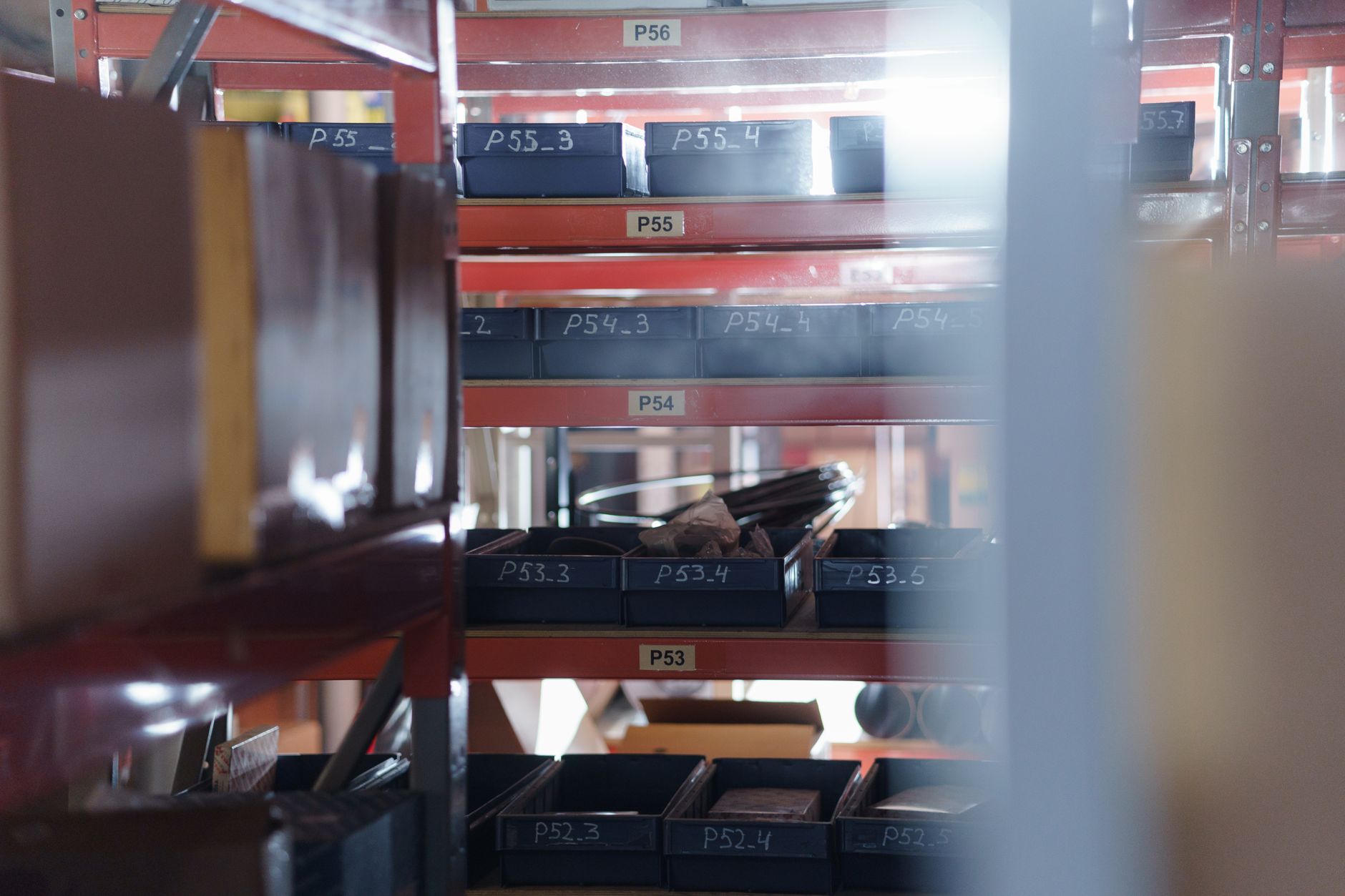
Spares pools work when platforms match. Mixing three scrubber families triples squeegee SKUs sitting in a central crib.
Service SLAs simplify when one integrator sees the same fault codes nationwide. Remote triage gets faster when tier two has seen the failure before.
Loaner units only help if the loaner fits the map and charger at the down site. Standardization makes backup robot programs real instead of theoretical.
How should multi site rollouts enforce the standard?
Make standard compliance part of site acceptance testing. A building does not go to unsupervised production on a non standard platform without a signed exception.
Central procurement owns the price book. Local managers pick tasks, not brands.
Service Robot Co. deploys vendor neutral selections but documents a standard per category after pilots prove utilization. That gives you OEM choice up front and operating discipline after go live.
What metrics prove standardization worked?
Track mean time to recover by platform, spare fill rate, training hours per new hire, and renewal overage dollars. Those move before abstract satisfaction scores.
Compare cost per completed task before and after retiring a legacy platform. Retirement should show up in fewer emergency freight shipments for odd parts.
If metrics flatline while platform count rises, your exception process is broken, not your robots.