Key takeaways
- Robotic patrols pay when perimeter loops repeat nightly and evidence must be searchable the next morning.
- Guard labor math starts with posted rounds plus idle time, not just hourly wages on a timesheet.
- Fuel ramps and aircraft movement zones still need trained people even when a robot covers fence lines.
- Monthly security robot rental can track seasonal flight volume without keeping extra guard headcount.
- One integrator for select, finance, deploy, and service avoids split vendors when maps change.
When do security robots beat guard rounds at a private FBO?
Security robots at a private fixed-base operator make financial sense when you need repeatable perimeter coverage, timestamped video, and faster escalation on doors left open after hours. A single guard walking the same route three times a night still leaves gaps between tours. An autonomous patrol unit can run a programmed loop on a fixed interval while a remote operator watches live feeds during high-risk windows.
The cost case is not about deleting every guard post on day one. It is about replacing the expensive parts of guard work that robots already do well: long fence-line walks, hangar row checks with thermal cues, and parking-lot sweeps when the flight schedule is quiet. According to the U.S. Bureau of Labor Statistics, the median annual wage for security guards was $38,370 in May 2024. That national baseline helps you compare fully loaded guard hours against a monthly security patrol robot rental with maintenance included.
Private aviation campuses also face uneven demand. Weekends and charter peaks need more eyes. Tuesday at 2 a.m. might need fewer footsteps but still needs proof that fuel areas stayed secure. Robot-as-a-service models, which the International Federation of Robotics notes are already dominant for many service robot categories in the United States, let an FBO scale patrol density up and down without renegotiating a new guard contract every season.
What must an FBO security plan actually cover?
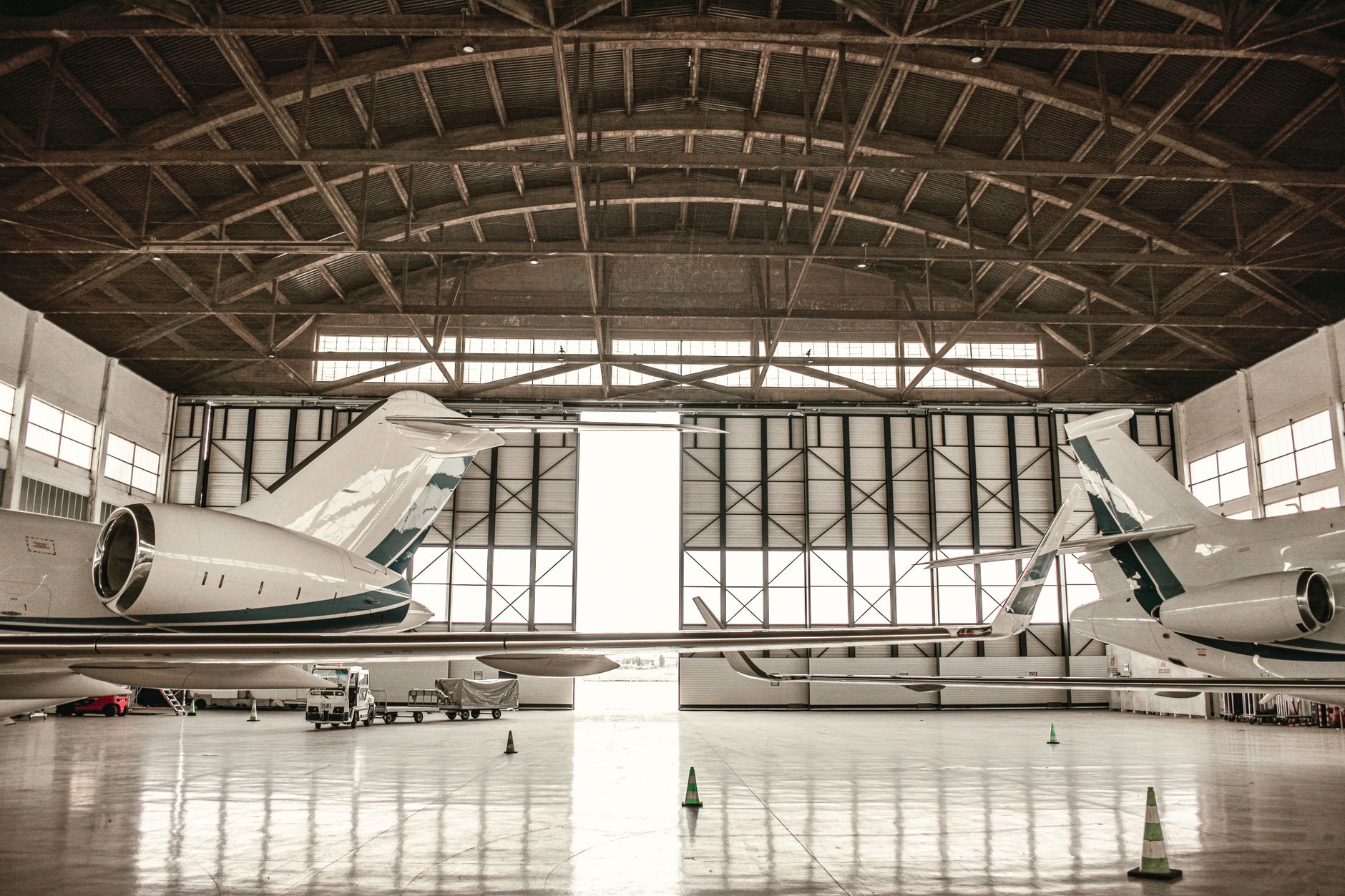
A fixed-base operator mixes public-facing lobby space, tenant hangars, transient ramp parking, and high-hazard fueling zones. Your patrol plan has to reflect that mix. Hangar doors, tiedowns, and tool cribs attract theft when aircraft owners are away. Fuel farms and truck lanes need attention to unauthorized vehicles even when no flight is scheduled.
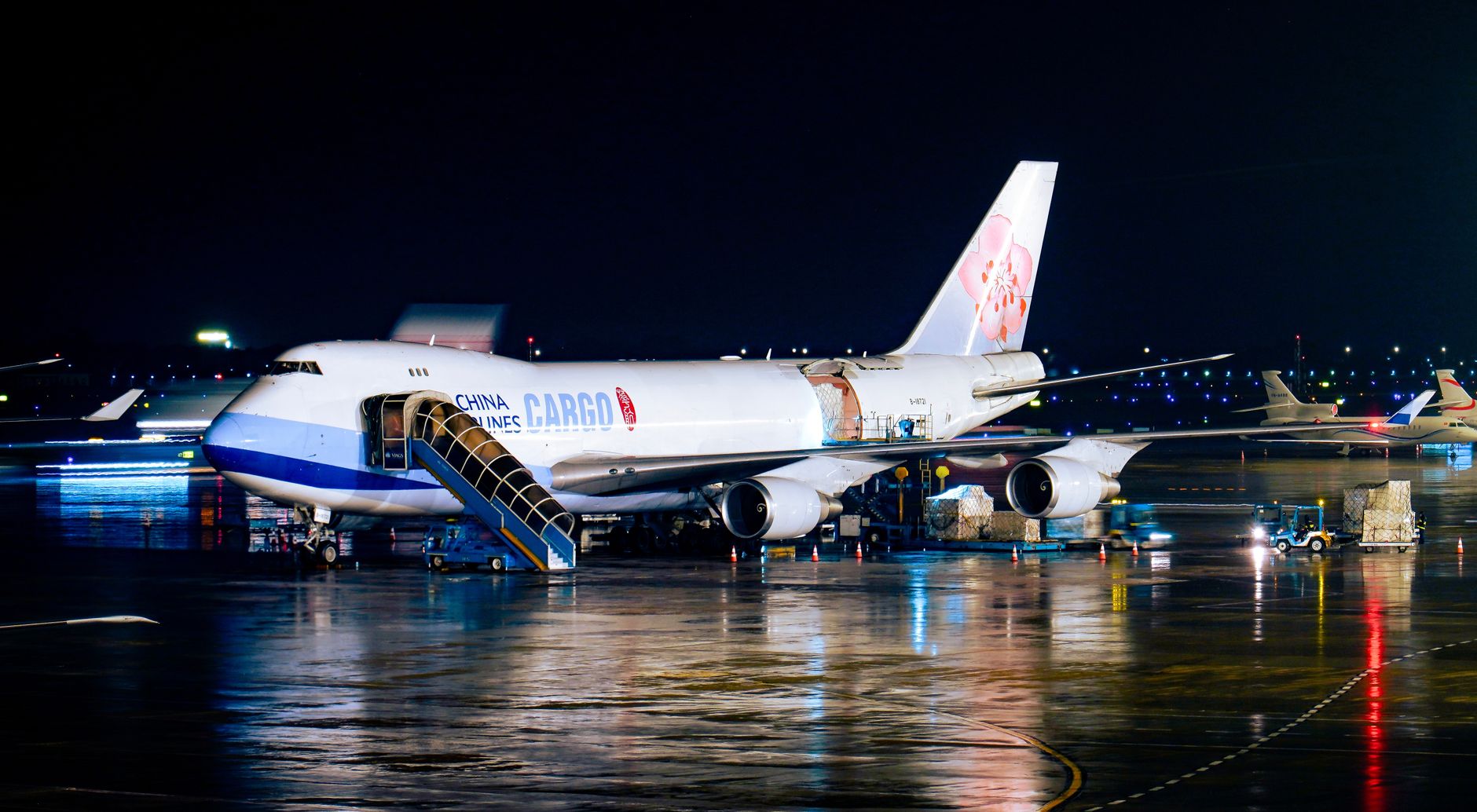
Aircraft aprons add movement risk. A patrol robot should never enter an active movement area without coordination, but it can still monitor fence lines and sally ports that feed the ramp. Perimeter alerts matter when cut fences or propped gates show up on camera before someone walks the line manually.
Tenant expectations differ. A charter operator may want video of who approached a hangar at night. A flight school may care about classroom doors and simulators. Mapping separate patrol zones lets you tune speed, lighting, and camera angles without one generic loop that misses the fuel farm entirely.
How should you compare guard labor to robotic patrol hours?
Start with the schedule you actually buy. If a guard is on site eight hours but only walks a full perimeter twice, you are paying for presence and for motion separately. Robots convert motion into metered route time with logs. Guards convert motion into subjective tour notes that are harder to audit during an incident review.
Use the BLS median as a sanity check, not as your exact FBO wage. Specialized aviation sites often pay above the national median for guards who understand ramp etiquette, but you still need local payroll data from your staffing vendor before you claim a number in a board memo. The honest comparison pairs verified wage data with verified robot program fees from a written quote.
Benefits, supervision, and call-off coverage belong in the guard column. When a guard misses a shift, you pay overtime or leave a gap. A patrol robot program with loaner unit coverage and nationwide dispatch reduces single-point absence risk if the service plan includes backup hardware.
False alarms carry cost too. Guards chase noise. Robots should arrive with tuned intrusion rules so a tumbleweed does not page everyone. Your pilot should measure how many alerts convert into verified events versus wasted walks.
What do patrol robots add that a guard tour system cannot?
Mobile patrol robots bring continuous video from eye level along the route, not only fixed camera blind spots. They carry thermal and optical sensors that highlight warm equipment or open bay doors after curfew. Evidence capture becomes a searchable clip tied to GPS or facility map coordinates instead of a handwritten log entry.
Remote oversight lets one operator watch multiple sites during the same hour. That matters for FBO groups with a main terminal and a satellite storage yard miles away. The robot handles the long walk. The operator focuses on exceptions flagged on screen.
According to IFR materials released September 30, 2026, global shipments of professional service robots rose about 24 percent to nearly 250,000 units in 2025. Security and related non-military field applications sit inside that broader professional market. Adoption is rising because buyers want patrol tasks metered like other service robots, not treated as a one-off gadget purchase.
Where do licensed people still belong on the ramp?
Robots do not replace airfield driver training, fuel quality checks, or aircraft marshaling. Any task that requires a ramp badge, radio phraseology, or hands on an aircraft stays human. Fuel areas need staff who understand bonding, spill response, and local fire code even when a robot watches the fence line.
Tenant disputes, passenger issues, and medical events still need on-site judgment. A patrol robot should escalate to a guard or duty manager with video context, not pretend to de-escalate a person in crisis.
Maintenance hangars with engines pulled or hazardous material storage may require human rounds inside bays where a robot’s clearance is tight. Use robots for outer loops and fixed-camera gaps, then keep human tours where tool control and foreign object debris policies demand eyes on the floor.
- Aircraft towing and wing walking during movement periods
- Fuel truck operations and quality control sampling
- Badge-controlled access decisions at the front gate
- Fire watch during hot work inside hangars
How do hangar rows and fuel farms change robot routing?
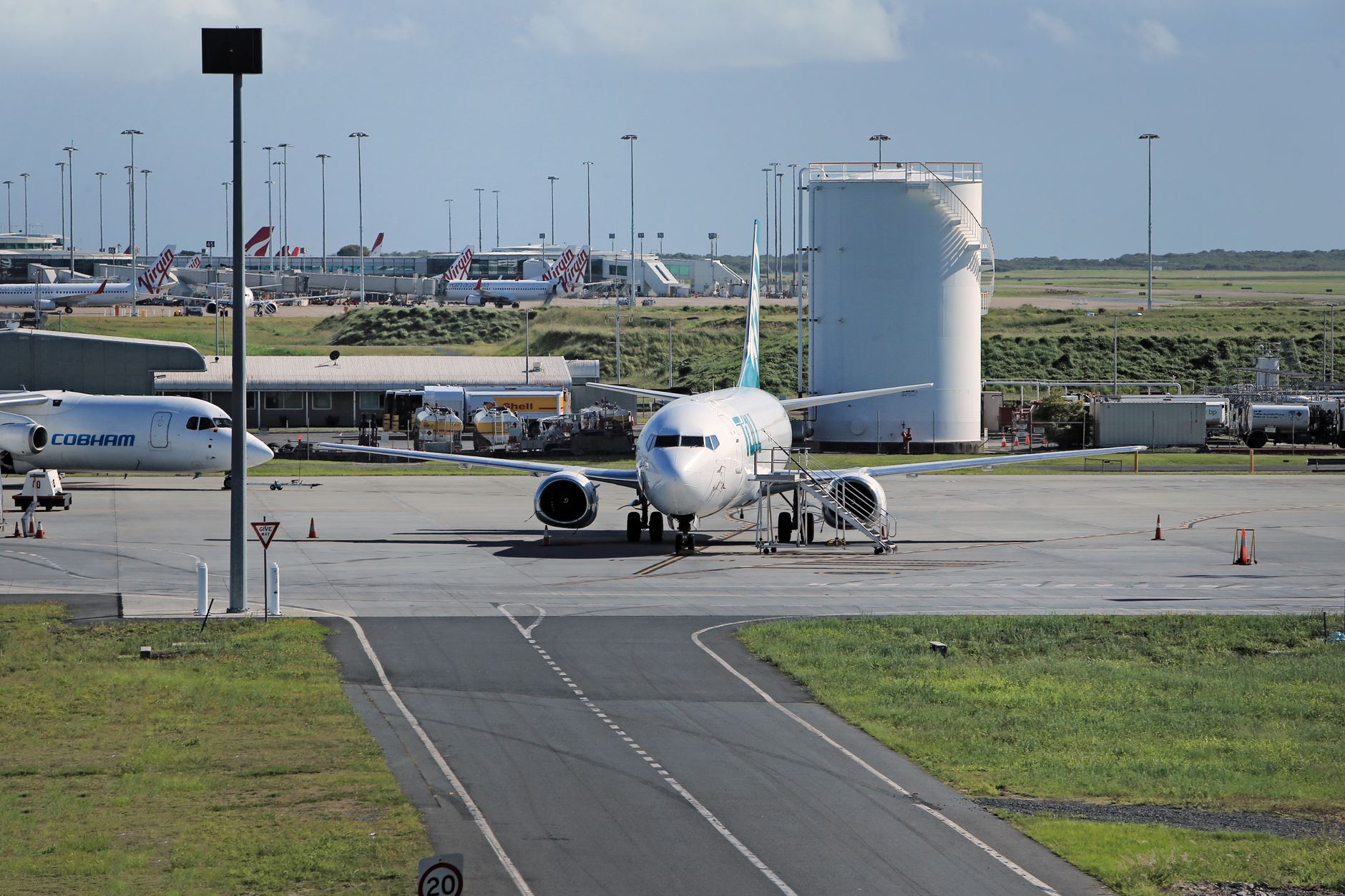
Hangar alleys need slow speeds and wide turning radii. Propellers, pitot covers, and tow bars extend into aisles. Map teach points away from tail stand zones and mark no-go buffers around open hangar doors when wind can move lightweight equipment.
Fuel farms need explosion-aware routing rules. Keep the robot on paved patrol paths outside berms unless your safety officer approves closer approaches with gas detection thresholds. Camera tilt matters so operators see gate latches and valve handles without staring directly into sun glare at dawn.
Seasonal sun angles in desert FBOs change shadow patterns that confuse motion detection. Revalidate routes after daylight saving shifts and after new construction adds reflective hangar cladding.
What should a remote operations desk expect each night?
Define escalation tiers before go-live. Tier one might be a door ajar alert with a ten-second clip. Tier two might be a person detected near a tiedown after curfew. Tier three might page an on-call manager and local law enforcement according to your written security plan.
Store video with retention that matches insurer and tenant contract language. FBOs often need thirty to ninety days of searchable history even when live viewing is optional.
Cyber hygiene matters on connected patrol fleets. IFR’s World Robotics 2026 materials highlight cybersecurity alongside physical safety for connected robots. Segmented networks, patched firmware, and role-based access for remote operators belong in the same budget conversation as the hardware lease.
How can Service Robot Co. structure a patrol pilot without splitting vendors?
Service Robot Co. stays vendor-neutral on patrol hardware, then handles financing, integration, training, and service through regional engineers in all fifty states. An FBO pilot should start with one loop that covers fence lines and hangar exteriors while human guards keep the lobby and fuel truck lane.
We map the site with your safety officer, set escalation rules with your operations manager, and document what stays human-only on the ramp. Monthly security patrol robot rental can run beside existing guard contracts so you measure alert quality before you change staffing levels.
If the pilot succeeds, expand routes to satellite storage areas or add a second unit during charter season. One partner number covers break-fix, spare coverage, and map updates when tenants move aircraft or hangars change hands.
What does a sensible ninety-day pilot look like?
Run the robot on a fixed night schedule for thirty days while guards keep their current tours. Compare timestamps on door alerts, fence approaches, and hangar door states. Expand to two loops nightly only after false alarm rates stabilize.
Measure mean time to verify an alert for guards alone versus robot plus remote operator. Track how many events produced usable video for insurance or tenant follow-up.
Stop the pilot if fuel farm proximity rules cannot be met without violating your safety policy. Fix routing and sensors first. Share results as risk reduction and audit readiness, not as a headline about firing the guard team.