Key takeaways
- Product damage costs go far beyond the item's price, including replacement, disposal, labor, and reputational harm.
- Manual material handling, especially with forklifts, is a primary driver of product damage due to human error, fatigue, and collisions.
- AMRs reduce damage through smooth, predictable navigation, advanced sensors, and controlled acceleration, minimizing impacts and mishaps.
- The financial return from preventing product loss, reducing waste, and avoiding operational disruptions is a significant, often overlooked, benefit of AMR adoption.
- Proper integration by a vendor-neutral partner is key to maximizing an AMR fleet's product safety benefits in a specific warehouse environment.
The Overlooked Return on Investment in Warehouse Automation
When calculating the return on investment for Autonomous Mobile Robots (AMRs), most warehouse managers focus on two primary benefits: increased speed and reduced labor costs. These are significant advantages, to be sure. But a third, equally powerful financial gain is often left out of the equation: a dramatic reduction in product damage.
Every time a manual cart bumps a rack, a forklift tine punctures a case, or a tired employee mishandles a pallet, it costs money. These incidents are frequently accepted as a routine cost of doing business. Yet, the steady, predictable, and precise movement of AMRs offers a direct path to minimizing these losses.
This hidden ROI stems from replacing the variable, and sometimes unpredictable, nature of human-driven transport with the consistency of automation. By preventing damage to goods during internal transit, AMRs protect inventory, reduce waste, and directly improve your bottom line in ways that go far beyond headcount and throughput metrics.
What Is the True Cost of Damaged Inventory?
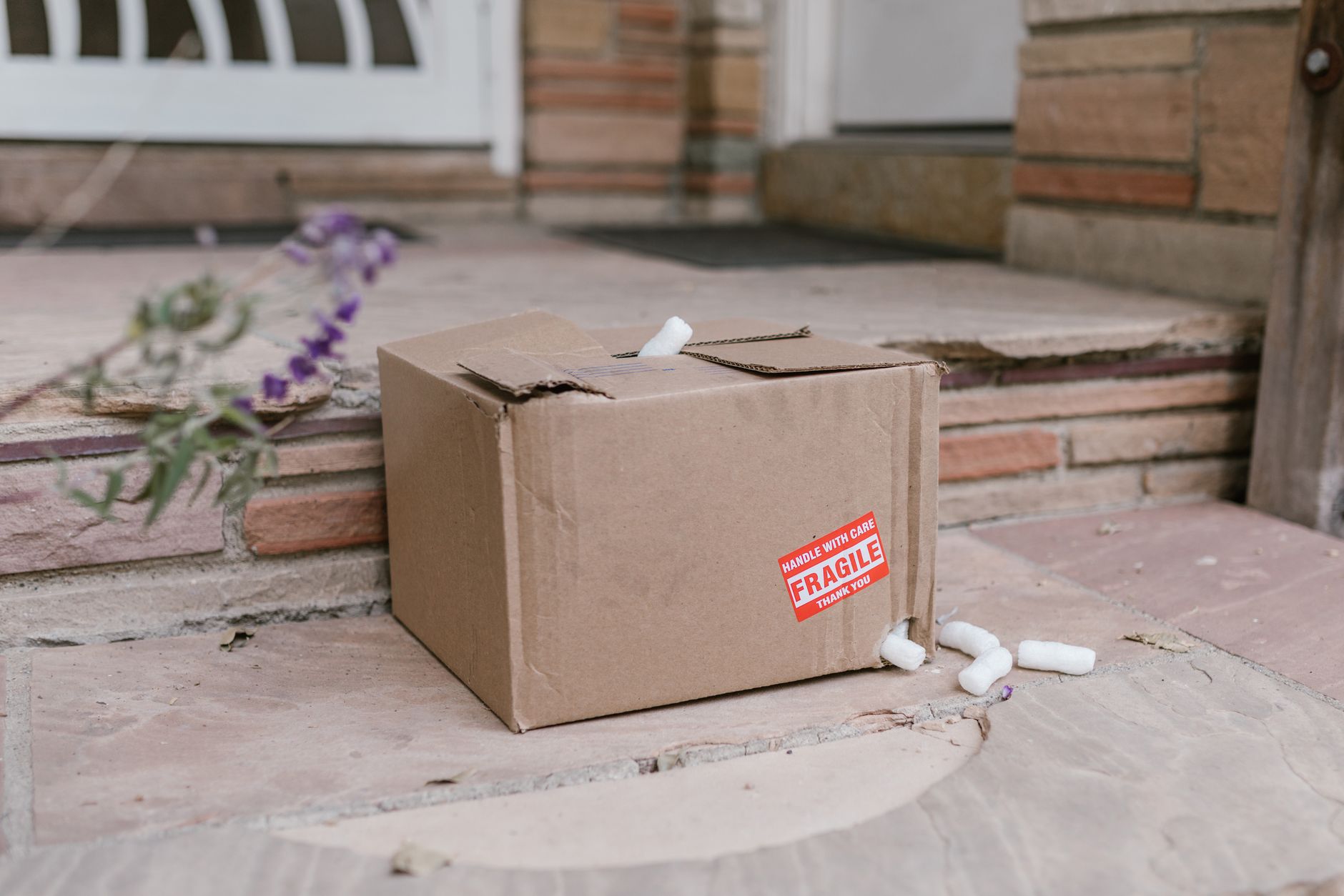
The cost of a damaged product is never just the price of the item itself. The financial impact ripples through the entire operation. According to an analysis by Expandable ERP, replacing a single damaged $170 widget at a 2% profit margin requires $8,500 in new sales just to break even. This illustrates how seemingly small, daily losses compound into a substantial financial drain.
Beyond the lost product value, a business incurs numerous other expenses. These indirect costs include the labor hours spent on cleanup, inspection, and processing returns. There are also costs associated with storage space for damaged goods, administrative time for filing claims, and disposal fees.
This financial bleed affects the balance sheet. Damaged inventory that is not promptly written off can distort asset valuation and give a false impression of profitability. Unstable or damaged pallet loads can cause a cascade of problems, impacting neighboring stock and creating significant operational disruptions that require time-consuming investigations.
How Do Manual Transport Methods Lead to Product Damage?
The primary cause of product damage in a warehouse is the inconsistency of manual material handling. Human error accounts for approximately 80% of process deviations in well-defined environments like logistics, according to some research. This is not an indictment of workers, but a reality of manual processes that involve repetition, fatigue, and complex environments.
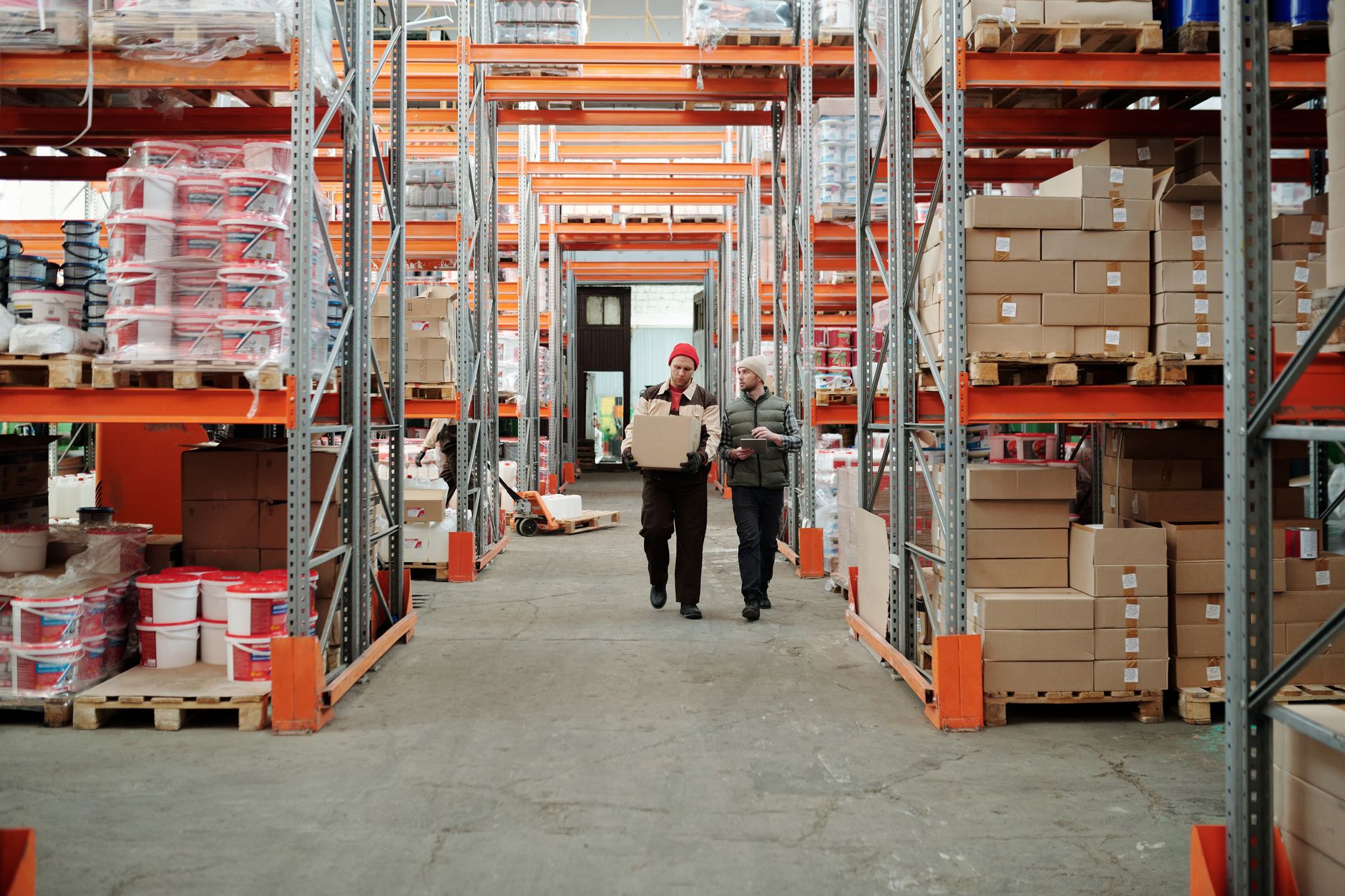
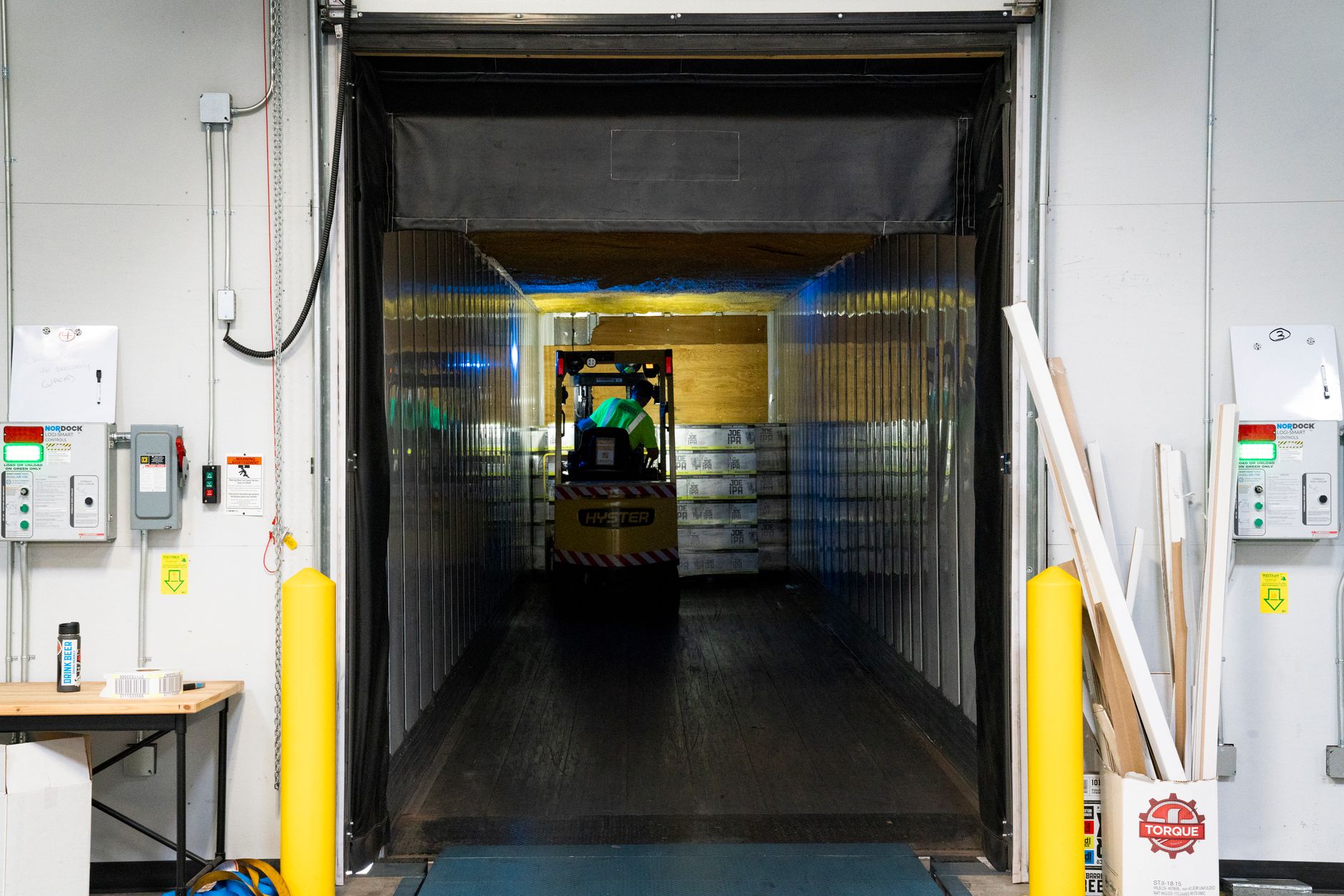
Forklifts are a major contributor to these incidents. The U.S. Occupational Safety and Health Administration (OSHA) estimates that forklifts are involved in about 96,700 accidents annually, including serious and non-serious incidents. These events frequently result in damage to products, racking, and the vehicles themselves. A forklift weighing up to 9,000 pounds can easily crush or puncture goods, especially when navigating tight aisles or during moments of operator distraction.
Manually operated carts and jacks also introduce risks. Haphazard organization can force workers to retrieve items from awkward heights or navigate long, fatiguing routes, increasing the chances of mistakes. Sudden stops, sharp turns, or collisions with infrastructure can jolt loads, causing items to fall or shift in ways that compromise their integrity.
What Makes AMR Movement Safer for Your Products?
AMRs fundamentally change the physics of warehouse transport, replacing abrupt, operator-driven movements with smooth, computer-controlled precision. Unlike vehicles that rely on fixed tracks, AMRs use a suite of advanced sensors, cameras, and software to navigate dynamically. This allows them to interpret their environment in real time.
Their navigation systems enable controlled acceleration and deceleration, eliminating the jarring stops and starts common with manual transport. By continuously scanning their surroundings, AMRs can anticipate obstacles and adjust their paths to avoid collisions with people, infrastructure, and other vehicles. This creates a more predictable and orderly flow of materials.
This technological foundation significantly reduces the likelihood of impacts that lead to damaged goods. The robots are programmed for safety and consistency, operating with a level of precision that a human operator, no matter how skilled, cannot maintain over a full shift. By automating the repetitive transport tasks, AMRs remove a major source of human error and fatigue from the equation.
Quantifying the Financial Impact of Fewer Damaged Goods
Deploying a material handling robot rental can translate directly into measurable financial gains by protecting inventory. Every product that reaches its destination intact is a direct cost saving. The reduction in write-offs for damaged goods flows straight to the bottom line, improving overall profitability.
The savings extend into operational efficiency. Less time and labor are spent on non-value-added tasks like cleaning up spills, sorting damaged items, and processing returns. This frees up staff to focus on more productive activities. According to some case studies, companies that implement monitoring and improved handling processes have seen their damage rates drop by as much as 60% to 90%.
While payback periods for AMRs are often calculated based on labor savings and are typically seen within 18 to 36 months, factoring in the reduction of product damage can shorten that timeline considerably. It is a crucial component of the total ROI that strengthens the business case for automation.
Finding the Right Robots for Your Warehouse
Successfully reducing product damage with automation is not as simple as buying a few robots. The type of goods, facility layout, and existing workflows all influence which AMRs will perform best. A one-size-fits-all approach often fails to deliver the desired safety and efficiency outcomes. This is where a vendor-neutral robot integrator becomes essential.
As an OEM-neutral integrator, Service Robot Co. starts by analyzing your specific operational challenges and product handling needs. We are not tied to any single manufacturer, so we can select the ideal pallet transport robot or material handling robot rental from a wide range of providers. Our focus is on what fits your floor and your payload, ensuring the technology is perfectly matched to the task of protecting your inventory.
This approach is part of a complete lifecycle service. We handle the financing, deployment, and integration of the AMR fleet into your existing systems. Our nationwide network of engineers provides ongoing maintenance and support, creating a single point of contact for your entire robotics program. A turnkey robot deployment from a dedicated partner ensures the system is optimized for safety and reliability from day one.
Beyond Collisions: How Else Do AMRs Protect Inventory?
The product safety benefits of AMRs go beyond simply avoiding crashes. Their operational consistency introduces a new level of care in material handling. For example, AMRs can be programmed to handle specific payload types, ensuring that fragile, high-value, or temperature-sensitive goods are transported under optimal conditions.
Automation reduces the number of times a product is physically handled by a person. Each manual "touch" is an opportunity for an item to be dropped, mishandled, or misplaced. By automating the A-to-B journey, AMRs minimize these interactions, preserving the product's condition from storage to its next destination, such as a packing station or shipping dock.
Furthermore, AMR fleets provide a wealth of data on material flow. This information can be used to identify bottlenecks or areas of congestion where damage is more likely to occur. By optimizing routes and workflows based on this data, managers can proactively refine their processes to create an even safer environment for their inventory.