Key takeaways
- Lighting, monitoring and climate control keep running overnight while floors sit idle.
- IFR reports professional service robot shipments rose 24% in 2025, to almost 250,000 units.
- IFR says its figures come from a supplier survey and are not projected onto the whole industry.
- Professional cleaning ranked third in the segment, with floor cleaning as its main application.
- Estimate unfilled hours zone by zone, then compare them with one fixed lease quote after a site assessment.
Which overnight costs are already on the books?
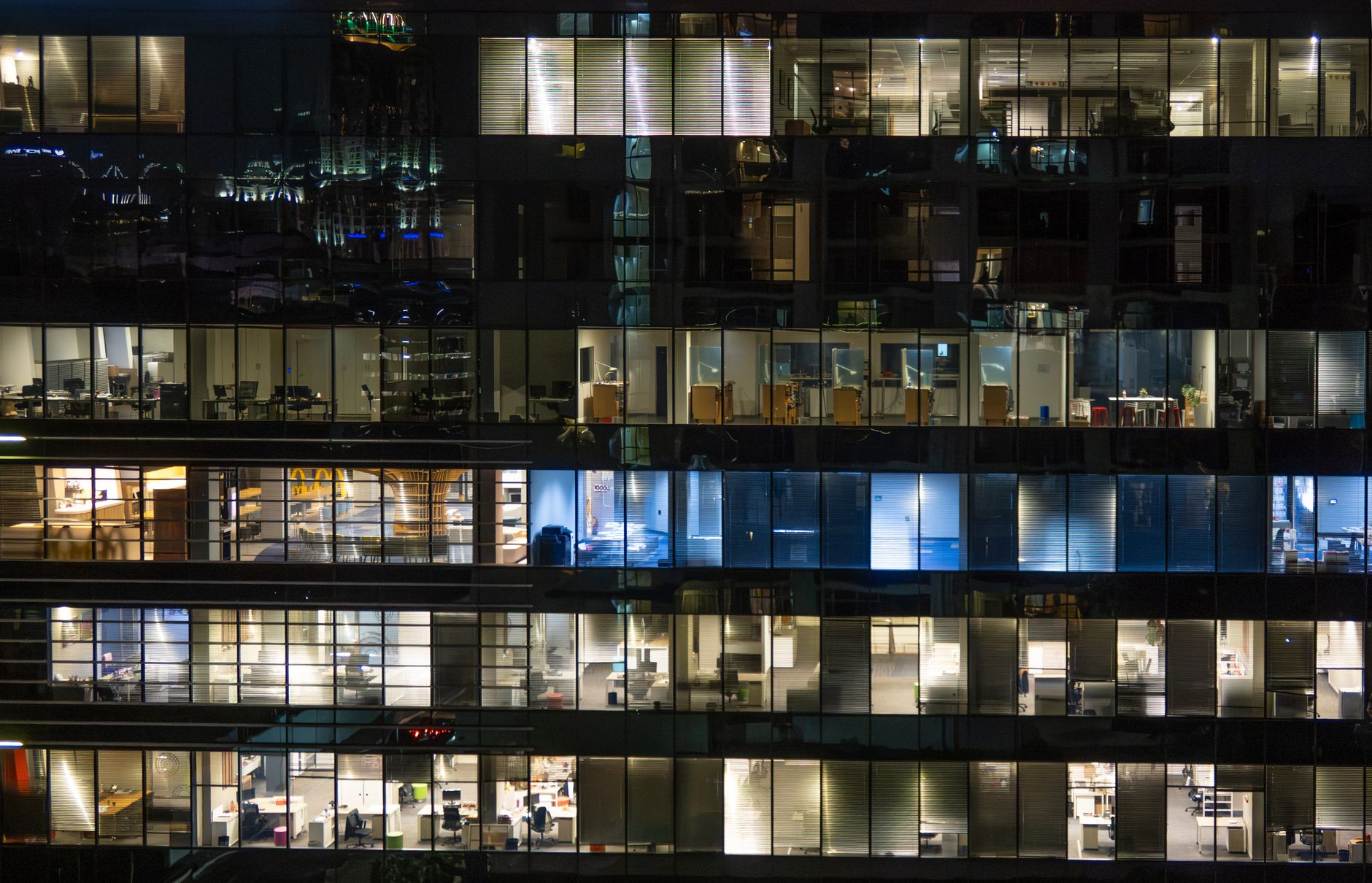
Most commercial buildings keep paying for lighting, security monitoring and climate control every night, whether or not a single person is inside. Those costs follow the building's schedule, not its occupancy.
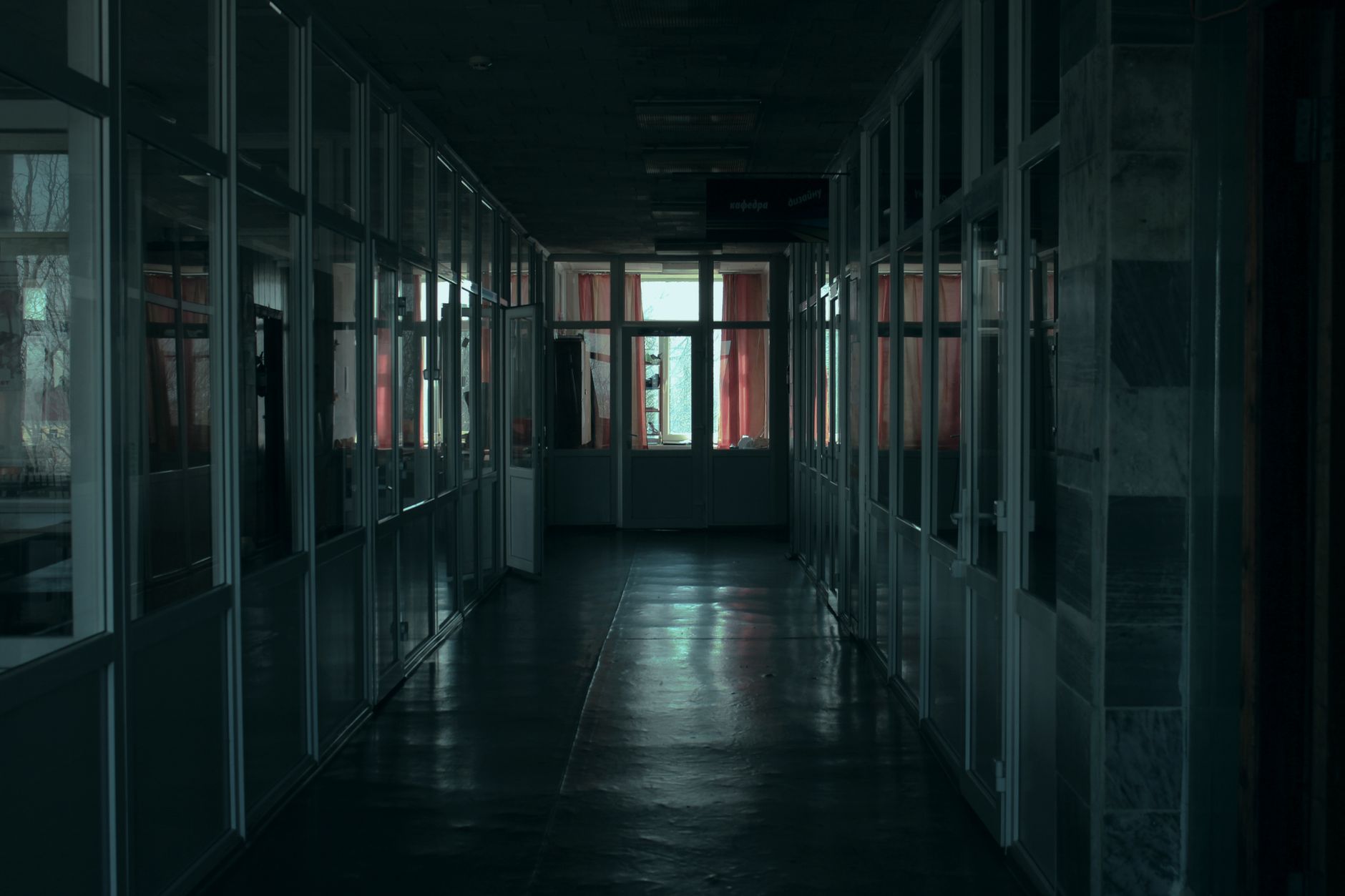
The floors take the hit quietly. Grit from the day settles into aisles, lobbies and corridors, and the morning crew inherits the job. The gap between what a building pays for after hours and what it actually uses is the margin this article is about.
The short answer: a meaningful share of those hours can carry floor care, but only if you can name them, measure them and set them against a real lease quote. The rest of this piece shows how.
Where the idle hours sit in a typical building
Break the night into its parts before estimating anything. Each part has its own cost and its own chance of being used.
- Lighting in zones nobody occupies, which may stay on for safety or sensor reasons
- HVAC held at occupied settings in areas with no staff, where a setback schedule may not reach
- Alarm and monitoring hours that run whether or not a guard is posted
- Floor surfaces that collect the day's debris but have no one assigned until shift start
What the IFR figures say and what they cannot say
According to IFR, professional service robot shipments rose 24% in 2025, to almost 250,000 units. IFR's release also reports that professional cleaning ranked third in the segment, with floor cleaning as its main application.
The source of those figures matters as much as the figures. IFR states they come from a supplier survey drawn from a sample of 238 service robot suppliers, and that the sample is not projected onto the whole industry. Its composition also changes from year to year.
Read the 24% as a direction of travel from the supplier sample, not a count of every robot in service. For a facility manager, the more useful signal is that floor cleaning ranks near the top of the segment, which is a reason to test it against your own hours rather than someone else's trend line.
How to estimate what the night hours could cover
Start with the hours, not the robot. A usable estimate needs three inputs: the unfilled hours, the labor those hours would otherwise require, and the zones that need cover.
- Count the night hours each zone goes without a scheduled cleaning pass, using timecards and the site logs
- Price those hours at the loaded labor cost your business already tracks, including payroll taxes and supervision
- Compare that figure with the fixed payment in a lease quote, once a site assessment has defined the scope
Which floors and hours suit a robot first
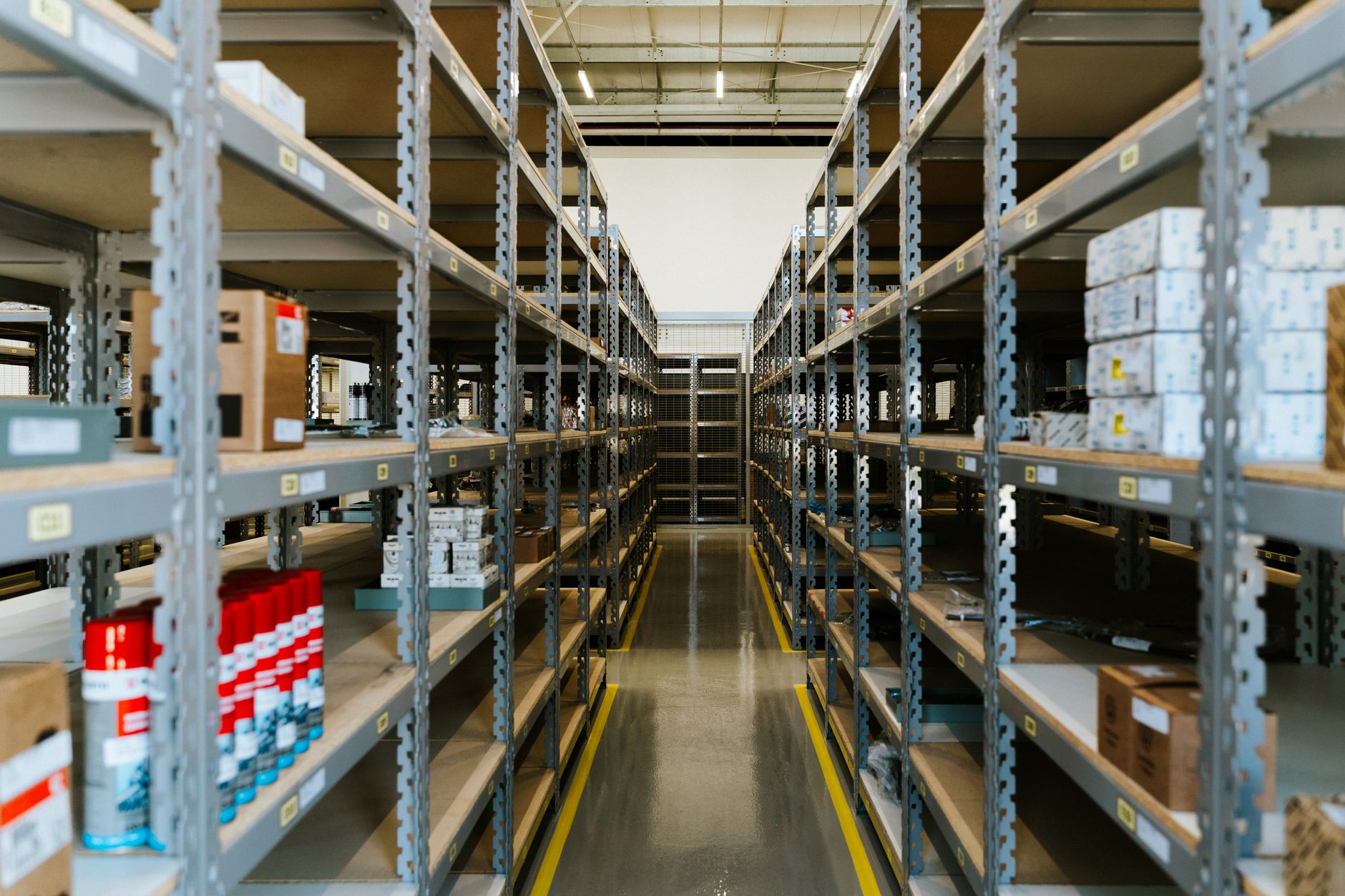
The best first zone is wide, flat, mostly clear and busy during the day. Long corridors, open retail aisles and warehouse lanes tend to suit floor robots better than cluttered back rooms, stairs or carpet.
Timing matters too. A zone that sits dark for eight hours and gets dirty before dawn offers a clean window. A zone where a delivery crew works at 3 a.m. needs its route mapped first.
Start with one zone. A single well-run zone produces the log data that tells you whether the estimate holds.
What a site assessment checks before any quote
A site assessment is where the estimate becomes a scope. Service Robot Co. maps the floors, checks doorways, elevators, outlets and charging space, and records the cleaning windows the building can actually offer.
We are OEM neutral, so the assessment picks the right robot for each zone across manufacturers instead of defaulting to one catalog. We lease the units through financing, then deploy, integrate, train staff and service every unit under RoboCare, our service program, backed by regional service engineers in each state we serve.
Everything in the assessment feeds one fixed lease quote. Our offer is a three year lease with one fixed payment quoted after the site assessment, so the night hour comparison you built earlier runs against a single number.
From estimate to a fixed lease quote
Before you sign anything, check that the quote matches the zones and hours you counted. Ask what service covers, how remote fault handling works and how a failed unit gets replaced.
If the numbers hold, the next step is a site assessment. Bring your hour counts, a floor plan and a ranked list of zones, and the assessment will show whether those hours can carry a lease.
Frequently asked questions
Want a robot working for you?
Tell us the job and the site. We will recommend the robot, quote the lease, and keep it serviced.