Key takeaways
- Automated trash collection can reduce post-event cleanup labor costs by 30-50% in targeted functions.
- Faster cleanup cycles enable tighter scheduling for back-to-back events, increasing venue revenue.
- Automating the hauling of heavy trash bags reduces common musculoskeletal injuries among cleaning staff.
- A single NFL game can generate 40 tons of waste, highlighting the immense scale of the cleanup challenge.
- An OEM-neutral integrator can identify and deploy the right robots for a venue's specific needs.
What is the Real Return on Robotic Trash Collection?
The return on investment for automated trash collection in a large venue is measured in radically reduced labor hours, faster event turnaround, and a significant drop in staff injuries. For stadiums and arenas facing the logistical challenge of cleaning up after thousands of fans, autonomous mobile robots (AMRs) offer a direct path to operational efficiency and cost savings.
Post-event cleanup is a time-sensitive, labor-intensive process. A 20,000-seat arena can require 40 to 60 crew members for a single cleaning cycle, while a 50,000-seat stadium may need 80 to 120. By automating the repetitive task of hauling bagged trash from collection points to central dumpsters, AMRs allow human staff to focus on detailed cleaning, sanitation, and guest-facing areas. This targeted automation can cut labor costs in deployed functions by 30 to 50 percent.
The financial impact extends beyond direct labor. Faster cleaning cycles are critical for venues that host back-to-back events, such as a concert one night and a basketball game the next. Shaving hours off the cleanup window creates more booking opportunities, directly increasing a venue's revenue-generating potential.
The Sheer Scale of Post-Event Waste
To understand the ROI, one must first grasp the monumental scale of the task. A single NFL game can generate 40 tons of waste. An 80,000-person football game can produce 200,000 pounds of waste in one day. This isn't just a few overflowing bins; it's a mountain of cups, food containers, and other materials that must be removed under tight deadlines.
This massive volume of waste requires a highly coordinated and physically demanding effort from cleaning crews. The process often involves dozens of staff members manually collecting and transporting thousands of pounds of trash across vast concourses and vertical levels, all within a compressed timeframe that can be as short as four hours.

How Does Automated Trash Collection Work in a Stadium?
In a stadium environment, AMRs are deployed to handle the 'trash run' phase of cleanup. After human crews gather waste from seating areas and concourse bins into large bags, the robots take over the transport logistics.
These autonomous robots navigate pre-mapped routes, traveling from designated collection points to the service level where trash compactors or dumpsters are located. Using a combination of sensors and mapping technology, they can safely operate alongside human workers and avoid obstacles. The process transforms a manual, strenuous task into a consistent, automated workflow.
This frees up a significant portion of the cleaning crew to remain in their assigned zones, focusing on more detailed work like wiping down surfaces, cleaning restrooms, and preparing the venue for the next event. The result is a more parallel workflow, rather than a linear one where cleaning is delayed by manual trash hauling.
Calculating the Financial Case: Labor Savings
The most direct ROI from automated trash collection comes from reducing labor hours. Post-event cleaning for a large venue can cost anywhere from $5,000 to over $15,000 per event, driven almost entirely by labor. An overnight turnaround for back-to-back events can increase these labor costs by 30-50%.
Consider a 20,000-seat arena that deploys a 50-person cleaning crew for an 8-hour overnight shift. That's 400 labor hours. A significant portion of that time is spent simply moving trash from point A to point B. By deploying a fleet of AMRs to handle this transport, a venue can reallocate or reduce a substantial number of those hours.
With average hourly rates for cleaning crews ranging from $15 to over $20, the savings accumulate quickly. Automating the transport component can allow a smaller, more focused crew to accomplish the same level of cleanliness in less time, directly impacting the bottom line of every single event on the calendar.
Why Is Faster Turnaround a Revenue Driver?
For a modern arena or stadium, the event calendar is the primary source of revenue. The ability to host a wider variety of events, often on consecutive days, is a massive competitive advantage. Post-event cleanup is frequently the bottleneck that determines how tightly events can be scheduled.
A manual cleanup that takes 8-10 hours might prevent the booking of a corporate event or concert load-in the following day. By using AMRs to accelerate the cleanup process, a venue can shrink that turnaround window to as little as 4-6 hours.
This speed creates new inventory on the event calendar. An extra handful of events per year, made possible by faster cleaning, can generate hundreds of thousands of dollars in new revenue, dwarfing the initial investment in automation.
A Safer Work Environment Means Lower Costs
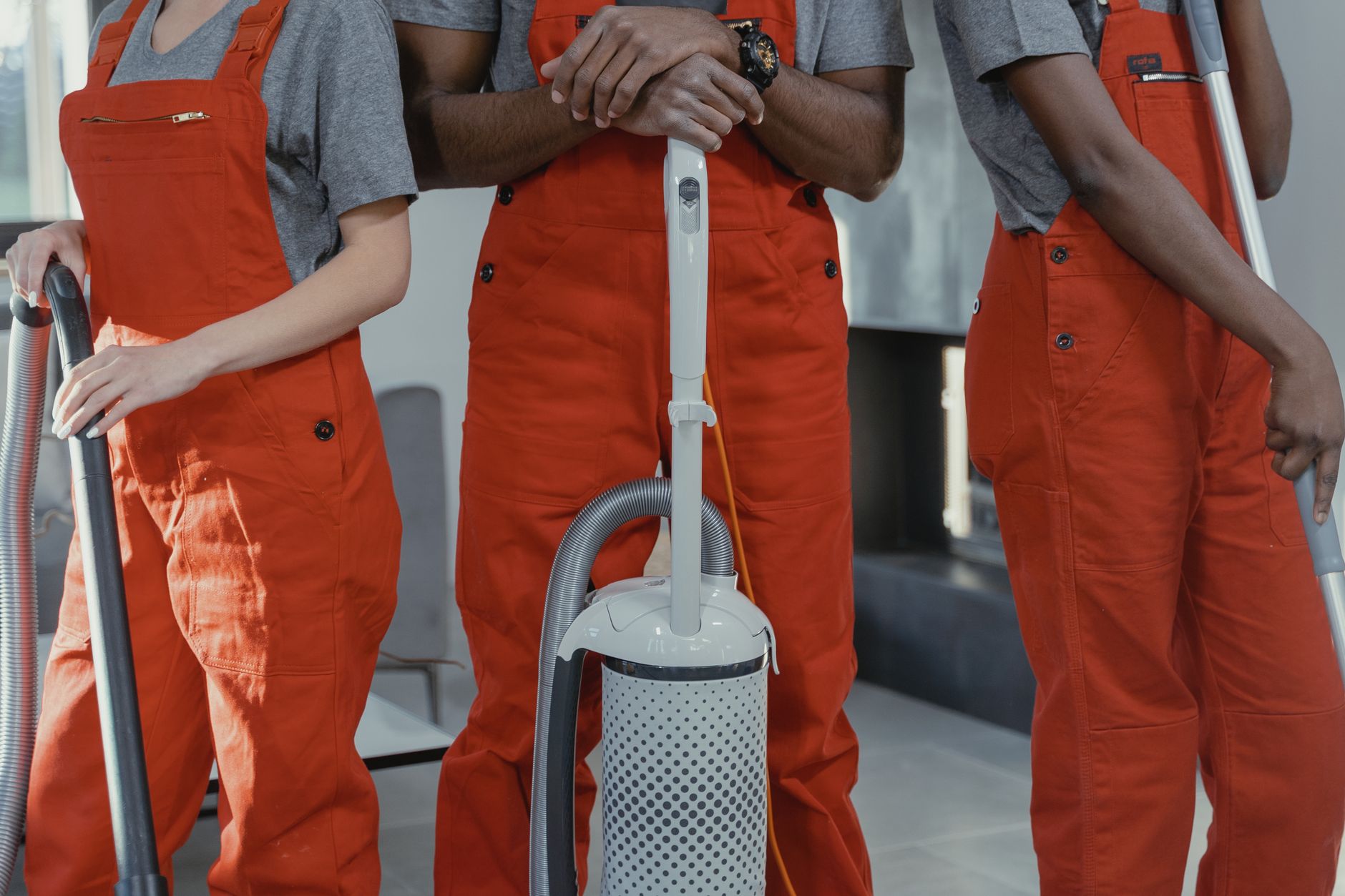
The physical toll of post-event cleanup is significant. Janitorial work has a high rate of nonfatal injuries, particularly musculoskeletal issues from overexertion and repetitive motions. Hauling heavy, awkward bags of trash is a primary contributor to these strains and sprains.
According to the Bureau of Labor Statistics, the injury and illness rate for janitors is significantly higher than the average for all private industries. These injuries lead to increased workers' compensation claims, higher insurance premiums, and costs associated with staff turnover and absenteeism.
Automated trash collection directly mitigates this high-risk task. Robots handle the heavy lifting and long-distance hauling, reducing the physical strain on employees. A healthier workforce is more productive and leads to lower liability and insurance costs, a key component of the overall ROI.
Finding the Right Partner for Robotic Deployment
Implementing an AMR fleet in a complex, dynamic environment like a stadium requires more than just buying a robot. Success depends on proper site assessment, system integration, and ongoing support. This is where a vendor-neutral, full-service integrator becomes essential.
At Service Robot Co., we don't start with a specific product. We start with your venue's unique challenges. As an OEM-neutral partner, we select the right AMRs from across the industry to match your floor types, waste volume, and operational flow. Our role is to provide a single point of contact for the entire lifecycle of your automation strategy.
We handle the initial site mapping, deployment, and integration with your staff's workflow. Our nationwide network of US engineers provides training, service, and maintenance, ensuring your fleet operates at peak efficiency. Through flexible programs like RaaS (Robot as a Service), we make this technology accessible without major upfront capital, providing one partner and one number for your entire deployment.