Key takeaways
- Manual palletizing's true costs include high labor expenses, turnover, and significant financial risk from ergonomic injuries.
- Cobot palletizers provide a quantifiable return by increasing throughput, ensuring consistent uptime, and reducing injury-related costs.
- The ongoing manufacturing labor shortage makes automation a strategic necessity for breweries looking to scale production reliably.
- A Robot as a Service (RaaS) model can eliminate upfront capital costs, making automation accessible through a predictable monthly payment.
- Partnering with a vendor-neutral integrator ensures you get the right robot for the job, with full lifecycle support from a single source.
Does a Palletizing Cobot Pay for Itself in a Brewery?
For a growing mid-sized brewery, the end of the packaging line is often a critical bottleneck. Manual palletizing, the process of stacking cases of cans or bottles onto a pallet for shipment, is slow, physically demanding, and prone to inconsistency. As production scales, this single point of friction can limit your entire operation's output and expose your business to significant hidden costs.
A collaborative robot, or cobot, palletizer directly addresses this challenge. By automating the repetitive task of stacking cases, a brewery can see a clear return on investment, often within 18 to 24 months. This return is not just a vague promise of efficiency. It is a calculated outcome based on three core factors: the reallocation of high-cost manual labor, a dramatic reduction in expensive ergonomic injuries, and a measurable increase in daily throughput.
This article provides a specific, detailed breakdown of how to calculate this ROI for your facility. We will examine the real costs of manual palletizing, quantify the gains from automation, and walk through a sample calculation to show how a palletizing robot rental can be cash-flow positive from the start.
What Are the True Costs of Manual Palletizing?
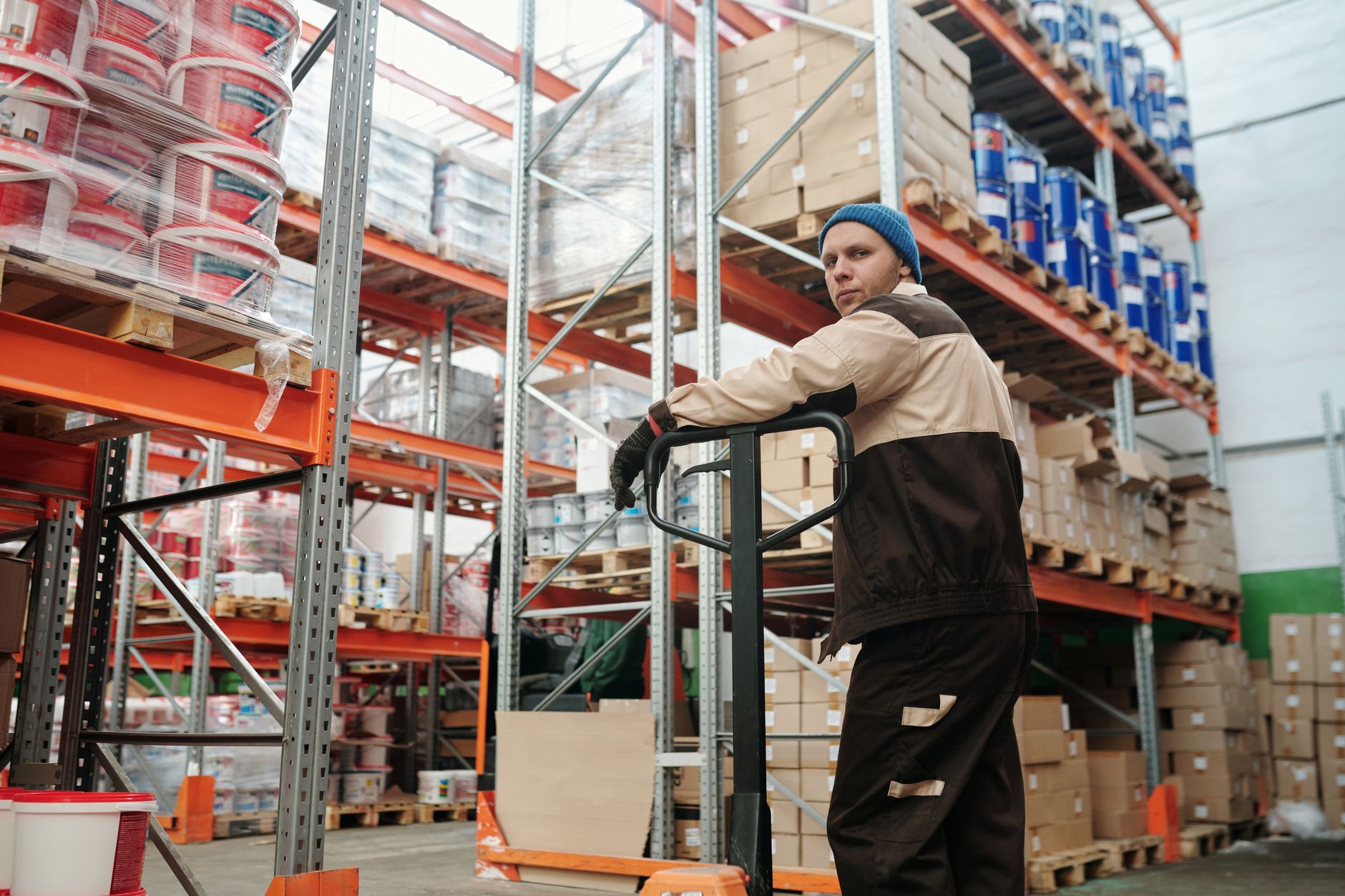
The most obvious cost is direct labor. In the United States, a packaging operator in a brewery can earn an hourly wage between $21 and $27. When you factor in payroll taxes, benefits, insurance, and paid time off, this loaded labor cost can be 1.3 to 1.5 times higher. For an employee working two shifts, five days a week, this single role represents a substantial annual expense.
Beyond direct wages, there are other financial drains. The physically repetitive nature of palletizing leads to high employee turnover. This introduces recurring costs for recruitment, hiring, and training new staff, not to mention the lost productivity during the ramp-up period for each new hire.
Finally, manual stacking introduces variability. A tired worker may stack a pallet less securely, leading to product damage during transit. The pace of work can slow down near the end of a long shift, creating an unpredictable bottleneck that ripples back through your entire packaging process.
How to Quantify the Gains from a Cobot Palletizer
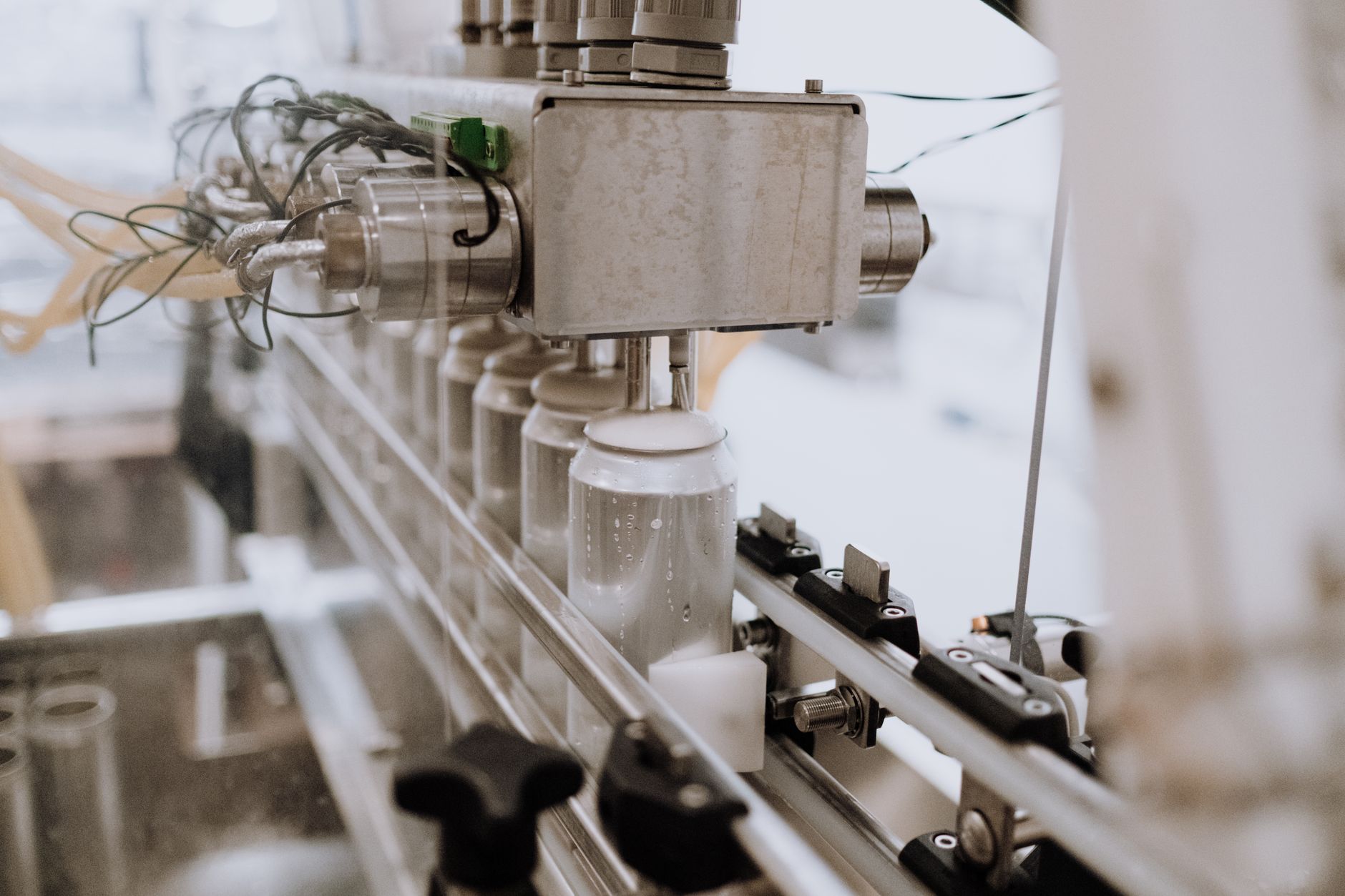
The return on a palletizing cobot comes from several measurable areas. The first is increased throughput and consistency. While a human worker's pace may fluctuate, a cobot works at a steady, predictable rate, shift after shift. This allows a brewery to reliably calculate its end-of-line capacity and plan production schedules with greater accuracy.
Next is labor reallocation. The goal of this automation is not to eliminate an employee but to move them to a higher-value role. That same person who was manually stacking cases can be retrained to oversee the cobot, perform quality control checks, or manage other parts of the packaging line. You retain a valuable team member while dedicating their skills to tasks that require human judgment.
The third major gain is injury cost avoidance. While harder to forecast than labor savings, it is a critical part of the ROI calculation. By preventing even one major MSD injury over a few years, the cobot system can pay for itself based on those savings alone.
A Sample Brewery ROI Calculation
Let's model a mid-sized brewery running two 8-hour shifts, five days a week, with one employee per shift dedicated to palletizing.
Manual Labor Costs:
Assume a loaded hourly labor rate of $30/hour ($22 base + benefits/taxes).
• Daily cost: 16 hours x $30/hour = $480
• Annual cost: $480/day x 250 workdays = $120,000
Automation Costs (RaaS Model):
Instead of a large capital purchase, the brewery uses a Robot as a Service (RaaS) model. A monthly subscription for a cobot palletizer, including maintenance and support, might be a fraction of the manual labor cost.
Calculating the Return:
By reassigning the two employees to other tasks, the brewery immediately saves the $120,000 annual cost of manual palletizing. The RaaS subscription becomes the new operating expense.
Even without factoring in gains from increased throughput or injury avoidance, if the annual RaaS cost is less than $120,000, the investment is immediately profitable. When you add the value of shipping more beer per day and the financial benefit of a safer workplace, the ROI becomes even more compelling.
Why Is Hiring More People a Flawed Strategy?
In the current economic climate, simply adding more headcount to solve a production bottleneck is not a sustainable plan. The U.S. manufacturing sector faces a persistent labor shortage, with projections showing a potential shortfall of 1.9 to 2.1 million unfilled jobs by the end of the decade. This makes finding and retaining workers for physically demanding, repetitive jobs exceptionally difficult.
Competition for reliable labor is fierce, not just from other breweries but from logistics and warehousing companies as well. This drives up wages and makes turnover a constant challenge. Automation offers a stable, predictable alternative. A cobot does not call in sick, take vacations, or leave for a higher-paying job. It provides operational certainty in an uncertain labor market.
How Do You Choose the Right Cobot and Partner?
Implementing automation is more than just buying a piece of hardware. The robot arm, the gripper that picks up the cases, and the software that controls it must all work together perfectly for your specific products and layout. This is where a full-service, vendor-neutral robot integrator becomes essential.
At Service Robot Co., we are OEM-neutral. We do not represent a single manufacturer. Instead, we select the best robotic components from across the industry to build the right system for your brewery's needs. We act as one partner for the entire lifecycle of your automation investment.
Our process covers everything from the initial site assessment to financing the equipment through programs like a RaaS monthly subscription. Our nationwide network of US engineers handles the deployment, integration with your existing line, and staff training. After you are up and running, we provide a single point of contact for all maintenance and service, ensuring your operations have minimal downtime. This turnkey robot deployment means you have one partner and one number to call, from start to finish.