Key takeaways
- Robotic linen sorting pays fastest where labor bottlenecks and downstream mis-sorts happen every day.
- Published laundry examples show staffing can drop sharply, but only when the cell is tuned to the real linen mix.
- Accuracy on clean demo textiles is not enough. Production-grade performance depends on soiled-linen training data and a disciplined reject lane.
- The strongest business case blends labor savings, steadier throughput, lower injury exposure, and fewer damaged textiles.
Is the payoff real now?
Yes, in the right plant. Vision-guided linen sorting now has a credible return where a laundry handles repeat volume in towels, sheets, uniforms, and exception pieces before folding or finishing, because the machine is not just replacing hands at one table. It is also reducing touches, feeding downstream equipment more evenly, and catching problems before they spread into the rest of the line.
The return is no longer theoretical. According to TRSA, one operating model brought a soiled-linen robot down to one or two operators where an earlier sorting platform used six to eight employees. In another TRSA example, a consultant described a larger automated sort system that reduced staffing from about 36 people to 16 and supported a direct-labor payback of roughly 2.5 years.
That does not mean every commercial laundry should automate sorting tomorrow. It means the question has changed. The real decision is where robotic sorting fits first, which linen families are stable enough for vision classification, and how expensive your current sorting mistakes are once they hit washing, finishing, and packout.
Where does the money actually move?
The biggest mistake in laundry ROI math is treating sorting as a narrow labor-substitution project. Labor matters, of course, but the richer economics sit in flow. A cleaner, more consistent sort keeps washers, dryers, folders, and ironers from waiting on mixed goods, and it reduces the ugly stop-start rhythm that eats output over a full shift.
Labor context matters here. According to the U.S. Bureau of Labor Statistics, laundry and dry-cleaning workers still numbered 204,900 in 2025, with a median annual wage of 34,890 dollars and typical short-term on-the-job training. In a market built on large hourly workforces and constant openings, even modest headcount relief compounds quickly across shifts and sites.
- Direct labor removed from soil sort or pre-finish sort
- More even feed to finishing equipment and fewer starvation events downstream
- Lower injury exposure from repetitive reaching, pushing, and heavy wet-linen handling
- Fewer textile losses and manual checks when exception items are routed out early
How much throughput can a vision-guided sort support?
Throughput is where laundry managers get skeptical, and rightly so. A robot that classifies well but cannot keep the line fed is just an expensive demo. The encouraging news is that published laundry examples are now operating at serious industrial scale, not boutique pilot volume.
TRSA highlighted a 75,000-square-foot hospitality laundry processing 50 tons in an 8-hour shift, with X-ray, AI-powered scanners, and 3D-camera robotics handling up to 99 percent of incoming laundry. That is not a claim about one robot arm in isolation. It is evidence that high-volume sort automation can sit inside a real plant cadence and support consistent throughput across the whole production chain.
Manual crews can still look faster in short bursts on easy, uniform loads. The robotic advantage shows up over the whole day. Output holds steadier, classification rules do not drift with fatigue, and downstream equipment gets a more predictable mix instead of waiting on a pile that was sorted a little differently every hour.
How accurate is good enough for production?
Accuracy targets should be set by downstream pain, not by a lab leaderboard. For narrow towel families, the numbers are already strong. Research published by the University of Southern Denmark in 2024 reported 99.10 percent accuracy on towel-type classification and 96.96 percent accuracy when classifying both towel type and towel face on a 22,152-image dataset. Face-specific results ranged from 94.48 percent to 98.52 percent.
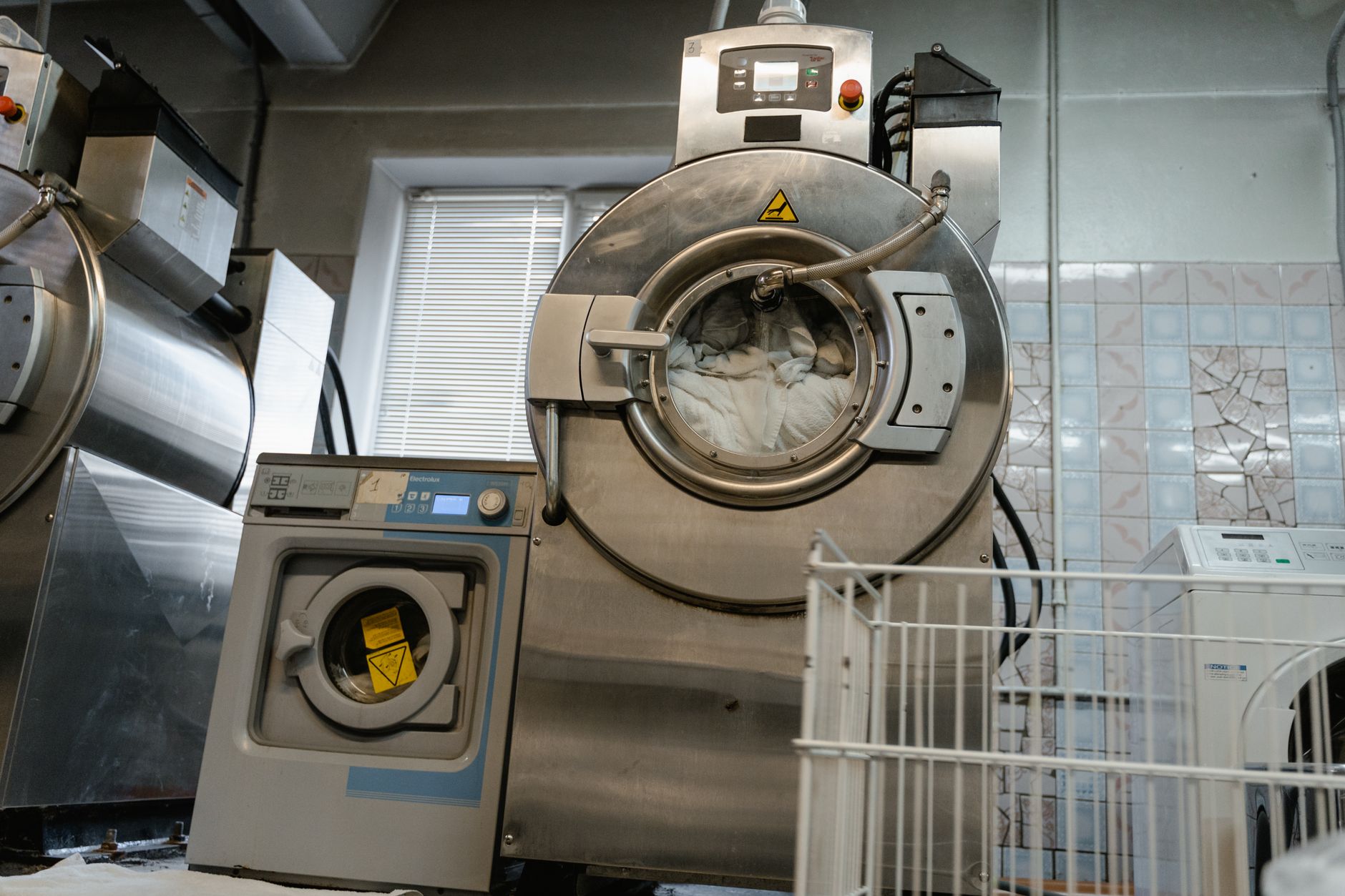
Real laundries are messier than curated datasets. In a 2025 TRSA interview, an operator discussing a commercial laundry sorting robot said the project had to be retrained on soiled linen after an early mistake of training on clean linen. The plant, which handled about 80 tons a day, set a sorting-quality target of 95 percent and reached it only after revising the data and the upstream separation process.
That is the lesson buyers should remember. A good robotic sorter does not need to classify every ambiguous piece perfectly on first sight. It needs high confidence on the repeat items and a disciplined reject path for tangled bundles, stained edge cases, and pieces that deserve human review before they can damage the rest of the process.
What is the ergonomic and safety dividend?
Sorting work is physically punishing in ways that do not always show up on a spreadsheet. OSHA states that excessive reaching and pushing during laundry handling, along with lifting wet heavy laundry, can cause work-related musculoskeletal disorders such as back and shoulder strains and sprains. That is exactly the kind of repetitive exposure a robotic sort cell can take off the floor.
The injury data backs up the concern. The Bureau of Labor Statistics reported a 2024 incidence rate of 4.2 nonfatal injury and illness cases per 100 full-time workers for linen supply and 2.9 for industrial launderers. Those rates do not belong to sorting alone, but they sit in the same operating environment of carts, lifts, repetitive handling, and awkward postures that robotic sorting is built to reduce.
In healthcare laundry, the safety case gets sharper. CDC guidance says health-care facilities in the United States process an estimated 5 billion pounds of laundry annually, and heavily contaminated textiles can carry bacterial loads of 10 to the 6 through 10 to the 8 CFU per 100 square centimeters. Earlier separation of exceptions and foreign objects is not just a productivity play. It is exposure control.
What do sorting mistakes really cost?
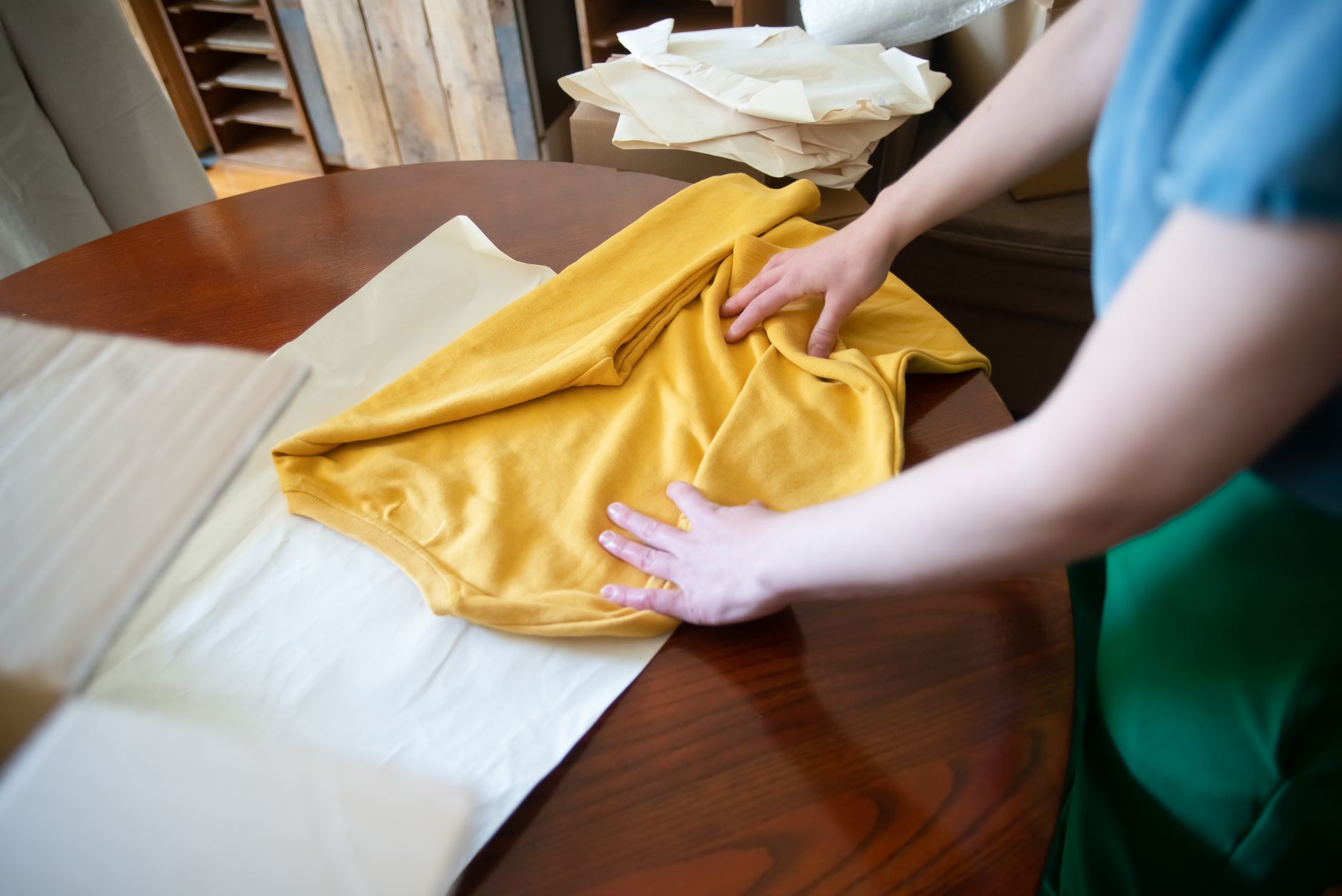
A bad sort rarely hurts only one item. It ripples. Mixed classes reach finishing, operators stop to recheck stacks, wash formulas lose precision, and the clean side inherits confusion that should have been killed upstream. The direct labor to fix those misses is annoying enough. The real cost is the drag on flow and the damage to consistency.
TRSA offers a useful production detail here. In the same 2025 automation interview, the operator said unnecessary series changes could consume 10 to 20 minutes while half-full bags were purged, and that automated pocket-item screening saved time and reduced scrapped textiles by catching forgotten items before they hurt the goods. That is a clear picture of error cost in laundry terms. Lost minutes, extra handling, and shorter textile life.
This is why reject logic matters as much as classification logic. The best systems sort the obvious towels, sheets, and uniforms quickly, then divert doubtful pieces and foreign-object exceptions to a manual lane. That is better economics than forcing the machine to pretend certainty, sending misclassified goods downstream, and paying for the mistake after the fact.
How much retraining does the workforce need?
Less than many buyers fear, and more than some vendors admit. Because laundry work already relies on short-term on-the-job training, the labor pool is not starting from zero. Most plants do not need an in-house machine-learning team. They need operators who can run recipes, clear minor faults, and understand why the reject lane exists.
The deeper retraining lands on a small core group. TRSA's 2025 podcast on laundry automation describes the real learning curve as operating the touchscreen, handling maintenance, fixing issues, reviewing images when errors occur, and building familiarity with the machine during installation and testing. That is a practical technician and supervisor skill set, not a research program.
The payoff is role improvement. Instead of asking experienced staff to stand in heat and soil making the same sort decision all day, the plant can redeploy them into exception handling, quality control, staging, and line-balance work where judgment matters more. That usually makes adoption sturdier than the common fear that automation simply erases useful work.
Why does the deployment model decide the ROI?
A linen-sorting cell is never just a robot. It is vision, grippers, conveyors or presentation, guarding, rules for rejects, operator training, service response, and a plan for how the line behaves at 6 a.m. on a Monday when the mix is ugly. That is why the integration model often decides the outcome more than the camera spec does.
For U.S. laundries, this is where Service Robot Co. earns its place. We are a full-service commercial robot integrator and a vendor neutral robot integrator for U.S. businesses. We select the right robots across manufacturers, then handle robot deployment and integration, financing, training, and service through a nationwide U.S. engineer network, so the buyer has one partner across the full lifecycle instead of stitching together five vendors and hoping the handoffs hold.
That structure also widens the buying options. Some laundries want a purchase. Others prefer monthly payment programs, a lease purchase program, or leasing with no upfront capital so the project tracks operating cash flow. In every case, the first step should be the same. Run a measured pilot on your actual linen mix, count the exceptions honestly, and build the business case around labor, throughput, safety, and error cost together.
- Repeatable linen families with clear destination bins before finishing
- A chronic labor, injury, or turnover bottleneck in sort
- Downstream disruption when mixed linen escapes the sort point
- A practical pilot program with an exception lane for rejects, tangles, and unknowns