Key takeaways
- A new fairway reel is a seven-figure conversation; a monthly program spreads cost across seasons.
- Autonomous fairway hours often extend the life of existing reels instead of replacing them immediately.
- Finance committees care about cash flow, downtime risk, and who owns service when something breaks.
- Greens, tees, and bunkers stay crew-managed; the program targets fairway-scale grass heights.
- Service Robot Co. maps the course and bundles RoboCare with buy or lease structures.
Why do boards still default to another fairway reel purchase?
Capital budgets speak the language of iron. Superintendents know reel life, trade cycles, and the comfort of a familiar dealer relationship when tournament week pressure hits.
Autonomous fairway mowing changes the math without changing agronomy goals. The question is whether the next check should buy metal or buy mapped hours with service attached.
GMs who frame the decision as reel versus robot miss the third option: a monthly program that includes mapping, scheduling around play, and maintenance when a sensor faults at dawn.
What does a monthly fairway program actually include?
Service Robot Co. walks the property, sets geofenced routes for fairways and first-cut rough, and configures quiet windows that respect tee times and league nights. RoboCare covers the unit so your team is not hunting parts during a Saturday shotgun.
Buy or lease financing is structured like other commercial robot programs: predictable monthly cost, service included, one integrator phone number. OEM hardware is selected for fit, not loyalty to a single paint color.
Greens and tees stay with your trained staff. The program targets open fairway acres where GPS mapping and repeat striping add the most hours back to the week.
How can automation defer the next reel replacement?
When wide cuts move to scheduled autonomous hours, the legacy fairway reel runs fewer annual hours. That directly pushes out the trade cycle finance planned for three years from now.
General manager Paul Lancaster told the GCMA in 2025 that Aspley Guise & Woburn Sands Golf Club expected its conventional fairway mower to last longer after robotic units absorbed routine passes, freeing capital that would have funded a replacement for other club investments.
Deferral is not denial. You still maintain the reel for backup, training, and tight spots maps exclude, but the capital line item can wait until autonomous hours prove stable across seasons.
What should finance compare line by line?
List the all-in reel quote: machine, attachments, freight, training, and the first year of expected shop time. Add fuel or power, blades, and the labor hours tied to operating it.
List the monthly program quote: mapping, service, software updates, and scheduled cutting hours. Note whether weather pauses are handled in the contract language or left ambiguous.
Compare downtime risk. A broken reel during member guest day is a superintendent crisis. A program with RoboCare and a backup plan shifts that risk toward the integrator, which is worth money even if the sticker price looks higher.
- Five-year total cost of ownership for the reel path
- Three-year cash outlay for the monthly program
- Expected crew hours returned to bunkers and irrigation
- Residual value or buyout terms at lease end

Where do labor savings actually show up?
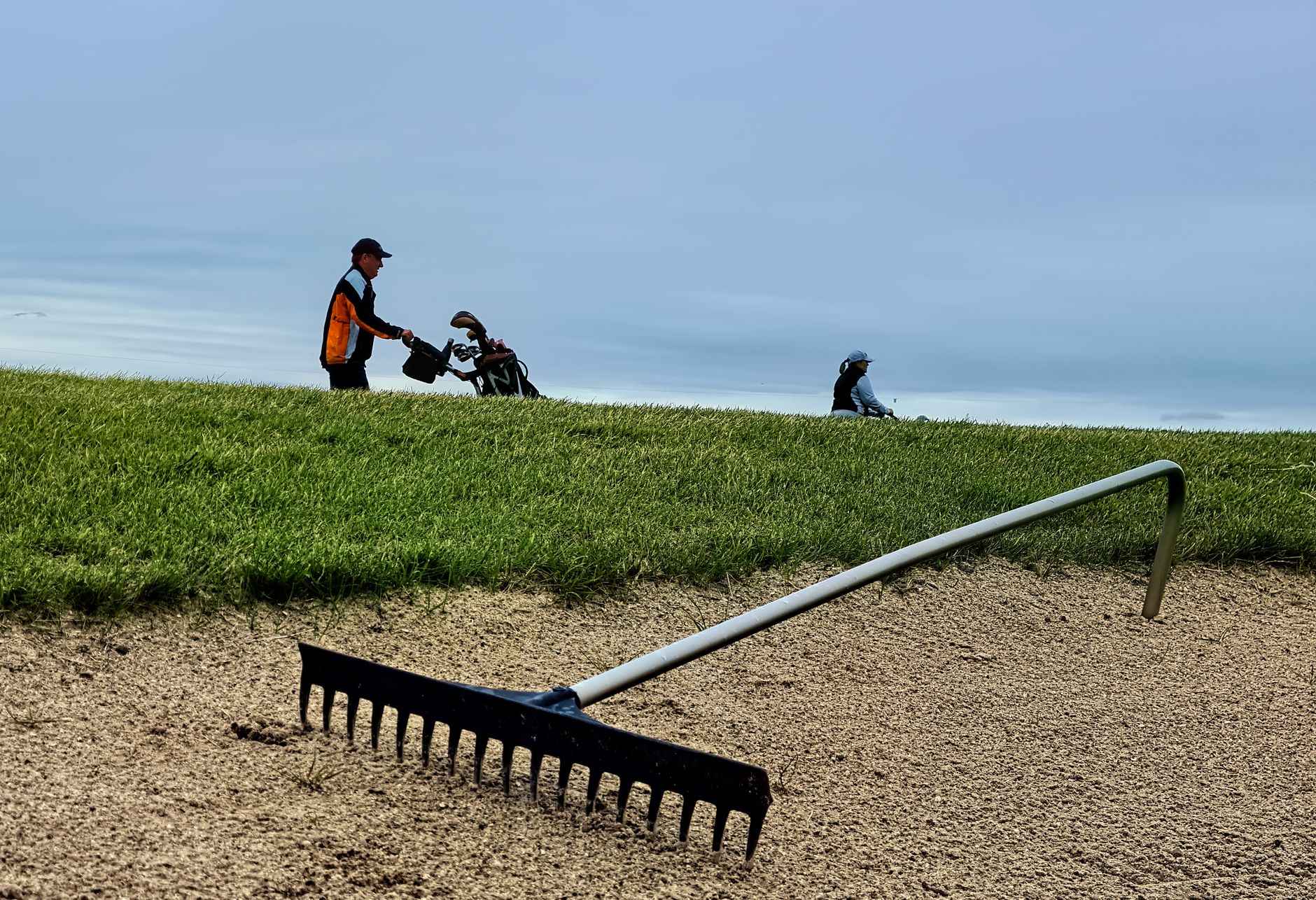
Savings rarely appear as a eliminated position on day one. They show up as bunkers edged before lunch, irrigation checks completed, and fewer overtime Saturdays before a club championship.
NGCOA facility owner surveys in early 2025 still ranked finding quality staff and managing labor costs as top operational concerns, which is why redeployment stories matter more than headcount cuts in board conversations.
Document hours before and after the first autonomous season. Finance trusts a simple chart more than agronomic adjectives.
Can you layer other robots after fairways are mapped?
Yes. Path sweepers, clubhouse scrubbers, and solar security cameras are separate maps but one integrator relationship. Clubs often add hardscape and indoor layers once fairway schedules stabilize.
Stacking layers avoids three vendor contracts and three service portals. Escalation stays with Service Robot Co. whether the issue is turf, tile, or a camera offline at the cart barn.
What should the board vote on this quarter?

Approve a ninety-day pilot on two fairway holes with documented hours and member feedback, not a fleet purchase on slide one.
Ask for the service-level terms: response time, backup cutting plan, and who owns map updates after a bunker renovation.
If the pilot hits hour-return targets, move to a full-property map with a monthly program and revisit the reel capital request with real data instead of a depreciation guess.