Key takeaways
- Water recycling earns its premium mainly by reducing tank-service interruptions, not through utility savings alone.
- Compare productive cleaning time between human touches, not just tank size or advertised coverage.
- Filters add consumable expense, cleaning labor, failure points, and chemistry constraints that conventional scrubbers avoid.
- Large, continuous routes far from fill and drain points offer the strongest business case.
When does onboard recycling pay?
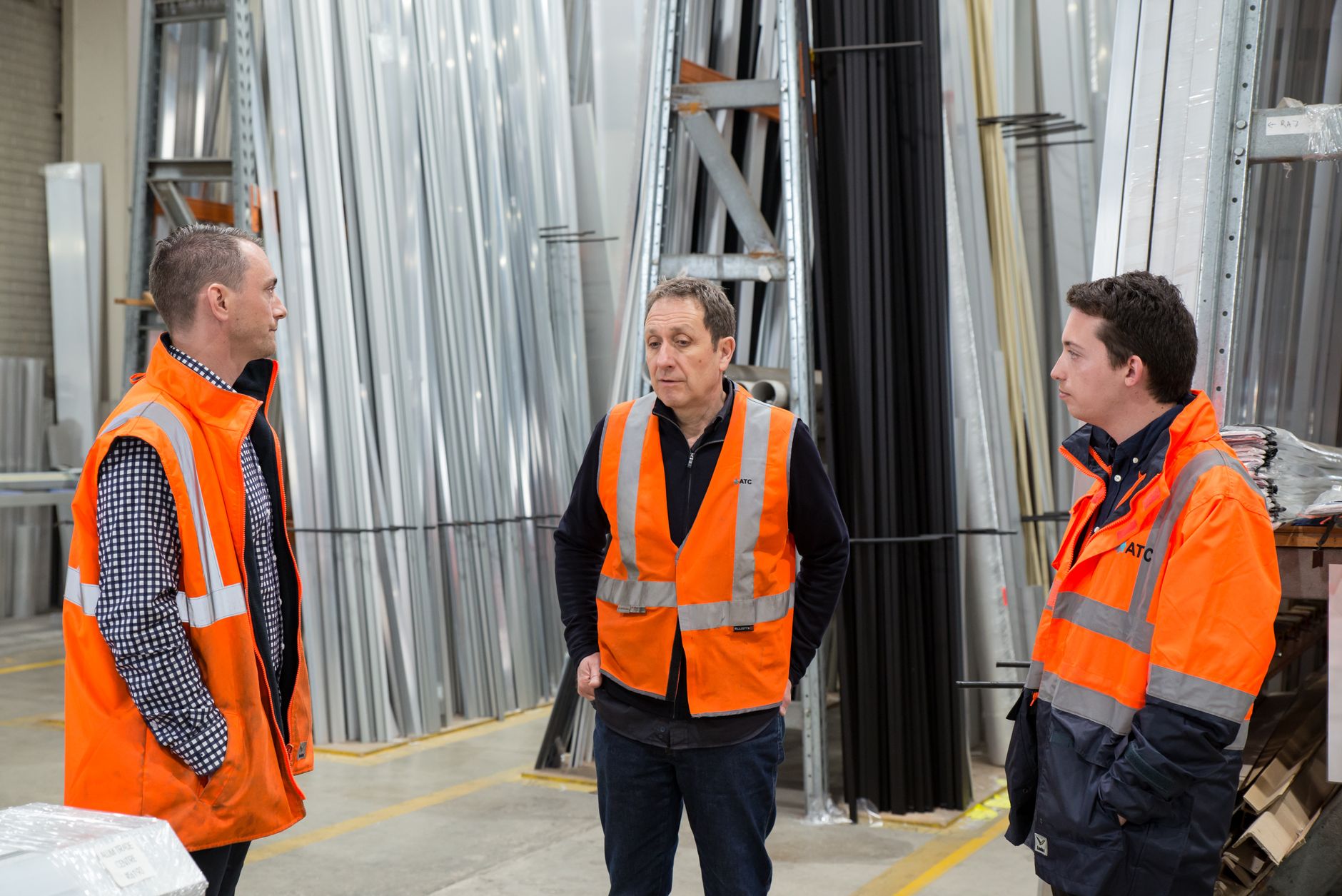
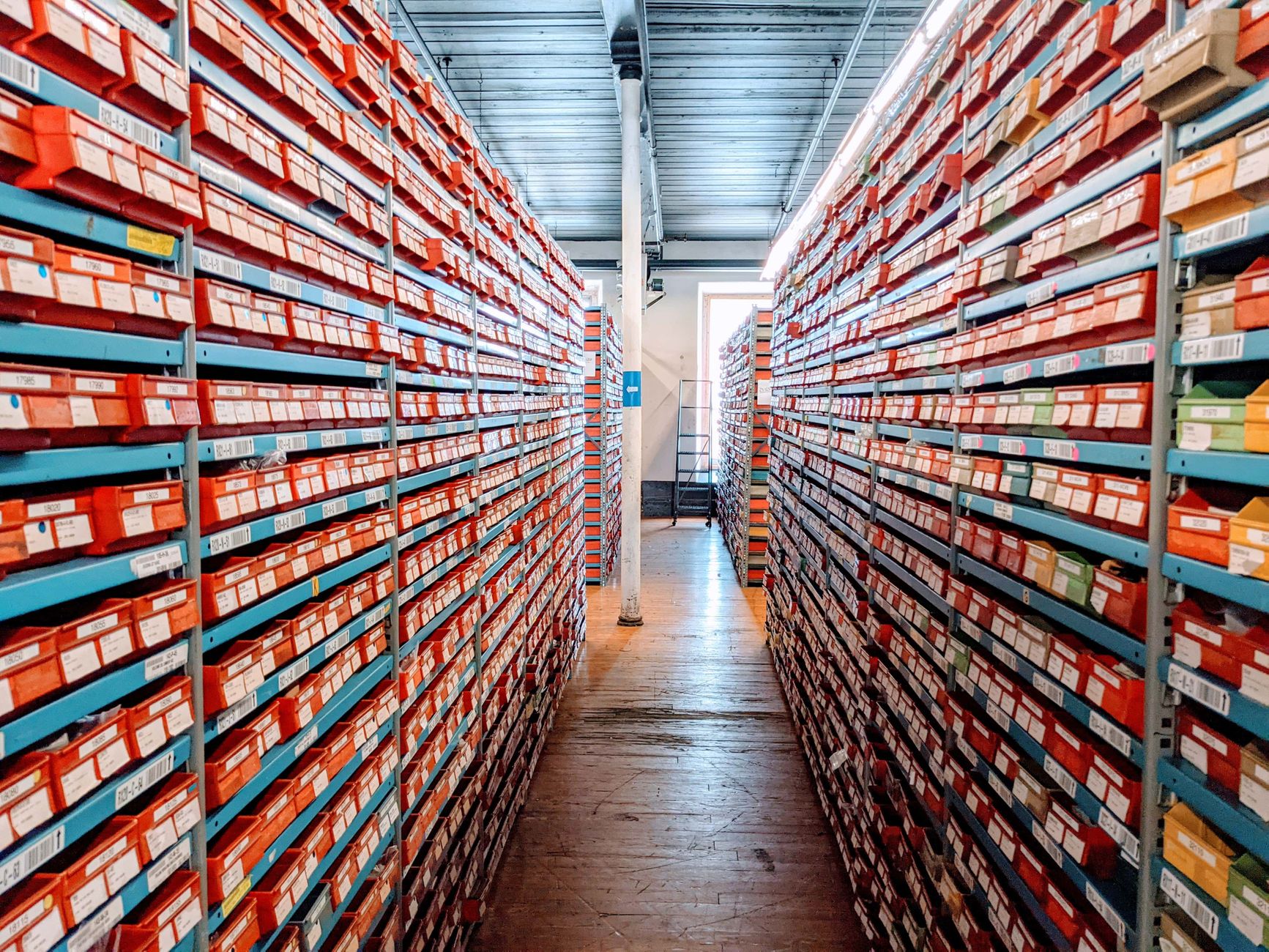
A water-recycling cleaning robot is usually worth its added acquisition and upkeep when a facility runs long, repeatable routes and loses significant paid time to filling, draining, and supervising tanks. Warehouses, terminals, convention halls, and large retail floors are the natural candidates.
A conventional autonomous floor scrubber often has the lower total cost in smaller buildings, on short cleaning routes, or where a janitor closet sits close to the work. It can also be the safer choice when heavy soil rapidly loads filters or sanitation rules discourage recirculating recovered liquid.
The decisive metric is cost per productive cleaning hour between required human touches. Water and sewer savings matter, but labor, downtime, filter care, and route completion usually move the TCO calculation much more sharply.
What changes inside a recycling scrubber?
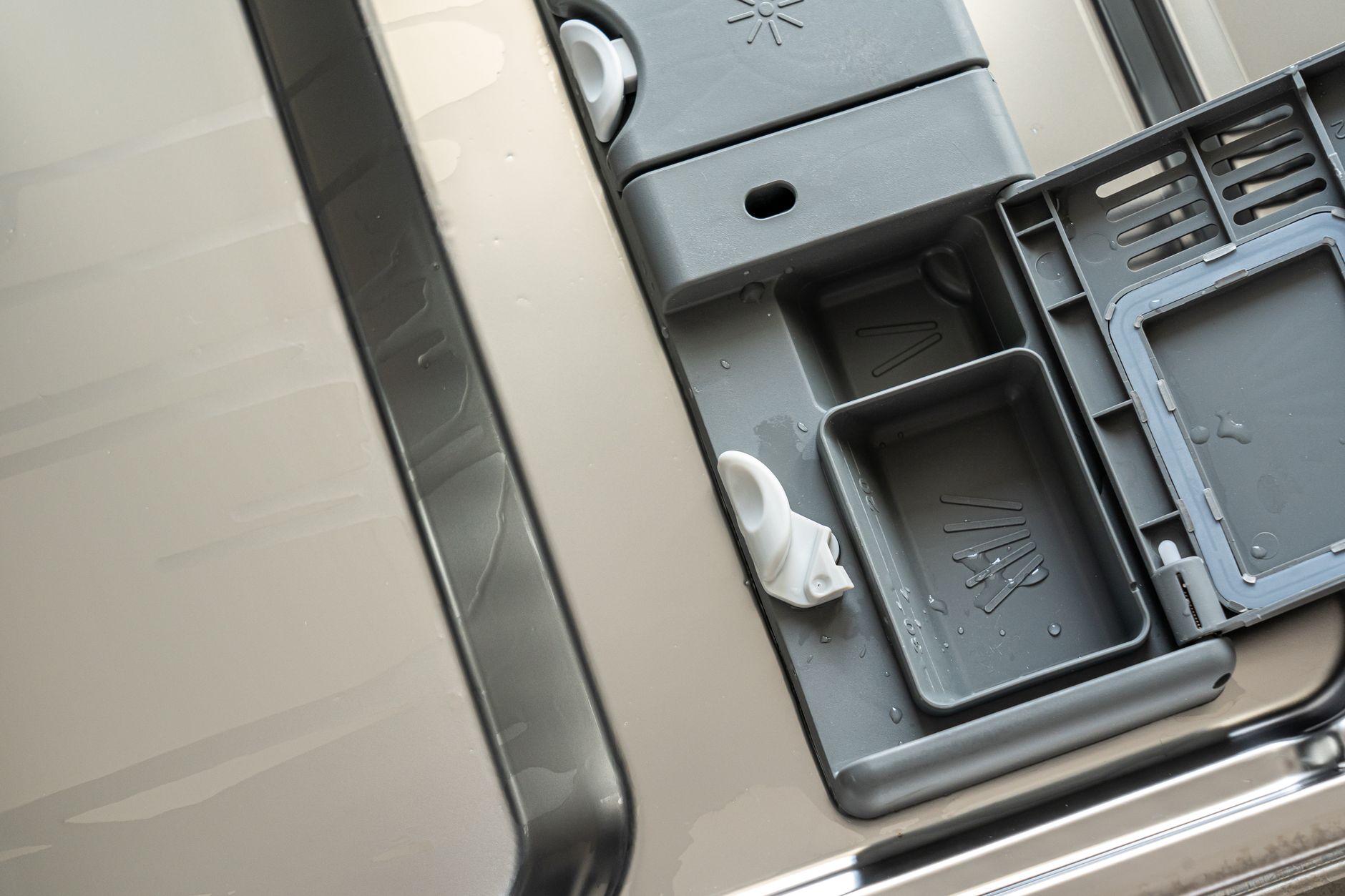
Both machine types dispense cleaning liquid, agitate the floor, and recover the dirty liquid. A conventional machine stores that recovered liquid for disposal. A recycling machine filters it and returns usable liquid to the cleaning circuit, extending work before another freshwater fill.
That extra loop requires pumps, filter stages, sensors, plumbing, seals, controls, and access for cleaning. Those components can increase effective tank endurance without making the physical tank larger, but they also create more maintenance points.
Tank labels alone therefore make a weak comparison. A UK public procurement notice specified conventional ride-on scrubber-dryer tanks from 70 to 200 liters, illustrating the wide capacity range even before autonomy or recycling enters the discussion. Buyers need usable runtime under their own soil conditions, not a gallon contest.
How should acquisition and financing be compared?
There is no credible universal recycling premium. Installed cost changes with machine size, autonomy package, filtration design, docking equipment, mapping, plumbing, freight, training, software, warranty, and service coverage. Request matched quotations built around the same floor area, shift pattern, and contract term.
For a purchase, include the machine, water station, site work, commissioning, spare filters, initial chemistry, and staff training. For a floor scrubber monthly lease or commercial cleaning robot leasing, compare the full monthly payment programs, included service, consumable allowances, insurance, replacement terms, and end-of-term obligations.
Robot leasing vs buying can change cash flow without changing the underlying workload. A leasing arrangement with RoboCare™ service may transfer repair risk, while a low payment that excludes filters, on-site dispatch, or emergency replacement can merely hide it. Ask for one TCO worksheet covering every charge.
Consumables can erase part of the water gain
Pads, brushes, squeegees, and approved cleaning chemistry belong in both columns. The recycling column also needs filter media, strainers, seals, pump wear items, filter-cleaning water, and any disposal cost for concentrated residue.
Do not assume lower freshwater consumption produces an equal reduction in chemistry. Some systems meter fresh chemistry separately, while others recirculate part of the mixture. Soil, dilution controls, foam, dissolved salts, oils, and fine particulates can alter performance as the liquid makes repeated passes.
Ask the supplier to document chemical compatibility, replacement intervals, cleaning procedures, and the conditions that trigger a filter alarm or bypass. A warehouse cleaning robot lease tested on light dust may behave very differently when deployed around pallet debris, tire marks, food residue, or metal fines.
Maintenance labor is the pivotal variable
Recycling eliminates some tank visits but adds filter care. Track the actual minutes required to inspect screens, rinse tanks, remove sludge, wash filter elements, clear hoses, and return the machine to service. Include travel to the janitor room and the time spent finding trained staff after hours.
The U.S. Bureau of Labor Statistics reports that janitors and building cleaners had a median hourly wage of $17.71 in May 2025. That figure excludes benefits, supervision, recruiting, and facility overhead, so an employer's loaded cost will be higher. Even brief recurring interventions can outweigh modest water savings.
Filter performance also depends on the soil stream. A 2023 floor-cleaning patent record indexed by Google Patents describes an example in which a filter became loaded after processing 100 liters, then required 15 minutes and another 50 liters for manual washing. A patent example is not an independent field trial, but it shows why buyers should demand measured filter-service data.
Water and sewer costs require local math
EPA WaterSense estimates 2024 commercial rates at $6.13 per 1,000 gallons for water and $7.23 for wastewater, a combined $13.36. At that national benchmark, avoiding gallons creates real savings, but utility cost alone may not repay a large equipment premium quickly.
Local tariffs can be materially higher. For the fiscal year beginning July 1, 2026, the New York City Department of Environmental Protection lists a combined water and sewer charge of $13.50 per 100 cubic feet. Its billing guidance equates 100 cubic feet to about 748 gallons.
The U.S. Department of Energy notes that facilities without a separate sewer meter are often billed as though incoming water volume equals outgoing sewer volume. That means each avoided freshwater gallon may reduce two charges. Check fixed fees, tiered rates, sewer assumptions, drought surcharges, and submeters before modeling savings.
Water also carries an upstream energy burden. EPA WaterSense uses estimates of 2.069 kilowatt-hours per 1,000 gallons for drinking-water service and 2.521 for wastewater service. Those figures strengthen the environmental case, although that system energy does not normally appear as a separate line on the facility's bill.
Tank capacity is an interruption problem
For a conventional scrubber, usable cleaning time is constrained by freshwater depletion or recovery-tank capacity, whichever arrives first. For a recycling unit, filter loading, unrecovered liquid, foam, sludge capacity, and water quality can become the new limit.
Model each route as productive minutes divided by total elapsed minutes. Total elapsed time includes driving to the service point, draining, rinsing, refilling, filter work, exception recovery, and returning to the route. This reveals why a smaller recycling tank may outperform a larger conventional tank on large facility coverage.
Require a pilot report that records the following items separately:
- Freshwater added and recovered liquid discharged per completed route
- Minutes of autonomous scrubbing between each required human touch
- Filter alarms, clogs, foam events, spills, and incomplete routes
- Time spent filling, draining, rinsing, cleaning filters, and restarting
- Square feet accepted after inspection, excluding travel and repeat passes
Which facility conditions make recycling worthwhile?

The strongest fit is a long, wet-cleaning route with distant service rooms, expensive night labor, limited water access, high local sewer rates, and soil that filters predictably. A night shift autonomous scrubber gains more value when one avoided tank stop prevents a missed route or an after-hours callout.
The weakest fit is a short route beside a fill-drain station, especially when sticky oils, fibers, heavy sediment, or strict infection-control practices increase filter work. Intermittent use also gives the acquisition premium fewer operating hours over which to spread.
Use these decision signals before requesting proposals:
- Multiple tank interventions currently interrupt a normal shift
- Staff spend meaningful time walking, waiting, rinsing, and restarting
- Routes regularly fail because water capacity ends before battery capacity
- Water restrictions or sustainability targets carry operational value
- A representative soil test shows stable filtration and acceptable floor results
Build the decision from a measured pilot
Start with two weeks of baseline records from the current scrubber process. Measure gallons, chemistry, labor minutes, completed area, rejected work, tank visits, and downtime. Then run both robot types over the same routes, shifts, and soil conditions. EPA WaterSense recommends tracking water over time because bills alone can conceal operating patterns and malfunctioning equipment.
Calculate annual TCO as acquisition or financing, consumables, planned service labor, water, sewer, unplanned repairs, downtime, software, and residual value. Calculate the recycling payback by dividing its incremental installed cost by the annual operating savings it actually demonstrated. Do not substitute advertised coverage for observed results.
Service Robot Co. can organize that comparison as an OEM-neutral, full-service commercial robot integrator for U.S. businesses. The team selects across manufacturers, arranges financing, handles robot deployment and integration, trains operators, and supports units through a nationwide engineer network. That gives buyers one vendor for the lifecycle and one operating model for a conventional or water-recycling robotic industrial floor cleaner.