Key takeaways
- Deferring robot maintenance leads to higher long-term costs from emergency repairs and operational downtime.
- A single hour of downtime can cost a business tens of thousands of dollars in lost productivity and revenue.
- Preventative maintenance identifies minor issues before they cascade into major, system-crippling component failures.
- A comprehensive robot maintenance service plan offers predictable costs and maximizes the lifespan and value of your automation assets.
- Partnering with a vendor-neutral robot integrator ensures you have nationwide support regardless of the robot's manufacturer.
What is the real financial impact of delaying robot service?
Delaying scheduled maintenance on your commercial robot fleet is a gamble with expensive consequences. While it may seem like a way to save money in the short term, this approach systematically leads to higher costs, more frequent failures, and significant operational disruption down the line. The reality is that the cost of an emergency repair and the resulting downtime far exceeds the price of a regular service plan.
According to an analysis by Pacific Partners Consulting Group, every dollar of maintenance deferred results in an average of four dollars in future capital renewal costs. This four-to-one penalty arises from small, unaddressed issues like bearing wear or cable fatigue cascading into major component failures. What starts as a minor fix becomes a complex, costly repair involving multiple systems, rush shipping for parts, and premium rates for emergency on-site dispatch.
The most significant expense, however, is often the downtime itself. For manufacturing operations, unplanned downtime now costs an average of $260,000 per hour, according to Aberdeen Research. While service robots in logistics, cleaning, or healthcare may have a different hourly figure, the principle is the same. An out-of-service floor scrubber, delivery robot, or security unit represents a direct loss of productivity and forces a costly scramble to cover its duties manually.
How does a minor issue become a major failure?
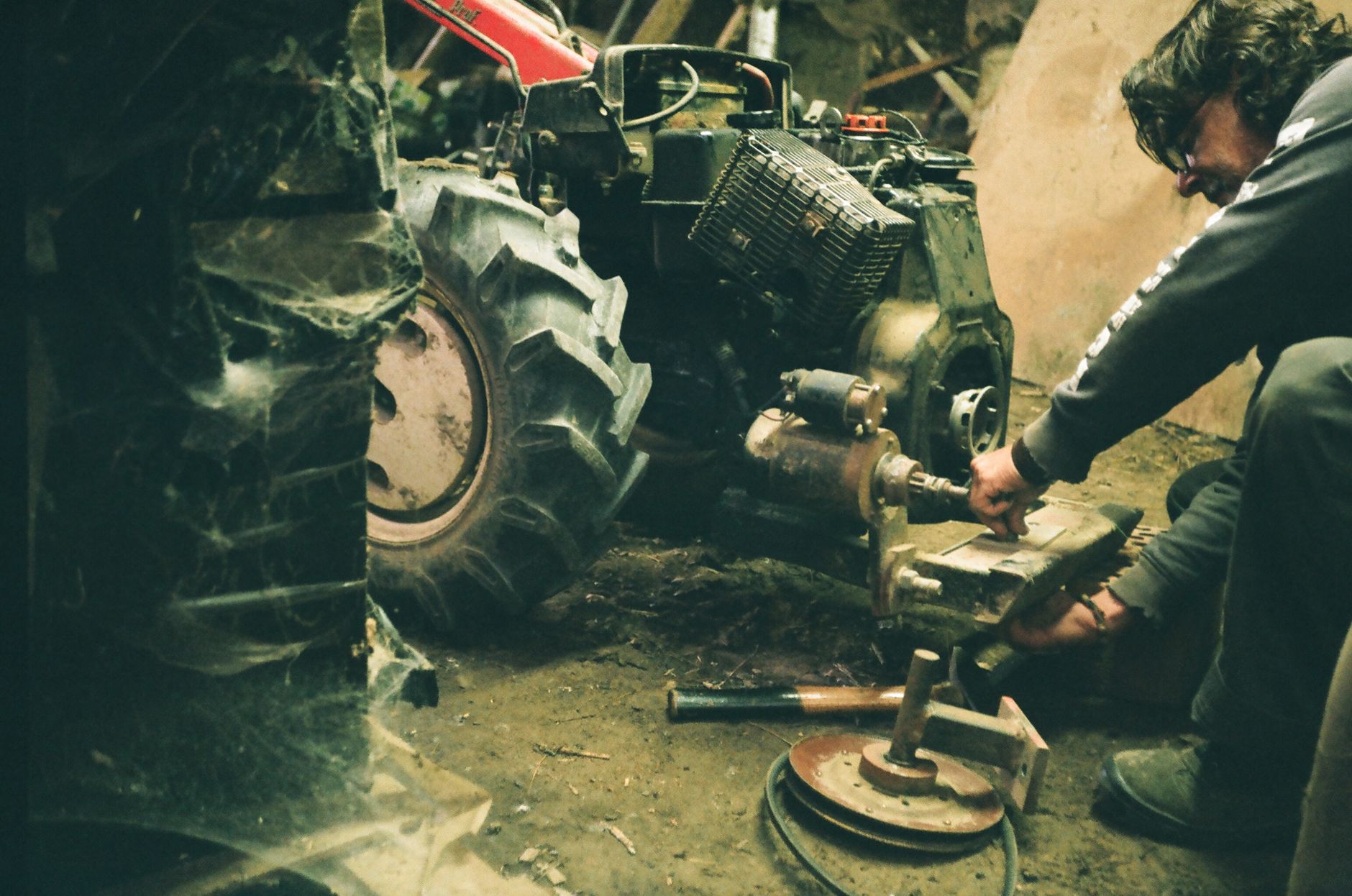
Commercial robots are complex systems where the health of one component directly affects others. Deferring maintenance creates a snowball effect. A simple, preventable problem like a clogged motor filter can lead to overheating, placing strain on the motor's internal windings and bearings.
Over time, this added stress accelerates wear, leading to motor burnout. This is no longer a simple filter replacement. It is now a failure that can damage the connected gearbox or drivetrain, turning a routine task into a multi-component replacement. Similarly, ignoring a sensor that is slightly out of calibration can cause a robot to misjudge distances, leading to collisions that damage the chassis or its payload.
These chain reactions are the primary driver of high repair bills. Most catastrophic failures do not happen spontaneously. They are the final, expensive result of a series of smaller, unaddressed issues that a routine inspection would have easily caught.
What are the hard costs of reactive robot repair?
When a robot fails unexpectedly, the direct costs add up quickly. A single emergency maintenance intervention typically runs between $1,200 and $3,000, and that is before accounting for major replacement parts. This figure covers the technician's travel, diagnostic time, and labor, often at a premium rate for an urgent call.
The price of components themselves can be substantial. A servo drive failure can cost between $2,000 and $8,000 for the part alone, while a critical joint reducer can run from $5,000 to $15,000. These are not minor expenses and can cripple an operational budget that did not account for them.
Contrast this with a preventative approach. Preventative maintenance can reduce overall robotics maintenance costs by up to 30% compared to a reactive, fix-when-broken strategy. Scheduled service allows for parts to be ordered without rush fees and for technicians to work during planned downtime, avoiding the premium costs of an emergency.
How does a service plan protect against these costs?
A dedicated robot maintenance service plan transforms unpredictable, high emergency expenses into a predictable, manageable operational cost. Instead of reacting to failures, you are proactively preventing them. This is the core of effective asset management and the key to maximizing the return on your robotics investment.
At Service Robot Co., we provide this predictability for businesses across the US. As a vendor-neutral robot integrator, we create a single point of contact for the entire lifecycle of a diverse fleet. Our robot rental, leasing, and RaaS monthly subscription models bundle the cost of maintenance, repairs, and support into one clear number, eliminating budgetary surprises.
Our nationwide US engineer network is built for rapid response. Through a combination of remote triage and on-site dispatch, we ensure that if an issue does arise, it is addressed quickly. This one partner, one number approach simplifies managing a multi-vendor fleet, whether you have an autonomous scrubber, a material handling robot, or a restaurant delivery robot. The goal is to guarantee uptime and make the total cost of ownership clear from day one.
Does preventative maintenance extend a robot's lifespan?
Absolutely. Just like any sophisticated machinery, a commercial robot's operational life is directly tied to how well it is maintained. Regular service ensures that components operate within their specified tolerances, reducing the cumulative wear and tear that leads to premature failure.
Well-maintained equipment is also more energy-efficient, as parts are properly lubricated and calibrated, preventing motors and actuators from working harder than necessary. This not only saves on energy costs but also reduces thermal stress on electronics, a common cause of failure.
Furthermore, a consistent service history significantly enhances a robot's resale or trade-in value. When it is time to upgrade your fleet, a well-documented maintenance log proves the asset has been cared for, commanding a higher value. This makes future technology refreshes more affordable and keeps your operation equipped with the best automation for the job.