Key takeaways
- A compact floor robot fits the lane edges, and it must yield to passengers at every peak.
- Morning peaks are the real test, so map the lane at 6 a.m., not on an empty floor plan.
- Keep counter aprons, exits and charging points out of the robot's waiting spot.
- A larger scrubber suits wide, open and wet holdrooms better than a compact unit.
- Measure pauses and staff interruptions in a one-lane pilot before you commit.
Does a floor robot belong in a ticket counter queue lane?
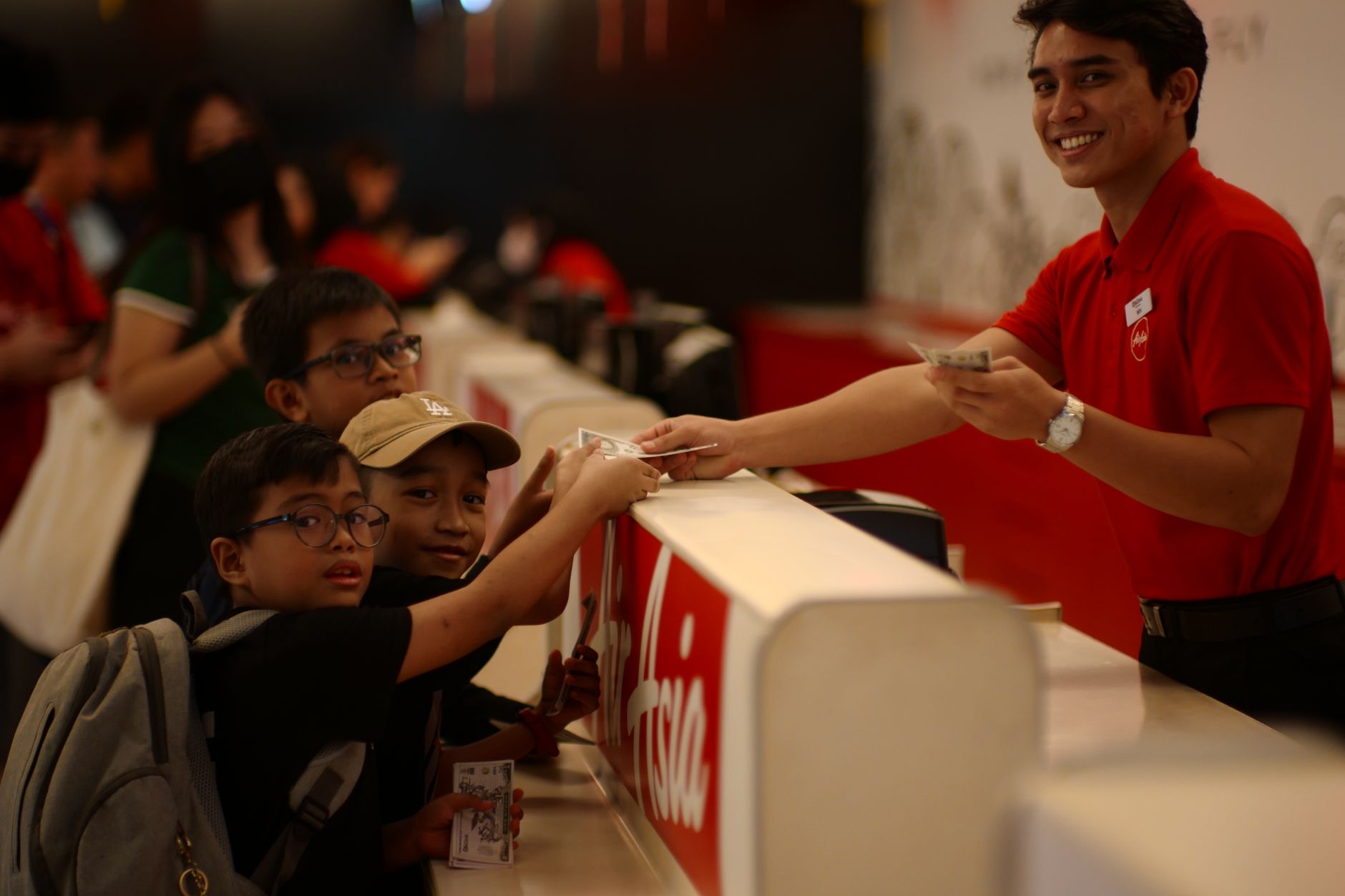
Yes, in many regional terminals, but only in a narrow role. A compact floor robot can clean the lane between passes if its route is mapped around the stanchions, the counter aprons and the cart staging spots, and if it yields the moment a passenger line steps into its path. A larger scrubber is usually the wrong tool for that strip of floor.
The deciding factor is timing. Ticket counter lanes carry their heaviest traffic in the early morning, so a robot that cannot pause, reroute or wait becomes an obstacle exactly when agents have the least patience for one. Plan the lane around the peak, not around the average day.
Why do morning queues build so fast?
Morning queues follow passenger arrival habits as much as flight schedules. According to Flightqueue's busiest-times analysis, check-in tends to fill with passengers arriving two to three hours before departure, while security fills with passengers arriving one to two hours out.
Some airports publish peak windows you can plan around. Austin-Bergstrom lists 5 to 8 a.m., 11 a.m. to 1 p.m. and 3:30 to 5:30 p.m. as peak departure windows and advises arriving three hours early at busy times, according to KVUE. Raleigh-Durham offers a sharper signal. Its CEO said Terminal 2 handles 50 percent more people between 5 and 7 a.m. than two years earlier, tied to more morning flights and larger aircraft.
Those figures describe the crowd, not the queue at any single counter. The research found no verified wait-time or queue-length data for a US regional ticket counter, so measure your own lane before setting robot schedules.
How should you map a queue lane for a robot?
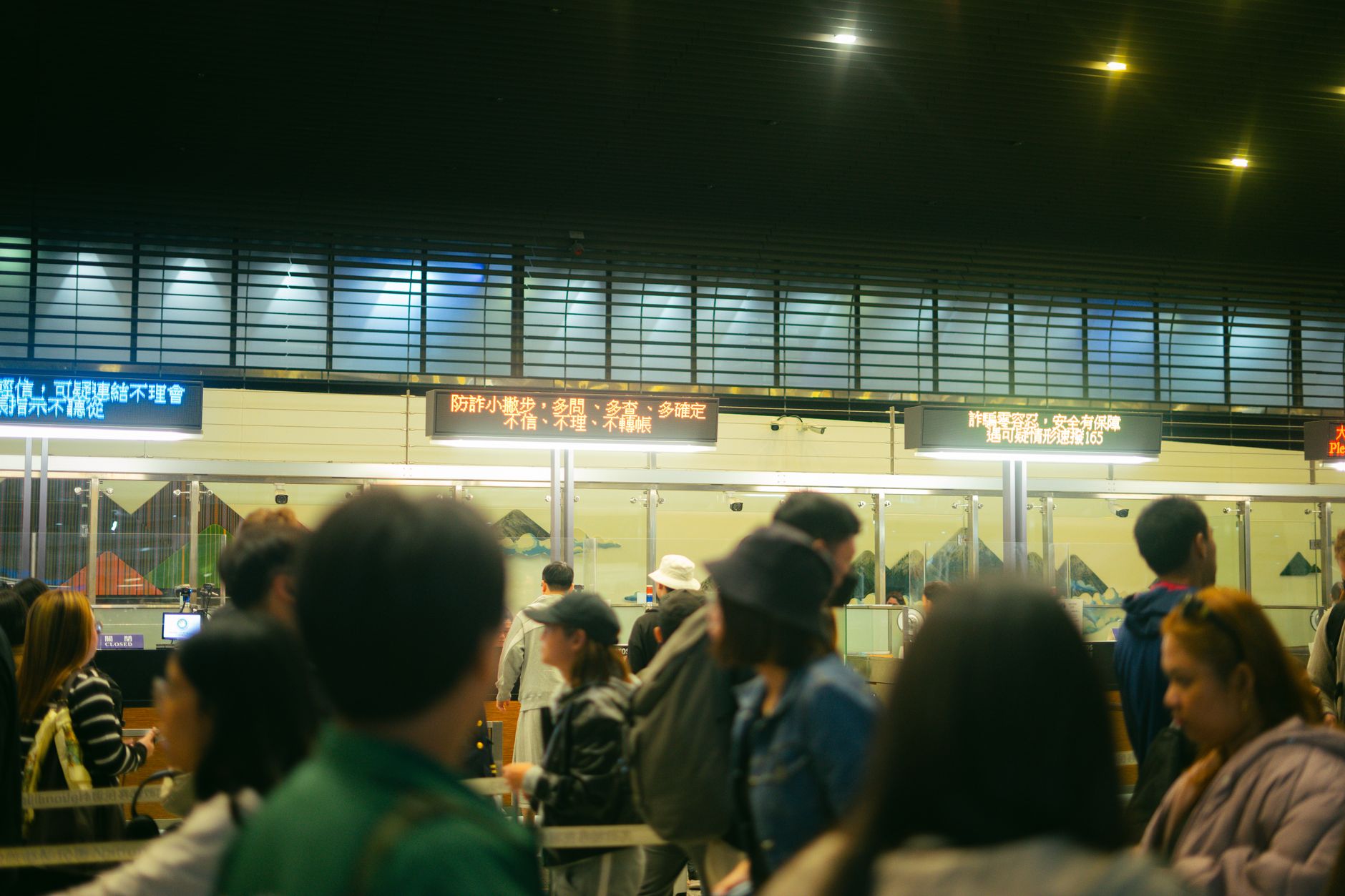
Start by drawing the lane as it is used at 6 a.m., not as it appears on the floor plan at 2 p.m. Stanchions move, bag scales get shifted and passengers spill past the tape. A map built from the empty floor puts the robot in the wrong place on the first busy morning.
Then test the pause rule with real foot traffic. A pause that works at 2 p.m. with three people in the lane may fail at 6 a.m. with forty.
- Treat the stanchion footprint as a changing zone with a yield rule, not a fixed wall.
- Mark counter aprons and bag-drop scales as no-stop tiles so the robot never idles where agents reach.
- Set a pause trigger at the lane entrance so the robot holds before passengers reach it.
- Keep the emergency exit path and any wheelchair turning space clear on every route.
Where should the robot wait when the lane fills?
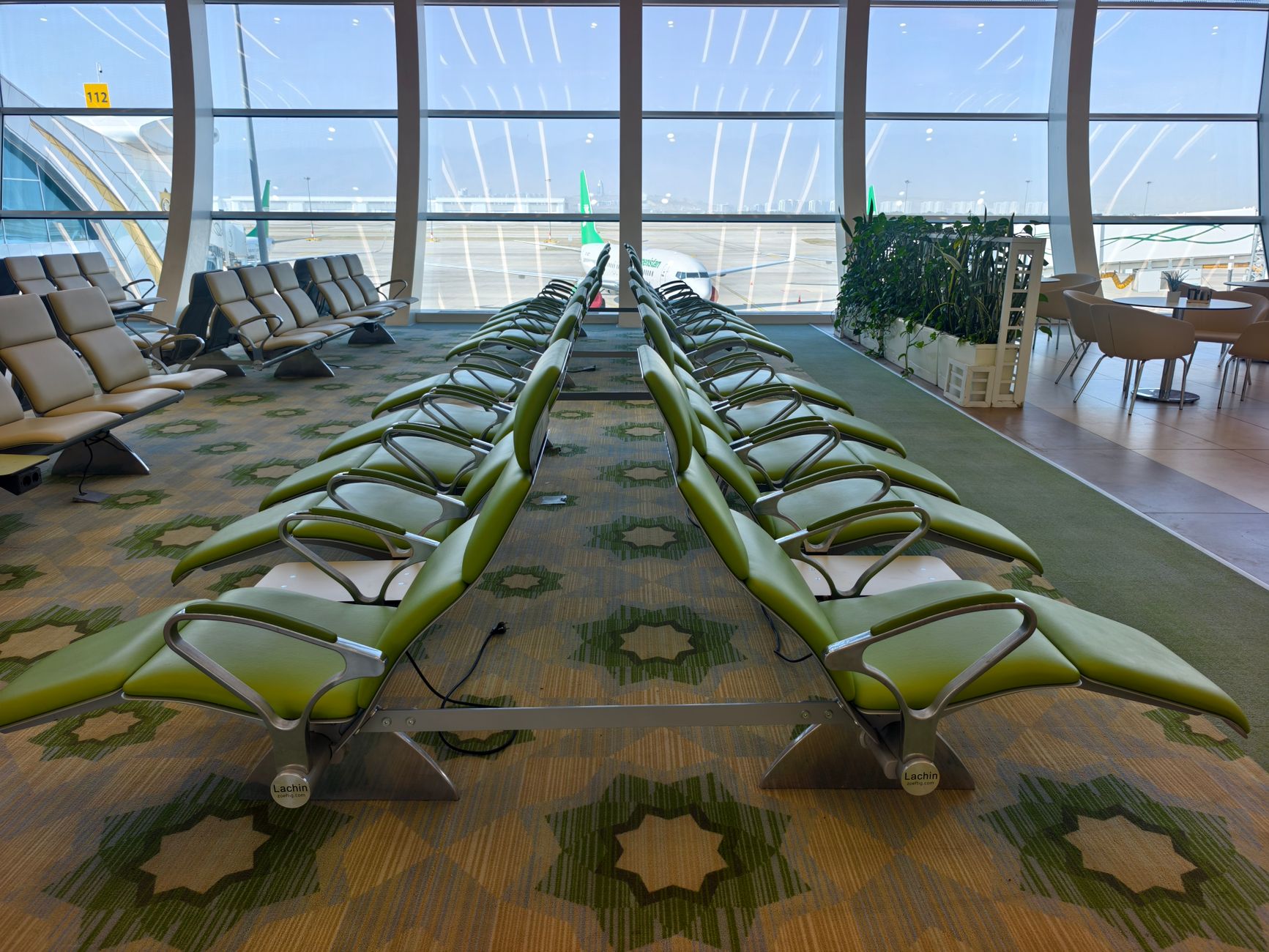
The waiting spot matters as much as the route. A robot parked at the tail of the queue becomes a hazard, and one parked at the counter edge blocks the agents who work there. Choose a staging bay along a wall, outside the path of passenger lines, and send the robot there whenever the lane is busy.
Keep the charging outlet on the same side of the room. A robot that must cross the queue to reach its charger spends the peak in the wrong place.
When does a compact floor robot fit the zone?
A compact robot fits when the lane is narrow, the route is short and repeated, and the soil is light: dust, tracked grit, spilled drinks and wet shoe marks rather than standing water. It also fits the gaps between peaks, when a pass can run without competing with passengers for the same tiles.
Airports already run robot fleets on this kind of work. According to Airport Technology, CVG in Cincinnati was reported around 2020 as the first US airport to deploy Avidbots Neo floor-scrubbing robots. Flagship, a vendor, says in its SoftBank case study that its fleet grew from 100 autonomous cleaning units across 15 locations to more than 200 robots across 25 locations. That is vendor-reported, so read it as a direction, not a benchmark.
When is a larger scrubber the better tool?
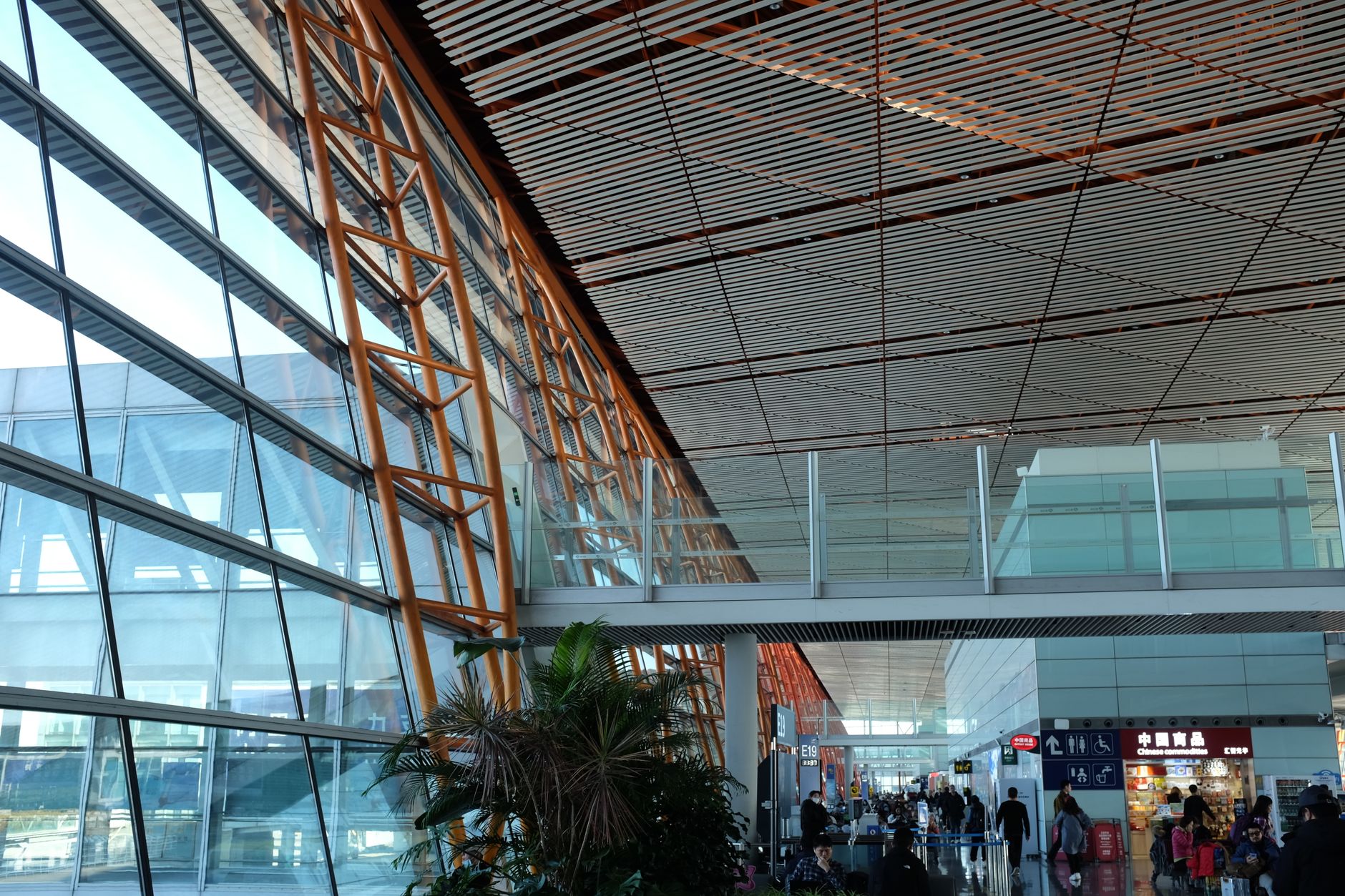
Choose a larger scrubber when the zone is wide, open and wet. A holdroom, a central check-in hall or a concourse with long runs gives a big machine room to work and covers more floor per pass. Forcing a compact robot through those areas usually means more trips and more interruptions.
The LaGuardia Terminal B pilot shows the mixed approach. Launched in late July 2026 by ABM and LaGuardia Gateway Partners, it includes autonomous floor scrubbers, autonomous vacuums and a four-legged inspection robot. According to Renascence, the scrubbers navigate with 3D LiDAR and mapping and the vacuums self-charge. CMM describes it as a pilot to evaluate performance, and no published results were found, so it shows what was tried, not what it achieved.
What should an operator test before committing?
Run a short pilot on one lane through the morning peak and measure two things: how often the robot pauses, and whether agents or passengers have to step around it. Compare those numbers with the staff hours the cleaning takes today. Ask vendors for independent performance data, not only press releases.
Service Robot Co. works as a full-service integrator, so this test is part of the job rather than an add-on. We are OEM-neutral, which means we pick the right robot across manufacturers for the lane, then handle the site assessment, lease financing on a 3-year lease, deployment, integration, training and service through a nationwide US engineer network. The lease quote is one fixed figure after the site assessment, so the lane map and the peak data shape the quote before a robot arrives.
Frequently asked questions
Want a robot working for you?
Tell us the job and the site. We will recommend the robot, quote the lease, and keep it serviced.
Sources
- KVUE: Austin-Bergstrom airport peak travel times
- Raleigh-Durham International Airport CEO statement on Terminal 2 morning traffic
- Flightqueue: busiest times analysis
- Centre for Aviation: ABM and LaGuardia Gateway Partners robotics pilot in Terminal B
- Renascence: autonomous cleaning robots launch at LaGuardia Terminal B
- CMM: autonomous cleaning robotics pilot at LaGuardia Terminal B
- SoftBank Robotics: Flagship case study
- Airport Technology: CVG airport starts use of Avidbots Neo floor-scrubbing robot