Key takeaways
- Split the shop into bay and waiting room zones, each with its own schedule.
- Bays carry oil, grit, rubber dust and brake dust, so short daily passes beat one deep clean.
- Lifts, raised vehicles and fluid spills stay on a manual list.
- A robot runs only when the route is clear and the lift is down.
- Confirm debris volume and run windows with logs before any lease quote.
What can a floor robot cover in a tire shop?
A floor robot can carry real work in a tire shop, but only when the plan splits the building into two jobs. The service bays collect oil, grit, rubber and brake debris from lifts and wheel work. The waiting room sees street grit and a little water, yet customers judge the whole shop by how that room looks.
The short answer: a robot fits the open, repeatable routes in the bays and on the customer side of the building, run during quiet windows between jobs. It does not replace the degreasing and fluid work that stays with staff. Treat the robot as the routine pass that keeps floors presentable between heavier cleaning.
This article maps the zones, names the debris, and sets the timing rules we would use before a lease quote. We did not find a published tire shop floor robot deployment in the sources we checked, so the timing guidance below is a planning method, not a measured result.
Which zones need different floor care?
Most tire shops divide into a few distinct floor zones: service bays with lifts, tire storage and mounting areas, the parts counter and back corridors, and the customer waiting room. Each zone has its own soil load and its own visibility to customers.
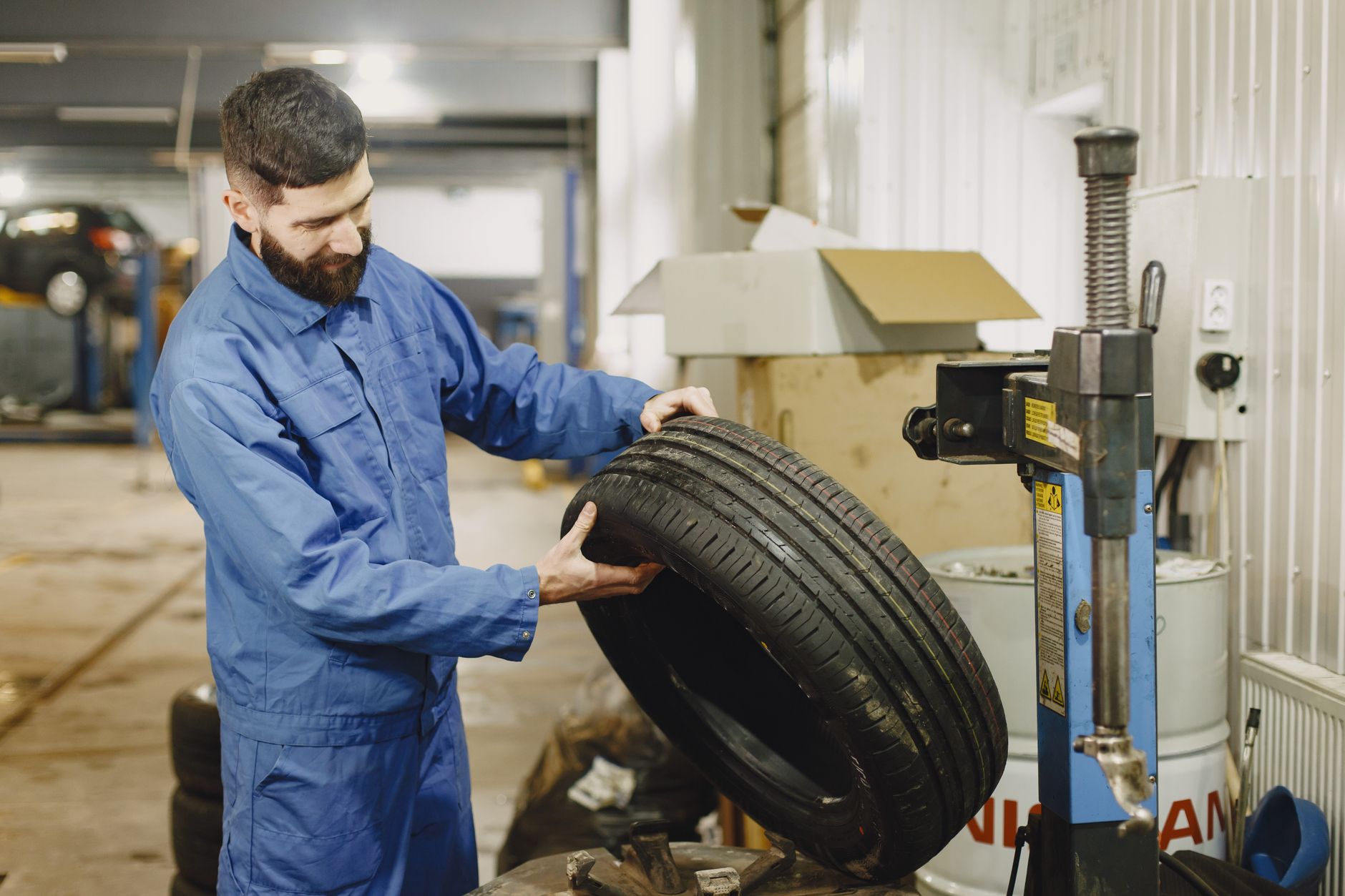
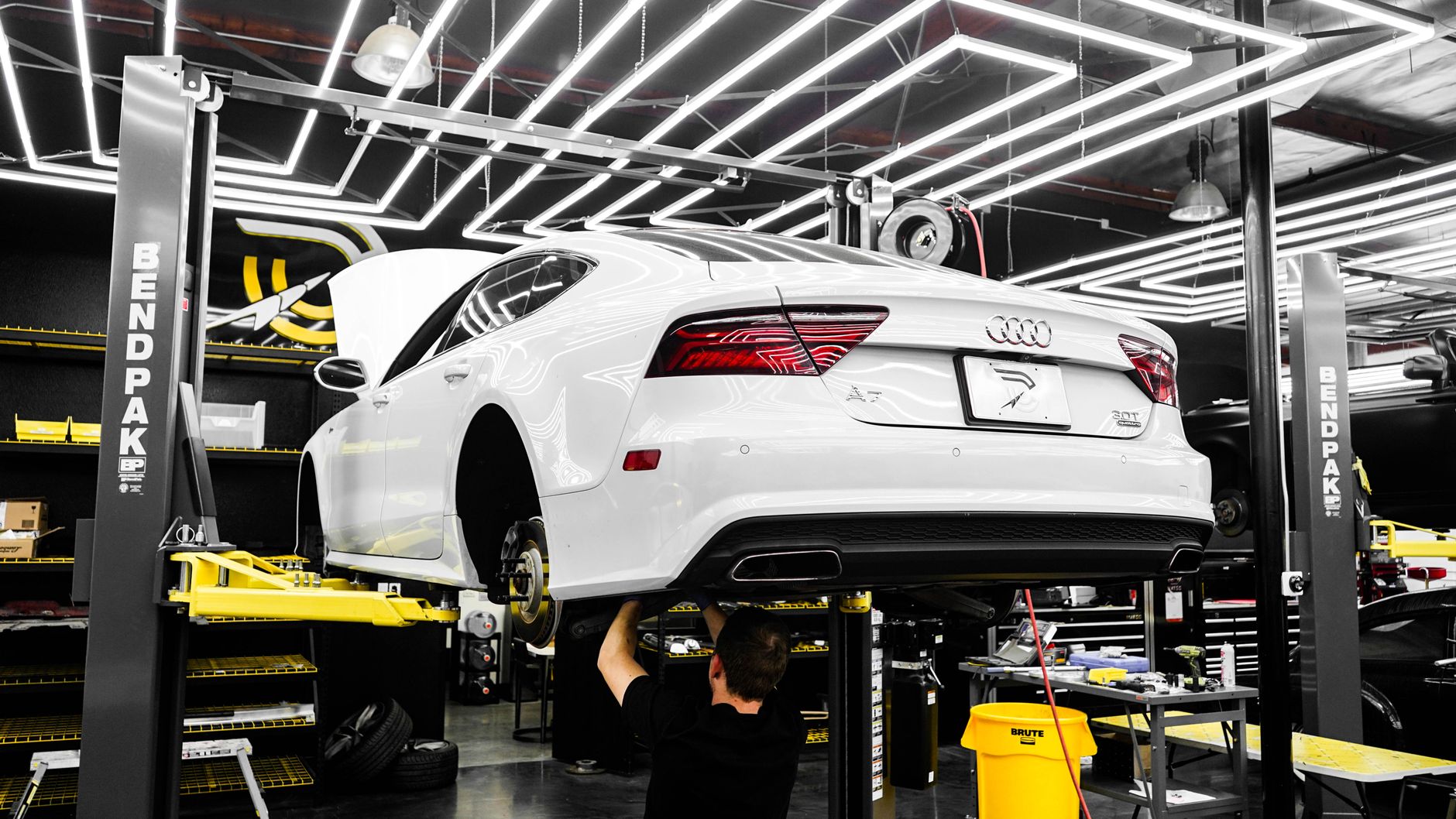
Bays take the heaviest load. Bay cleaning providers describe heavy degreasing around hydraulic lift areas, and industrial floor machines on oil stains and tire marks, with concrete and epoxy scrubbed for ground-in grime. That level of work is still a job for staff and a machine, not a routine robot pass.
The waiting room is the opposite problem. Its soil is light, but the first impression at the door is strong. A tidy entry and clean seating area deserve their own schedule rather than sharing a route with the bays.
What debris does a tire shop floor carry?
Bay debris falls into three groups: fluid drips, grit tracked in from the lot, and rubber and brake dust from wheel work. One cleaning provider's service listing names tire rubber deposits and brake dust among what is removed from bay floors, along with cleaning around lifts and hoists.
Grit and rubber dust spread wider than they drop. Brake & Frontend trade guidance recommends daily floor cleaning protocols to remove debris that builds up through the day. That argues for short, repeated passes over bay aisles rather than a single deep clean at close.
Fluid is a different job. Oil on the floor needs containment and manual cleanup before any robot runs over it. A robot's route should never be the first response to a spill.
Where does a floor robot fit in the bays?
The best bay routes are the open concrete between lifts, the path from the door to the service stations, and the aisles near tire storage. These routes repeat, stay mostly clear and carry the grit that builds up across a day.
Tennant lists walk-behind and rider scrubbers for showrooms and service bays on its US automotive industry page, as of November 2026. That page describes manual machines and does not describe an autonomous dealership deployment, so it serves as a baseline, not proof that a robot fits every bay.
IPC says its walk-behind scrubbers, the CT15, CT50 and CT70, are built for the dirtiest automotive service center and tire shop floors. That is a vendor claim, and we did not test it. Ask for a demonstration on your own debris before you accept it.
The hard limits are the lift footprint, the area under a raised vehicle, active jacks, and any fluid spill. Keep those areas on a manual list, and mark them as no-go zones during the site assessment.
How should the waiting room be scheduled?
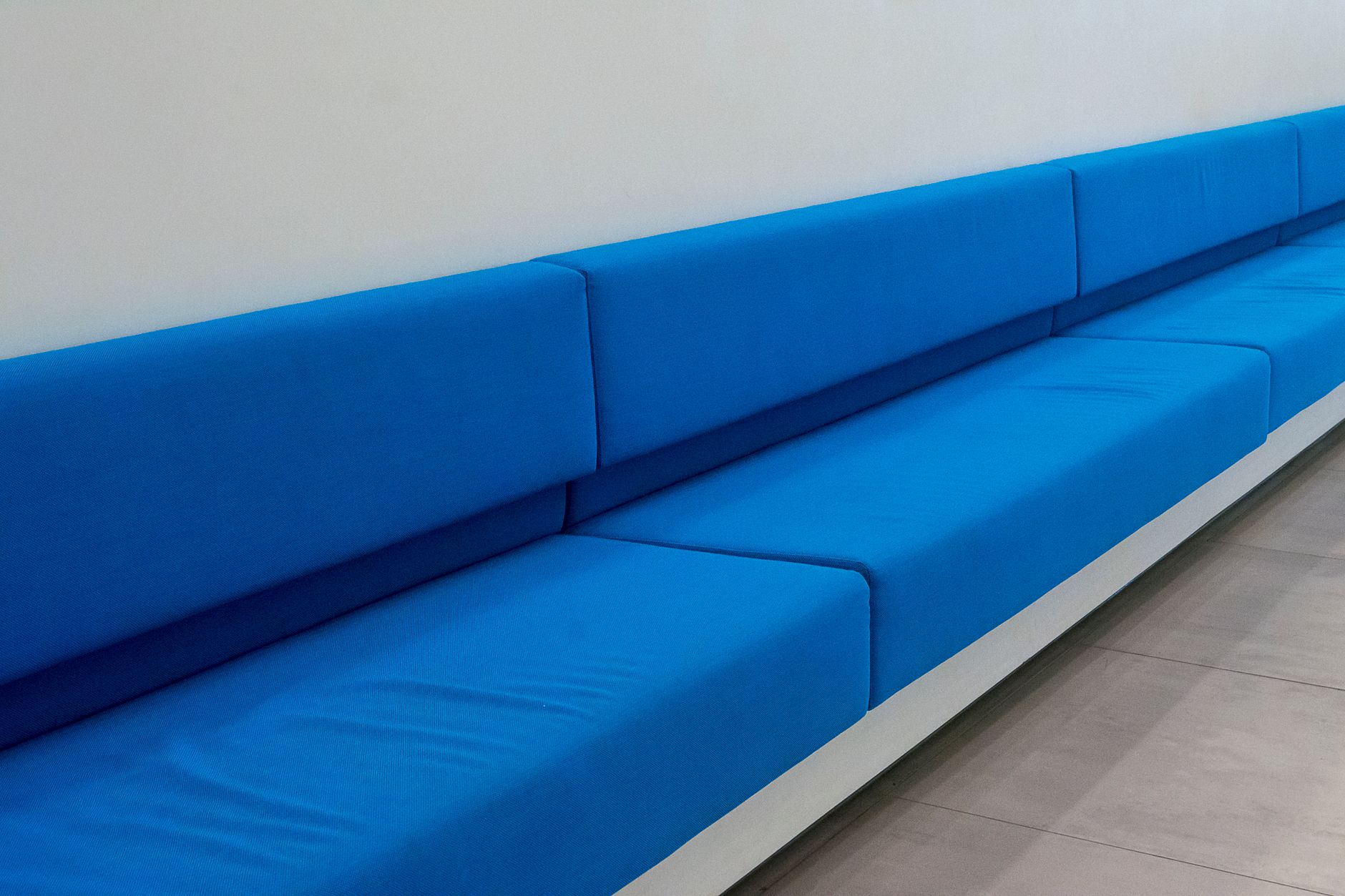
The waiting room is judged at the door and along the seating line. A robot can run that room on its own short schedule, often before the morning rush and in the lull after midday. The right cadence depends on customer counts and weather, so measure both before setting it.
Map the door mat, the seating legs, the service counter and the coat or umbrella stands as slow or no-go zones. A robot that stops for a bag or a child reads as a nuisance, and staff end up stopping to clear the path. Keep the route clear of foot traffic and the robot will fit the room.
When can a robot run between service jobs?
The rule is simple: a robot runs when the route is clear, the lift is down and no technician is working on the path. Between jobs, a shop can open a quiet window, often a lunch break or the gap after a tire change clears the bay. That window sets the run time, not the other way round.
Before each run, check for fluid, loose tools, hoses and cords, and confirm the charging dock sits away from bay traffic. After the run, log what was picked up and where the robot stalled. Those logs decide whether the schedule, the zones and the lease scope need changes.
Plan around the windows the shop actually has, not the hours on the wall. A schedule that assumes a clear floor every hour will fail the first busy Saturday.
How does a lease scope fit a tire shop?
Service Robot Co. leases robots only, on a 3-year lease, with one fixed quote after a site assessment. Our team maps the bays and the waiting room, picks the robot by task rather than by brand, and sets the zones and run windows before anything is quoted.
We are OEM-neutral and work with robots from several manufacturers, so the machine that fits your debris and layout is the one we recommend. Deployment, integration, training and service run through a nationwide US engineer network, so one vendor covers the whole lifecycle of the lease.
For a tire shop, the site assessment is where the bay and lobby zones get drawn, where the no-go areas are set, and where the lift and fluid zones are marked for staff.
What the evidence does and does not show
IFR's World Robotics 2026 service robot release says global professional service robot shipments rose 24% in 2025 to almost 250,000 units. That is a market figure, and it does not single out tire shops or floor robots in automotive service.
The debris and cleaning practice here comes from trade guidance, cleaning provider listings and vendor pages. None of them measured debris volume per bay. Before scaling any plan, log one week of floor passes, count customers in the waiting room, and compare the results with the zone map.
A Fleet Maintenance article is headlined How a clean shop floor can increase customer confidence. We cite only that headline, not its body, and the link appears in the sources for readers who want to check it.
Frequently asked questions
Want a robot working for you?
Tell us the job and the site. We will recommend the robot, quote the lease, and keep it serviced.