Key takeaways
- Tire shop bays and the waiting room need separate routes, cleaning cadence and exclusion rules.
- Bays collect oil, grease and tire marks, so they get the heavy scrubbing pass after close or in a verified lull.
- The waiting room gets a light pass during open hours, and the front counter stays off the robot route.
- Vehicles on lifts, open pits, hoses and the path to the counter belong on the exclusion list.
- Set cadence from a week of your own route logs, since vendor and contractor frequency claims are not independent studies.
What does a floor robot zone map look like for a tire shop?
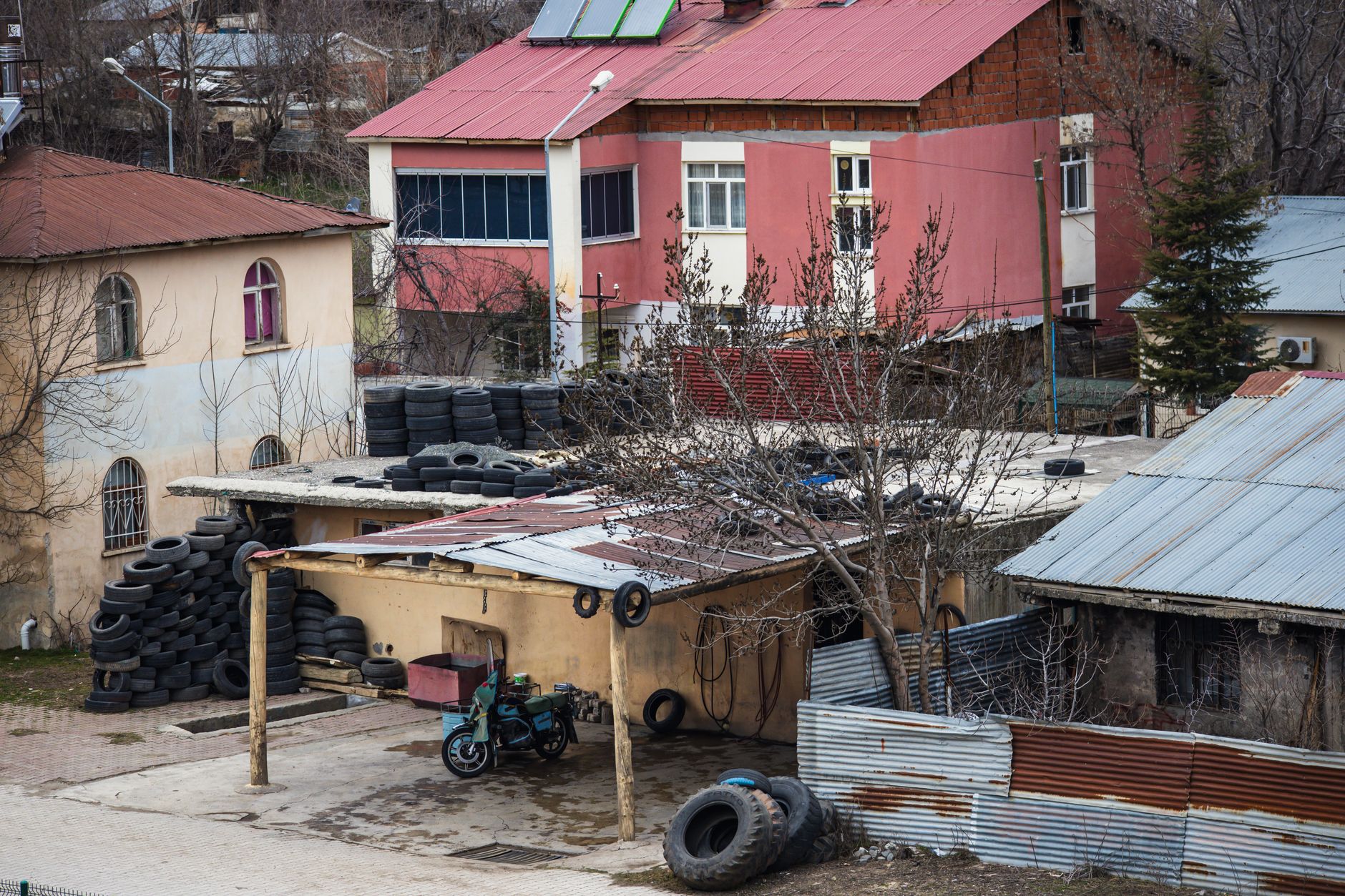
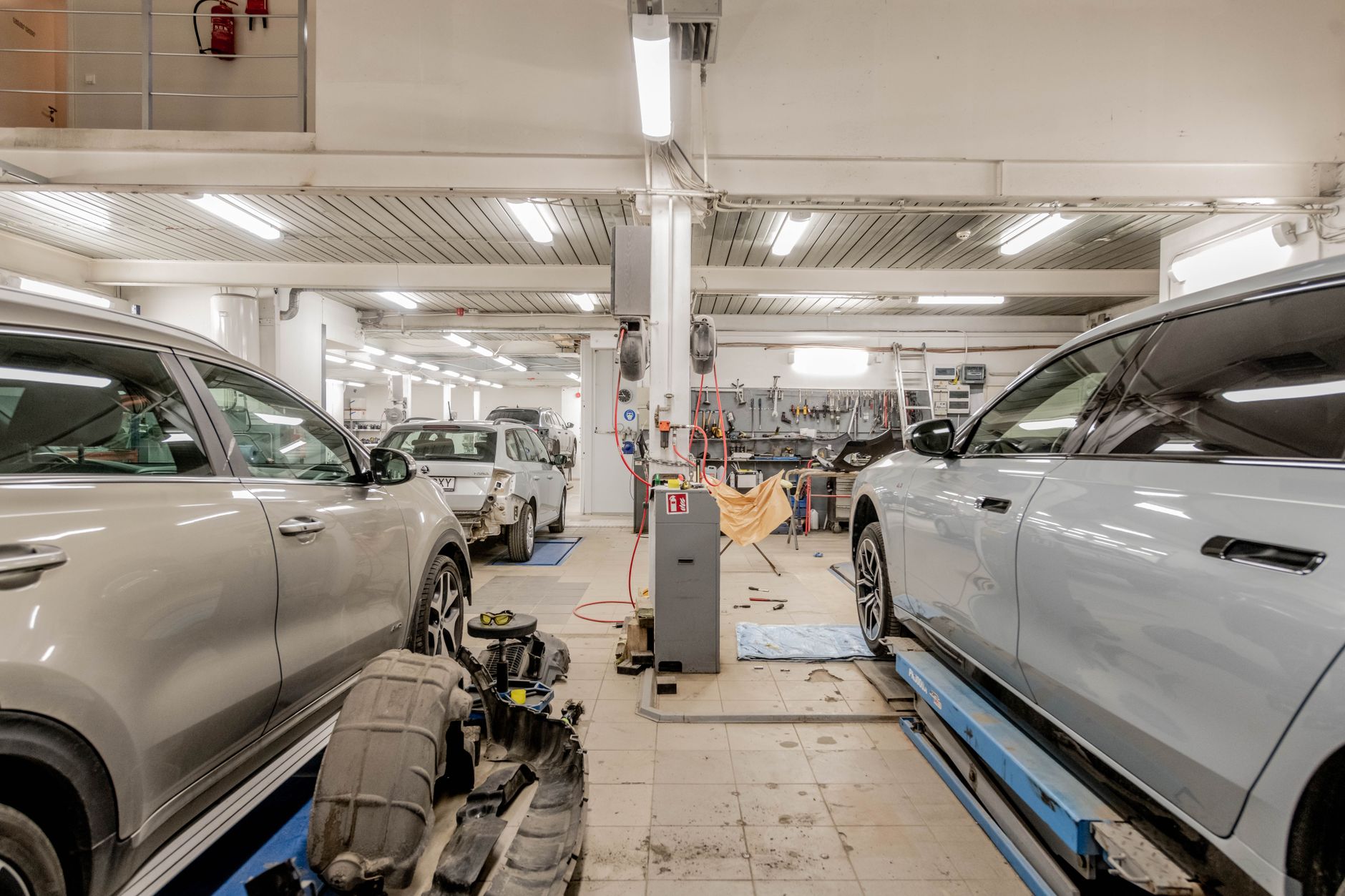
A tire shop cannot treat its whole floor as one cleaning job. The service bays collect oil, grease, brake dust, rubber residue and water, while the waiting room collects street grit and steady foot traffic. The front counter collects neither, but it sits where customers stand. A floor robot works best when each of those areas gets its own route, cleaning cadence and exclusion rules.
In practice, the bays take the heavy scrubbing pass, usually after close or in a verified midday lull when no lift is raised and no technician is working near a drain. The waiting room gets a light pass during open hours. The front counter stays off the robot route entirely and receives hand spot care.
None of this needs a night crew. It needs the floor measured, the zones drawn from that measurement, and the exclusions written down before the first run.
Why do the bays need different handling from the lobby?
Bay floors carry the messes that stain, slip and track: oil drips, grease films, tire marks and wet patches near wash stations. Tennant has published a case study in which a racing facility chose its T500 to remove oil, grease and tire marks from several floor types. That is a vendor publication, so read it as a description of one use case, not as independent proof that the same unit will fit your bay.
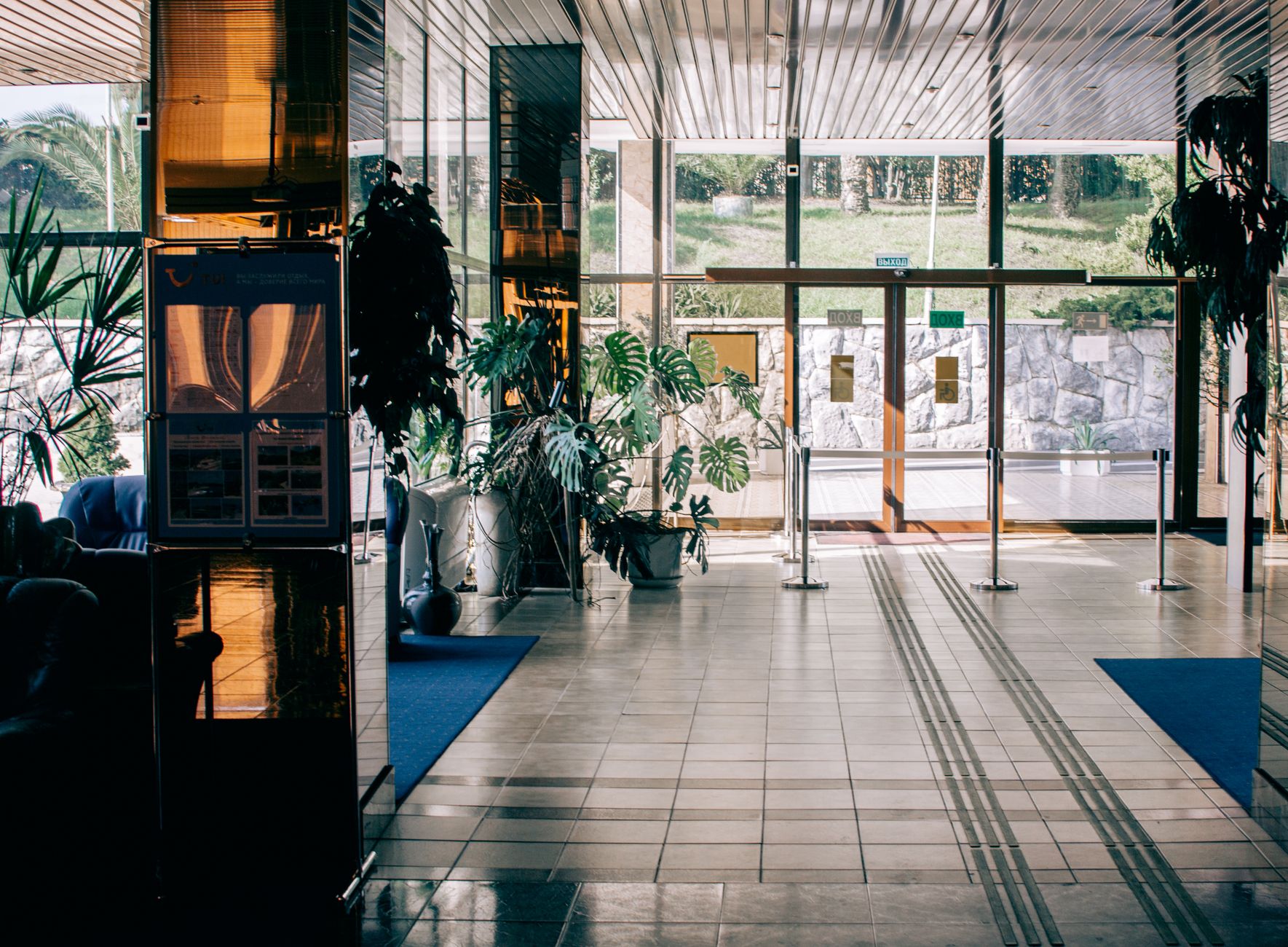
The waiting room is a separate job. It must look clean at the entry mat, stay free of visible grit, and stay quiet and unobstructed for customers who walk past any machine in the hallway. Running the bay scrubber through the lobby at the same hour and on the same path is the easiest mistake to make, and it is the one a zone map exists to prevent.
What belongs in each zone of the map?
Each zone needs a route, a cadence and a list of stops that the robot must never make. The table below is the working version to draw on your own floor measurements.
- Bay floor: a heavy scrub route between lift footprints, the wash area and the drains, with lift positions and any open pit marked as exclusions.
- Tire storage and bay edges: a short path or hand care, with stacked tires, hoses and jack stands treated as obstacles on the route.
- Waiting room: a light pass on the walkway side during open hours, routed clear of seating groups and any coffee station.
- Entry mat and doorway: staff spot care, because wet grit arrives here before it reaches anything else.
- Front counter and key handoff: no robot route, hand care only, with a clear sightline for the service advisor.
How often should each zone be cleaned?
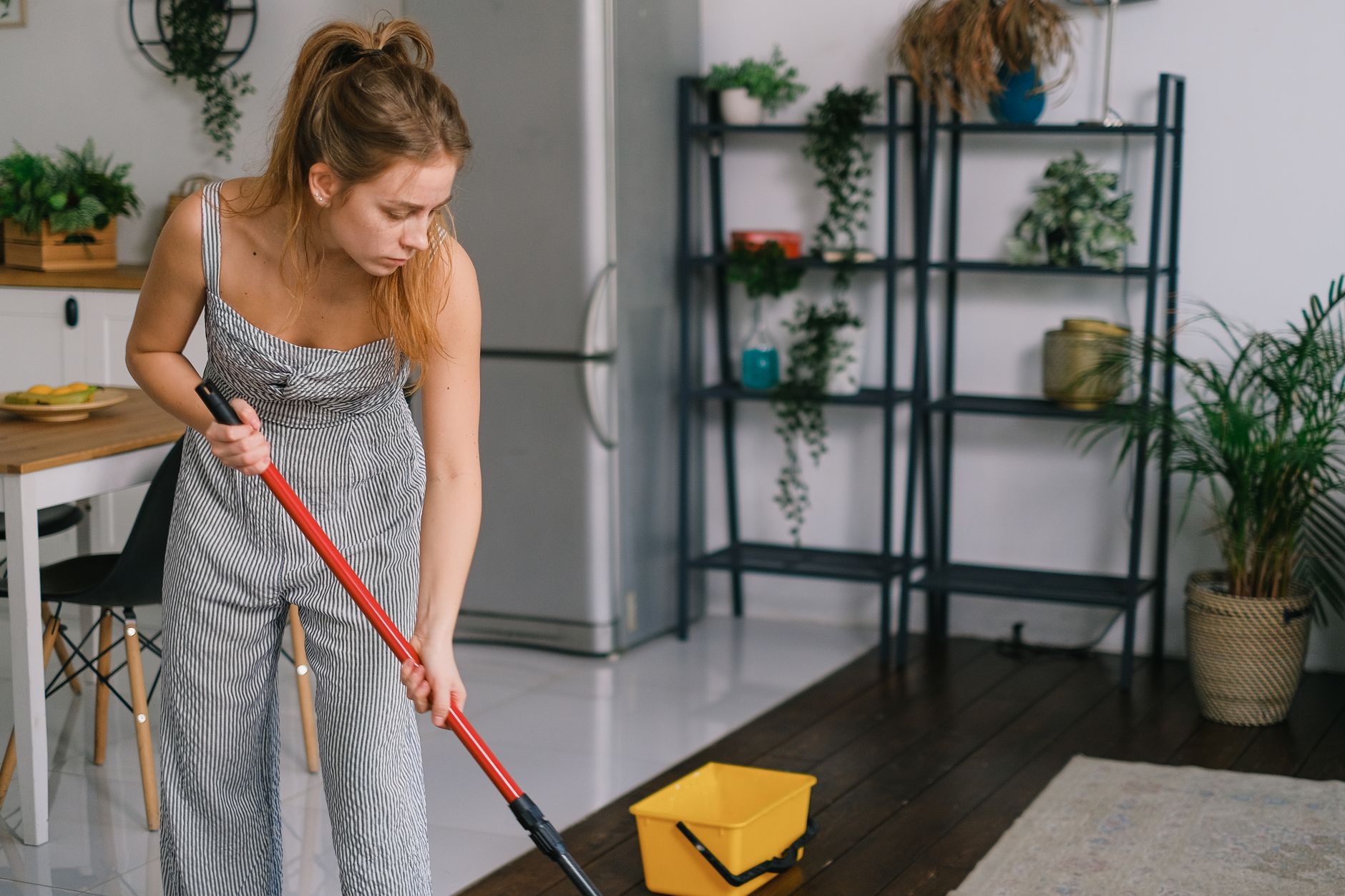
Cadence is where vendor claims get loose. IPC advises daily floor cleaning for high traffic shops, and it recommends its CT15 walk behind scrubber for tight bays and its CT50 for medium shops, describing the CT50 as able to clean multiple service bays. Karcher markets its BR 35/12 C Bp as a compact walk behind scrubber for small shop areas. Those are vendor statements, and the same is true of a contractor's suggestion to clean three to five times a week for high traffic tire shops.
A reasonable starting point is a daily bay pass for shops with heavy oil traffic, plus a lighter lobby cycle with spot care between passes. Let a week of route logs decide whether the cadence should rise or fall. Look for where the robot stopped, paused or hit an exclusion, because those stops show the real fit better than any brochure.
Where do exclusion rules matter most?
An exclusion rule is only as good as the map behind it. Anywhere a vehicle could roll, a jack stand or hose could sit, a pit could open, or a coating area could be wet belongs on the list, and so does the path to the front counter. Update the list whenever a lift moves, a rack is added or a drain is resurfaced.
Michelini and Robot Industries deployed a Pudu CC1 in a repair shop. The proposal defined zones for the mechanical bay, the reception area and a painting booth, with daily tasks during and after business hours. The case page we checked in November 2026 reports no results, so its zone structure is a useful template, not evidence of how the machine performed.
What do industry figures say about cleaning robots in service work?
According to IFR, as reported in an October 2025 release, professional cleaning robots grew 34 percent to more than 25,000 units sold in 2024, mostly for floor cleaning. That made them the third largest professional service robot category and the fastest growing one, within total professional service robot sales of almost 200,000 units, up 9 percent. IFR linked part of that demand to labor shortages.
Those figures cover 2024. A BusinessWire copy of the same release warns against comparing numbers across separate World Robotics reports, and no 2026 IFR cleaning robot figures were found in this review. Treat them as context for why demand is rising, not as a forecast for a single shop.
Where does Service Robot Co. fit in this zone map?
Service Robot Co. is an OEM neutral integrator for US businesses. We match a robot to each zone across manufacturers, then lease, deploy, integrate, train and service it through a nationwide US engineer network. For a tire shop, the work begins with a site assessment that measures the bays, the lobby and the counter.
The lease runs on a three year term with one fixed lease quote, issued after that assessment. One vendor for the whole lifecycle means one contact when a bay route needs redrawing after a lift moves, which is the change a zone map is most likely to need.
Frequently asked questions
Want a robot working for you?
Tell us the job and the site. We will recommend the robot, quote the lease, and keep it serviced.