
Key takeaways
- Fresh topdress sand is a hold call, not a speed change on the same map.
- Raise effective height or skip zones until sand works into the canopy.
- Approaches and collars need extra geofence buffer while sand is loose.
- Log holds as topdress so crews do not confuse sand smears with faults.
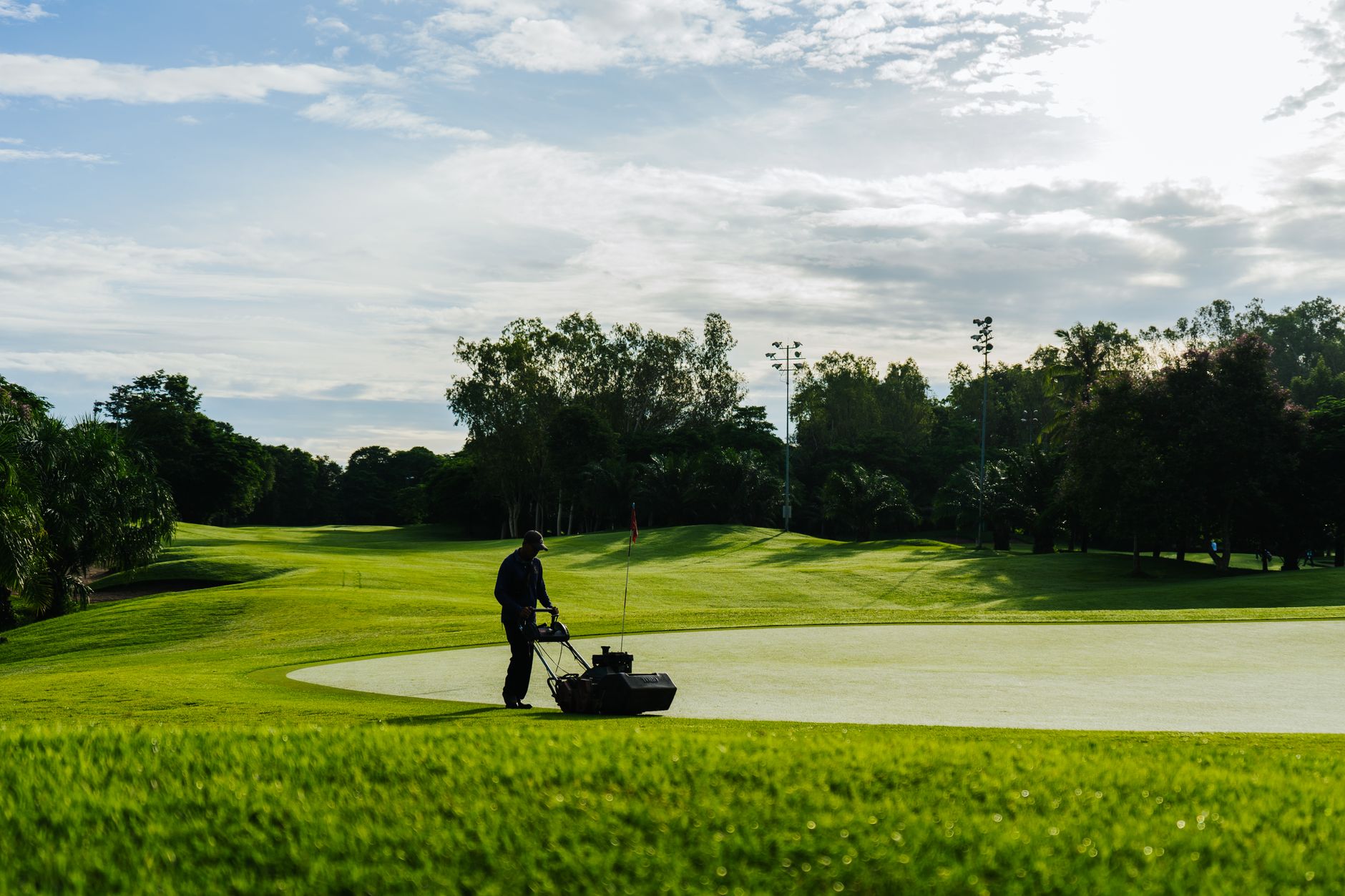
- Service Robot Co. remaps buffer zones after heavy topdress programs under RoboCare.
When should robots pause during topdress week?
Fairway robots should pause when light topdress sand is still loose on leaf blades and would smear under mower weight. The same rule applies whether sand came from a broadcast spinner or a small truck pass. If you would not run a heavy ride-on across the panel, do not release an autonomous loop.
Partial holds beat heroic finishes. You can keep robots on rough or firm nines while sand cures on the panels you dressed yesterday. Document each hold as topdress in the shop log so analytics show planned turf work, not breakdowns.
Tell the pro shop when sand is curing so members do not read a quiet fairway as ready for cart traffic.
Coordinate with irrigation so syringing cycles do not leave fairways wet while sand is still on leaves. Wet sand smears faster under any mower weight.
How does sand change cutting height decisions?
Sand on the canopy temporarily raises effective height even when the deck setting stays the same. Superintendents sometimes bump software height a notch for the first pass after sand works in, then return to summer targets.
Never chase green speed with extra passes while sand is still visible in tire tracks. Two light robot laps can do more harm than one patient wait.
Match height resets to your agronomy plan, not to the robot's default summer file.
Which zones need wider buffers after topdress?
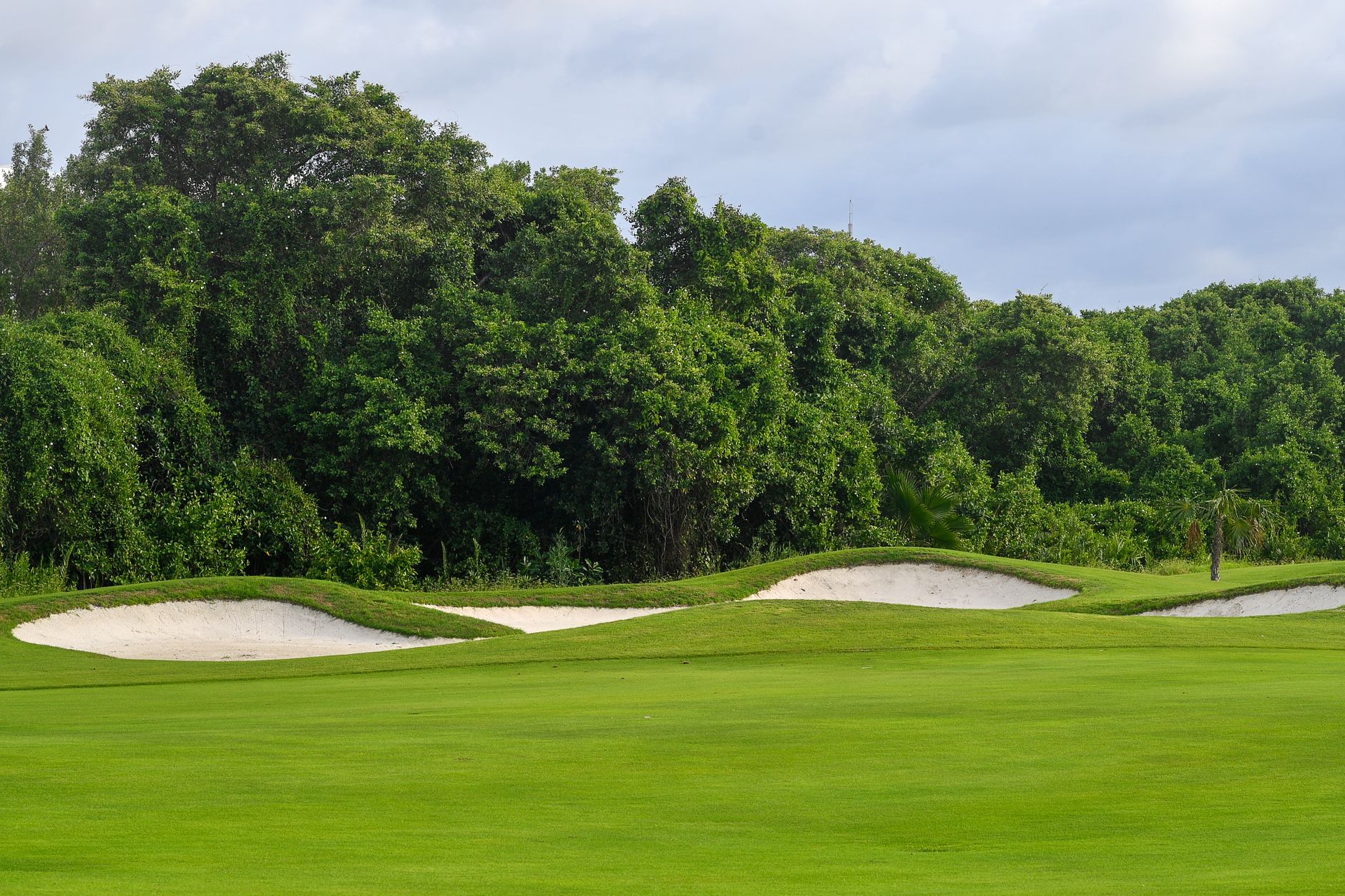
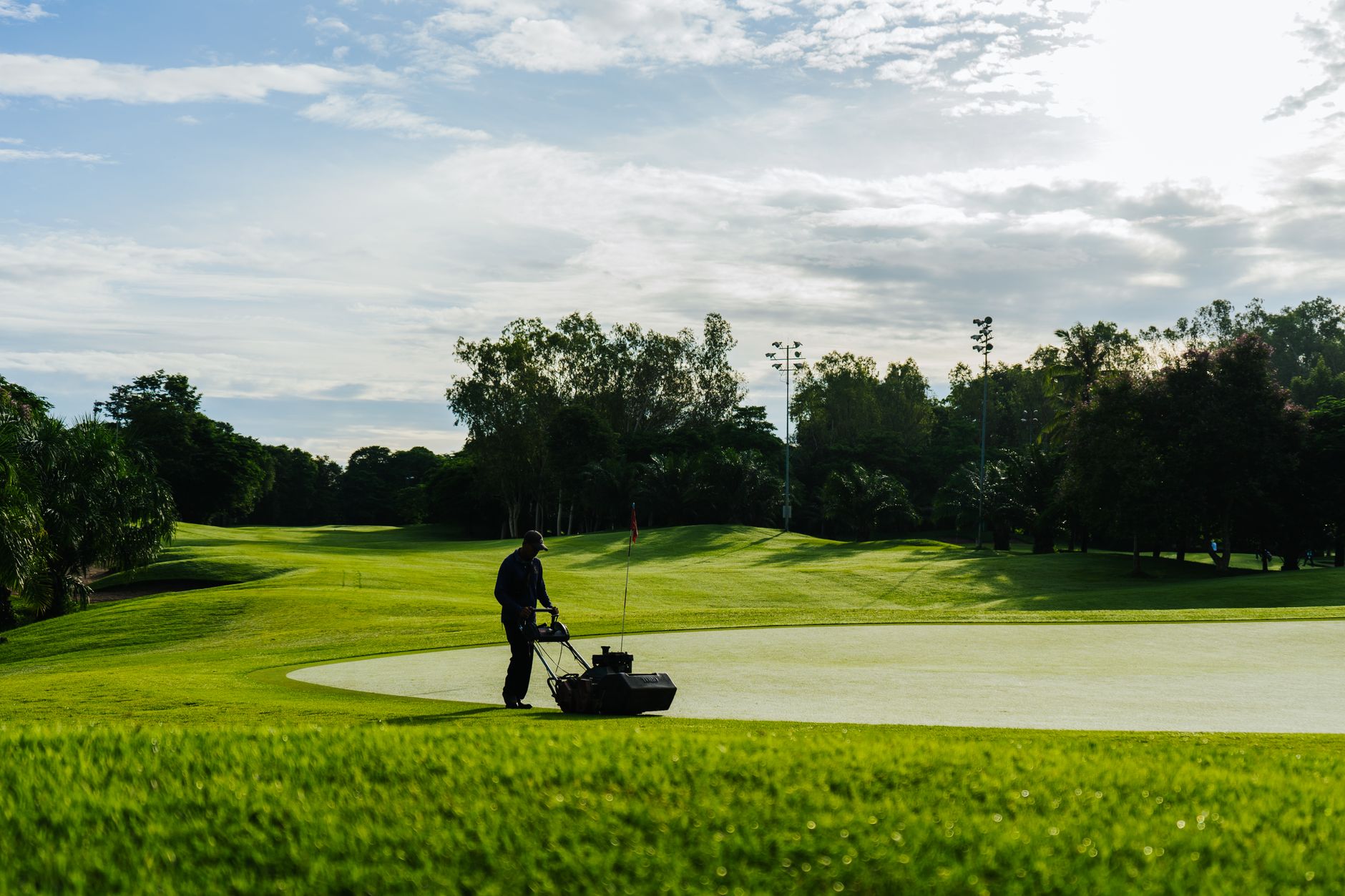
Approaches, collars, and bunker lips collect sand that rollers push outward. Expand geofences so robots do not clip those edges while sand is migrating.
Cart-path corners where blowers pile sand also deserve a temporary no-go line. Map the buffer before the week starts instead of editing at dawn.
Charger approaches that cross dressed fairways should use path-only transit until the superintendent clears the panel.
How long should you wait before resuming mapped passes?
Wait time follows weather and irrigation, not a fixed hour count. A brisk, dry day may let you resume sooner than a humid stretch that keeps sand sitting on leaves.
Walk the panel and look for smear risk in footprints before you release the zone. If sand still prints on shoes, hold robots even when ride-ons might return for cleanup blowing.
Stagger reopening hole by hole so one soft low does not pull an entire loop back onto wet sand.
Night dew after topdress can glue sand to shoes. Morning walks matter even when the schedule software says the zone is green.
What should crew do while robots are held?
Crew focus shifts to dragging, brushing, and blowing sand into the profile while robots stay parked. Greens and tees remain on hand equipment schedules.
Use the pause to inspect blades and rollers on walk-behinds that handle edges robots never touch. Topdress weeks already crowd the shop calendar.
Train reliefs on hold tags so a reboot does not send a unit across fresh sand.
How do you resume lines without smearing approaches?
Re-enable transit on paths first, then open fairway panels from the center outward. Avoid routes that finish by crossing a collar that still carries loose sand.
If a pass must cross a dressed approach, wait until blower work finishes on that hole. Members notice sand dragged into collars faster than they notice a slightly taller fairway.
Version the map when you permanently shift a buffer after learning where sand piles each year.
Tournament weeks that follow dress may need a written reopen plan so setup crews know which panels are still soft.
What changes between light dress and heavy programs?
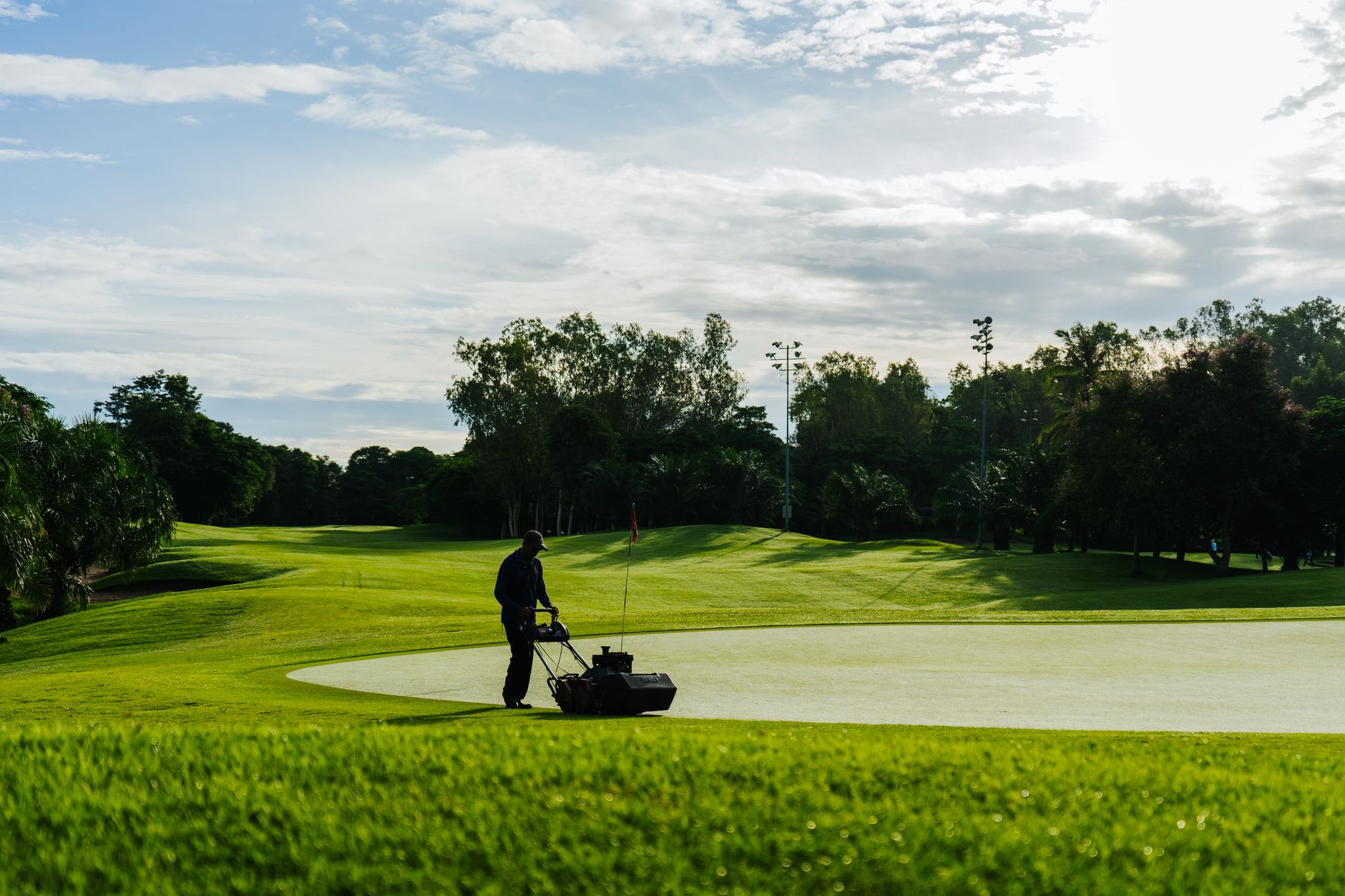
Light topdress may only pause robots for a day on selected holes. Heavy programs that load sand across every fairway can idle open-area robots for most of a week.
Overseed topdress combinations need even longer holds because seedlings and sand both dislike aggressive traffic. Treat those weeks like aerification blackouts for mapped passes.
Adjust member messaging when the whole course looks dusty, not just a few landing areas.
How does an integrator help after topdress season?
Service Robot Co. is OEM-neutral on autonomous fairway mowers. We finance buy or lease options, map fairways and rough, train your watch lead, and service units under RoboCare with regional engineers in every state we cover.
Schedule a quick map review after your heaviest topdress week to confirm buffers and heights match what turf actually did. Photos of sand piles beat guessing next spring.
Bring your topdress calendar to the free site assessment so quiet windows are realistic before financing closes.


