
Key takeaways
- Hold fairway robots when setup crews occupy robot corridors.
- Share daily setup maps with the robot operator before dawn.
- Stage mowing on open nines while setup works the other.
- Log crew clear times with hold releases for starters.
- Service Robot Co. maps tournament hold templates at deployment.
Why does tournament setup conflict with fairway robots?
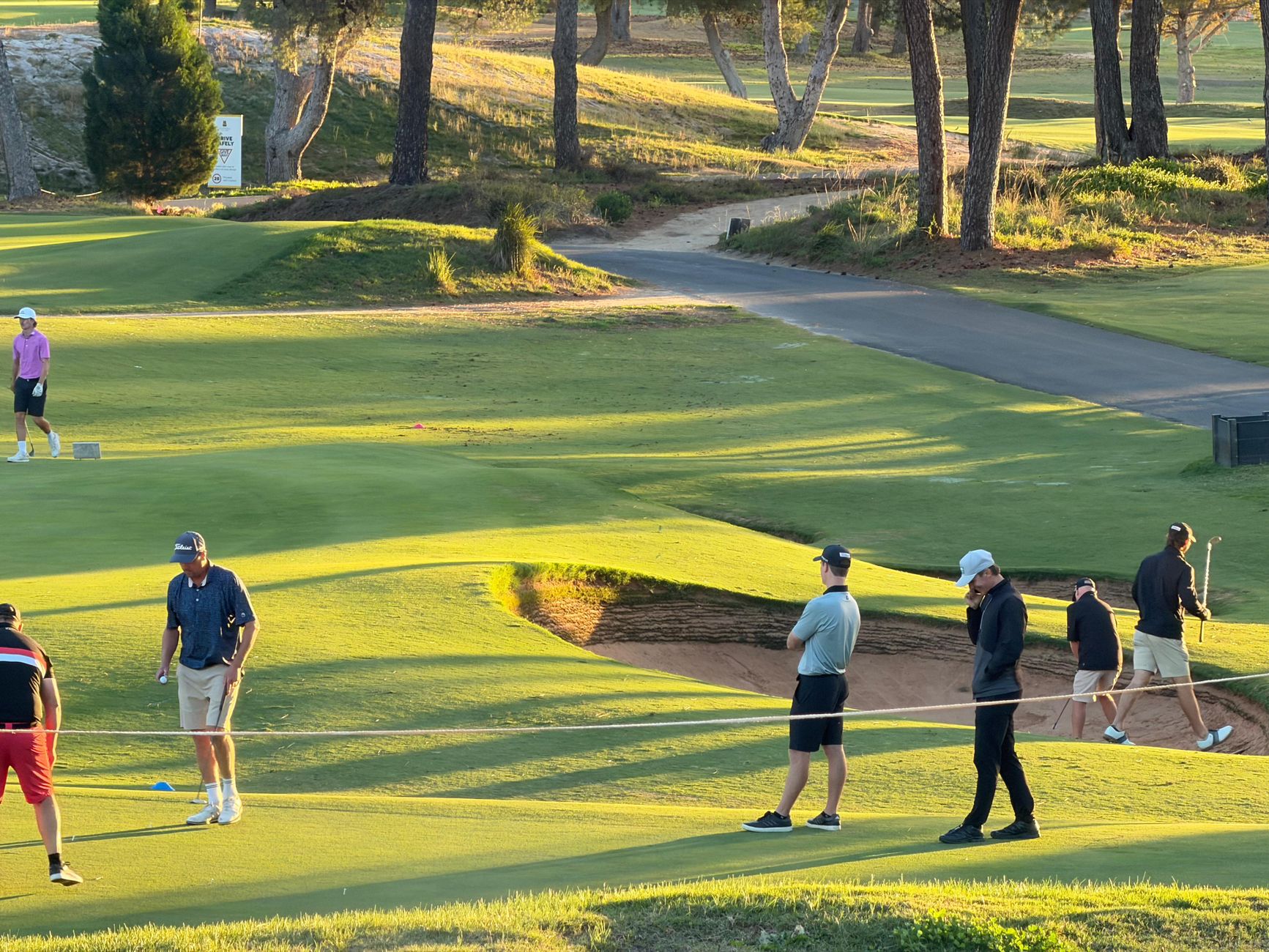
Setup crews place ropes, stakes, signage, and television compounds on fairways and approaches days before an event.
Fairway robots follow standard dawn loops that do not know ropes crossed the corridor overnight. A unit can snag cable, stop mid-fairway, or drag stakes into turf.
Autonomous mowing saves labor all season until a tournament week replaces routine with temporary geometry. Holds and staging plans prevent that clash.
The conflict is predictable. Major events publish setup schedules; robots need the same document maintenance reads.
Insurance and broadcast partners care about clean fairways and safe compounds. One rope snag can idle a unit when labor is already stretched.
Which fairway areas need setup holds first?
Hold holes with gallery ropes, walk paths, or equipment compounds on robot strips.
Landing zones for broadcast towers often sit on fairway centers robots mow every dawn.
List each temporary obstacle on a hole map with GPS notes, not only on paper for volunteers.
Color-code hold severity: full hole pause versus slow-through with widened turns.
How should setup and robot leads share daily plans?
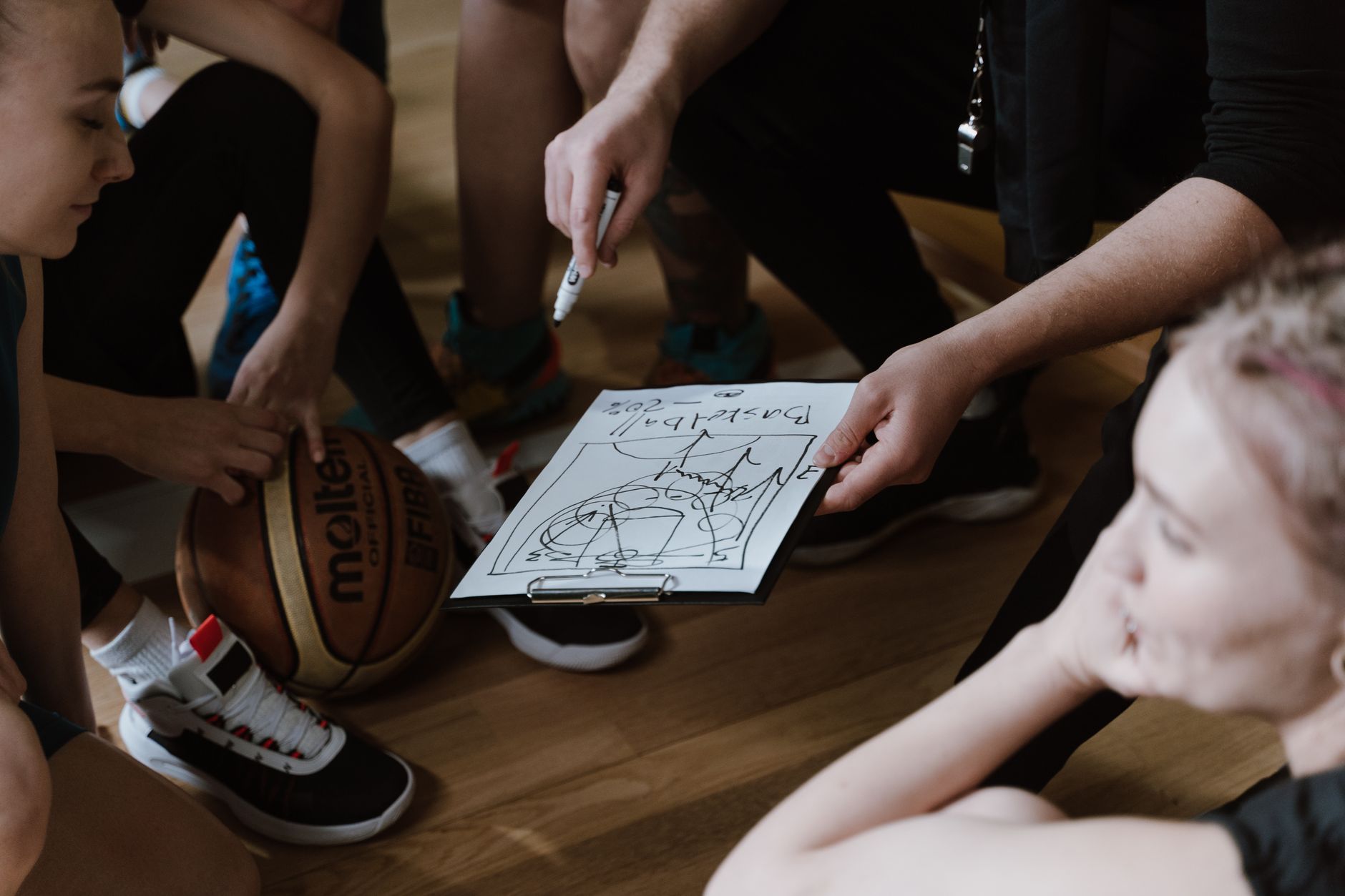
Meet each afternoon for the next morning: which holes setup occupies, when crews clear, and which nine robots may run.
Post the plan in the shop and robot barn with hole numbers starters recognize.
When setup runs late, robot leads need a direct radio contact, not a chain through three people.
Save prior-year setup maps as layers you can toggle when the event returns annually.
Can robots mow open nines while setup works the other?
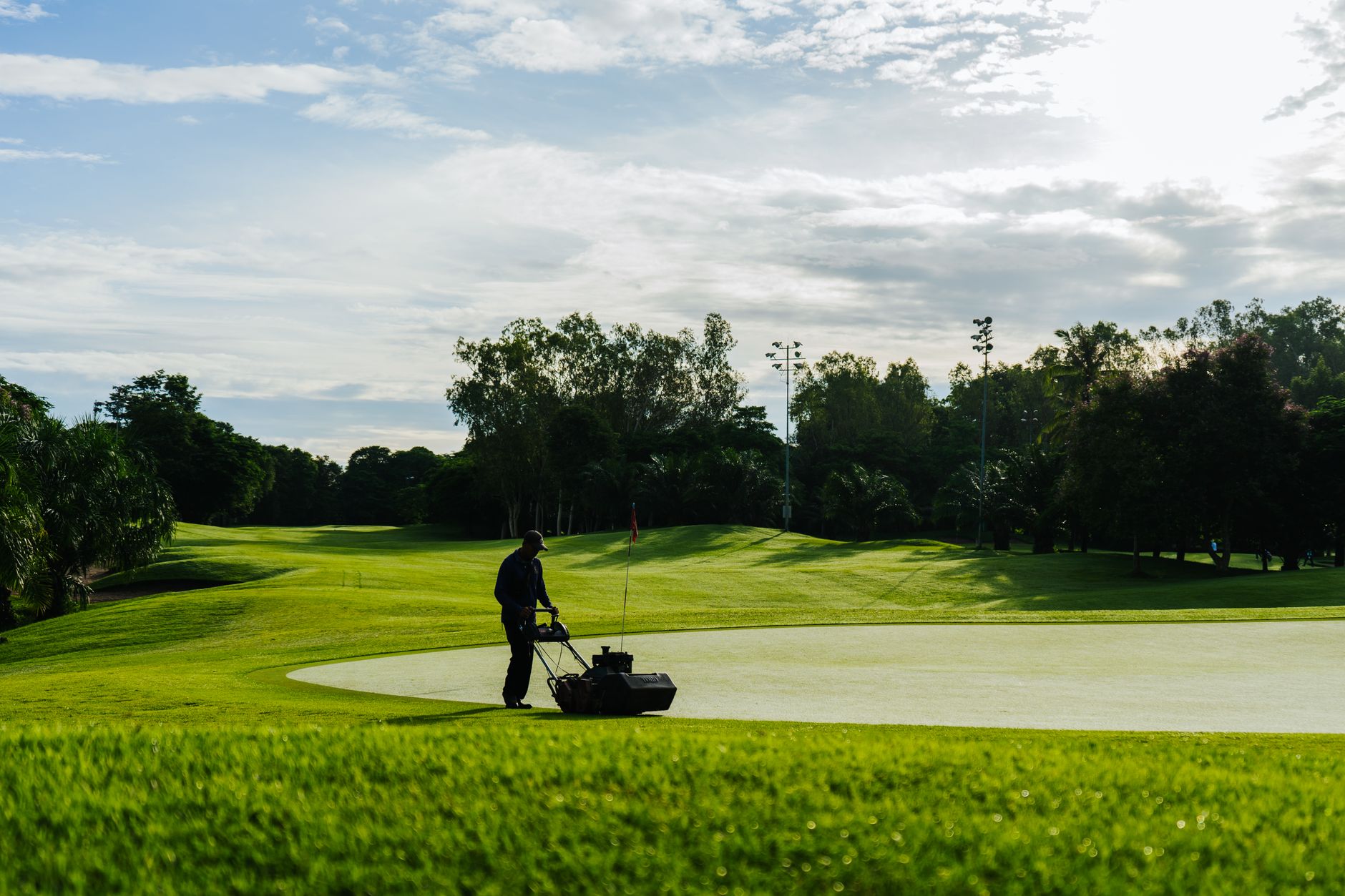
Split-nine mowing is the default tournament pattern when setup concentrates on one side of the property.
Confirm travel paths between nines are clear before sending units across connector fairways.
If setup spans the whole course, hold all fairway loops until the earliest cleared holes pass a walk-through.
Battery planning matters when only half the course mows each night; schedule swaps so partial coverage still finishes.
When can loops resume after overnight setup?
Release holds when ropes, stakes, and carts are off robot paths and turf is firm enough for tires.
Walk the corridor at dawn before the first unit moves. Pick up zip ties and flagging tape robots could ingest.
Run a supervised slow loop on the first cleared hole before enabling the full schedule.
Keep a grab bag of spare stakes and tape at the robot barn for quick fixes if setup shifts overnight.
How do gallery ropes affect turn zones?
Ropes near corners change effective width robots need for turns. Update buffer geofences for tournament week.
Slow-speed arcs help, but holds are safer when ropes sit inside the normal turn path.
Photograph rope layouts after setup each morning so software edits match reality if stakes move overnight.
Volunteers sometimes move ropes for cart traffic; morning photos catch changes before robots start.
What should starters tell players during setup holds?
Fairways may show delayed stripes on holes still in setup. That is staging, not mechanical failure.
Cart rules may tighten near ropes even when robots are held. Starters should echo setup signage.
Pace on early holes can lag when only one nine is mowed. Brief the pro shop when holds are event-driven.
Member guest days with minimal ropes still need a walk-through if any signage sits on fairway centers.
How does an integrator template tournament holds?
Service Robot Co. builds tournament hold checklists into your fairway playbook: contacts, map layers, and release approvers.
OEM-neutral financing and fleet support stay in one project so event week does not spawn vendor confusion.
RoboCare regional engineers in every state we cover help recover units if a snag happens despite holds.
After the event, archive hold logs with setup maps to improve next year's stagger plan.


