

Key takeaways
- Tournament weeks shift labor to detail work, so fairway hours are the first to slip unless they are planned.
- Autonomous fairway and rough passes should be mapped with pause points for gallery traffic and crossover holes.
- Greens, tees, bunkers, and collars stay on the crew plan; the robot only owns the wide cuts.
- A written run sheet beats hoping the shop finds a window between practice greens and setup.
- Service Robot Co. maps routes and RoboCare support before you commit to a buy or lease path.
Why tournament weeks steal fairway hours first
During a member-guest week or a city open, your crew does not suddenly grow. The same people who mow fairways also roll greens, edge bunkers, and chase setup lists that grow by the hour. Fairway and rough passes are wide and repetitive, so they are the work that gets shortened or pushed to the edges of the day when detail tasks pile up.
That is the moment superintendents start searching for tournament week fairway mowing plans that do not depend on someone staying on a ride-on for three more hours after dark. A lawn mowing robot that is mapped for fairways and rough can hold the line on those wide cuts while your team protects the surfaces players judge most closely.
What changes on the crew plan during event week
Event weeks add staging, extra hole locations, and more hand work around collars and approaches. According to trade coverage of clubs adopting autonomous mowing overseas, managers often redeploy hours from routine fairway driving into sprinkler heads, walk-offs, and bunker presentation once a robot owns the wide passes. The pattern is the same in the US even when the calendar event is different.
Your shop still owns greens and tees. Bunker faces, trim, and tournament setup stay human work. The autonomous unit should never be treated as a shortcut around those jobs. It is a way to keep fairway height and rough consistency from sliding while every available hand works the detail list.
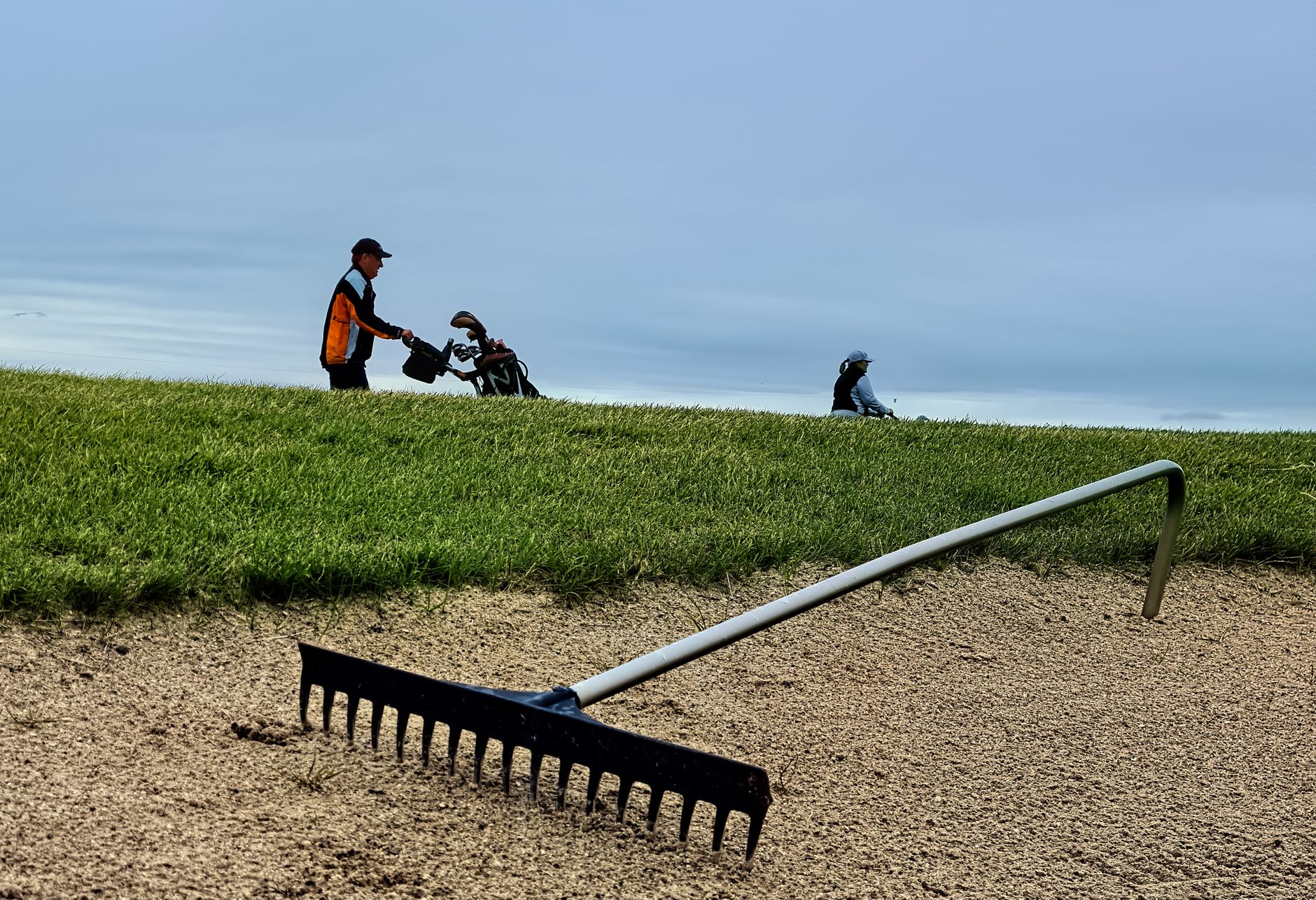
Where an autonomous fairway pass actually helps
The win is not mystery turf magic. It is calendar reliability. A mapped robotic mower can run in the low-traffic window you already respect, often early morning or late evening, and return to charge without pulling a skilled operator off detail work.
Fairways and rough only. If your agronomy plan calls for a specific strip cut or a clean edge next to a collar, that remains a crew task. The robot should be programmed with stay-out zones around greens complexes, tees, bunkers, and any soft areas you flag during the site walk.
Service Robot Co. starts with that walk, documents stay-out buffers, and aligns pass timing with your starter sheet before anyone signs a buy or lease agreement.
Build routes that expect pauses, not perfect quiet
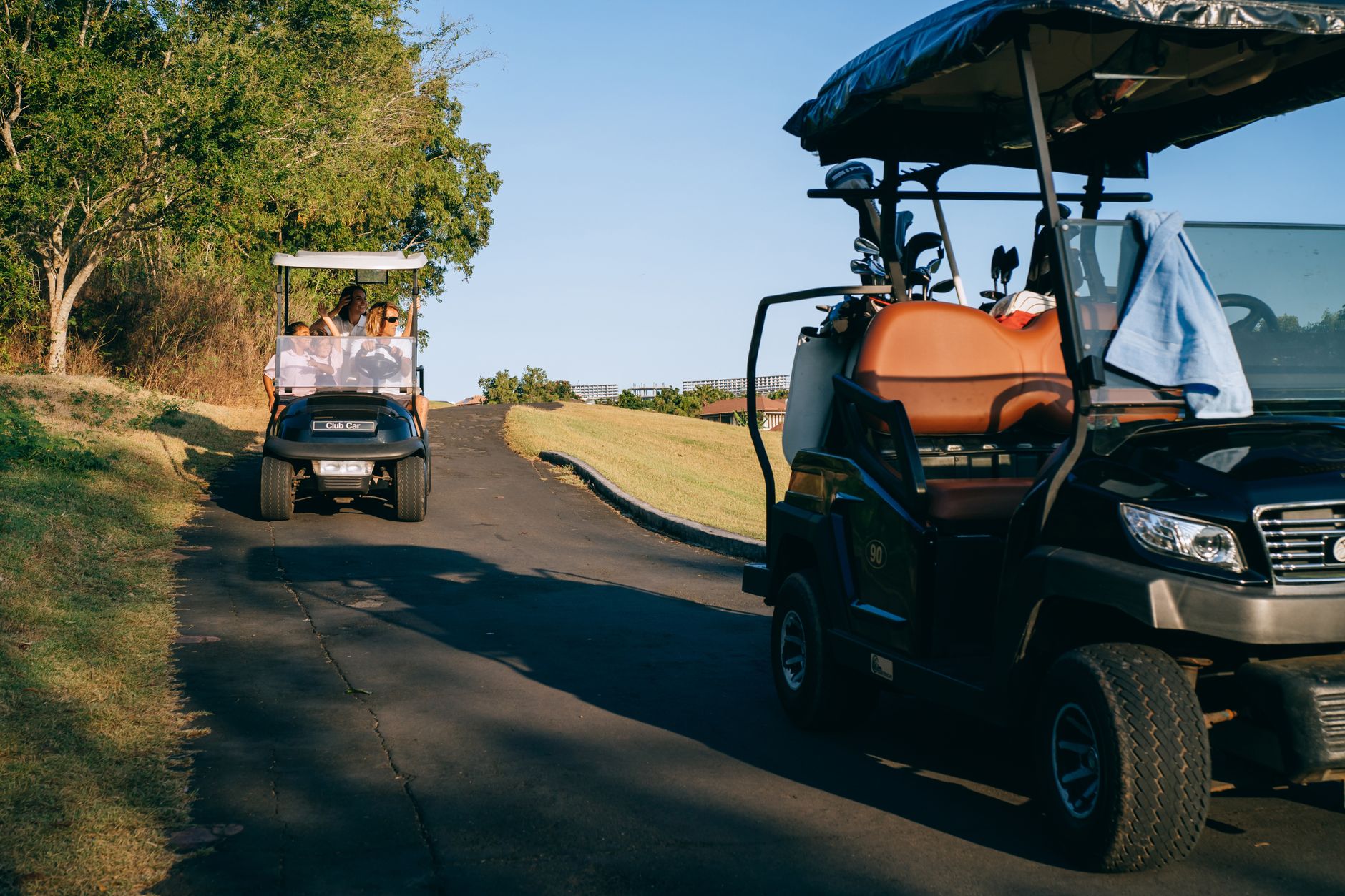
Tournament prep rarely means an empty course. You will have practice rounds, media walks, and carts moving earlier than a normal Tuesday. Map crossover holes and single-file paths where a pause is safer than squeezing through.
Mark gallery-adjacent fairways as conditional zones. If a qualifier is on nine through eleven, your run sheet should say whether the robot holds in the bay or skips that loop entirely. Superintendents who treat the map as living document update it once per event, not once per season.
Keep a simple rule visible in the shop: when in doubt, pause and call it in. RoboCare triage exists for software and route questions, but on-course judgment still lives with your staff during live play.
Coordinate with starters, rangers, and the shop radio
Autonomous fairway mowing during event week fails quietly when communication fails loudly. Tell starters which loops may run before first tee and which holes are off limits until crossovers clear.
Rangers should know the robot path as well as they know cart-path closures. A two-sentence briefing at the morning meeting beats discovering tracks where a gallery will walk.
Assign one staff member as the daily check-in owner. That person confirms the unit left on schedule, confirms stay-out zones still match setup, and logs any pause. The job is small, but it prevents the robot from becoming nobody's task on the busiest week of the month.
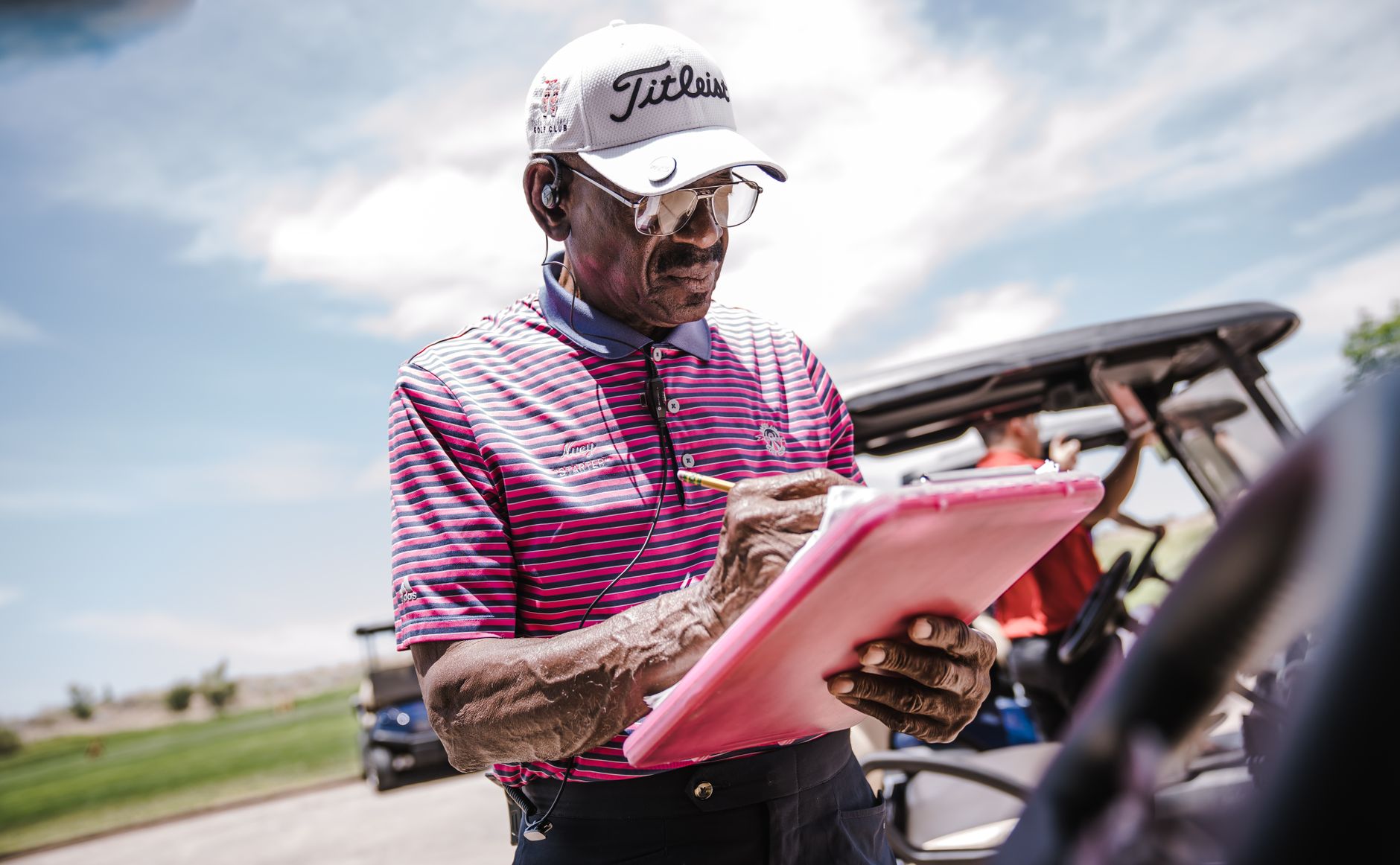
Keep greens, tees, and bunkers on the human schedule
Players forgive a fairway that is a touch lean before an event. They notice a collar that was scalped or a bunker lip that was rushed. Protect those tasks on the written crew plan before you add autonomous fairway hours.
If your team normally rolls greens twice during tournament week, hold that line first. Then slot the robotic fairway pass in the gap that remains. Reversing that order is how shops end up chasing fairways on Friday night while setup still needs hands.
Document the split for your board or greens chair if they ask about labor. You are not replacing people. You are choosing which wide cuts can run without a seat time while skilled staff finish the surfaces that define the event.
When to keep the robot parked that week
Some weeks the better call is to pause autonomous fairway work entirely. Saturated soils, a narrow frost window, or a pro-am that uses every fairway for staging can make even a careful map more risk than reward.
Rain that keeps carts on paths but still allows foot traffic is another pause trigger. Honest superintendents list those conditions in the run sheet so night staff do not feel pressured to send the unit because the calendar says so.
A free site assessment before the season can identify which event weeks are green-light, yellow-light, or red-light for automation on your property. That upfront honesty saves trust with members when the tournament arrives.
What to lock in before the first event of the season
Walk every loop with the person who will own daily check-ins. Photograph stay-out zones at each green complex and save them where the crew can see them.
Write a one-page run sheet with pass order, earliest start, latest stop, pause contacts, and charger location. Tournament week is not the time to hunt for a PDF.
Confirm buy or lease financing and RoboCare coverage before you promise members a tighter fairway presentation during the invitational. Service Robot Co. handles mapping, training, and service as one partner so you are not juggling vendors while the tee sheet is full.


