Key takeaways
- IFR's 2025 data put transport and logistics first, at 117,500 units and 47% of professional service robot shipments.
- That 47% is a share of professional service robots, not of all robots sold.
- Supplier-reported counts show where the market is moving, not what a robot will save at your site.
- Manual run hours can be measured from logs you already keep, so measure them before comparing options.
- A mapped pilot on one route tests the floor, the handoffs and the exceptions that a headline number cannot.
What did IFR's 2025 data say about transport robots?
Transport and logistics was the top professional service robot application in 2025. According to IFR's World Robotics 2026 data, as reported by Supply Chain 247, that segment reached 117,500 units, up 21% year on year, and made up 47% of professional service robot shipments. Those numbers explain why it is worth checking now whether the loads at your site still move by cart and by hand.
The same IFR release reports that global sales of professional service robots rose 24% in 2025 to almost 250,000 units. The growth is real at the market level. It does not show what a robot will do on your dock, your aisles or your shift.
One detail matters when you quote IFR directly. The release headline reads 117,000, while the body text gives 117,500. Use the body figure, and say which one you are citing.
Why supplier counts are not proof of savings at your site
IFR's service robot counts come from manufacturer reporting. They describe units moving into the market, not hours saved in a building. A segment can grow quickly while results at any one facility vary, because the floor plan, the route length, the staffing and the exception handling all differ from site to site.
Automate's industry analysis makes a similar warning in its title: the service robot market is scaling, just not where the hype is. Treat the national figures as a reason to look, and your logs as the reason to decide.
What do manual runs actually cost a site?
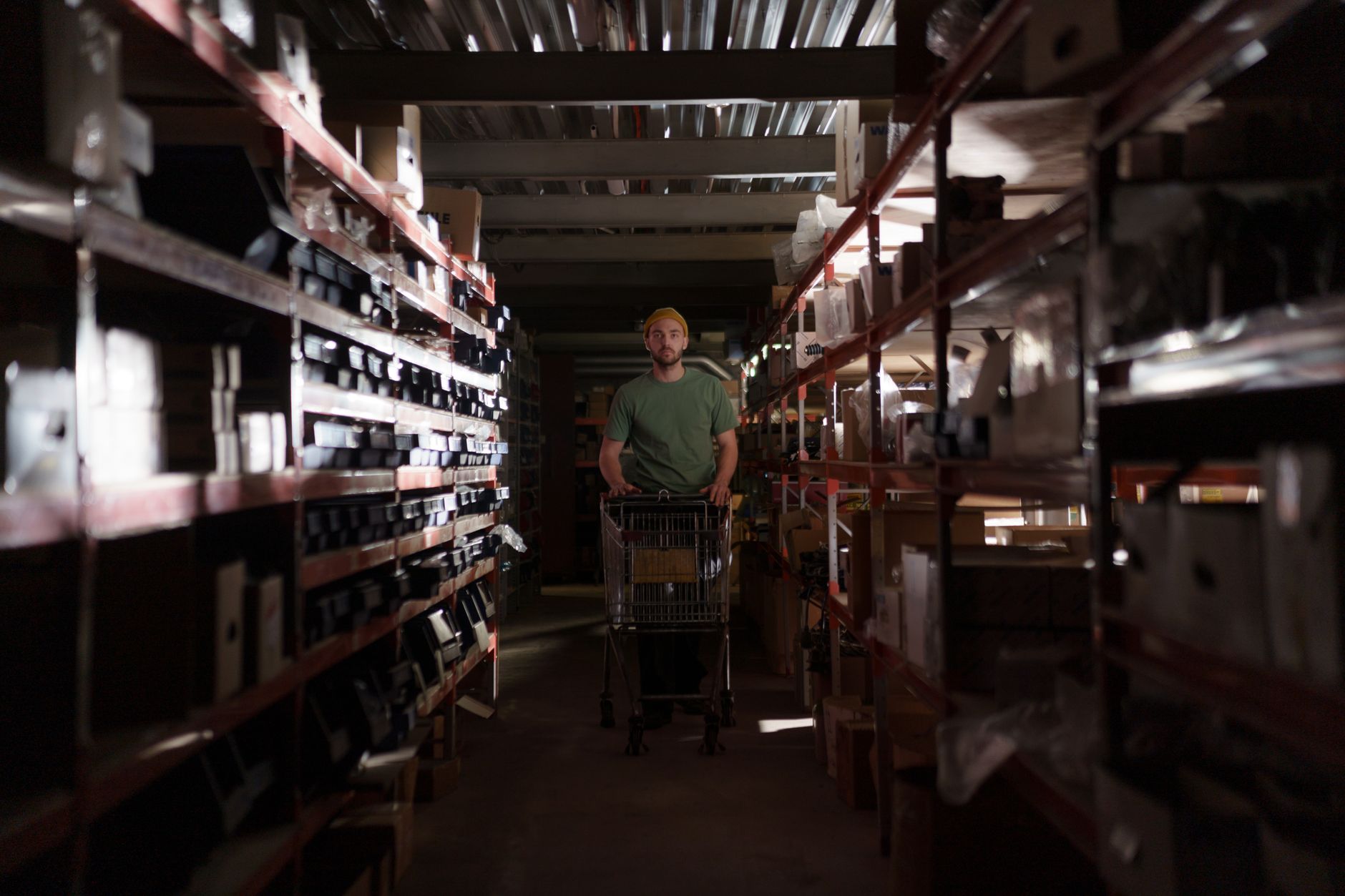
A manual run has a visible cost, which is the wage paid for the minutes spent walking and lifting. It also carries costs that seldom reach a budget line. Start from your own logs and payroll, not from a vendor estimate, and count the following.
- Walking time per load, multiplied by the loads on each shift.
- Overtime or agency cover when a shift goes unfilled and the runs get split among whoever is left.
- Floor passes skipped or pushed to the next shift when the one person on the route is pulled elsewhere.
- Late or missed moves that hold up receiving, dispatch or the next process step.
What can a mapped pilot test before you commit?
A pilot works best on one route or one zone, not the whole building. Map the floor first, then fix the pickup points, drop points and the clear path between them. The goal is a measured comparison, not a showroom demo.
Measure the same things before and after the robot arrives: minutes per run, runs completed per shift, interruptions, and the number of times a staff member has to step in. Test the handoffs as well. A robot that reaches the dock with no one ready to unload it has saved very little time.
Include the exception path. What happens when a door is closed, a pallet blocks the lane, or the charger is occupied? A pilot that only tests a clear floor tells you little about a busy one, and busy is what most sites actually run.
Run it long enough to cover your slowest shift and your busiest one. A short test on a quiet afternoon will flatter almost any route.
How a lease quote follows a site assessment
Service Robot Co. is a full service commercial robot integrator for US businesses. We lease robots only. We are vendor neutral, so we match the robot to the task across manufacturers, then deploy, integrate, train and service each unit through a nationwide US engineer network, with one team to call.
Our process begins with a site assessment and floor mapping. The lease runs three years, with one fixed payment quoted after that assessment. That order matters: a quote built on mapped routes can be checked against the hours your pilot measured, and starting with one leased unit on one zone keeps the first commitment small.

Does falling behind mean a robot on every floor?
Falling behind is a fair worry when peers adopt tools and you do not. The 2025 numbers justify paying attention to the market. They do not decide what your site should do, and a robot that fits a warehouse aisle may not fit a shop floor with tight turns and heavy foot traffic.
If your measured hours turn out small, waiting is a legitimate answer, and the pilot gives you the evidence to say so. If the hours are large and unfilled shifts keep repeating, a mapped pilot is the most direct way to find out what your floor allows. Either result is more useful than the headline.
Frequently asked questions
Want a robot working for you?
Tell us the job and the site. We will recommend the robot, quote the lease, and keep it serviced.
Sources
- Supply Chain 247: transportation and logistics professional robot sales
- DC Velocity: nearly half of service robots sold in 2025 used for transportation and logistics
- IFR press release: World Robotics 2026
- Supply Chain Digital: IFR professional service robot sales surge 24 percent worldwide
- Automate: the service robot market is scaling, just not where the hype is