Key takeaways
- Put client-facing trimming, edging and bed work first, while the crew is fresh and the mower works open turf.
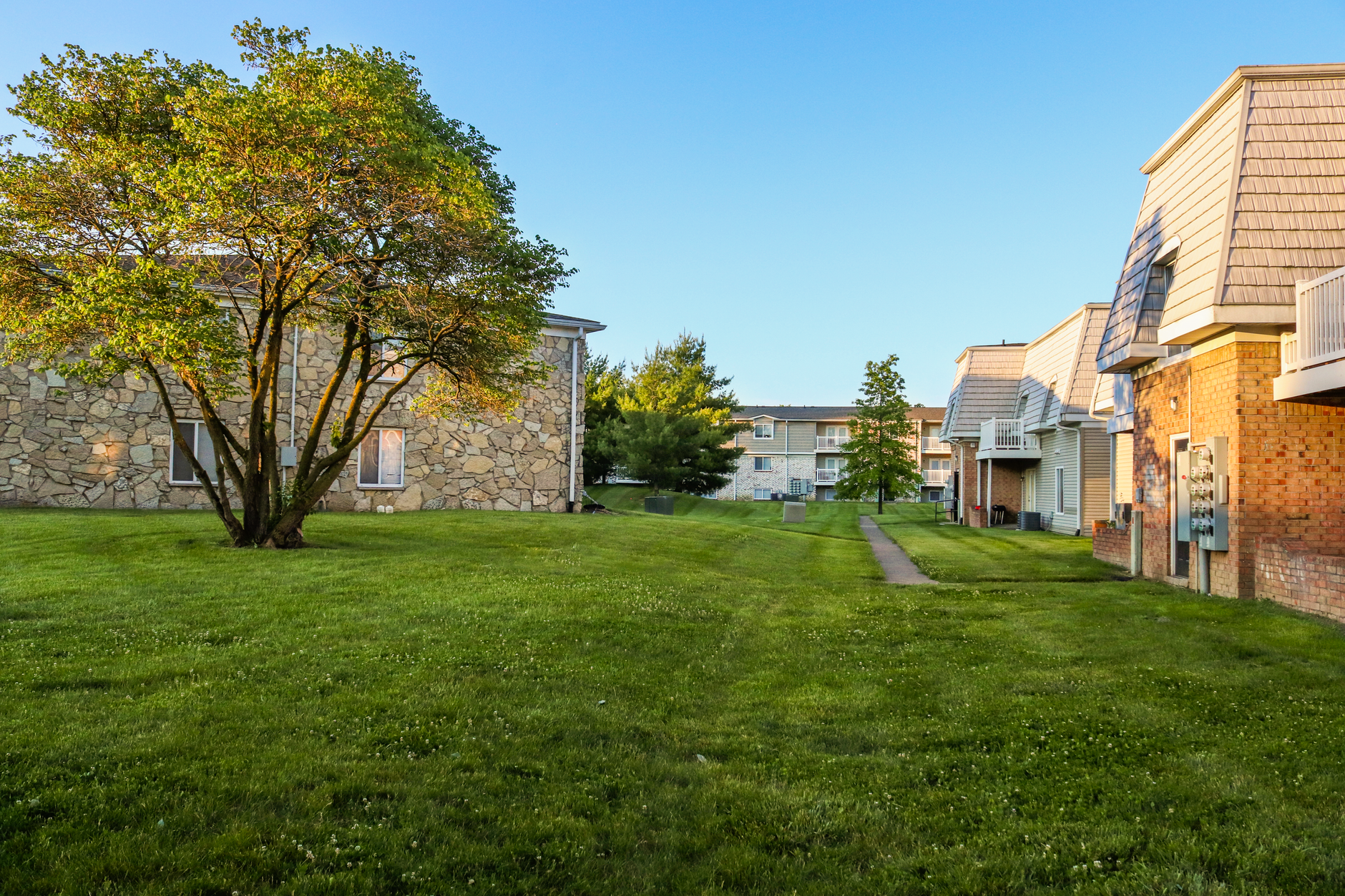
- Autonomous mowers do best on large, open, regular turf, and small slivers still need hand work.
- Confirm the machine, the shutdown control and the sight line before any crew member steps away.
- Field hour savings are mostly vendor estimates, so log your own route before you trust a number.
What goes first on a mixed route?
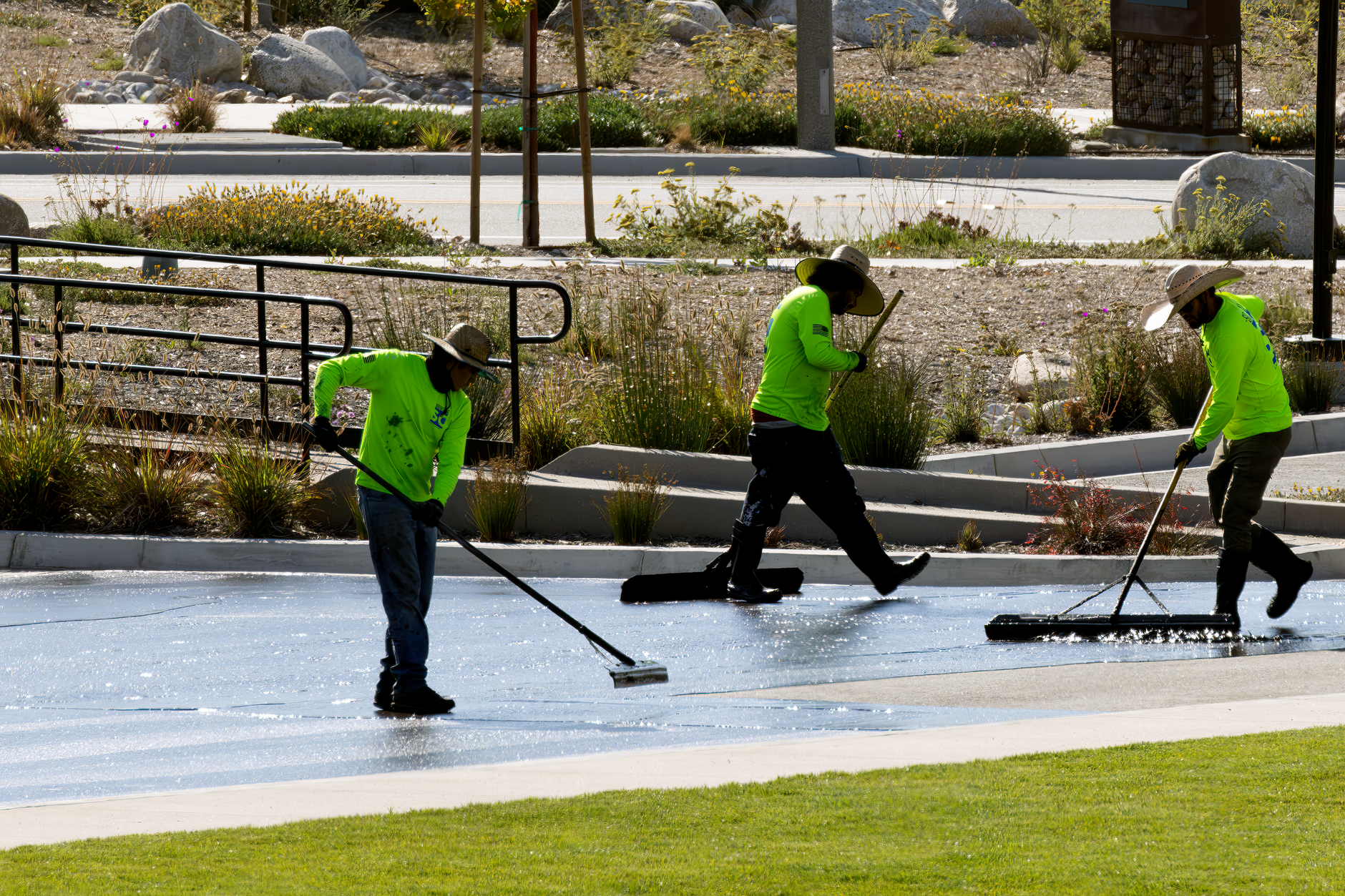
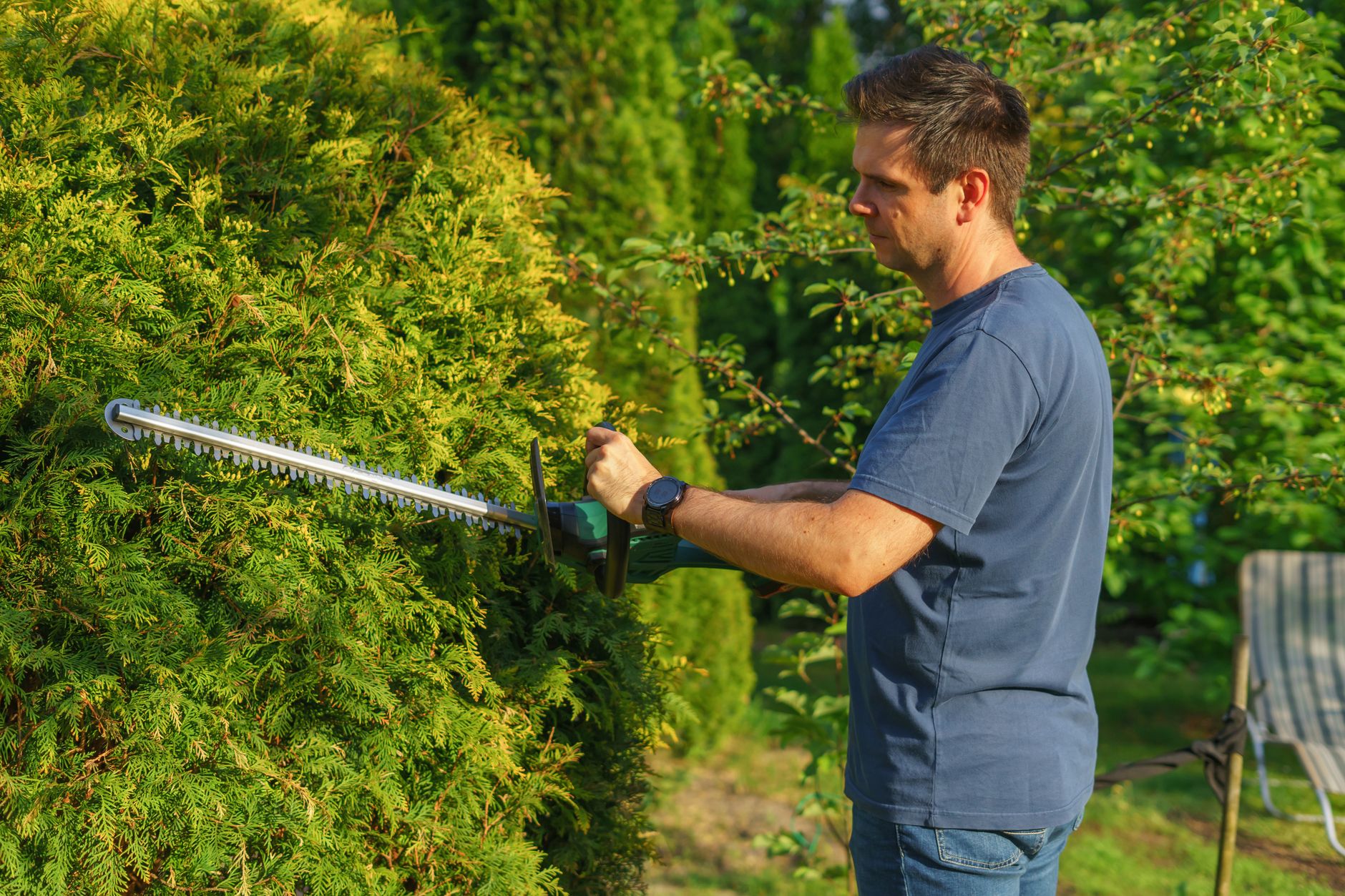
On a mixed route, the work a client sees first should get the freshest crew hours. Trimming, edging and bed work go ahead of everything else, while an autonomous mower handles open turf nearby under supervision. The mower takes the long, regular passes so the crew lead can keep people on the edges that get inspected.
The order matters because detail work is what gets judged. A crisp edge along a walk, a clean bed line and a trimmed shrub base are read the moment someone arrives. Open turf is more forgiving, so it can run in the background while the detail crew finishes.
Why the labor math favors a mower on open turf
A Landscape Management article cites an industry figure that mowing accounts for about 70 percent of a landscape contractor's direct labor cost. The figure is attributed to industry rather than a named study, so treat it as a planning assumption and not a benchmark.
Field examples are more concrete. According to Turf Magazine, Yellowstone Landscape ran robotic mowers on a three acre commercial site and used the freed crew time for weekly manicuring and edging.
Hour figures are thinner. Plants Creative estimates each mower could save about 40 hours of labor and reports shifting most crews from three people to two. That is a company estimate, not an independent measurement, and a site with different turf may not match it.
How to build the sequence, zone by zone
Set the order on paper before the mower leaves the trailer. A fixed sequence keeps the lead from drifting into open turf work while the frontage still needs attention.
Done this way, the mower's runtime and the crew's detail time overlap instead of queuing. The machine works while people are on the edges, and the lead does not wait on it before starting the beds.
- Walk the route and mark the frontage, entries and bed lines as detail zones.
- Limit the mower to open, regular turf and keep it out of every detail zone.
- Edge and trim the frontage first while the crew is fresh.
- Work the beds and shrub lines next, and clear debris from the path before the mower's next pass.
- Hand finish the slivers and corners the mower cannot cover, as the last step.
How should handoffs work between crew and machine?

A handoff is the moment a crew member leaves the machine or the detail zone. The lead should name who holds responsibility for the mower at that moment and say it out loud. Without a named watcher, the mower runs unattended in practice even when everyone assumes someone is nearby.
California's workplace rule for mowers is a useful reference, though it covers power lawn mowers rather than robots. It incorporates the commercial turf standard ANSI B71.4 by reference, requires employers to train and evaluate mower operators, and lets trainees run a power mower only under direct supervision of qualified persons. Use that framing to set your own rule, not as a robot requirement.
What to check before a crew member steps away
Run the same checks at the start of every block and log them. Coverage of an OPEI backed ANSI specification for robotic mowers lists the hazard areas as moving parts, electrical shock, slope traction, obstruction detection, shutdown controls and child safety measures. Each one maps to a check a crew can make before leaving the machine.
Confirm four things before stepping away. The mower's area is clear of people, tools and hoses. The shutdown control is reachable from where the crew member will stand. Slopes and wet grass are within the limits in the manufacturer's documentation. The crew member can see the machine from the edging position, because sight lines are the check people skip.
Standards are not all the same age. ANSI B71.4 governs commercial turf care equipment in general, and its 2004 revision was approved February 24, 2004. The robotic mower specification is newer, and its standard number and date were not confirmed in our research, so check the documentation for your model.
Where the mower's share ends
Autonomous mowers do best on large, open, regular turf, according to Turf Magazine's robotic mower coverage. Small slivers still need manual mowing, and those hand passes can erase the labor savings, as Green Industry Pros noted in its March 2024 issue.
The same limit applies at the edges. A mower can cover the middle of a lawn, but the perimeter, the curve around shrubs and the strip against walls still belong to the detail crew. Map those areas before the first pass so they stay off the machine's route.

How do you measure the sequence on your own route?
Log the time for each zone for two weeks: detail work, mower supervised work, handoffs and hand finishing. The log shows whether the mower returned hours or only moved them around. Vendor estimates are a starting point, not a result.
Service Robot Co. is an OEM neutral integrator, so we choose the mower that fits the route rather than a single brand. We lease robots through financing on a three year lease, with one fixed lease payment quoted after a site assessment. Our engineers handle robot deployment and integration, train crews, and service every unit through a nationwide US engineer network, so one partner answers for the whole lifecycle.
Frequently asked questions
Want a robot working for you?
Tell us the job and the site. We will recommend the robot, quote the lease, and keep it serviced.
Sources
- Turf Magazine, robotic mowers
- Green Industry Pros, March 2024 issue
- Landscape Management
- EcoGardener, electric commercial robotic mowers
- Plants Creative blog, Landscape Professionals
- REMI Network, robotic mower specification coverage
- ANSI B71.4-2004 preview
- California Code of Regulations Title 8, Section 3563