Key takeaways
- A delivery robot can cover an after hours specimen run only when the collection point and the lab share a mapped building or campus.
- Stability windows, not distance alone, decide whether a sample can wait for a morning courier.
- A robot can move the tube, but people still sign the custody record at each handoff.
- Vendor success rates are useful signals, not independent proof of performance.
- A standalone clinic across a public road still needs a courier.
Can a delivery robot carry an overnight specimen?
Yes, but only inside a footprint the robot can map and cross. A delivery robot can carry an urgent care specimen after hours when the collection point and the receiving lab sit in one building or on one campus, and the route stays inside areas the robot is cleared to use.
A standalone clinic on a separate parcel is a different case. The robot pilots in the sources run inside hospitals and campuses, not across public roads, so that run still belongs to a courier.
Chain of custody is the harder constraint. The robot can move the tube, but the custody record names people, so someone still signs at pickup and at the lab.
Which specimen runs fit inside one building or campus?
A run fits when the distance is short on a mapped route, the receiving lab has agreed to accept the delivery, and the sample can tolerate the transit time. Hospital pilots in the sources follow that pattern.
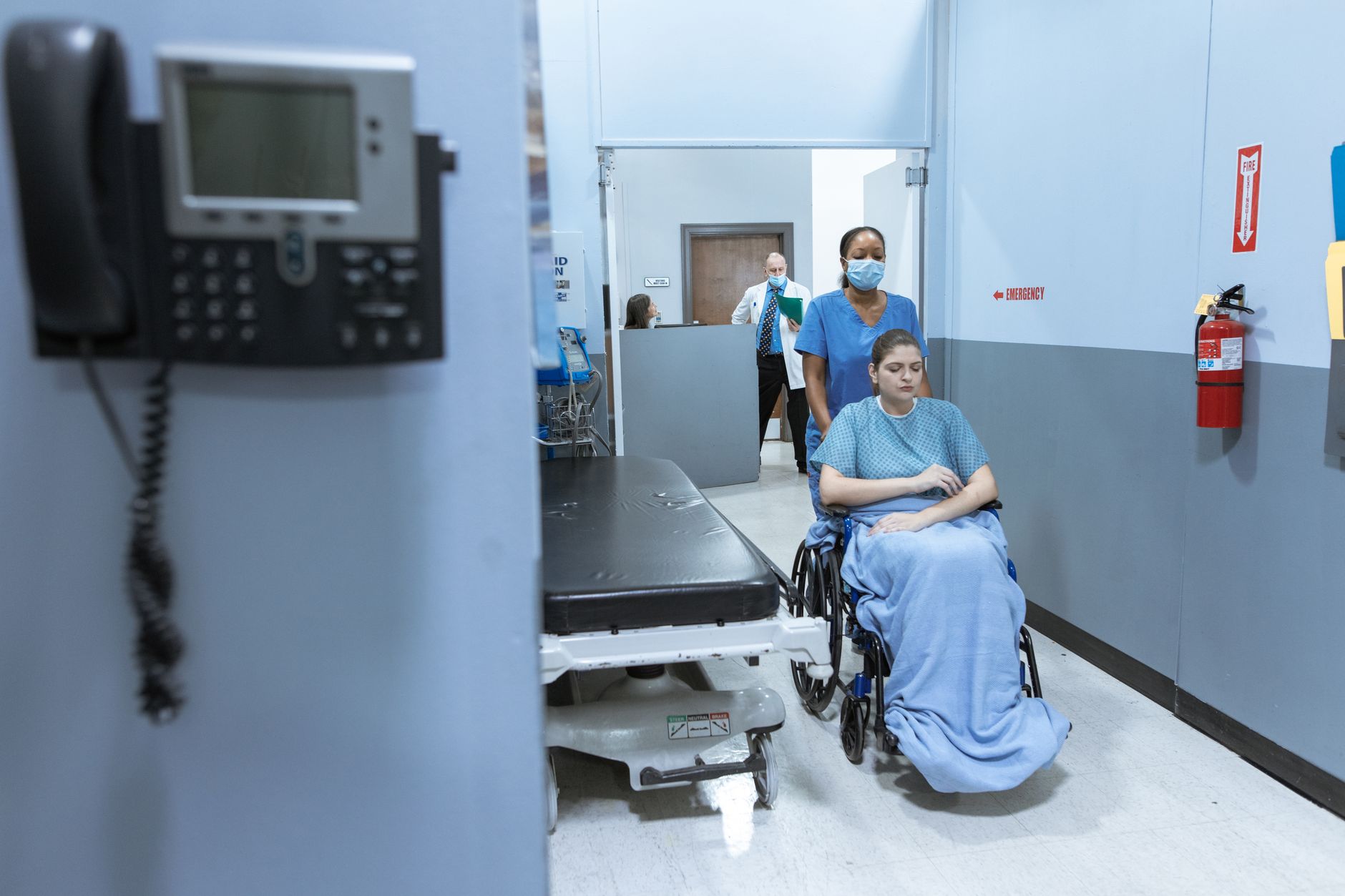
According to a Relay Robotics release on BayCare, robots began handling lab specimen runs at St. Anthony's in 2025. Vienna's Hanusch Hospital tested a robot carrying blood samples between the emergency department and the lab, initially overnight only. Arrive AI planned a summer deployment moving outpatient specimens to the main lab at Hancock Health in Indiana, with benefits still projected.
How long can a specimen wait before a courier arrives?
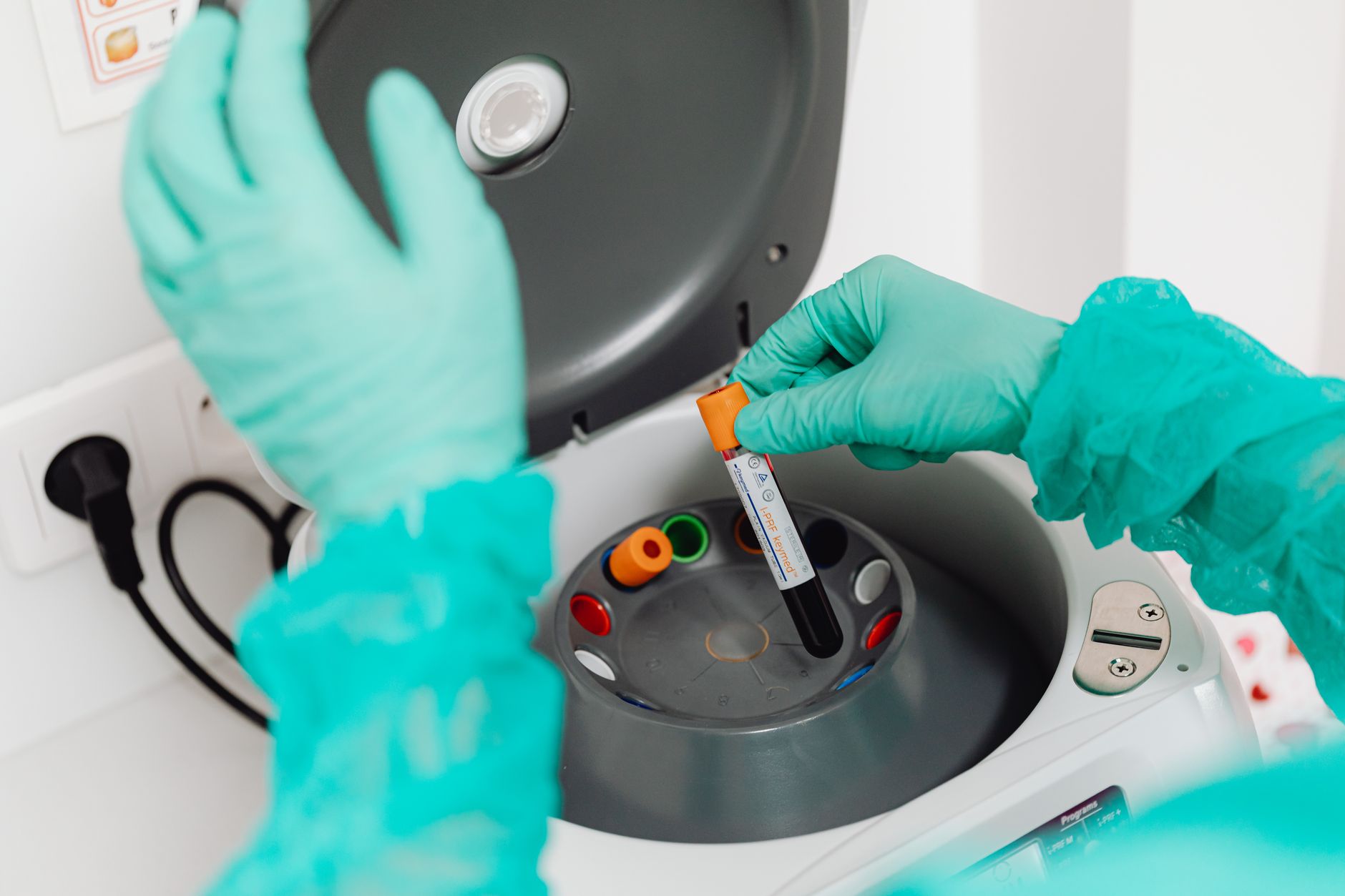
Distance is only half the clock. A sample drawn at 10 p.m. and collected at 7 a.m. has waited nine hours before any lab sees it, which can be well past the window for some tests. The transit plan matters more than the courier's route.
A 2024 Fritsma summary of CLSI H21 lists whole blood PT or INR as stable at ambient temperature for 24 hours, several factor assays at 4 hours, and PTT without unfractionated heparin at 6 to 8 hours. An older summary gave 4 hours for PT, which conflicts with the 24 hour figure, so check current CLSI text before writing a protocol.
A Newcastle hospital laboratory directory, citing CLSI M60, lists fungal identification as stable up to 24 hours and advises refrigeration at 2°C to 8°C if delays are likely. These are secondhand figures, but they point to one rule: a run measured in minutes protects a sample better than a pickup measured in hours.
What does chain of custody require for a robot run?
Chain of custody is the documented record of who handled a specimen, when, and where responsibility changed hands. A vendor guide lists the entries it should carry, and it is vendor guidance rather than a standard.
- Collector name and collection time
- Driver or unit ID and vehicle ID
- Timestamps at every handoff
- Temperature readings during transport
Where does a human courier still have to take over?
A robot keeps a mapped campus run moving. It does not decide what happens when the run goes wrong, and that is where a courier stays essential.
Hand the run to a person when the lab sits off campus, when the route crosses public streets or shared traffic, when a container is damaged or leaking, when the robot is down and the sample cannot wait, or when the receiving lab cannot take an unattended delivery.
Keep a contracted pickup as a backstop for those hours and exceptions. Write the escalation rule into the protocol before the first night run, not after the first failed one.

What do the pilot numbers actually show?
The numbers are real but uneven. Relay Robotics reports a 99.8 percent delivery success rate for a 2025 pilot at St. Anthony's, in a June 2026 release, and its BayCare case study cites more than 150 deliveries a day across the fleet. Both figures come from the vendor.
Moscow's Filatov Clinical Hospital No. 15 and Pirogov Clinical Hospital No. 1 are testing Yandex robots that carry medicines and blood samples. Officials say effectiveness will be assessed before wider rollout, and the April 2026 report had no outcome data yet.
A vendor rate reflects that vendor's runs and definitions. Ask for the run log, the failure categories, and a sample custody record, then test the headline percentage against your route before you accept it.
How should an urgent care group scope a robot pilot?
Start with one route on one campus, a lab that agrees in writing to receive the run, and a custody form a named person signs at each handoff. Set the stability limits from your lab's own tables, then time the robot against them before the first night.
Service Robot Co. is a full service robot integrator that stays OEM neutral. We select the right robot across manufacturers, then lease it, deploy it, integrate it, train staff, and service every unit through a nationwide US engineer network, so a clinic group works with one partner, one number. Our lease runs three years with one fixed payment quoted after a site assessment, and a site can start with one leased unit.
Frequently asked questions
Want a robot working for you?
Tell us the job and the site. We will recommend the robot, quote the lease, and keep it serviced.
Sources
- Relay Robotics: BayCare expands autonomous hospital delivery
- Relay Robotics: BayCare Health System case study
- GXP News: Moscow hospitals introduce Yandex courier robots
- Mercury: Medical lab courier services
- Fritsma Factor: Acceptable coagulation test specimens
- Newcastle Hospitals: Fungal identification and sensitivity
- Rallies: Arrive AI and Hancock Health specimen delivery
- Vienna.at: Rolli delivery robot at Hanusch Hospital