Key takeaways
- Musculoskeletal disorders (MSDs) from repetitive tasks are a primary driver of injury-related costs in manufacturing.
- Collaborative robots (cobots) can take over high-risk ergonomic tasks like lifting, palletizing, and machine tending.
- Automating physically strenuous jobs reduces direct workers' compensation costs and indirect costs from lost productivity.
- A full-service robotics integrator can deploy cobots without significant operational downtime, managing the entire lifecycle.
- Cobot rental and RaaS models provide a low-capital path to improving workplace safety and reducing ergonomic risk.
The Silent Threat to Your Production Line
On any manufacturing floor, the most significant risk to your team and your budget may not be a sudden, dramatic accident. It is often a slow, cumulative threat: the musculoskeletal disorder (MSD) that develops from repetitive lifting, bending, and twisting. For safety managers, these ergonomic injuries are a primary driver of workers' compensation claims, lost workdays, and decreased productivity.
Collaborative robots, or cobots, present a direct and effective way to mitigate these risks. By assigning the most physically taxing and repetitive jobs to a machine built for the task, you can protect your human workforce from the long-term strain that leads to injury. This is not about replacing people, but about reassigning them to safer, higher-value work while the cobot handles the ergonomically hazardous tasks.
What Are Musculoskeletal Disorders?
Musculoskeletal disorders are injuries or conditions affecting the body’s movement system, including muscles, tendons, ligaments, nerves, and discs. In a manufacturing context, they are frequently caused by the cumulative impact of daily tasks. According to the U.S. Bureau of Labor Statistics, overexertion and repetitive motion are responsible for nearly a third of all nonfatal workplace injuries requiring days off in the manufacturing sector.
These are not acute injuries from a single event. They are the result of thousands of repetitions of a specific motion, such as reaching into a machine, lifting a box from a conveyor, or twisting to place a product on a pallet. This repetition, combined with awkward postures or high force, creates micro-trauma that eventually becomes a chronic, painful, and costly condition.
How Do Cobots Address Physical Strain?
Collaborative robots are designed to work alongside human employees, taking over tasks that are dull, dirty, or dangerous. From an ergonomic standpoint, their greatest strength is their ability to perform the exact motions that are most likely to cause MSDs.
A cobot does not get tired or sore. It can perform a task with perfect consistency and precision for multiple shifts without a break. By automating these physically demanding jobs, you remove the primary ergonomic risk factors for your human team. This allows workers to shift their focus to tasks requiring complex problem-solving, quality control, and process oversight, which are less physically taxing and more engaging.
Application Example: Palletizing and Depalletizing
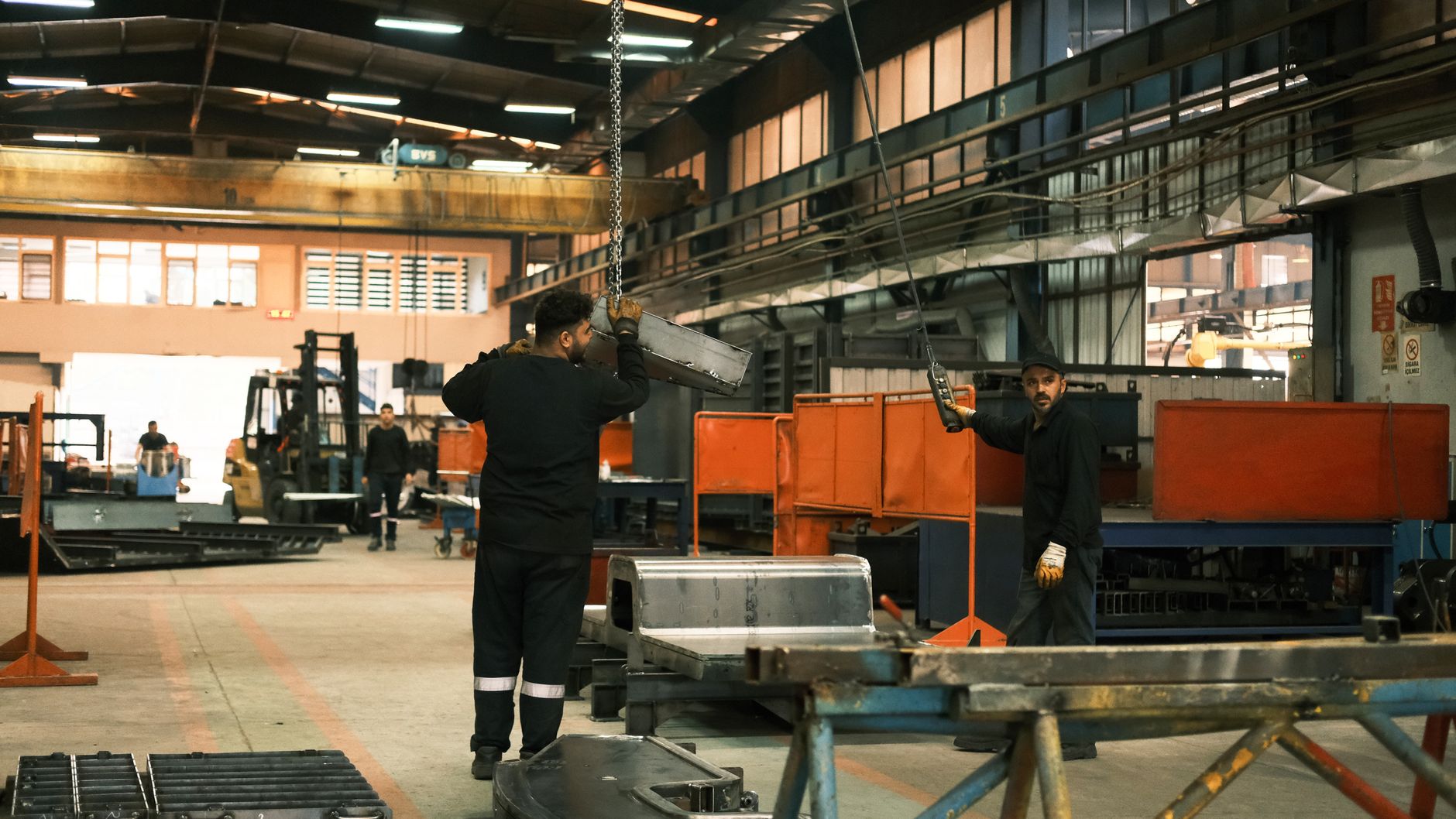
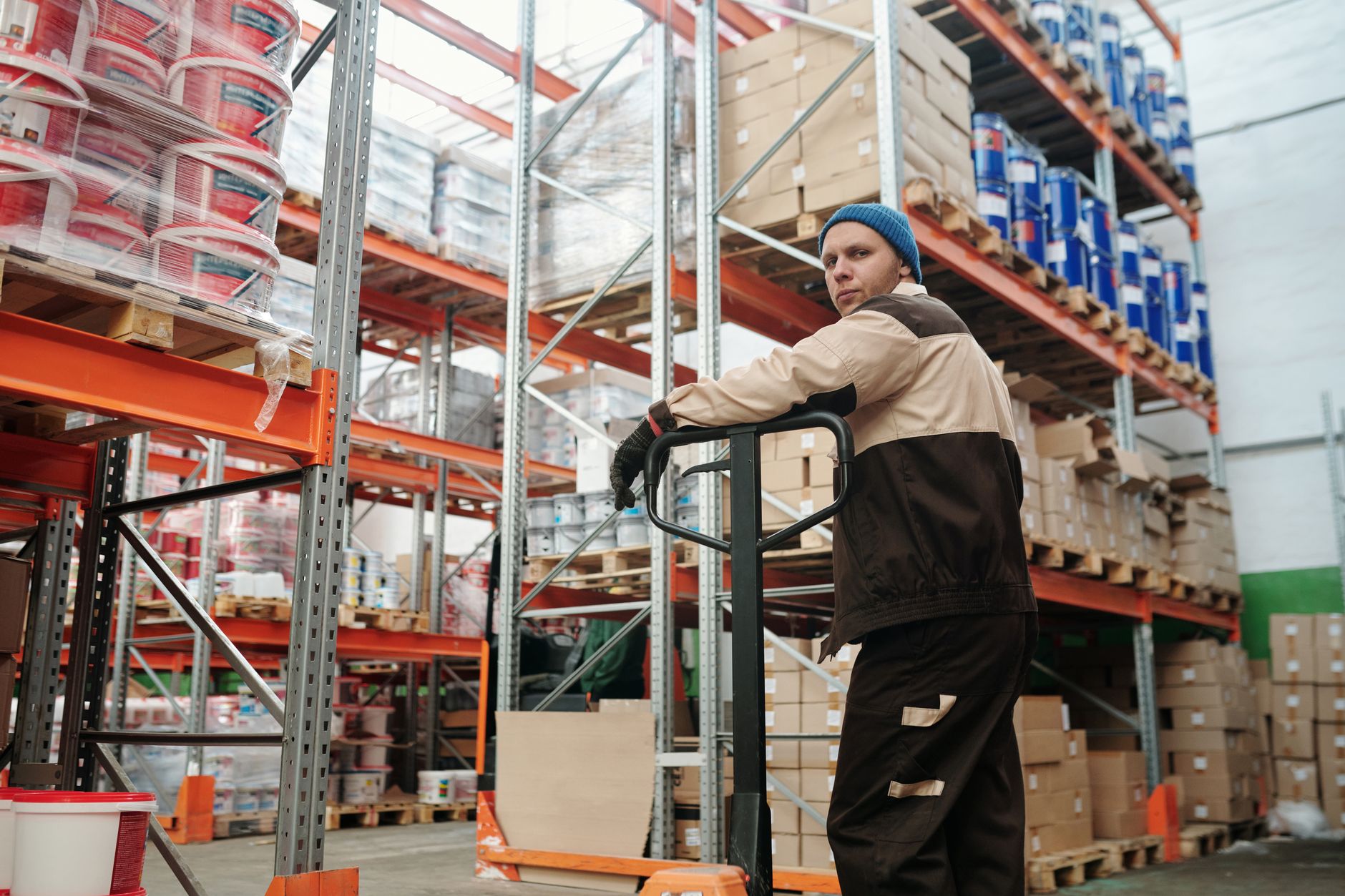
End-of-line palletizing is a classic example of a high-risk ergonomic task. It requires an employee to repeatedly lift boxes, twist their torso, and bend to place items on a pallet, often at low or high levels. Each movement puts strain on the lower back, shoulders, and wrists.
A palletizing robot rental can completely eliminate this risk. A cobot can be positioned at the end of a conveyor to pick up finished goods and stack them onto a pallet according to a pre-programmed pattern. The cobot handles all the lifting and repetitive motion, freeing the human worker from a job that is a near-certain cause of future MSDs.
Application Example: Machine Tending
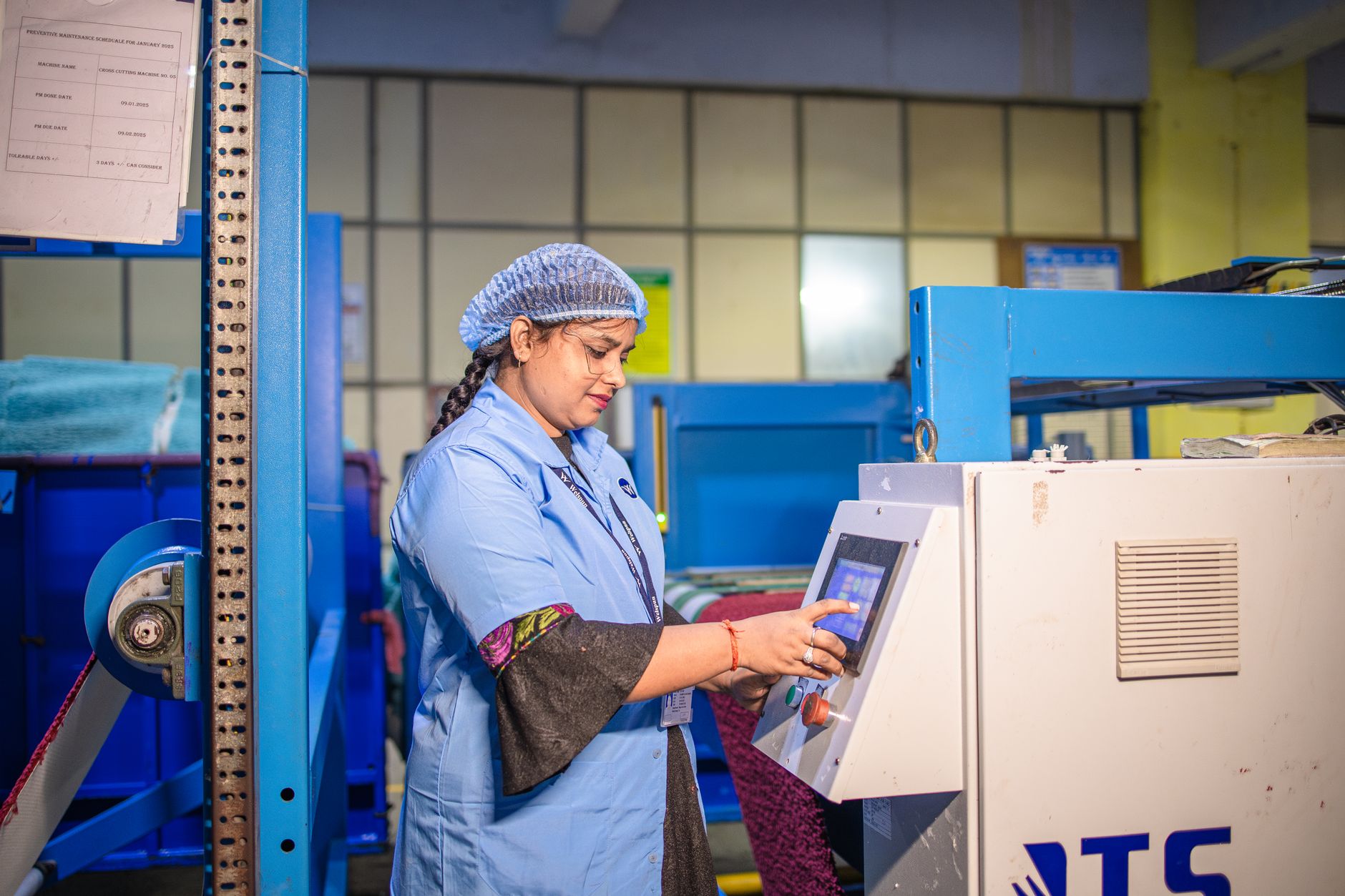
Machine tending involves loading raw materials into a machine and unloading finished parts. This work often requires operators to stand in one place for long periods, make repetitive reaches into the machine, and handle parts. These actions can lead to fatigue and strain on the upper body and back.
A machine tending robot can be programmed to perform these loading and unloading cycles continuously. The cobot can handle parts of various weights and sizes without ergonomic risk, improving both safety and the consistency of the production cycle. This allows the human operator to manage multiple machines, perform quality checks, and keep the production cell running efficiently without the physical wear and tear.
What Are the Financial Consequences of Ergonomic Injuries?
The costs of MSDs extend far beyond the initial medical bills. According to industry safety experts, musculoskeletal disorders cost U.S. manufacturing companies over $18 billion annually in direct costs alone. These direct costs include workers' compensation payments and medical expenses.
The indirect costs, however, can be three to five times higher. These include lost productivity from the injured worker, the expense of hiring and training a replacement, production slowdowns, and potential impacts on product quality. By investing in ergonomic improvements like cobots, manufacturers can achieve a significant return by preventing these costs before they occur.
How Can I Deploy Cobots Without Disrupting My Plant?
The idea of integrating new automation can seem disruptive, but it doesn't have to be. The key is working with an experienced partner who can manage the entire process. A full-service, vendor-neutral robot integrator provides a single point of contact for every stage of deployment, from initial site assessment to long-term maintenance.
At Service Robot Co., we specialize in turnkey robot deployment. Because we are OEM-neutral, we select the right collaborative robot for your specific ergonomic challenge, not just the one from a preferred brand. Our nationwide network of engineers then handles the complete integration, mapping, and training process. We can implement a phased deployment with no shutdown, ensuring your production continues while your workplace becomes safer.
Is a Cobot Rental Model Right for My Safety Program?
For many safety managers, a major hurdle to adopting new technology is the upfront capital expenditure. A Robot as a Service (RaaS) or cobot rental model removes this barrier. Instead of a large purchase, you get the safety benefits of a cobot for a predictable monthly payment.
This approach, which includes all maintenance and service, makes it easier to trial automation as a targeted ergonomic intervention. You can deploy a collaborative robot arm rental for a specific high-risk task and measure the impact directly. Service Robot Co. offers flexible monthly payment programs and leasing options that put this safety technology within reach, allowing you to prove the value of repetitive transport automation without a long-term contract or significant capital outlay.