Key takeaways
- A barn night run starts only after glassware, tables and chairs are cleared from the robot's path.
- Mixed floors call for zoning, since hard surfaces, thresholds and carpeted lounges rarely suit one machine.
- Schedule the run after the last pour and kitchen close, then finish with a fixed morning check.
- Vendor claims about event halls are not independent test results, so pilot one zone first.
- IFR data shows professional cleaning robots growing fast, but it says little about any single barn floor.
Can a robot clean a vineyard event barn overnight?
In most barns, yes, provided the robot gets a cleared path and the right machine for each surface. A compact autonomous scrubber or vacuum can start once the last guest leaves, follow a mapped route, and finish before the morning crew arrives. No operator needs to stay on site for the run.
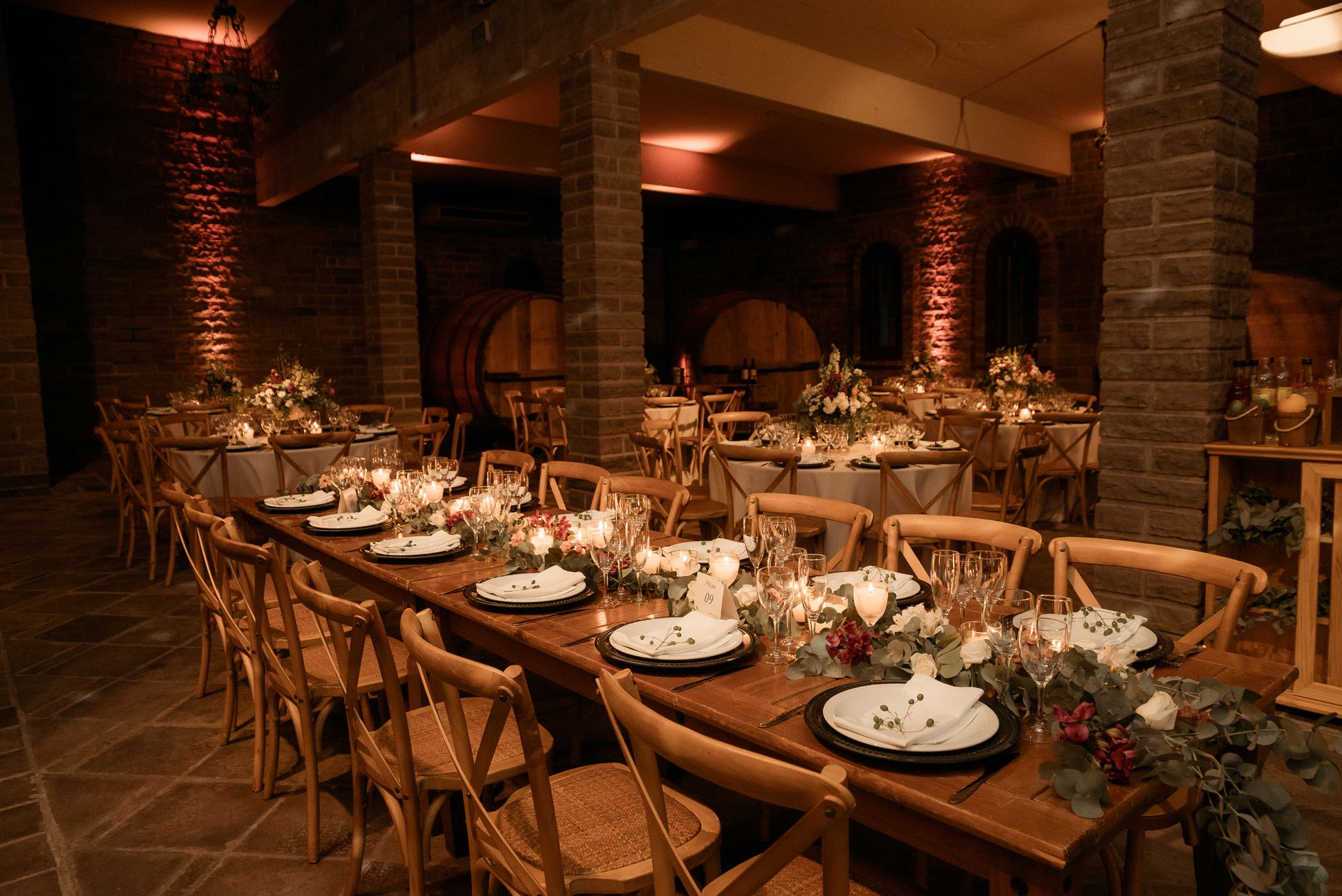
The catch is layout. A barn usually mixes sealed concrete at the bar, wood or stone at the entry, carpet in a lounge, and a door sill that collects grit from boots. Each surface pushes toward a different machine or a separate zone, so the answer is rarely one robot for the whole building.
Why is a barn harder than a convention hall?
Event halls and barns share one problem: tables, chairs, cords and decor sit where a robot wants to drive. A barn adds tight tasting bars, old thresholds and wood floors that dislike standing water. RobotLAB suggests vacuums for ballrooms and scrubbers for convention halls and back-of-house corridors where spills happen, according to its blog as checked in November 2026.
OrionStar's product page describes a dedicated autonomous vacuum for carpeted event spaces rather than a wet scrubber. These are vendor statements about categories, not tests in a barn, so treat them as a starting hypothesis for your own site walk.
What must be cleared before a night run?
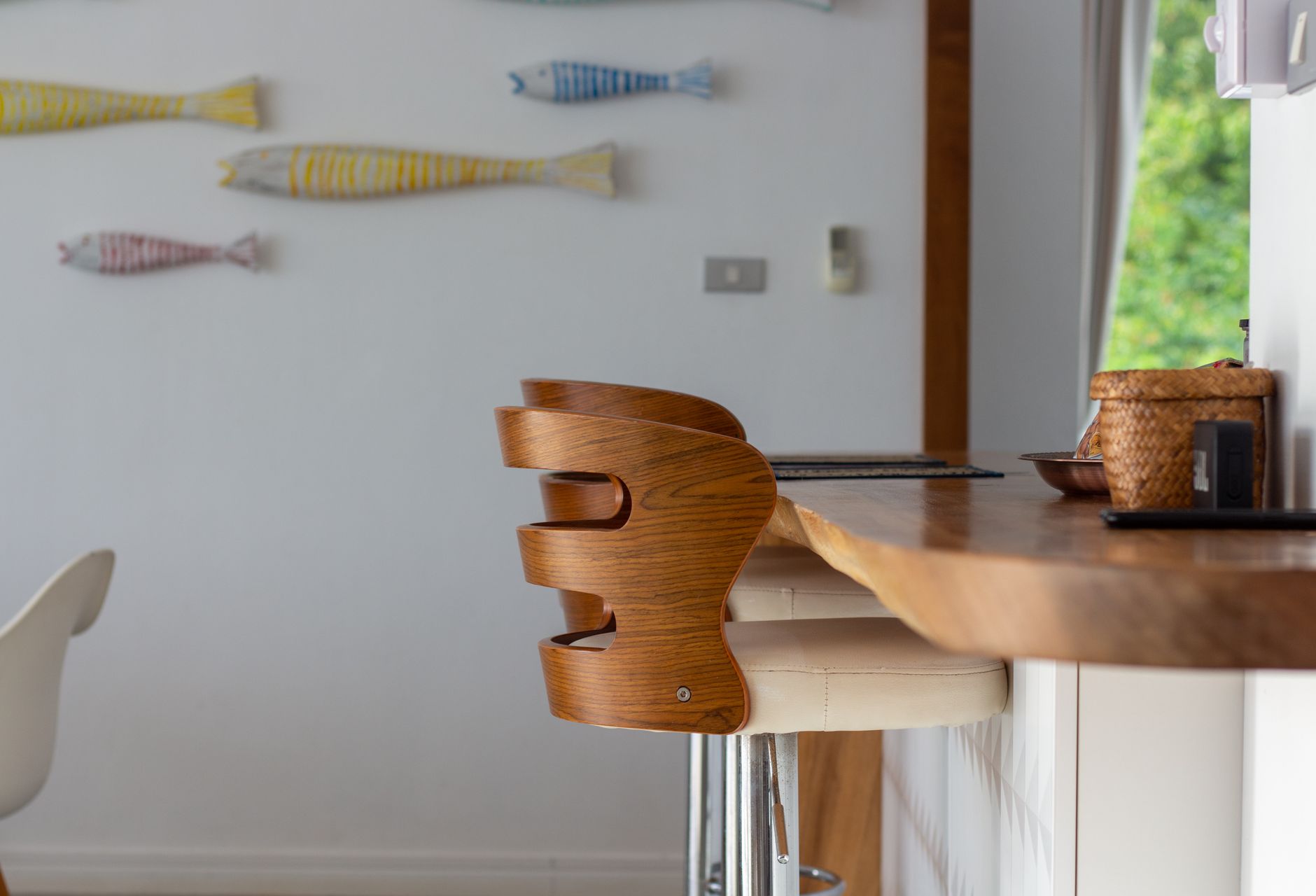
Clearing is the step most operators underestimate. Ask the event lead to sign off on the list before the last guest leaves, because a robot will stop, wait or detour around anything it cannot read.
- Stack chairs against walls or remove them from the route, and lift tablecloths off the floor.
- Move cake tables, floral stands and display easels out of aisles.
- Tuck power cords under covers and pull extension cords off the floor.
- Collect glassware and tasting trays, then bag trash before the run starts.
- Close cellar hatches, unprop doors and clear thresholds.
- Confirm lighting stays on in every zone the robot has mapped.
How should the run schedule fit around events?
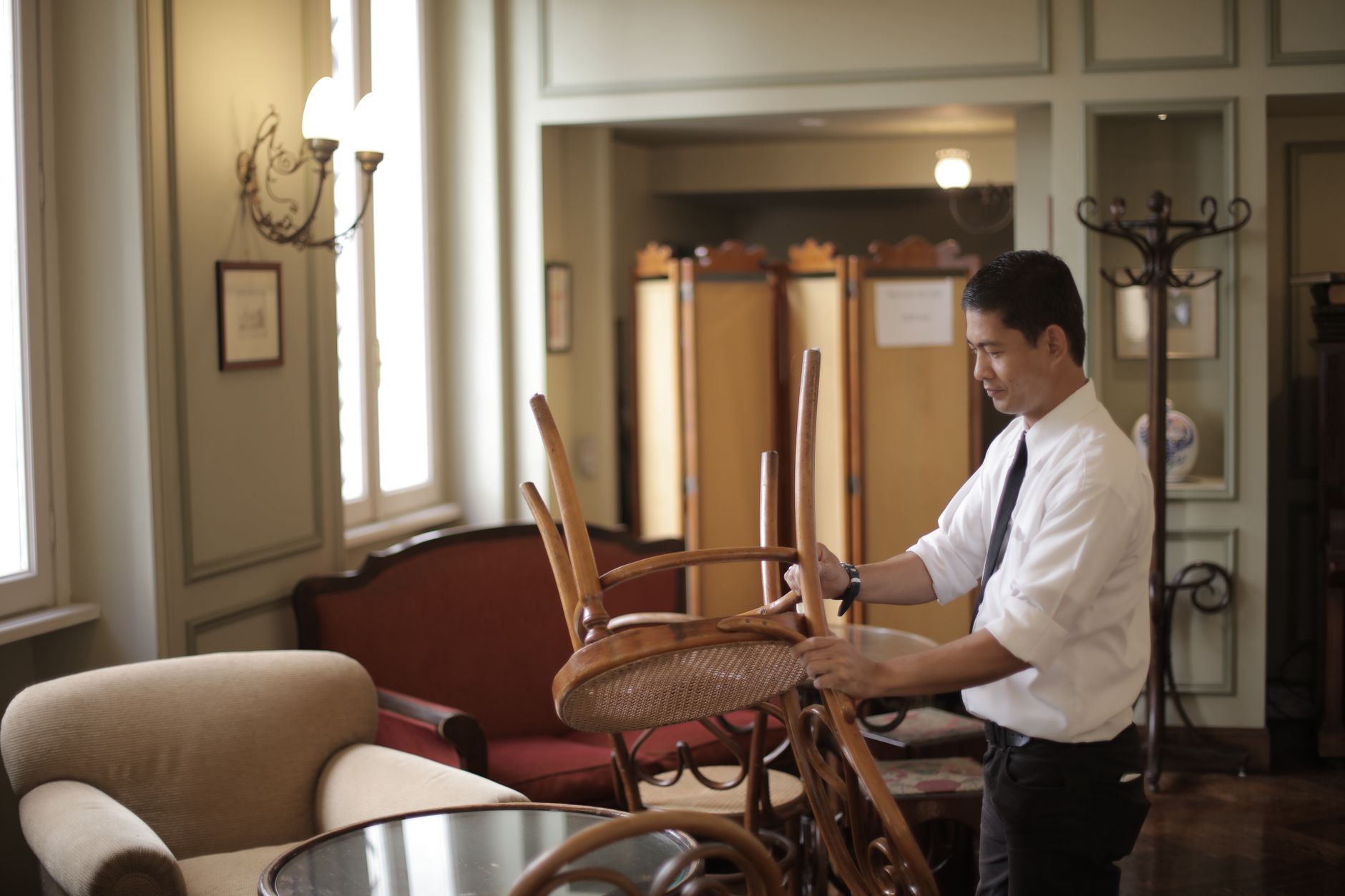
Build the schedule backward from the next event. A wedding can run past midnight, and a tasting room may pour until kitchen close. Set the robot's start for after the last guest and the final staff walk-through, not after the nominal end time on the event contract.
Sequence matters. Staff pick up glassware and linens first, the robot covers cleared zones next, and a short manual check of the bar and entry closes the loop before the morning reset. A pause rule, where the robot stops when someone steps into its path, keeps late staff safe.
What do the industry numbers say about cleaning robots?
According to press coverage of IFR data, professional cleaning robot sales in 2024 passed 25,000 units, up 34%, with cleaning described as the third-largest professional segment and most units used for floor cleaning. The press summary is not a verified IFR table, so read it as direction, not precision.
IFR's 2026 release reports global professional service robot shipments rose 24% to almost 250,000 units in 2025. That figure comes from a search summary of the release, and we did not find a cleaning-specific 2025 number. Category growth shows the market is maturing, but it does not tell you whether your barn floor will suit a robot.
Where have wineries put floor robots to work?
Viña Costeira, a Galician winery, deployed a Gausium Phantas autonomous cleaning robot, with implementation dated March 2025 in the vendor's case study. The case names the bottling room, corridors and storage. The tasting room is not named, so it is not evidence for a barn's guest floors.
Kärcher markets its KIRA B 50 as a fully autonomous scrubber dryer for medium and large floors and names hospitality venues as a target, according to a reseller page for the machine as checked in November 2026. That is marketing language. Ask for a demonstration on your own flooring before you accept it.
How does a lease and service plan handle a barn?
Service Robot Co. is a full-service commercial robot integrator for US businesses. We are OEM-neutral, so we select robots across manufacturers for the floor, then deploy, integrate, train and service each unit through a nationwide US engineer network, with one vendor for the whole lifecycle.
We start with site assessment mapping of the barn, including the tables, thresholds and carpets that change between events. The robot is supplied on a 3-year lease with one fixed lease payment quoted after that assessment. Go-live support, on-site dispatch and remote triage cover the early weeks, when the first runs reveal what the map missed.
What should a first pilot prove before the whole barn?
Start with one zone, usually the bar and entry, across a set number of event nights. Log how many manual cleanup minutes remain, how often the robot paused, and whether the morning check passed without rework.
Set targets from your own baseline, not from vendor payback claims. The sales material we reviewed for event venues was not independently verified, so we do not cite a payback period here.
Frequently asked questions
Want a robot working for you?
Tell us the job and the site. We will recommend the robot, quote the lease, and keep it serviced.
Sources
- Press summary of IFR professional cleaning robot data (The Cleanzine)
- IFR 2026 service robots press release (PDF)
- Sparkoz: automated cleaning robots for large event spaces
- RobotLAB blog: commercial cleaning robots for large hotel spaces
- Gausium case study: Viña Costeira
- OrionStar AI robots product page
- Elite Metal Tools: autonomous scrubbers (Kärcher KIRA B 50 listing)