
Key takeaways
- Same nightly strip on wet turf compacts faster than varied routes.
- Foot-test firmness before re-enabling loops after rain.
- Alternate loop patterns weekly during soft seasons.
- Hold low panels near drainage until moisture drops.
- Service Robot Co. maps alternation templates at deployment.
Why does wet weather change fairway robot routing?
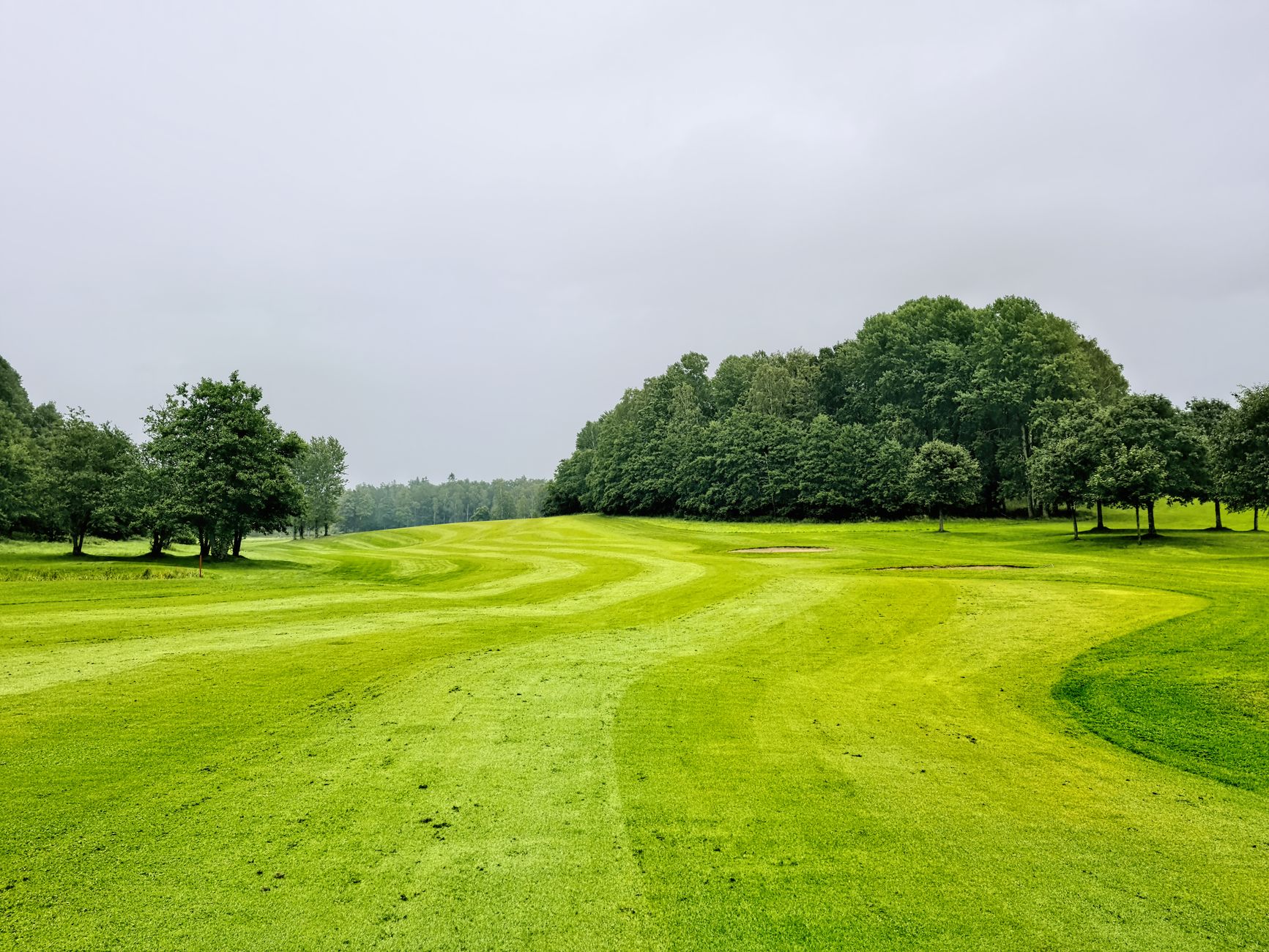
Autonomous fairway mowers follow the same geofenced loops night after night. On firm summer turf that is efficient. After rain or during a wet fall, repeating the identical strip can track ruts and compact soil where carts already stressed the surface.
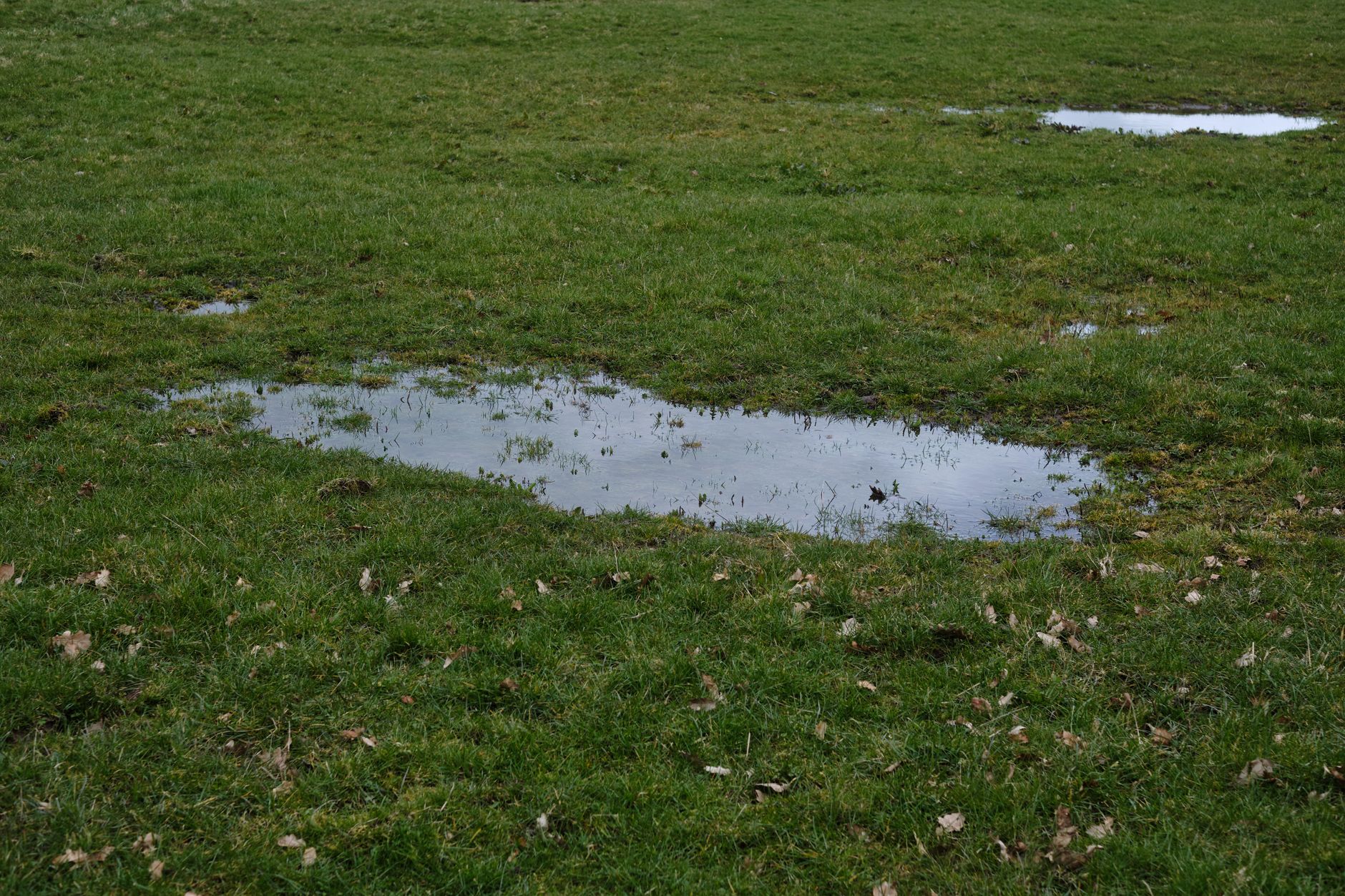
Compaction shows up as thin turf, standing water longer than neighboring panels, and player complaints about uneven lies before you see obvious mud. Robots are lighter than many utility carts, but they still concentrate traffic on a narrow path.
Treat soft fairways as a routing problem, not only a schedule delay. Alternating patterns and moisture holds protect turf while keeping most panels groomed.
How do you foot-test before a robot pass?
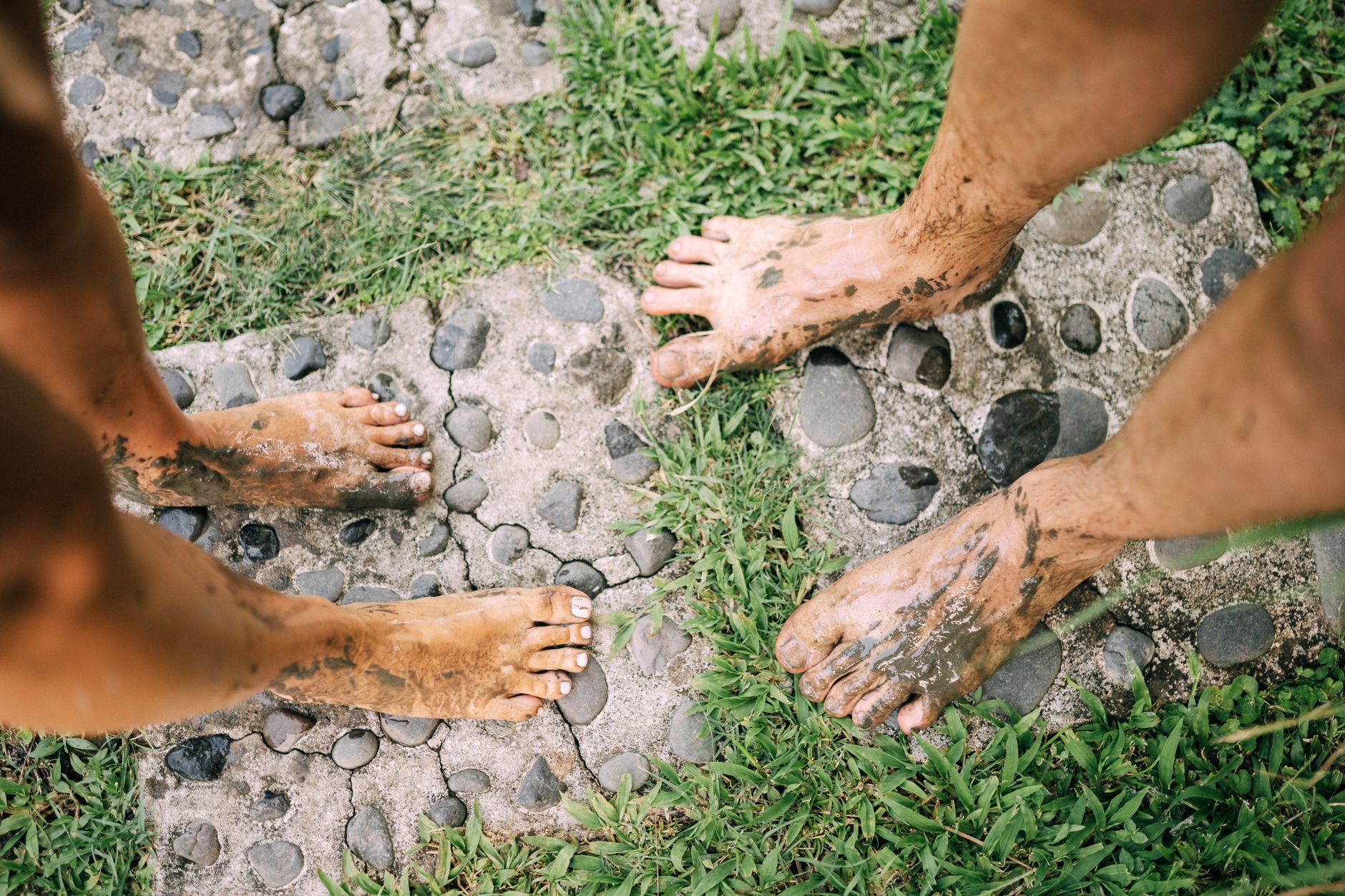
Walk the planned loop in work boots. If your heel leaves a sharp imprint that holds water, hold the robot on that hole or panel.
Compare approach collars to fairway centers. Centers often firm first while low spots stay soft near drains.
Log the test time and result in the maintenance record. Reliefs on the next night should see the same note.
What is route alternation on fairway robots?

Alternation means two or more approved loops that cover the same panel without using identical wheel lines every night. Software may call it A-B routing or offset passes.
Shift the loop one mower width on alternate nights when turf is borderline firm. Open fairways with few obstacles alternate more easily than tree-lined dogleg panels.
Export both patterns for tournament weeks so nobody reverts to a single summer loop by habit.
When should moisture holds override the calendar?
Irrigation cycles, heavy dew, and slow drainage after storms all justify holds even when the robot calendar says go.
Some clubs tie holds to soil moisture sensors if they already monitor greens. Fairway panels can follow a simpler rule: no autonomous pass until footprint tests pass on the lowest panel.
Communicate holds to the pro shop when members will notice taller turf on a usually crisp fairway.
- Foot-test lowest panel on each hole
- Hold if heel print holds shape
- Re-check after irrigation skips
- Log reopen time per hole
How do cart traffic and robots interact on wet days?
Cart-path-only days reduce fairway cart load but may concentrate robot work on the only dry strip players still use. Map path transit separately from open fairway loops.
After a busy member day on soft turf, consider skipping that nine entirely for robots even if morning dew looks light.
Compare robot holds to aerification schedules. Soft turf plus fresh holes needs longer recovery before heavy repeat passes.
What speed and height tweaks help on borderline turf?
Slow transit on soft panels reduces slip and rut risk. The night window is long in shoulder seasons. Use it.
Slightly higher cut on wet weeks can reduce scalping when wheels sink a fraction. Return to summer height when firmness returns.
Avoid stacking grooming goals. Rolling or topdressing the same week as aggressive robot loops multiplies compaction stress.
When should hand mowing replace robot passes?
Hand crews can vary lines and skip saturated low spots more easily than a fixed loop. Use them on showcase holes during recovery while robots work firmer nines.
Document which panels stay manual until firmness returns so reliefs do not re-enable geofences early.
After recovery, reintroduce robots with alternation patterns rather than jumping back to a single tight loop.
How does an integrator set alternation up front?
Service Robot Co. is OEM-neutral on autonomous fairway mowers. We finance buy or lease options, map fairways with alternation templates, train your watch lead, and service units under RoboCare with regional engineers in every state we cover.
Import moisture hold defaults during deployment for your wettest months. After a soft season, review rut photos with your superintendent to adjust offsets on problem holes.
Bring compaction notes to spring planning so routing changes before play volume spikes.


