Key takeaways
- A lease quote is built from what the site visit finds, not from a generic price sheet.
- Floor type, traffic flow, charging access, Wi-Fi, doors and elevators each shape the robot and its route.
- The task list decides which robot fits, so bring the real daily routine, not the ideal one.
- Once the findings are confirmed, you receive one fixed lease quote for a three year lease term.
- Prepare floor plans, outlet locations, shift windows and an after hours contact before the visit.
What happens during a site assessment?
Service Robot Co. does not issue a robot lease quote from a floor plan or a phone call. The fixed lease quote follows a site assessment, a walk through the building where our team records the conditions that decide which robots fit and how they will run. Those findings are the basis for a three year lease with one fixed lease payment.
The walk covers six areas: floor types, traffic patterns, charging access, Wi-Fi coverage, doors and elevators, and the task list. Each one changes the robot choice, the route, or the work the service plan has to support. None of them is a formality.
How do floor types shape the robot choice?
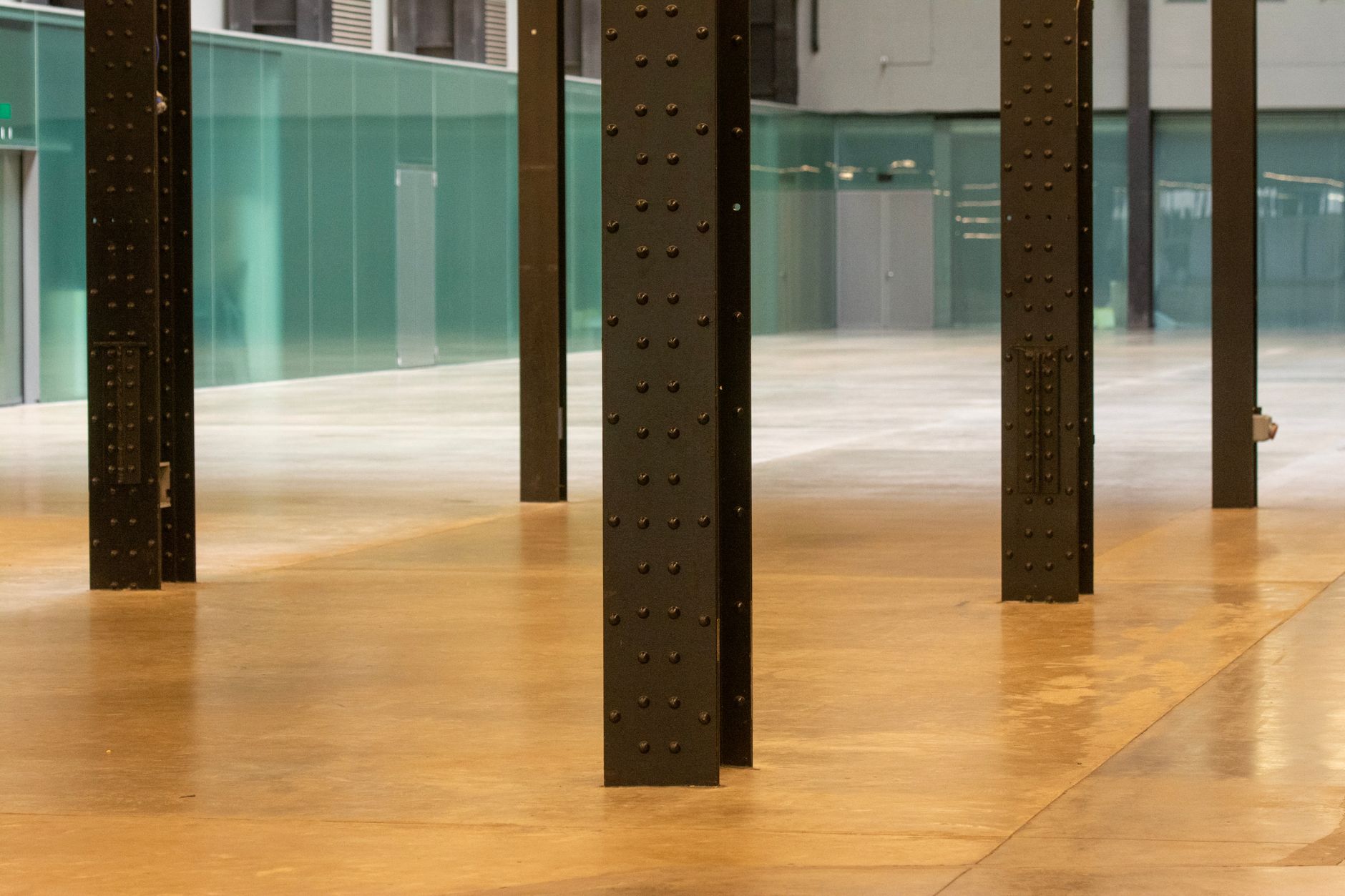
Floor surface comes first. Sealed concrete, polished terrazzo, epoxy, carpet, rubber matting and tile each behave differently under a brush, a squeegee or a set of drive wheels. We note wet areas, open grout lines, drains, and every place where one surface meets another.
Thresholds, dock plates and ramps need a closer look. A seam that looks flat from standing height can still be a lip a robot must not cross. We do not guess at slope or step limits. Those figures come from the specific model's site preparation manual, and we check them against the unit we plan to recommend before the quote is issued.
Why do traffic patterns decide the route?
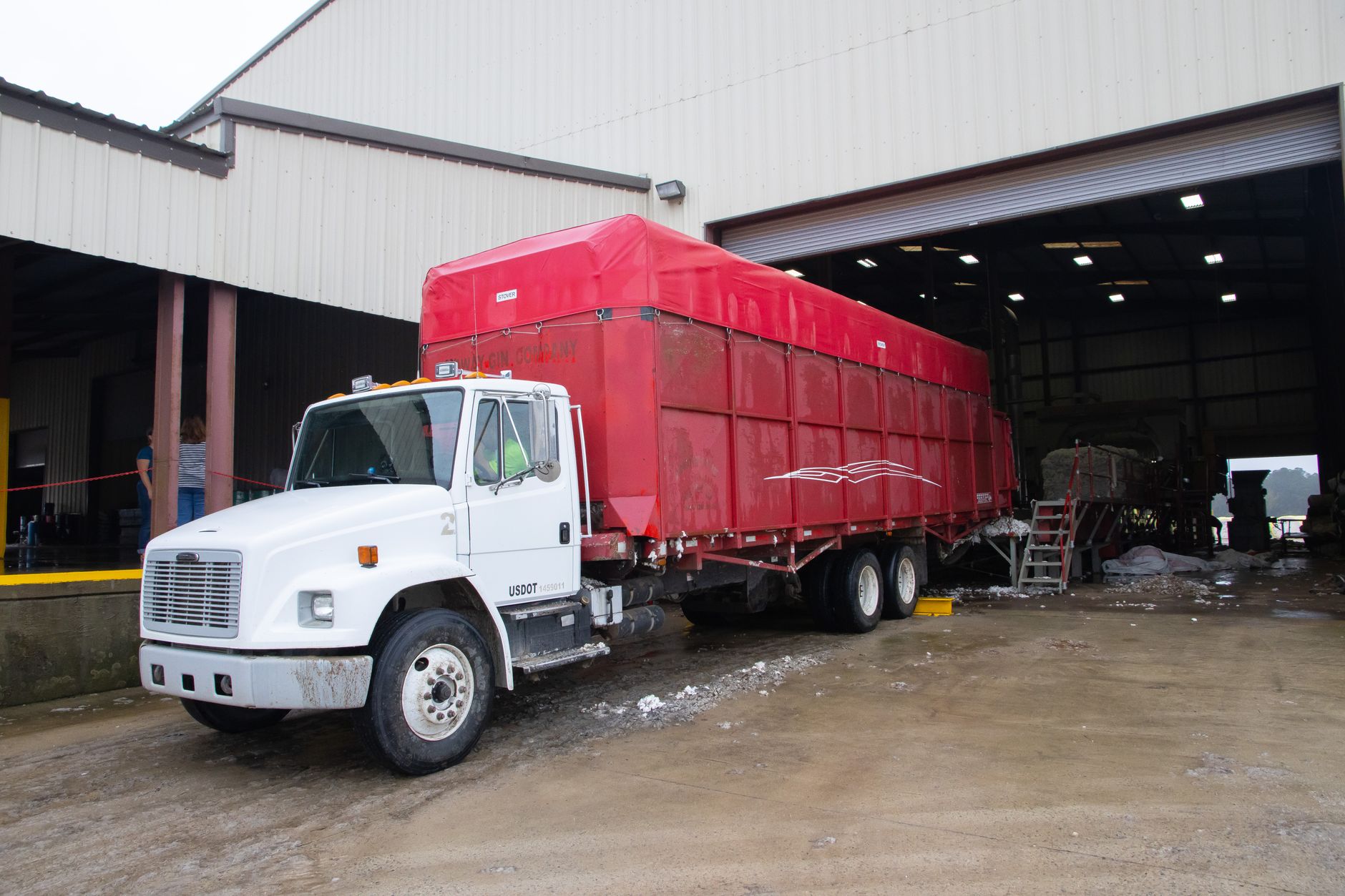
We walk the building during its busy hours, not only at a quiet tour time. A route that runs clean on a calm morning can jam at shift change, when carts and deliveries arrive together. The pattern tells us where a robot will wait, reroute or slow down.
The walk logs four things in particular:
- Peak hours for foot traffic, carts and deliveries
- Cross aisles that people use as shortcuts
- Staff doors that open during shift changes
- Zones closed for events, inventory counts or maintenance
Where does charging have to sit?
Every robot must return to a dock by itself, so the dock location is part of the quote, not an afterthought. We check the floor or wall space for the dock, the nearest outlet, the circuit that feeds it, and the clearance on the approach.
A dock placed beside an exit or in a main walking lane causes trouble on day one. We keep docks out of fire egress and busy lanes, and we flag any outlet that needs an electrician. That electrical work is handled by the customer, and the quote lists it as a prep item.
How much does Wi-Fi coverage matter?
Robots report their status, accept map updates and depend on a stable connection for remote triage. We measure signal in the places where coverage usually fails: back rooms, stairwells, elevator lobbies, cold storage and areas behind metal racks.
Where coverage is thin, the findings say so. The quote then states what must be fixed before go live, such as an added access point. Under RoboCare, our service plan, a steady connection is what lets our team triage a fault remotely before a technician is dispatched. Wi-Fi is easy to overlook, and it is worth measuring early.
What do doors and elevators change?
Doors set the width a route can use, and thresholds, door closers and fire doors can stop a robot in its tracks. We note which doors stay open, which hold, and which lock after hours. A door on a schedule can be the difference between a route that works and one that stalls mid run.
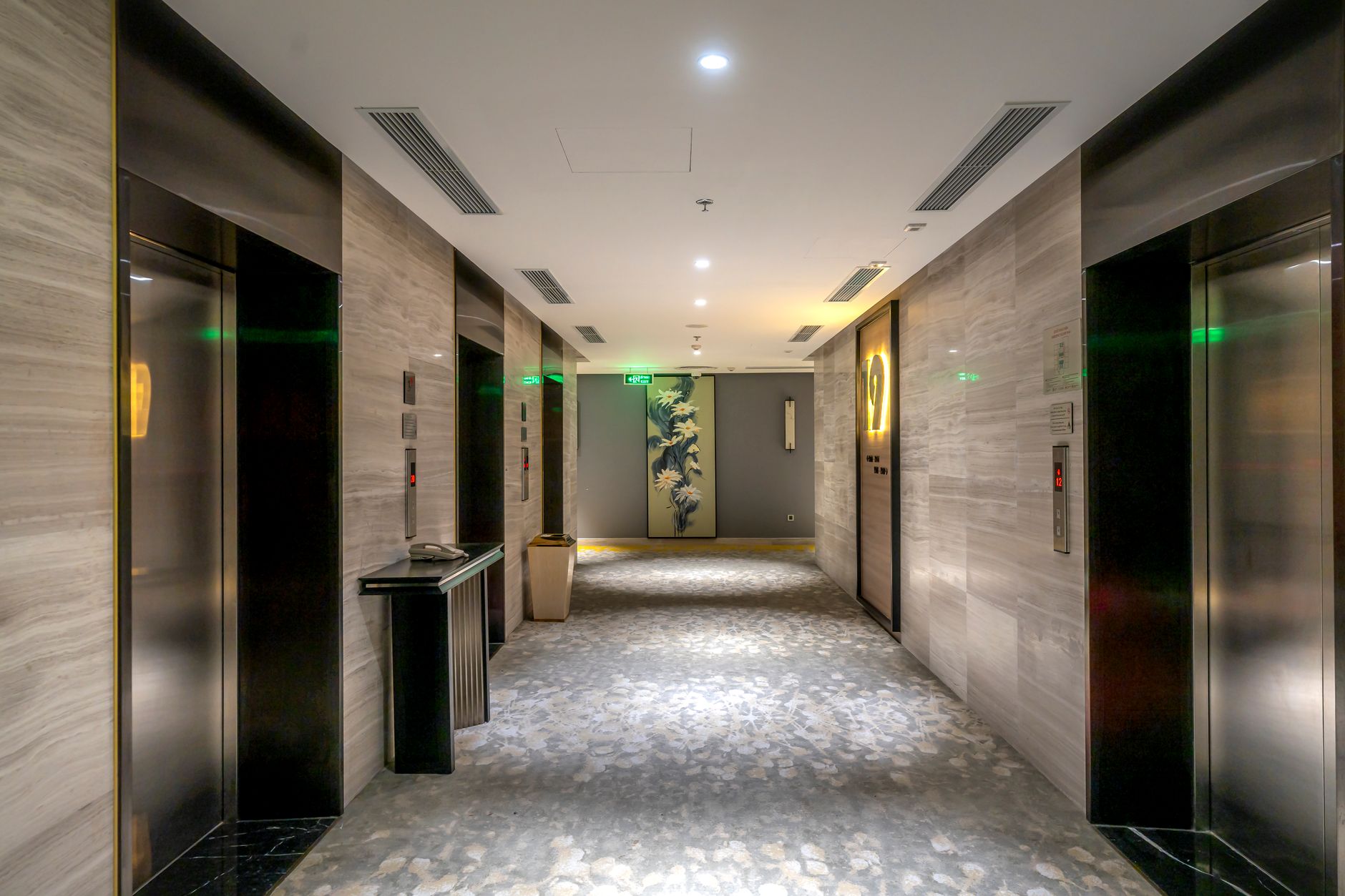
Work across floors adds the elevator. We record the car model, the floors the robot must reach, how calls and access control work, and whether the building allows a robot to ride alone or needs a staff escort. Those answers decide whether the job stays on one floor or needs an elevator plan before we quote.
How does the task list decide which robot fits?
The task list is the most direct input we receive. It states what work must be done, in which zones, how often, at what hours, and what finished looks like. A robot that scrubs aisles overnight is a distinct machine from one that carries carts between a dock and a kitchen.
Service Robot Co. is OEM neutral. We choose robots across manufacturers based on the task list and the site findings, then integrate and train on that choice. We do not start from one brand's catalog, and we do not promise a unit the site cannot support.
What should you prepare before the visit?
The right papers shorten the visit and sharpen the quote. Bring what you have, and say plainly where you do not know an answer. The assessment exists to find gaps, not to hide them.
Gather these items before the walk:
- Floor plans marked with zones, doors and known trouble spots
- The shift schedule plus cart and delivery windows
- Outlet and electrical panel locations near likely dock spots
- Wi-Fi network details and any dead spots staff have reported
- The elevator make, the floors served and the access rules
- A written task list with frequency and hours
How do the findings become one fixed lease quote?
After the walk, we compile the findings, select the robot set and list the prep items the site must complete. We review those with you before the quote is finalized, so nothing in it comes as a surprise.
The result is one fixed lease quote for a three year lease, with one fixed lease payment. It covers the robots, deployment, integration, training and service under RoboCare. Prep items the customer completes are listed separately, so the quote is clear about what Service Robot Co. delivers and what your team handles.
Frequently asked questions
Want a robot working for you?
Tell us the job and the site. We will recommend the robot, quote the lease, and keep it serviced.