
Key takeaways
- AMEOS Klinikum Eutin put Wischbert into service on March 10, 2026 after a test phase.
- The robot focuses on basement corridors and the main entrance lobby, not every clinical zone.
- Hospital leaders framed the scrubber as support for EVS, not a replacement for skilled cleaners.
- Staff engagement through a naming contest helped the robot feel like part of the team.
- US rural hospitals can mirror the zone-first approach before scaling to more floors.
What happened at AMEOS Klinikum Eutin
On March 13, 2026, AMEOS Klinikum Eutin in northern Germany announced that a floor-cleaning robot nicknamed Wischbert had entered daily service. According to the hospital's news release, the unit started work on March 10, 2026 after a successful trial period. The name came from a social media vote on the AMEOS Instagram channel, which turned a hardware rollout into a visible staff moment rather than a quiet back-office purchase.
The story matters for US rural hospital leaders because Eutin is a community hospital, not a downtown academic tower. AMEOS operates several regional clinics, and leadership described cleanliness as a baseline for patient care. That framing matches what smaller US facilities say when they debate automation: the goal is reliable floors in heavy traffic zones while nurses and EVS staff keep hands-on work on touchpoints and patient rooms.
Where Wischbert works and what it does
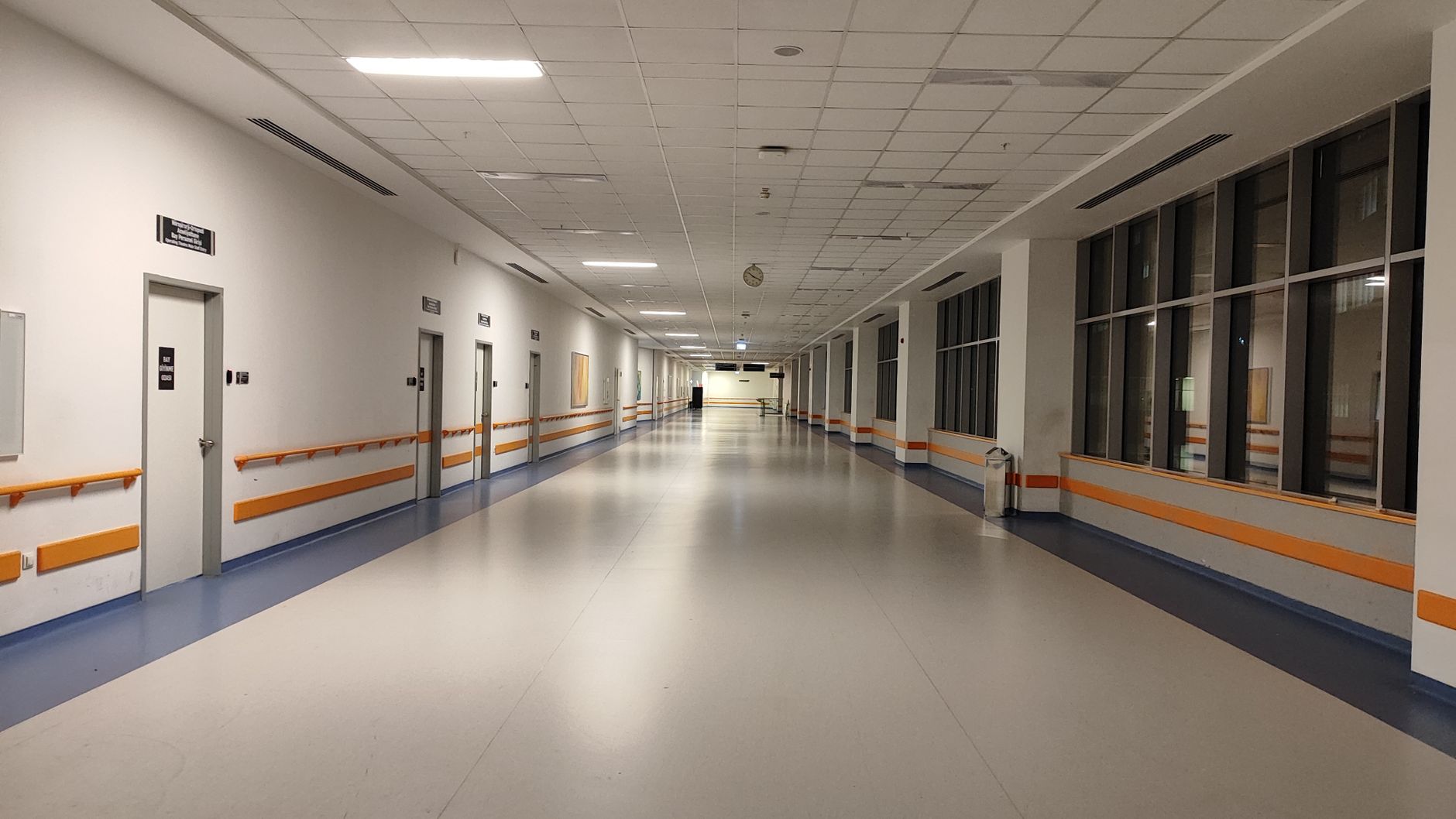
AMEOS said Wischbert handles selected routine tasks, mainly in the basement level and the entrance lobby. Those are exactly the spaces that collect grit, wheelchair traffic, and weather tracked in from parking lots, yet rarely get the glamour budget of an operating suite. The hospital noted that modern sensors help the unit detect obstacles, adjust routes, and repeat cleaning cycles without a human driver behind every pass.
Leadership was explicit that the robot complements the existing EVS team. Many cleaning tasks still need judgment, chemical handling, and close work around equipment. Wischbert is positioned to free time for those jobs, not to delete them. For a rural US hospital comparing vendors, that distinction is the difference between a pilot that staff accept and one that feels like headcount cuts announced through a machine.
Staff buy-in and public messaging

The naming contest is more than a cute detail. Community hospitals live on trust, and a robot rolling through the lobby can look threatening if communications are thin. Letting staff pick Wischbert gave EVS a voice in the story and gave marketing a friendly hook for patients and visitors. US rural facilities can copy the mechanics without copying the name: run an internal vote, share photos with shift leads first, and let EVS explain which tasks stay human-led.
Hospital director Lena Radtke, quoted in the AMEOS release, tied the robot to hygiene prerequisites for good care. That is a useful script for US administrators who need board approval. Lead with infection control and workload balance, not gadget novelty. When executives speak, they should name the zones automated today and the patient areas that remain on detailed human schedules.
Lessons US rural hospitals can apply
First, start with predictable geometry. Basement corridors and main lobbies have fewer clinical interruptions than med-surg wings. They also see constant soil load. Mapping those areas first lets a scrubber prove coverage logs before anyone debates OR adjacency.
Second, write a split workflow document before go-live. List tasks that stay with EVS no matter what: isolation room protocols, bloodborne pathogen response, restroom checks, and high-touch disinfection. List tasks the robot owns: wide hard-floor scrubbing on a timed route, dust mop pickup in lobby stone, and overnight passes when visitors are gone. Rural hospitals often run lean night crews; a documented split keeps overtime from simply shifting rather than shrinking.
Third, plan financing like any other capital clinical support tool. AMEOS did not publish purchase terms, and US readers should not guess German contract shapes. Service Robot Co. helps US facilities buy outright or lease through financing after a site assessment, with RoboCare service on the back end. The integrator role is to match scrubber size to doorway widths, elevator thresholds, and charging space without locking a small hospital into a single OEM story.
- Map basement and lobby routes before inpatient wings.
- Publish which EVS tasks stay manual on day one.
- Run staff naming or ambassador roles so EVS owns the narrative.
- Log coverage and slip incidents for 90 days before adding zones.
- Keep vendor-neutral shortlists so financing and service stay on one contract.
When to scale beyond one scrubber
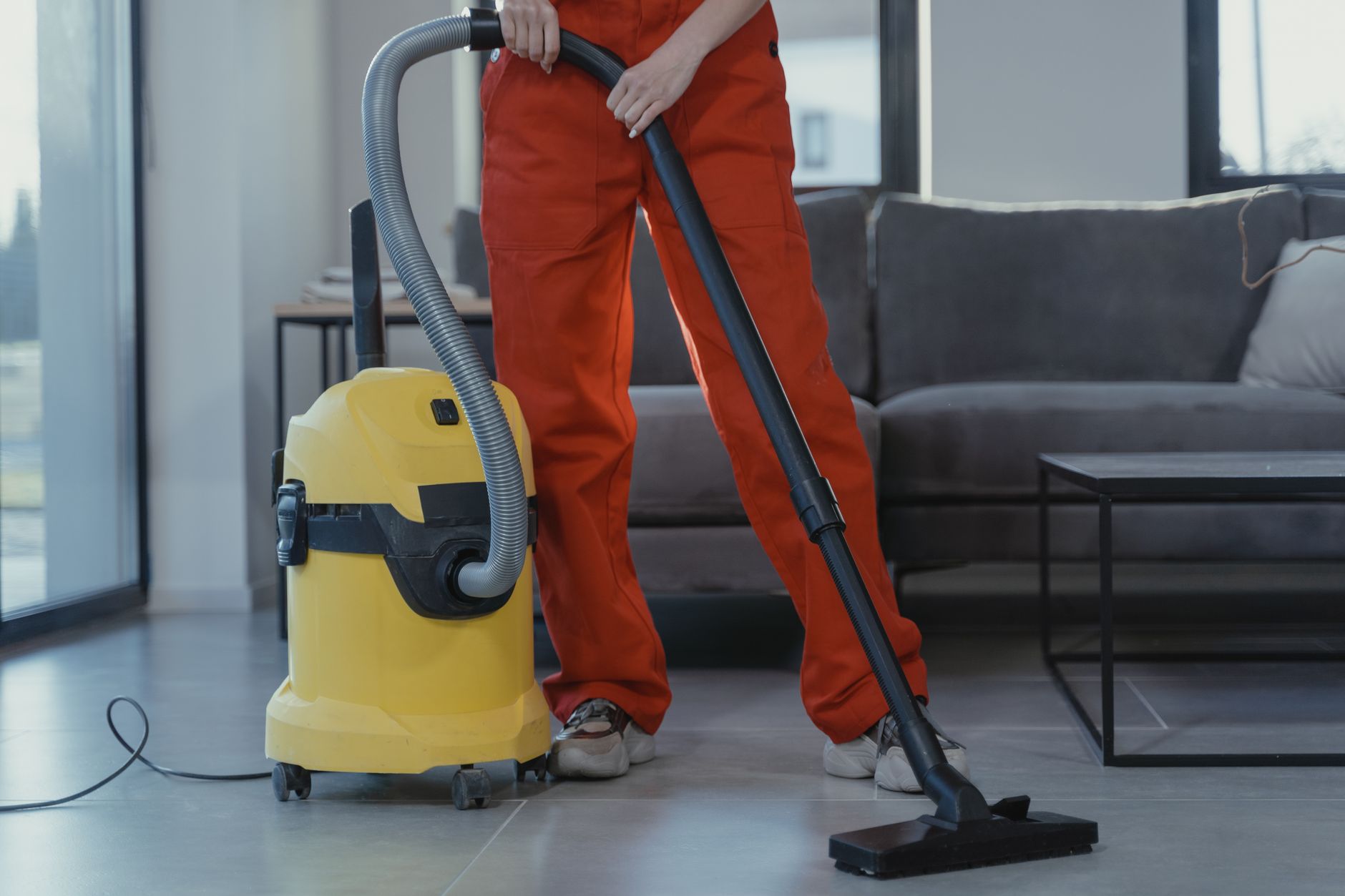
AMEOS rolled out one named unit to prove the workflow. That is the right scale for a rural US site evaluating autonomy for the first time. Scaling should follow data: repeatability of routes, consumable use, noise complaints, and whether day staff still finish detail work on schedule. If lobby glass and elevator thresholds still need daily human attention, a second robot on another campus wing rarely fixes the bottleneck.
International examples are instructive, not prescriptive. German staffing rules, union structures, and building layouts differ from a 25-bed critical access hospital in Kansas or a county facility in Georgia. The transferable idea is disciplined zone choice plus honest messaging. The non-transferable idea is any assumption that because Eutin succeeded, your med-surg floor is ready on month two.
If leadership wants a US comparison point, several American community hospitals publicized scrubber pilots in 2026 with similar EVS framing. The pattern is consistent: automate wide hard floors, keep humans on detail work, and measure patient experience separately from square feet per hour bragging rights.
Frequently asked questions
Sources
Service Robot Co. is not affiliated with, sponsored by, or endorsed by the companies mentioned in this article.