Key takeaways
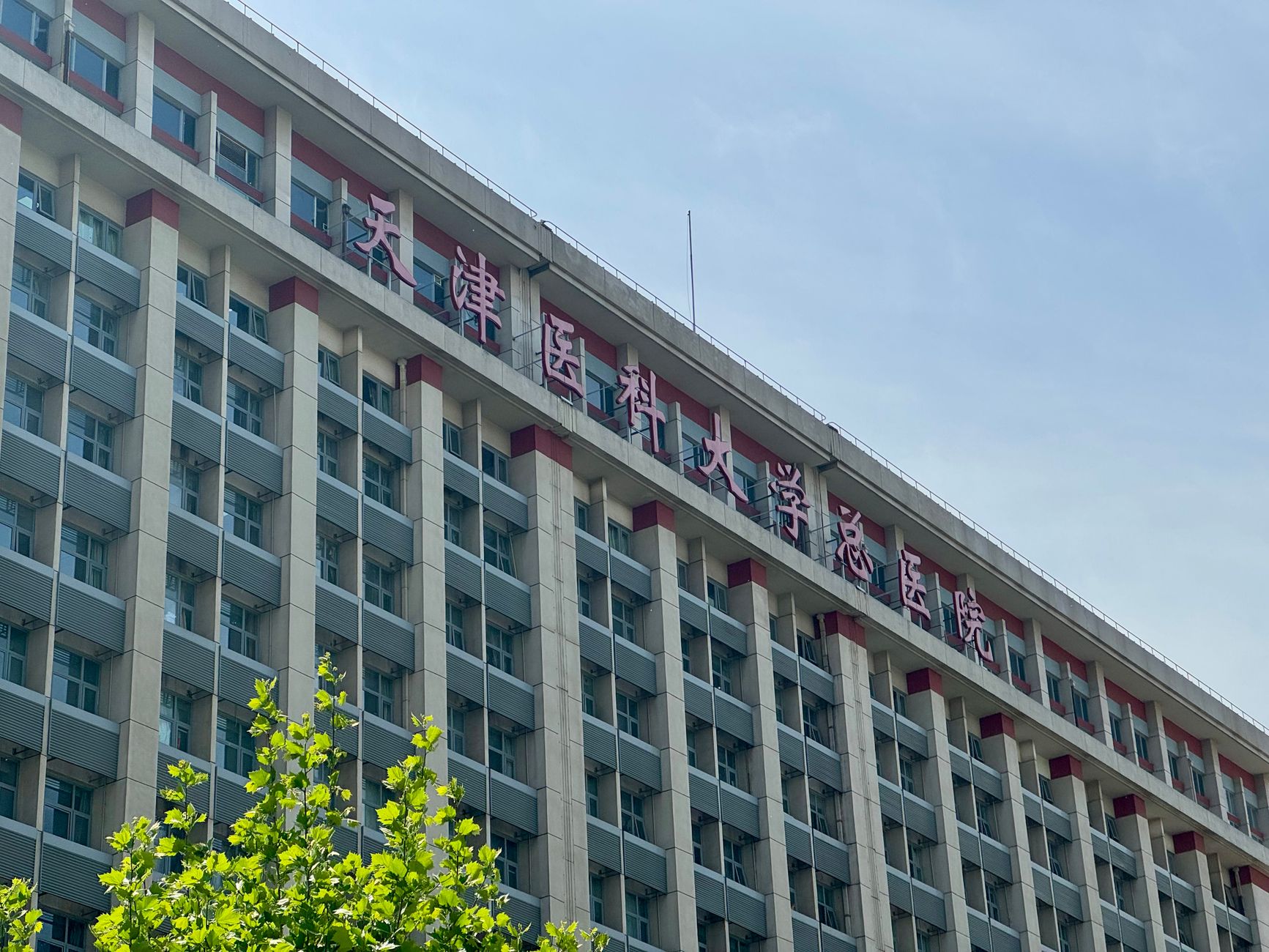
- Hancock Health is extending autonomous specimen transport from its hospital into the Parkway outpatient facility on the same Greenfield campus.
- The real lesson is operational, not cosmetic. Continuous specimen flow can matter more than owning a single robot.
- Autonomous transport starts to make sense when outpatient draws pile up, lab demand is steady, and staff still move specimens in manual batches.
- A multi-building hospital campus gets more value when dispatch, chain of custody, doors, elevators, and lab handoff work as one workflow.
- Community hospitals should evaluate route frequency, turnaround goals, and service support before choosing lease rental or sale.
The short answer: when does autonomous specimen transport make sense?
Hancock Health's expansion is a useful signal because it points to the moment automation becomes operationally sensible on a community hospital campus. It is not when a hospital wants a robot for show. It is when outpatient specimens need to move between buildings often enough that manual batch runs start stretching turnaround time, adding congestion inside the lab, and pulling staff into repetitive courier work.
In a May 28, 2026 announcement, Hancock Health said it is extending autonomous logistics from Hancock Regional Hospital to the Parkway outpatient facility in Greenfield, Indiana. The stated goal is simple and important: move lab specimens throughout the day instead of waiting for manual batch transport. That is the practical threshold many community hospitals should watch. When the route is recurring, time sensitive, and spread across buildings, a networked workflow can beat the old runner model.
The point is not the robot by itself. The point is the route, the handoff, the timing, and the visibility around each specimen. If those pieces are weak, a robot becomes a gadget. If those pieces are designed well, autonomous mobile robot rental or a permanent deployment can become a dependable part of daily lab operations.
What exactly is Hancock Health expanding?
The verified facts matter here. Hancock Health's hospital is Hancock Regional Hospital at 801 N. State St. in Greenfield, and Parkway Medical Center sits on the southeastern portion of the same campus at 300 E. Boyd Ave., according to Hancock Health. Hancock Labs at Parkway is listed at that Boyd Avenue address and keeps weekday hours of 8 a.m. to 5 p.m.
According to the May 28, 2026 announcement, Hancock Health is extending autonomous specimen movement from its existing in-hospital deployment to Parkway, which it described as the system's primary outpatient draw center. The announcement also said the health system is evaluating two transport routes and expects the expansion to improve outpatient lab turnaround by shifting from manual batch movement to continuous flow across the day.
That is a meaningful use case because it connects two real clinical nodes on a community hospital campus: a draw site where specimens originate and a hospital laboratory where value is created only after the sample arrives, is accessioned, and enters the testing queue. Automation matters in that gap.
Why does the outpatient-to-lab route matter so much?
Specimen transport looks mundane until it starts governing the whole testing clock. A blood draw can be perfect, but if the sample waits in a bin for the next runner, the lab's published analytical speed does not help the patient or the clinician. The route becomes the bottleneck.
This matters even more now because outpatient activity is rising. The American Hospital Association said outpatient visits rose 9.8 percent year over year in 2025, reflecting both higher demand and the continued shift toward ambulatory care. More volume outside the main hospital means more value in tightening the handoff between outpatient collection and central lab processing.
Community hospitals feel this acutely because they often run lean teams across fewer buildings than large academic systems, yet still manage a surprisingly mixed campus geography. One outpatient building, one imaging center, one specialty clinic, one hospital core lab, and suddenly a few short walks become a constant transport job. That is exactly the sort of repetitive transport automation that can justify a hospital delivery robot rental or a longer-term deployment.
What changes when specimens move continuously instead of in batches?

Continuous movement does not just save footsteps. It changes queue behavior. Instead of a series of peaks and troughs created by runner schedules, specimens arrive in a steadier stream. That can smooth accessioning, reduce mini surges at the bench, and make turnaround more predictable for outpatient orders.
There is also a clinical logic behind faster transport. A review in the clinical laboratory literature found transportation time was a major factor in lab turnaround time and could be reduced by faster transport systems. In one cited emergency department study, mean hemoglobin turnaround fell to 33 minutes from 43 minutes, and mean potassium turnaround fell to 64 minutes from 72 minutes, when pneumatic transport replaced human courier movement.
No one should pretend a campus robot and a pneumatic tube are identical. They are not. But the operational principle carries over cleanly. When transport latency shrinks, the whole lab pathway tightens. The win is biggest when the hospital already has enough testing demand that every delayed handoff multiplies downstream delay.
What are the real signs a community hospital campus is ready?
Hancock Health's example suggests a practical readiness checklist. The route is not hypothetical. It already exists, it repeats daily, and it links an outpatient draw site to a central hospital lab. That is far different from forcing automation into a low-frequency errand.
The campus is also multi-building, which matters. Inside one building, staff may absorb specimen movement with less friction. Across buildings, even short distances introduce doors, weather exposure, staffing variation, custody risk, and more missed handoffs. Automation starts making sense when those cross-building frictions recur enough to become a measurable operating problem.
The strongest signals usually look like this:
- Specimens leave the outpatient site in manual batches instead of near real time.
- Lab staff see arrival surges that create congestion at accessioning or receiving.
- Clinical teams care about faster outpatient turnaround the same day, not next day.
- Existing staff are covering transport as a side duty instead of a designed role.
- The route runs often enough that a service window, dispatch logic, and exception handling can be standardized.
- The hospital wants chain-of-custody visibility instead of informal handoffs and phone calls.
Why the workflow matters more than the robot unit
This is the most important lesson in the story. A hospital does not buy value by buying one machine. It gets value by designing a route that survives daily reality: specimen pickup timing, secure loading, traffic rules, badge access, elevator calls, arrival confirmation, exception handling, and lab receipt. Miss any one of those and the transport loop becomes fragile.
That is why the May 28 announcement is more interesting than a generic deployment headline. It described not just another robot on another floor, but an expanding logistics network. That phrasing matters because networked automation creates compounding value. One route proves the handoff model. Two routes start to justify fleet logic, traffic rules, support procedures, and common data. Beyond that, additional buildings become easier to add.
For hospitals evaluating robot as a service, robot leasing for business, or a hospital delivery robot rental, the buying question should be blunt. Are we purchasing a unit, or are we building a reliable logistics workflow? The second question leads to better outcomes.

Where Service Robot Co. fits in this kind of project
A community hospital usually does not need another vendor relationship to babysit. It needs one accountable partner that can assess the route, choose the right hardware, connect the software layer, train staff, and keep the route running. That is the case for a vendor neutral robot integrator rather than a one-brand sales motion.
Service Robot Co. is built for that full-lifecycle role. We are an OEM-neutral commercial robot integrator for U.S. businesses, which means we pick the right robots across manufacturers, then finance, deploy, integrate, train, and service every unit through a nationwide engineer network. For healthcare teams comparing lease rental or sale, hospital delivery robot rental, or broader turnkey robot deployment, the practical value is one partner, one number, and support that extends past go-live.
That matters even more on clinical routes because uptime, exception recovery, and chain-of-custody discipline matter more than brochure features. A hospital campus does not need a flashy demo. It needs a route that works on a normal Tuesday at 10:17 a.m. and again at 4:43 p.m.
What this likely signals for other community hospitals
According to the American Hospital Association, 84 percent of U.S. hospitals are community hospitals, totaling 5,121 in fiscal year 2024. That is why this story travels. Most hospitals in the country are not giant academic medical centers with endless internal transport capacity. They are community institutions trying to make outpatient growth, labor pressure, and patient expectations fit inside finite buildings and finite staffing.
Hancock Health's move suggests the next wave of adoption will not be driven only by giant campuses. It will come from regional and community hospitals that can define a narrow, high-frequency route with a clear service target. Outpatient draw to core lab is one of the cleanest examples because the payload is standardized, the handoff is frequent, and the turnaround clock matters.
Expect the strongest programs to start with a route where missed minutes accumulate all day, not with a route chosen for novelty. If the hospital can measure specimen counts, current pickup cadence, staff time spent walking, and how often the lab receives avoidable surges, it can make a disciplined decision. That is the point at which a commercial robot demo, pilot, or robot rental monthly program becomes worth serious consideration.
Frequently asked questions
Sources
- Hancock Health expansion announcement, May 28 2026
- Hancock Regional Hospital location
- Parkway Medical Center location
- Hancock Labs at Parkway hours and address
- AHA Fast Facts on U.S. Hospitals 2026
- AHA Costs of Caring report
- PubMed study on pneumatic transport and turnaround time
- Laboratory Turnaround Time review
Service Robot Co. is not affiliated with, sponsored by, or endorsed by the companies mentioned in this article.