Key takeaways
- HomeBase's July 30, 2026 announcement matters because it tied automation to hard store metrics, not theater.
- For rural retail, the strongest use case is better shelf accuracy in stores where a missed item can send a customer many miles elsewhere.
- The real playbook is operating discipline: daily tasking, store leadership buy-in, and fast follow-through on exceptions.
- Lower-volume stores can still justify automation when it cuts repeat manual aisle walks, audit time, and pricing mistakes.
- A neutral integrator matters when a chain wants one partner to finance, deploy, train, service, and support every site.
What did HomeBase's July 2026 rollout actually prove?
It proved that a regional home-improvement chain outside the biggest metro markets can make store robotics pay for itself through plain retail blocking and tackling. In its July 30, 2026 announcement, HomeBase USA said it expanded an autonomous shelf-scanning program across every location in less than three months after a pilot reduced pricing errors by 92 percent and controllable out-of-stocks by 58 percent, according to PR Newswire distribution carried by Morningstar.
For smaller regional retailers, that is the signal worth paying attention to. This was not framed as a flagship-store experiment or a splashy urban innovation story. It was an operations story about price integrity, on-shelf availability, faster physical inventory, and getting store teams out of repetitive aisle checks and back into customer-facing work.
A related case study from the technology provider says total out-of-stocks fell below 1 percent and annual physical inventories dropped from three days to less than one. That combination is what rural operators should focus on. Better shelf truth, fewer wasted labor hours, and tighter execution are easier to defend in a budget meeting than novelty.
Why does this hit differently in rural and small-town retail?
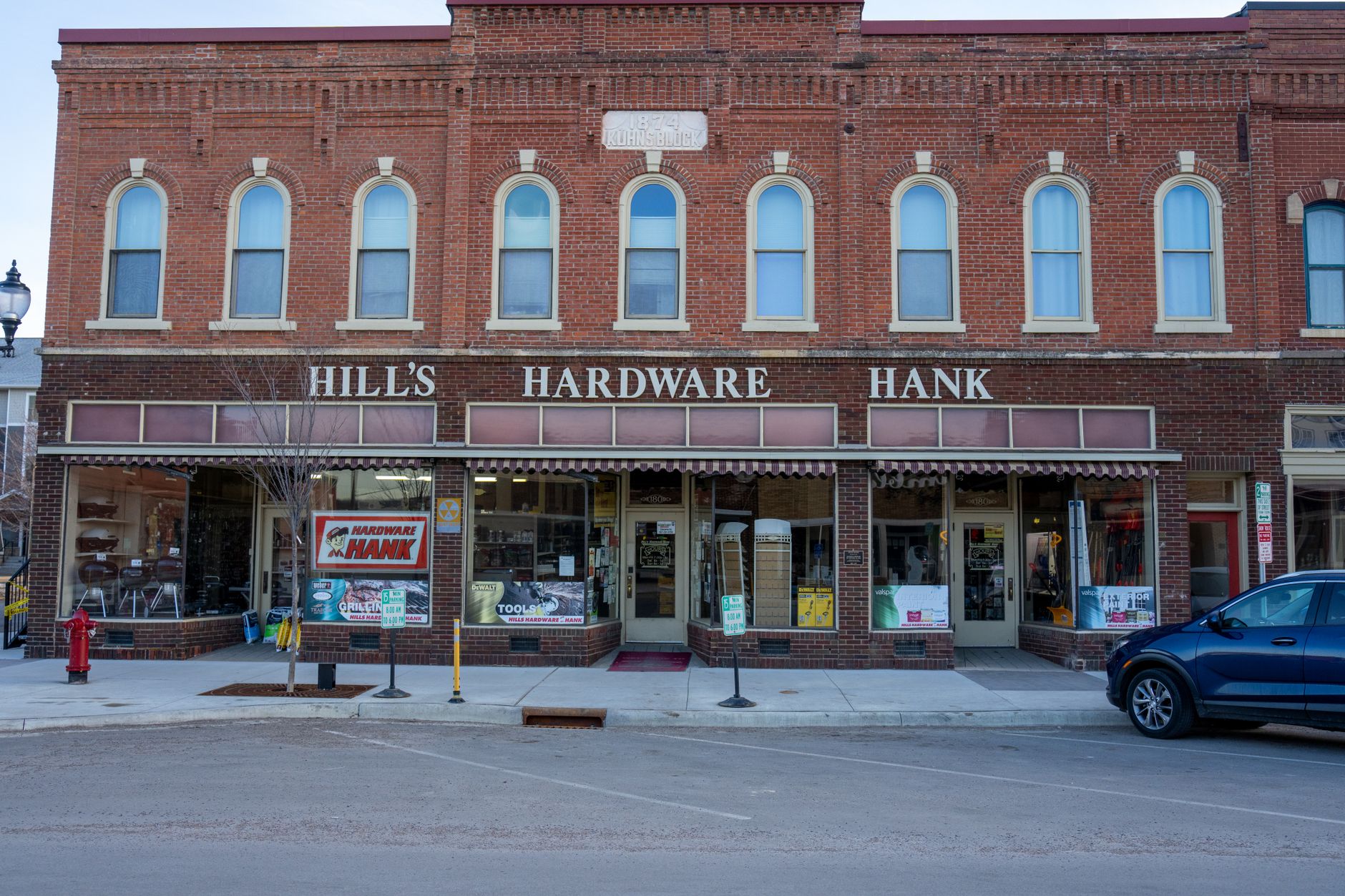
In rural retail, a stock miss carries a different penalty. If a fastener, plumbing part, feed item, or seasonal repair product is missing from the shelf, the customer may not have another store ten minutes away. The July 30 announcement itself made that point, noting that the chain serves rural communities and small towns where the nearest alternative can be far away.
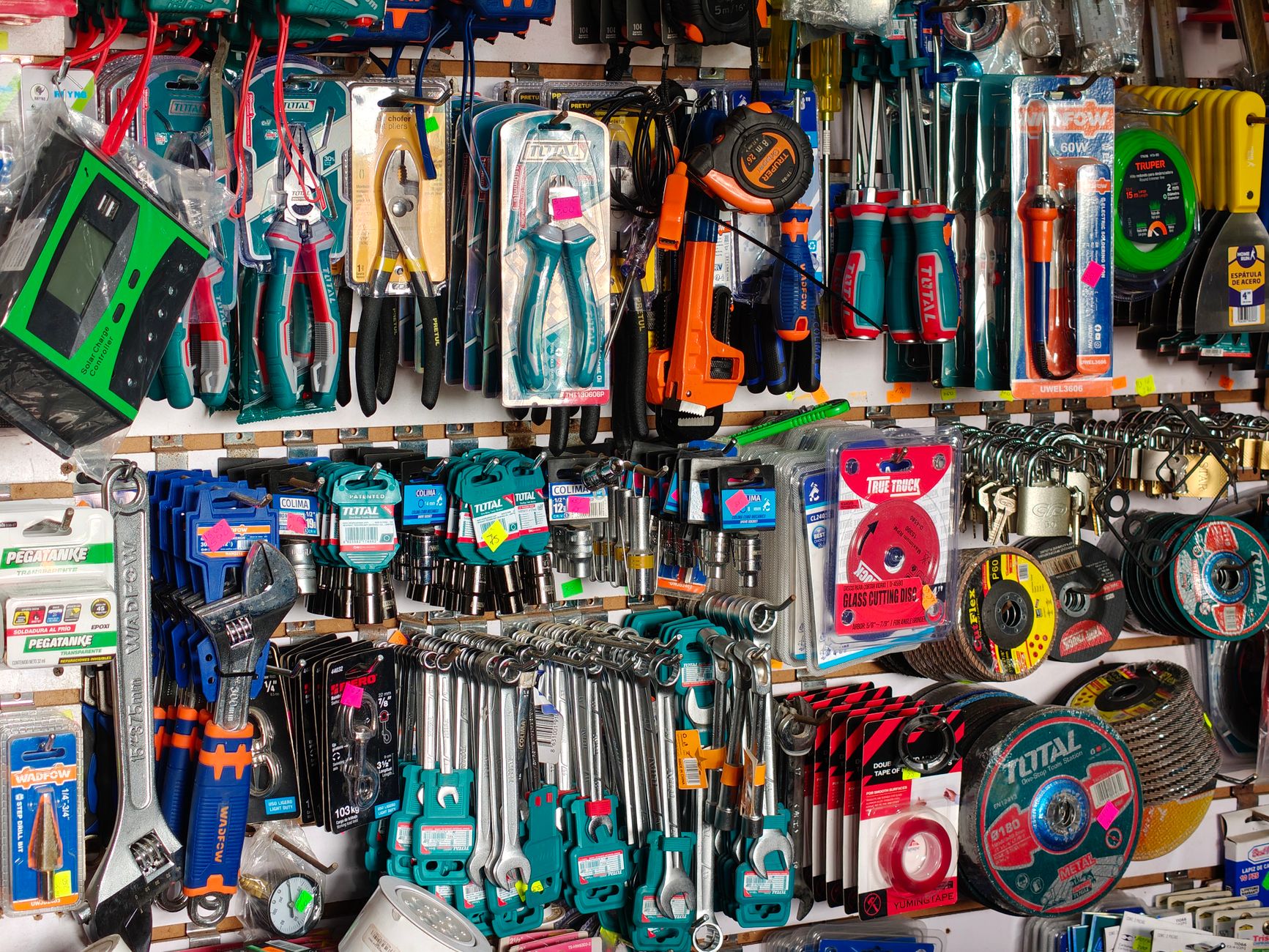
That changes the economics of store execution. In a dense suburban market, a bad shelf can lose a basket. In a rural market, it can lose a customer for the season. Home improvement and farm-and-ranch assortments also magnify the problem because they combine bulky goods, hardlines, seasonal products, and long-tail SKUs that are easy to misplace or misprice.
The broader retail backdrop makes accuracy more urgent, not less. The U.S. Census Bureau said advance U.S. retail and food services sales reached 768.6 billion dollars in June 2026, up 6.7 percent from June 2025. Growth is healthy, but a growing top line does not excuse sloppy execution. It makes every preventable pricing error and every avoidable stockout more expensive.
Which metrics actually matter in a lower-volume store?
The headline numbers from HomeBase are strong because they point to three metrics that matter even in a modest-volume box. First is pricing accuracy. According to the announcement, pricing errors fell 92 percent. That matters because incorrect shelf labels create margin leakage, customer friction at the register, and extra recovery work for already thin teams.
Second is controllable out-of-stocks. HomeBase said those fell 58 percent. That is a more useful measure than total out-of-stocks because it isolates the issues a store can fix: misplaced product, phantom inventory, unworked replenishment, and shelf gaps that sit there until someone notices.
Third is audit time. The provider case study says annual physical inventories dropped from three days to less than one day. For a regional chain, that is not just a bookkeeping win. It means less disruption, fewer overtime spikes, and a shorter period of degraded selling conditions during count preparation and recounts.
Retailers should add one more internal metric that never makes the press release. How many associate hours per week are spent hunting for problems instead of resolving them? If automation changes that ratio, the case gets stronger fast.
What can smaller chains learn from the rollout speed?

The under-three-month rollout is impressive, but speed was not the main lesson. The main lesson was adoption design. HomeBase appears to have treated shelf intelligence as an operating routine rather than as a gadget. The provider's published case study says leadership set expectations across stores, tracked performance, and moved teams onto mobile workflows instead of letting the program sit beside old paper habits.
That matters because many retail pilots fail in the handoff between data and action. A robot can find an error. It cannot make a store care about the exception queue at 7:45 a.m. If district leaders do not review the work, if store managers do not assign it, and if associates do not trust the outputs, the machine becomes another report generator.
For regional chains, the better model is simple. Start with a small pilot, define daily response rules, decide who owns each exception type, and move quickly if the metrics are real. Do not spend nine months admiring a pilot that already answered the question.
Where is the payback likely to come from in rural home improvement?
The payback is unlikely to come from labor elimination alone. In smaller and harder-to-staff markets, the bigger value usually comes from labor redeployment and revenue protection. Associates stop walking aisles just to discover problems and start their day with a prioritized list of corrections. That tends to sharpen price integrity, refill discipline, and merchandising follow-through all at once.
There is also a hidden service benefit. In a home-improvement store, shoppers often need help matching fittings, selecting materials, or solving a repair problem. Every hour pulled back from manual auditing is an hour that can be spent on the floor with a customer who actually needs expertise. That is especially important in rural markets where knowledgeable service is part of the brand promise.
According to Coresight Research's State of In-Store Retailing 2026, in-store inefficiencies now cost U.S. retailers 6.4 percent of gross sales annually, or 196.4 billion dollars across key sectors. Those losses are not all fixable with automation, but the report's point is clear: shelf-level truth is still missing in too many stores, and downstream systems cannot compensate for bad store data.
What should a retailer check before trying this in a rural fleet?
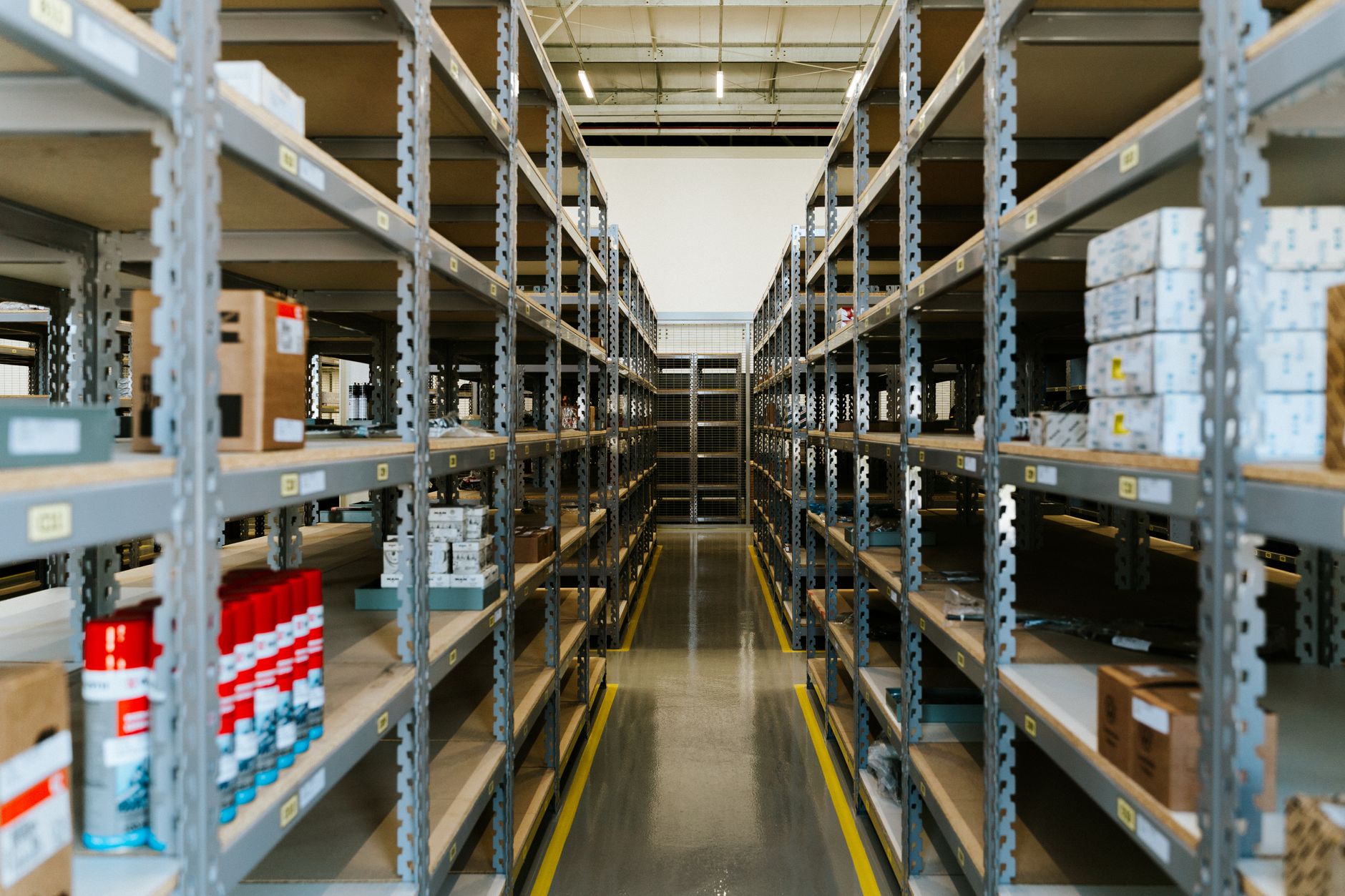
Start with store conditions, not vendor demos. The key questions are operational. Are planograms reasonably current. Are aisle widths and product displays stable enough for repeat scanning. Are shelf labels maintained well enough for exception detection to be useful. Is backroom inventory discipline good enough that shelf findings can be resolved the same day.
Then check chain readiness. A regional rollout needs a single owner for field adoption, a clear weekly scorecard, and a service plan that fits far-flung locations. Rural stores punish weak support models because an issue that lingers in one remote box can sour store leadership on the whole program.
This is where Service Robot Co. fits naturally. For operators that do not want to stitch together financing, deployment, systems integration, training, and field service from several parties, Service Robot Co. acts as an OEM-neutral commercial robot integrator for U.S. businesses. That means one vendor for the full lifecycle, from robot selection and monthly payment programs through go-live support and nationwide service coverage.
That model matters more in rural fleets than in dense urban clusters. The machine is only half the buy. The support architecture is the other half.
How should smaller retailers think about next steps?
The practical takeaway is not that every regional retailer should rush to copy HomeBase. It is that rural stores no longer need to treat robotics as something built only for the biggest chains in the biggest cities. A chainwide rollout in this kind of footprint suggests the category has moved past novelty and into disciplined store operations.
For retailers considering a pilot, the bar should be high and specific. Measure pricing corrections, controllable out-of-stocks, audit duration, associate hours redirected, and store-manager adoption by week. If the program cannot move those numbers, it is not ready. If it can, lower-volume stores should not be dismissed automatically.
The strongest operators will treat this as an execution tool, not a branding exercise. Rural retail has little patience for theater. It will, however, make room for systems that keep shelves right, prices right, and store teams focused on the work customers can actually feel.
Frequently asked questions
Sources
- Morningstar PR Newswire carry of July 30, 2026 HomeBase announcement
- Provider case study on HomeBase results
- Hardware Retailing coverage of the July 30 rollout
- U.S. Census Bureau June 2026 retail sales report
- Coresight Research summary page for State of In-Store Retailing 2026
- HomeBase store listing showing regional footprint
Service Robot Co. is not affiliated with, sponsored by, or endorsed by the companies mentioned in this article.