Key takeaways
- JC Golf put Kress autonomous mowers on six Southern California courses in 2025 and plans a broader 2026 rough rollout before fairways.
- Public case studies show rough automation redirecting crew hours to bunkers, approaches, and presentation work rather than eliminating jobs.
- Multi-course operators gain consistency when schedules adapt to weather, but each property still needs its own map and charging plan.
- Superintendents should verify stay-out zones, night windows, and who owns daily restarts before signing a fleet plan.
- An OEM-neutral integrator can finance, map, train, and service units so agronomy staff stay focused on turf quality.
Why are superintendents watching JC Golf's autonomous rough program?
JC Golf's 2026 rough mower rollout matters because it is one of the clearest US examples of a multi-course operator scaling autonomous mowing after real pilots, not a one-off demo. According to JC Golf's October 2025 announcement, Kress autonomous mowers were running at six managed courses in Southern California, and corporate maintenance leadership said 2026 would bring more units while staying focused on rough before fairways.
That sequence is what peers want to copy or avoid. Rough eats hours. It also sits farther from greens complexes, which makes it a safer first automation zone. Superintendents reading the news are really asking if a portfolio rollout changes staffing math, turf quality, or member perception.
The honest answer from public reporting is mixed in a useful way. Automation handled repetitive loops. Crews still owned presentation work. Expansion plans stayed conservative about which zones move next.
Which courses joined the 2025 pilot fleet?
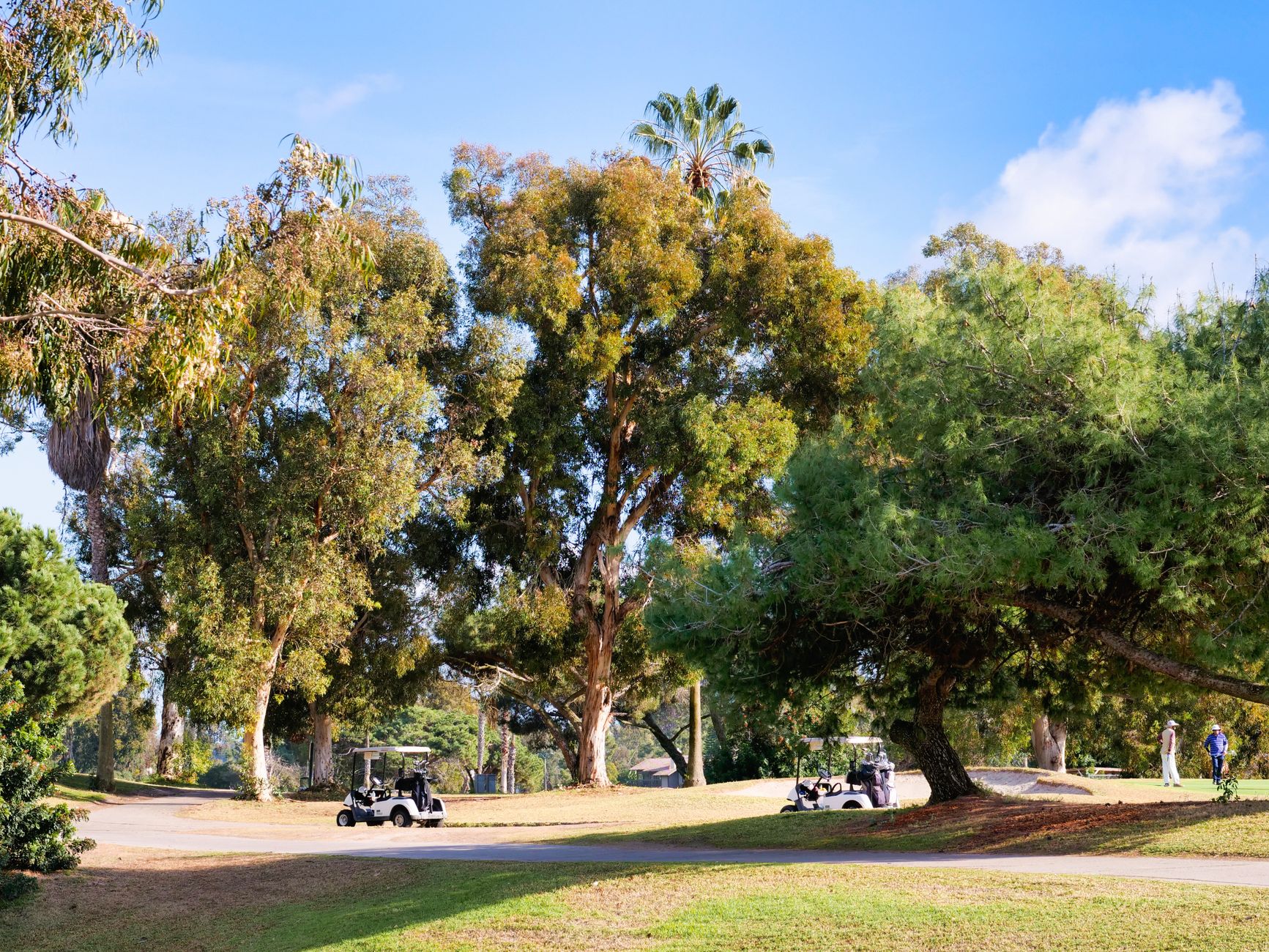
JC Golf listed Encinitas Ranch Golf Course, The Crossings at Carlsbad, Oaks North Golf Course, Rancho Bernardo Inn Golf Course, Twin Oaks Golf Course, and Los Serranos Golf Club as early Kress deployments. The operator described daily schedules that shift with course size, weather, and turf conditions rather than a single static timer.
Chris Hayman, superintendent at The Crossings at Carlsbad, told JC Golf that more frequent cutting with less compaction improved turf health and helped the plant resist disease while outcompeting weeds. That agronomic framing is what members feel even when they never see the hardware.
Corporate Director of Golf Maintenance Jon Christenson said the operator would keep dedicating units to rough in the near term and expand into other zones only after learning the best fit at each property. Portfolio scale did not erase local agronomy judgment.
What work stayed with the crew?
Autonomous rough mowing does not replace bunker edging, approach cleanup, hand mowing around collars, or disease scouting. JC Golf's public messaging emphasized course presentation, turf health, and long-term improvements once routine loops moved off the calendar.
Philadelphia Cricket Club offers a parallel US data point. The Philadelphia Inquirer reported in May 2025 that more than thirty autonomous units handled about eighty-five percent of rough mowing on two courses while staff shifted time to divot filling, green roll work, and bunker sand cleanup.
Black Desert Resort in Utah showed fairway automation at tour level when Golf Course Industry documented four FireFly AMP units mowing bentgrass fairways overnight before the 2024 PGA Tour event. Even there, superintendent Ken Yates said crews spent tournament week on bunkers and detail instead of fairway seats.
The pattern is consistent. Robots take seat time on wide panels. Humans keep the shots golfers photograph.

Did anyone cut headcount?
Public sources do not describe JC Golf eliminating agronomy jobs after the Kress rollout. Philadelphia Cricket Club's director of fields and facilities, Daniel Meersman, told the Inquirer that autonomous mowers had not led to staff reductions and instead freed workers for tasks that often slipped when mowing windows were tight.
That matters for union shops, seasonal hiring plans, and member boards nervous about bare fairways. Automation buys calendar space. It does not automatically delete positions unless leadership chooses that path.
Superintendents should still model labor plans honestly. Night rough loops may reduce overtime on ride-ons without changing FTE counts. Document the tasks you will add before you promise savings to ownership.
Why start with rough instead of fairways?
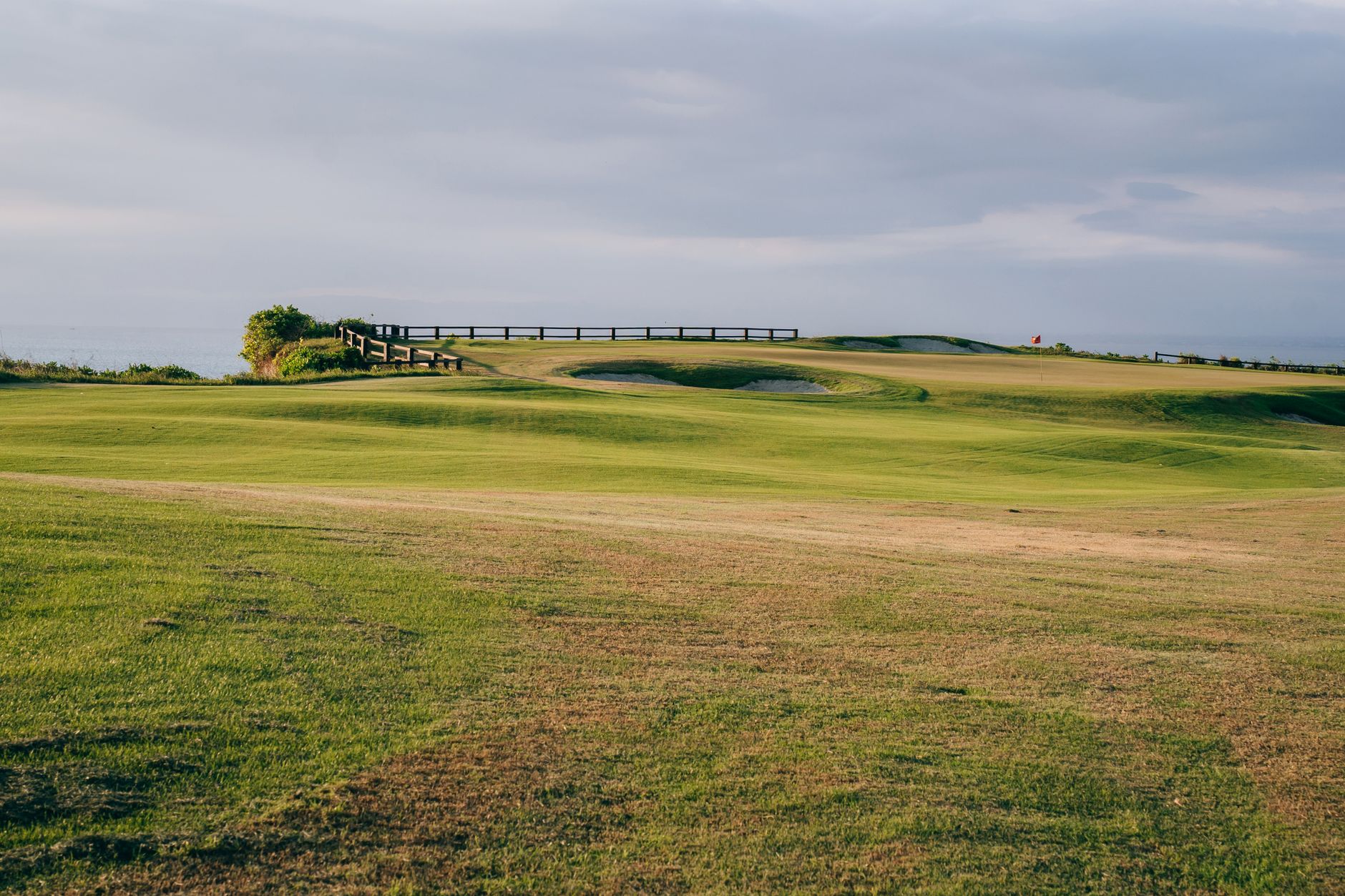
Rough panels are wider, more forgiving on height of cut variance, and farther from play corridors than fairways or greens. JC Golf's stated 2026 plan keeps rough as the learning zone before fairway expansion.
Night scheduling is part of the appeal. Meersman told the Inquirer that electric autonomous units run quietly enough to mow while play continues nearby, which rough areas tolerate better than tight fairway corridors during peak tee sheets.
Mapping also takes time. Stay-out zones around wetlands, native areas, irrigation heads, and practice ranges must be walked with the superintendent. Rough-first rollouts let crews learn restarts, blade wear, and weather pauses without risking putting surfaces.
What should you ask before mapping your own rough?
Ask who owns the daily restart checklist when a unit stops after rain or a debris hit. Ask where chargers sit relative to cart paths and member sight lines. Ask how software logs passes so you can prove coverage after a complaint.
Ask how financing or purchase affects your capital plan compared with replacing another fairway unit. Ask which manufacturer training your mechanics receive and who responds when error codes spike during a Saturday shotgun.
Ask how expansion would work if only nine holes fit the first phase. Multi-course groups like JC Golf can shift lessons between properties, but single-track public courses still need a phased map that members can see on the ground.
- Document stay-out buffers around greens, tees, bunkers, and native habitat before the first route goes live
- Define rain, lightning, and frost protocols that supersede the nightly schedule
- Assign one staff owner for blade checks, debris clearing, and firmware notices
- Plan charging power and winter storage before units arrive on turf
How does an integrator fit a golf rollout?
Service Robot Co. walks the property, maps fairways and rough, marks exclusion zones, aligns mowing windows with tee sheets, trains the staff watcher, and services units through RoboCare. We are OEM-neutral, so the question is fit for your slopes, grass program, and power layout, not a single badge on the hood.
Greens, tees, bunkers, and trim stay with your crew. Our focus is autonomous lawn mowing robots that cover fairway and rough loops you approve, financed through purchase or lease programs after a free site assessment.
If you are comparing JC Golf's public playbook to your own course, bring your maintenance calendar, ride-on hours by zone, and storm delay history to that walk. Peer rollouts set expectations. Your map still has to match local terrain.
What other US courses prove the model?
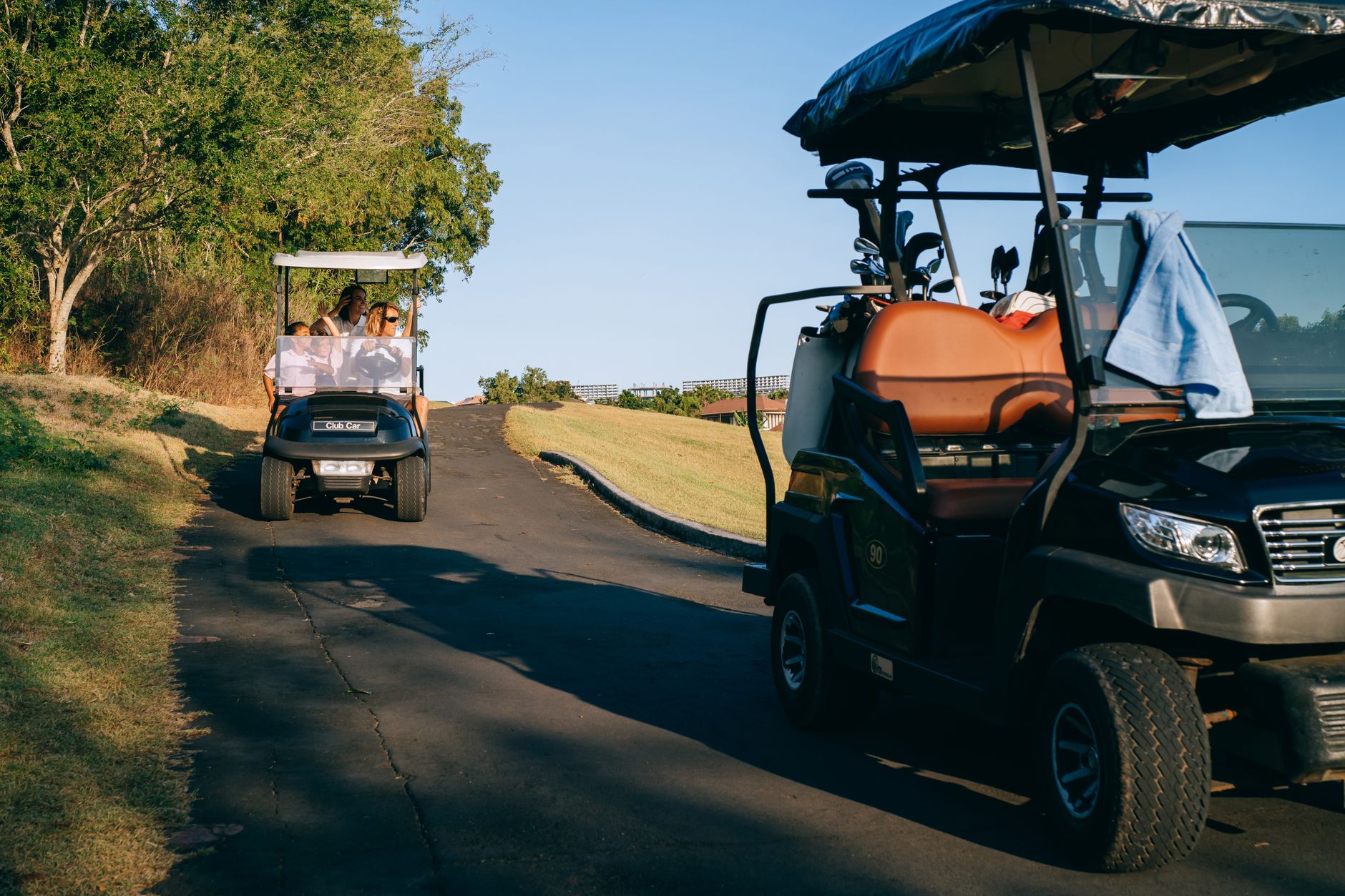
Philadelphia Cricket Club's large rough fleet and Black Desert's tour fairway trial show different depths of automation, but both kept skilled staff on detail. Port Hope Golf and Country Club in Ontario publicly described a thirty-nine acre autonomous fleet across fairway and rough zones after a spring 2025 install, redirecting roughly thirty mowing hours per week to other course work.
Thonock Park in the United Kingdom reported five Toro Turf Pro autonomous mowers on eighteen of thirty-six holes with overnight scheduling set through a mobile app, again emphasizing freed time for specialist tasks.
None of these stories replace your soil test or shade pattern. They do show that 2025 and 2026 headlines are about scaling loops superintendents already run, not replacing the craft of course presentation.
Frequently asked questions
Sources
Service Robot Co. is not affiliated with, sponsored by, or endorsed by the companies mentioned in this article.