
Key takeaways
- Lahey's March 5, 2026 announcement matters because it ties robotic patient handling to a live U.S. hospital workflow, not a trade-show demo.
- The strongest near-term use case is lateral transfers tied to imaging, procedural, perioperative, and high-acuity inpatient moves.
- This category is less about replacing nurses and more about reducing lift strain, standardizing transfers, and keeping patient flow moving.
- Hospitals should judge these systems like an operations asset: utilization, staffing effect, transfer frequency, room fit, uptime, and training burden.
- Large acute-care hospitals with heavy transfer volume should watch first. Smaller facilities should monitor the category, not rush into it.
Is robotic patient transfer becoming a real hospital category?
Yes, but only in a narrow and operationally serious sense. On March 5, 2026, Lahey Hospital & Medical Center announced that it had become the first hospital in the United States to implement a robotic patient-handling system for lateral transfers. That matters because it moves the conversation out of pilot-theater territory and into an actual acute-care workflow inside a major U.S. hospital.
It does not mean every hospital should now shop for one. It means hospital leaders should stop treating robotic transfer as a novelty and start evaluating it as a category with a specific job: reducing the labor, injury exposure, and variability tied to moving patients between beds, stretchers, imaging tables, and procedural surfaces.
The buying question is no longer, Can this be built? It is narrower and more useful. In which hospitals does robotic transfer beat current practice strongly enough to justify integration, training, service coverage, and operational change? That is the frame Lahey's deployment puts on the table.
Why this headline is bigger than one hospital press release
Lahey is not a tiny proof site. According to its March 5 announcement, the hospital is a 400-bed Level I Trauma Center, and the system is being applied to acute-care transfers that often create physical strain for frontline teams. That is exactly the kind of environment where a new device either earns its keep quickly or gets sidelined.
The broader hospital market is also large enough for a new operations category to matter. American Hospital Association data for 2026 lists 6,100 U.S. hospitals, including 5,121 community hospitals and 907,216 staffed beds. A category does not need universal fit to become material. It needs a sharp use case in enough high-volume settings.
The signal here is not that hospitals suddenly want robots for the sake of optics. It is that one of the most physically repetitive and injury-prone bedside tasks has now crossed into deployable automation inside a U.S. care environment.
What workflow does a patient-transfer robot actually change?
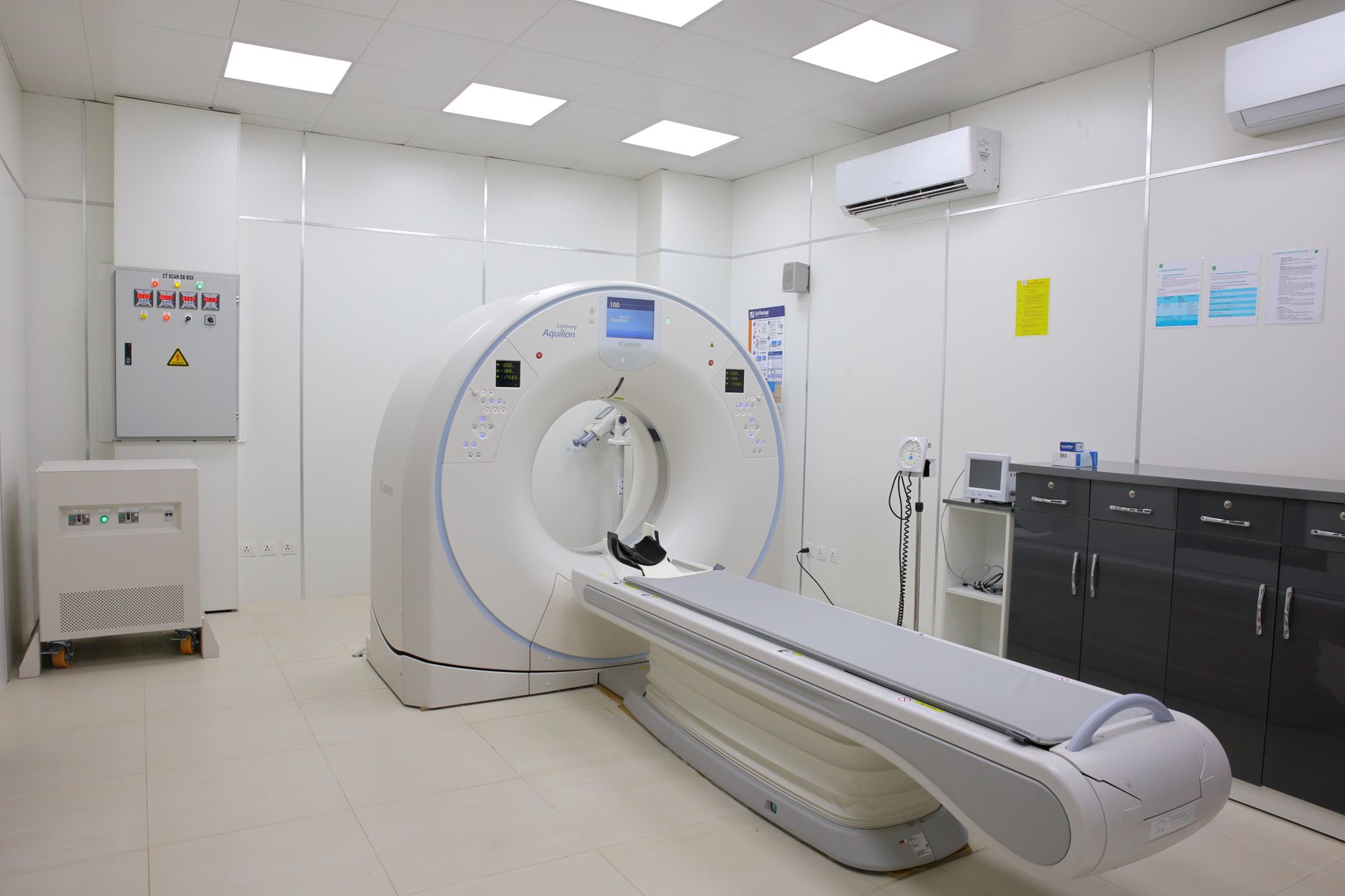
This is not a hospital delivery robot, a virtual nurse, or a scheduling tool with wheels. A robotic patient-transfer system changes one part of the physical care chain: the moment a patient must be moved laterally from one surface to another. Think bed to stretcher, stretcher to imaging table, imaging table back to bed, or bed to procedure table.
That sounds narrow until you map where delays and strain concentrate. Imaging suites, perioperative areas, emergency departments, intensive care units, and higher-acuity med-surg floors all generate frequent transfers. Every transfer carries staffing coordination, body-positioning work, surface alignment, and patient-comfort considerations. When those steps rely on manual effort and varying technique, throughput and injury risk become operations issues, not just clinical ones.
Lahey's own description of the deployment centers on enabling a single staff member to conduct certain lateral transfers that have historically required more hands. If that holds in daily practice, the value is not abstract. It shows up in fewer lift-intensive moments, fewer staff interruptions, and less time spent assembling enough people for routine moves.
Why hospitals are paying attention to lift strain now
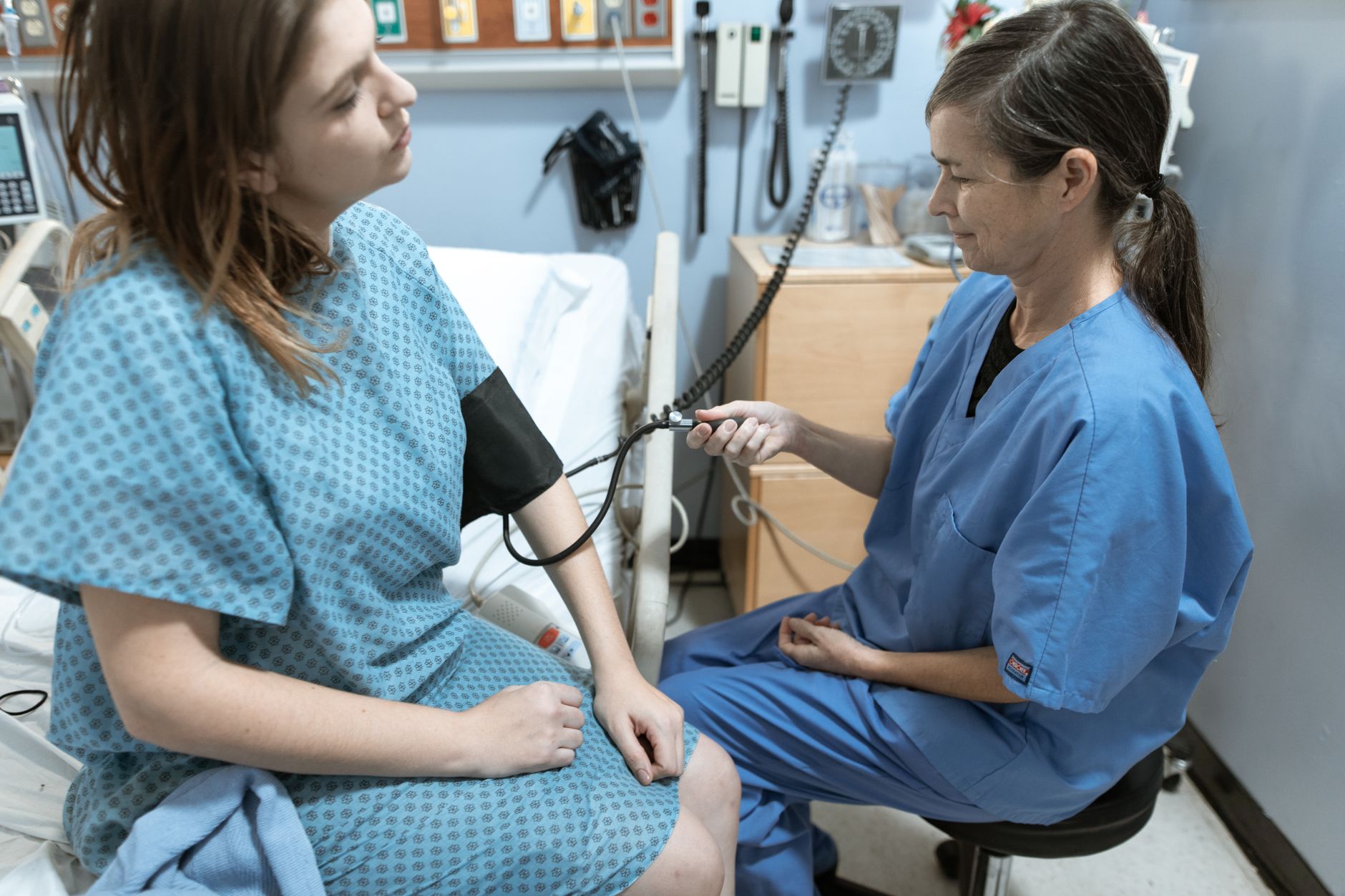
The injury backdrop is real. OSHA says patient care staff who frequently lift and reposition patients during transfers can suffer work-related musculoskeletal disorders, especially in the back and shoulders. Its safe-patient-handling guidance also notes that manual lifting should be minimized and eliminated when possible, because body mechanics alone do not reliably prevent injury.
The newest BLS industry table shows hospitals recorded 5.1 total recordable injury and illness cases per 100 full-time workers in 2024, versus 2.3 across private industry overall. Nursing and residential care facilities were even higher at 5.5. Those figures are not a direct measure of transfer injuries alone, but they reinforce the basic point: health care remains a physically punishing workplace.
A 2024 nationwide survey published in Applied Ergonomics adds more texture. Among 973 health care workers surveyed, 59.6 percent reported past work-related musculoskeletal disorders or pain, and less than half agreed that safe patient handling equipment was readily available. That gap matters. It suggests the problem is not only policy. It is equipment availability at the moment the work must be done.
What kind of hospital should watch this category first?
The first wave is likely to be larger acute-care hospitals where transfer volume is high, patient acuity is high, and delayed movement has downstream consequences. Academic medical centers, trauma hospitals, flagship regional hospitals, and multi-campus systems with heavy imaging and procedural throughput belong near the top of the watch list.
Facilities serving more bariatric patients should pay attention too. So should hospitals with recurring staff injury concerns around repositioning and transfers, and hospitals where transport teams and nursing units regularly compete for the same labor during peak hours. In those settings, the transfer itself is not a minor task. It is part of the capacity equation.
Smaller community hospitals should not ignore the category, but many will be better served by waiting for more U.S. operating data. If a hospital has lower transfer complexity, more predictable volumes, and limited in-house support for device training and upkeep, the case may not clear the bar yet.
- Watch first: Level I and II trauma centers, academic medical centers, large regional referral hospitals, and imaging-heavy campuses.
- Watch next: hospitals with bariatric demand, chronic safe-patient-handling injury exposure, or persistent transport bottlenecks.
- Watch later: lower-volume community facilities where transfer intensity is modest and service infrastructure is thin.
What should a serious buying framework include?
Hospitals should not buy this category on novelty, patient wow factor, or broad claims about the future of care. They should buy it on transfer economics and clinical workflow fit. The right analysis starts with transfer counts by unit, transfer types, staff required per transfer, peak-hour congestion, near-miss history, and whether current lifts or slide systems are actually used as intended.
The next layer is room and surface reality. Does the robot fit bed types, imaging environments, hallway widths, clearance tolerances, infection-prevention protocols, and patient-size requirements? Can environmental services, clinical engineering, nursing leadership, transport, and perioperative staff all support the operating model without creating a new burden around scheduling or staging?
Then comes utilization discipline. A transfer robot that sits idle most of the day is a stranded asset. A transfer robot parked where high-frequency moves happen, covered by training, and backed by service response becomes an operations tool. Those are very different outcomes, even if the hardware is identical.
- Measure baseline transfer volume before procurement.
- Map the exact units and surfaces where lateral transfers recur.
- Test staffing effect by shift, not just average daily volume.
- Verify infection-control cleaning workflow and turnaround time.
- Demand uptime, service-response, and training commitments in writing.
What could slow adoption even after Lahey?
Three things. First, narrow use-case fit. A robot that is excellent at lateral transfers still does not help with every patient move, every room type, or every unit. Hospitals may struggle if they expect one device to solve a broader mobility problem than it was built for.
Second, change management. Safe patient handling programs work only when equipment is accessible, training is current, and leadership enforces the workflow. A robot can fail operationally even if the engineering is sound, simply because staff revert to familiar manual methods when the floor gets busy.
Third, support coverage. Hospitals do not buy a machine in isolation. They buy uptime, preventive maintenance, clinical onboarding, process redesign, and escalation paths when the device is out of service. That is one reason this category may favor health systems prepared to treat robotics as a managed operational capability rather than a one-off capital experiment.
Where Service Robot Co. fits if hospitals start moving
If robotic patient handling does become a real hospital operations category, many providers will need more than a vendor demo. They will need an operator-side partner that can compare platforms objectively, pressure-test workflow fit, and carry the deployment burden beyond procurement.
That is where Service Robot Co. has a practical angle. We are OEM-neutral, which matters in a category where hospitals should choose around workflow and serviceability, not brand theater. We help U.S. operators evaluate the right robots across manufacturers, then finance, deploy, integrate, train, and service every unit through a nationwide engineer network.
For hospital leaders, that means one vendor for the full lifecycle. The operational question is not just Which robot can transfer a patient? It is Which program can stay live on a real floor, with training refreshed, service response covered, and accountability clear when something breaks at 2 a.m.?
The real meaning of Lahey's move
Lahey's deployment does not prove that every U.S. hospital is ready for robotic patient transfer in 2026. It proves something more useful. A major American hospital has now put this type of system into practice and attached it to a defined, labor-intensive workflow where injury prevention, staffing pressure, and patient flow intersect.
That is how real categories begin. Not with universal adoption, and not with vague promises, but with a specific task in a specific environment where the operational pain is easy to name. According to the AHA's March 2026 cost report, hospitals spent about 60 percent of total expenses on workforce in 2025, while total expenses rose 7.5 percent. In that climate, tools that cut physical strain and smooth throughput will get a harder look.
The smart stance for most hospitals is neither hype nor dismissal. It is watchful discipline. Track the early U.S. deployments. Map your own transfer burden. And if your facility runs enough high-acuity, high-frequency lateral moves, start treating robotic patient handling as a category worth evaluating on operations terms now.
Frequently asked questions
Sources
Service Robot Co. is not affiliated with, sponsored by, or endorsed by the companies mentioned in this article.